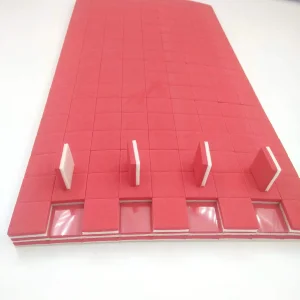
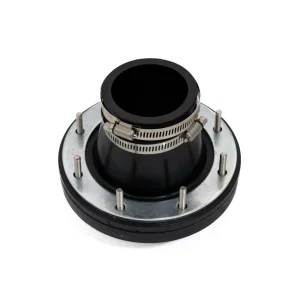
The automotive industry in Taiwan has long been recognized as a global hub for high-precision components and aftermarket parts. As vehicle manufacturers increasingly shift towards Electric Vehicle (EV) architectures and lightweight material requirements, the demand for high-performance Automotive Cork Rubber Components has seen significant growth. Dongguan Royflexa Rubber Co., Ltd., leveraging decades of expertise, stands at the forefront of providing the essential sealing solutions required by Taiwan's robust automotive supply chain.
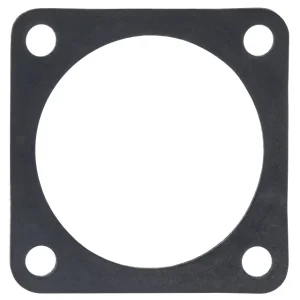
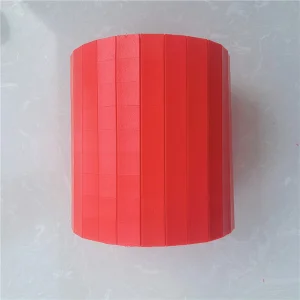
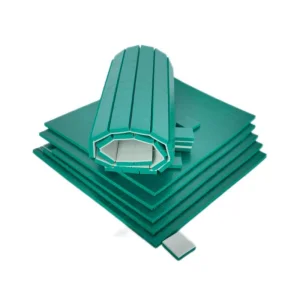
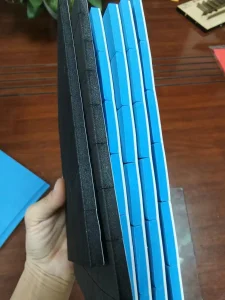
Cork rubber composites represent a unique synergy between natural cork's compressibility and synthetic rubber's elasticity and chemical resistance. In the context of automotive engines, transmissions, and fuel systems, these components are critical for:
Taiwanese manufacturers are known for their rigorous quality control and strict adherence to international standards. When sourcing Automotive Cork Rubber Components, industry professionals look for factories that maintain ISO certifications. Since our inception in 1996, Royflexa has bridged the gap between raw material innovation and finished part manufacturing. Our commitment to quality management systems—covering environmental protection and occupational safety—aligns perfectly with the expectations of top-tier Taiwanese automotive suppliers.
The transition toward EVs requires materials that can handle different chemical exposures (such as cooling fluids for batteries) while maintaining lighter, more durable profiles. Research and development at our facility are currently focused on advanced non-asbestos gaskets and graphite-based composites that offer superior lifespan. By partnering with suppliers who prioritize scientific research and technological investment, automotive firms in Taiwan can ensure their production lines remain competitive in the global landscape.
 Royflexa Rubber