High-performance solutions specified for infrastructure projects in Port Moresby
Engineering challenges, microclimatic stresses, and structural demand for flexible joint materials
As the economic and administrative center of Papua New Guinea (PNG), Port Moresby is experiencing an unprecedented surge in civil infrastructure development, maritime port expansions, urban commercial building, and industrial energy processing facilities. Projects surrounding the Motukea Island Port Terminal, the PNG LNG downstream industrial hubs, the Jackson International Airport runway and taxiway modernization, as well as coastal bypass highways demand high-durability elastomeric construction materials. The tropical marine climate of Port Moresby—characterized by severe ultraviolet exposure, extreme humidity, high ambient temperature fluctuations, and aggressive saltwater mist—presents rigorous challenges for structural expansion joints.
Conventional expansion joint materials such as plain bitumen boards or unmodified fiberboards often suffer from rapid thermal degradation, extrusion breakdown, moisture absorption, and microbial rotting under Port Moresby’s tropical microclimate. To mitigate structural joint failure, severe concrete spalling, and liquid infiltration in critical civil assets, civil engineers, project consultants, and global EPC contractors serving PNG are increasingly specifying Cork Rubber Expansion Joint Materials.
Heavy-duty wharf aprons, container stacking yards, and coastal retaining walls require resilient cork-rubber seals that resist saline moisture, hydrocarbon splash, and continuous dynamic wheel loadings from reach stackers.
Located along the Pacific Ring of Fire, Port Moresby’s structural designs demand joint fillers capable of maintaining structural memory and elastomeric recovery under seismic shear stress and differential settlement.
Downstream petrochemical processing facilities require chemical-resistant non-asbestos and high-density NBR/cork matrix expansion joints capable of handling vibration dampening and thermal cycling.
Synthesizing natural cork cellular flexibility with synthetic elastomeric polymers
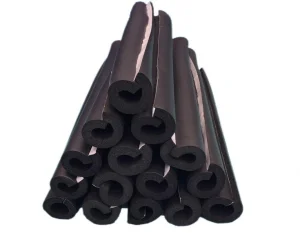
Cork rubber expansion joint materials are composite formulations produced by combining selected granular cork particles with synthetic rubber polymers (such as Nitrile NBR, Neoprene CR, or SBR). The micro-cellular structure of natural cork contains over 40 million air-filled honeycomb cells per cubic centimeter, providing natural compressibility without lateral extrusion. When vulcanized with high-density synthetic rubber, the resulting matrix achieves outstanding physical properties tailored for harsh structural environments.
| Material Property | Cork Rubber Matrix | Traditional Bituminous Fiber Board | Plain EPDM Rubber Sheet | ASTM Test Method |
|---|---|---|---|---|
| Elastic Recovery (%) | > 85% | < 70% | ~ 75% | ASTM D545 / D1752 |
| Extrusion Loss under Load | < 0.25 mm (Minimal) | > 1.50 mm (High lateral expansion) | Extrudes sideways under heavy force | ASTM D545 |
| Weathering & UV Resistance | Exceptional (Modified formulation) | Degrades, dries, and crumbles | Good | ASTM G154 |
| Chemical & Fuel Swell Resistance | High (NBR/CR Grade) | Low (Solvent soluble) | Moderate (Attacked by oils) | ASTM D471 |
| Water Absorption (%) | < 1.5% by volume | > 15% (Prone to rot) | < 0.5% | ASTM D545 |
Tailored application matrix across critical Papua New Guinea sectors
In coastal projects around the Fairfax Harbour and Motukea Island, expansion joints are continuously submerged or subjected to tidal splashing. Our NBR-cork and high-elastic polyurea systems prevent seawater penetration, preventing rebar corrosion and extending the structural lifespan of maritime concrete aprons.
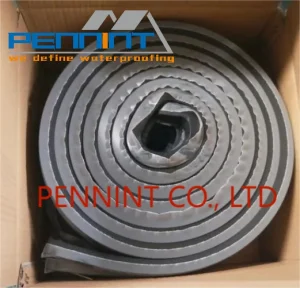
Potable water supply pipelines and sewage treatment plants in the National Capital District require non-toxic, chemical-resistant expansion joint materials. Synthetic bonded cork rubber fillers paired with swellable bentonite waterstops ensure watertight performance across dynamic concrete cold joints.
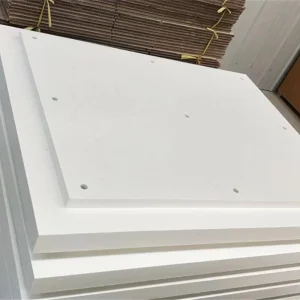
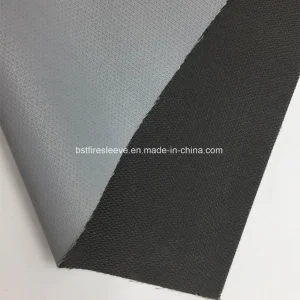
For smelting, processing, and boiler facilities near Port Moresby’s industrial sectors, high-temperature thermal insulation expansion joints (such as ceramic fiber boards and PTFE silicone coated fiberglass joints) protect refractory brick walls against extreme thermal shock.
Heavy dynamic traffic loads on bridge decks connecting Port Moresby with central highland transit routes require joint fillers that withstand high impact, mechanical stress, thermal movement, and petroleum spills without structural disintegration.
Proven excellence in industrial sealing, expansion materials, and global exports since 1996
Dongguan Royflexa Rubber Co., Ltd. is an export-oriented, comprehensive and diversified large-scale private enterprise, taking the production of paper, gasket materials of flexible graphite, asbestos & non-asbestos, carbon black, and gasket & packing as the pillar industry, while also engaging in foreign trade, real estate, and scientific research simultaneously.
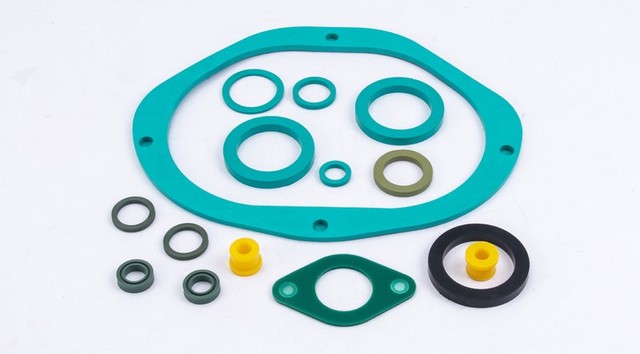
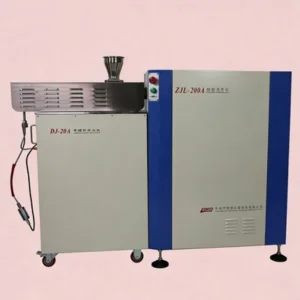
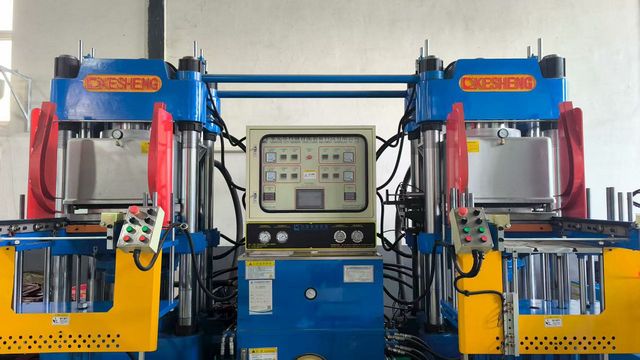
Modern Automated Production Line & Research Facility
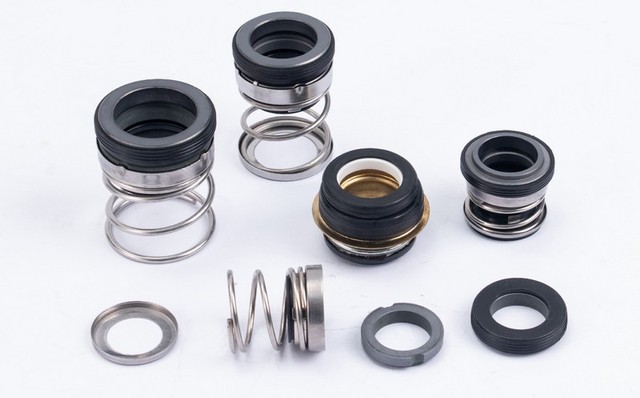
ISO Certified Quality Testing & Technical Verification
Since its establishment in 1996, by flexible management and continuous innovation, the group has achieved significant development—from a trading company to a business entity mainly engaged in scientific research and production.
We spare no effort to introduce international standardized management systems into our company. Our group has successfully passed ISO quality, environmental, occupational health, and safety management system certifications, improving product quality, environmental protection, production safety, and overall management level, and bringing the company onto an internationally standardized management track.
Paper, gasket materials of flexible graphite, asbestos & non-asbestos, carbon black, gasket & packing, and related products are all produced with world-class equipment and advanced manufacturing techniques imported by our company. These products offer reliable quality and competitive pricing. With a 60% increase in sales, our products have rapidly occupied markets both domestically and internationally and enjoy a strong reputation, earning wide recognition and praise.
All staff members of Dongguan Royflexa Rubber Co., Ltd., with renewed vigor and great enthusiasm, sincerely welcome friends and clients from all over the world to establish extensive cooperation and create a brilliant future together.
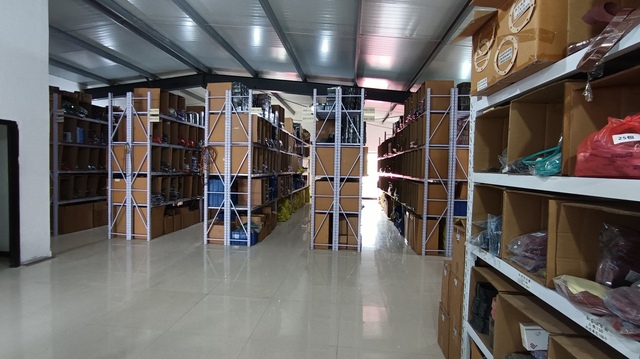
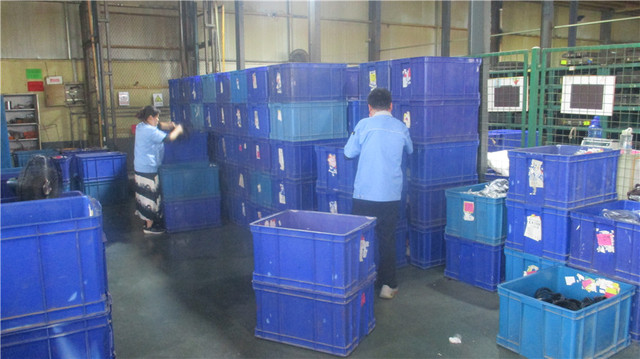
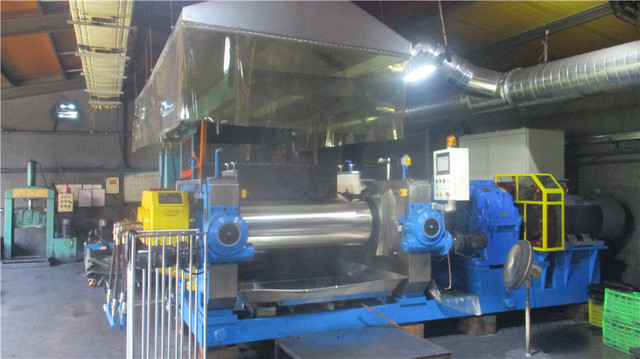
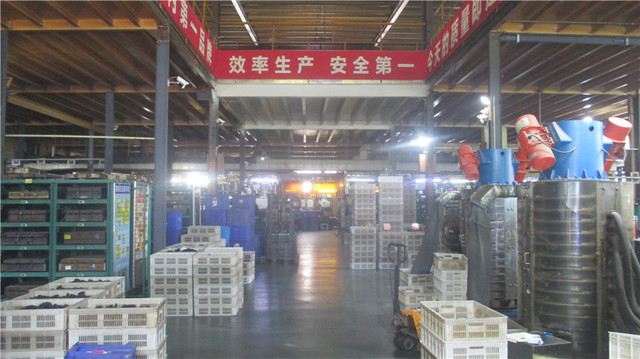
Direct export logistics and automated material compounding for Papua New Guinea buyers
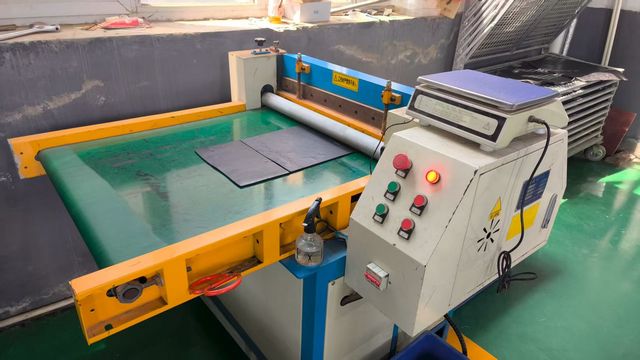
Computerized internal mixers ensure precise distribution of cork granulates within the polymer matrix, eliminating density voids and guaranteeing uniform compression performance.
Streamlined freight corridors from South China ports directly to Motukea Port (Port Moresby) and Lae, reducing lead times to as short as 14-18 days.
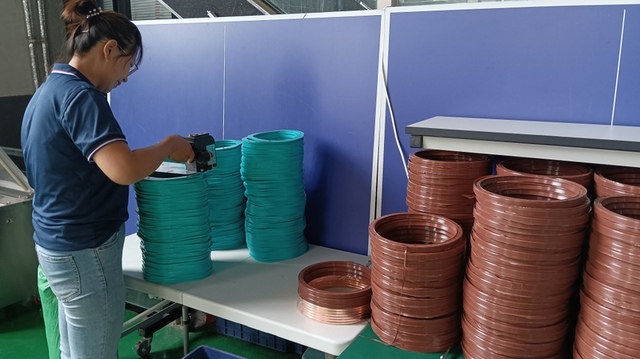
Vacuum sealed moisture barrier packaging and fumigated wooden pallets protect material sheets against tropical humidity and sea salt mist during transshipment.
Fulfilling international specification benchmarks for infrastructure procurement
Major infrastructure tenders in Papua New Guinea frequently adopt Australian (AS/NZS), British (BS), and ASTM engineering guidelines. Dongguan Royflexa Rubber Co., Ltd. manufactures cork rubber expansion joint fillers and technical sealing sheets that fully comply with:
Full spectrum of elastomeric, non-asbestos, and thermal insulation solutions
Technical guidance for contractors, procurement officers, and structural engineers in PNG
Contact Dongguan Royflexa Rubber Co., Ltd. today to request technical data sheets (TDS), material safety compliance (MSDS), factory pricing, and complimentary samples.
Send Inquiry Now Royflexa Rubber