Royflexa Rubber
1 / 5
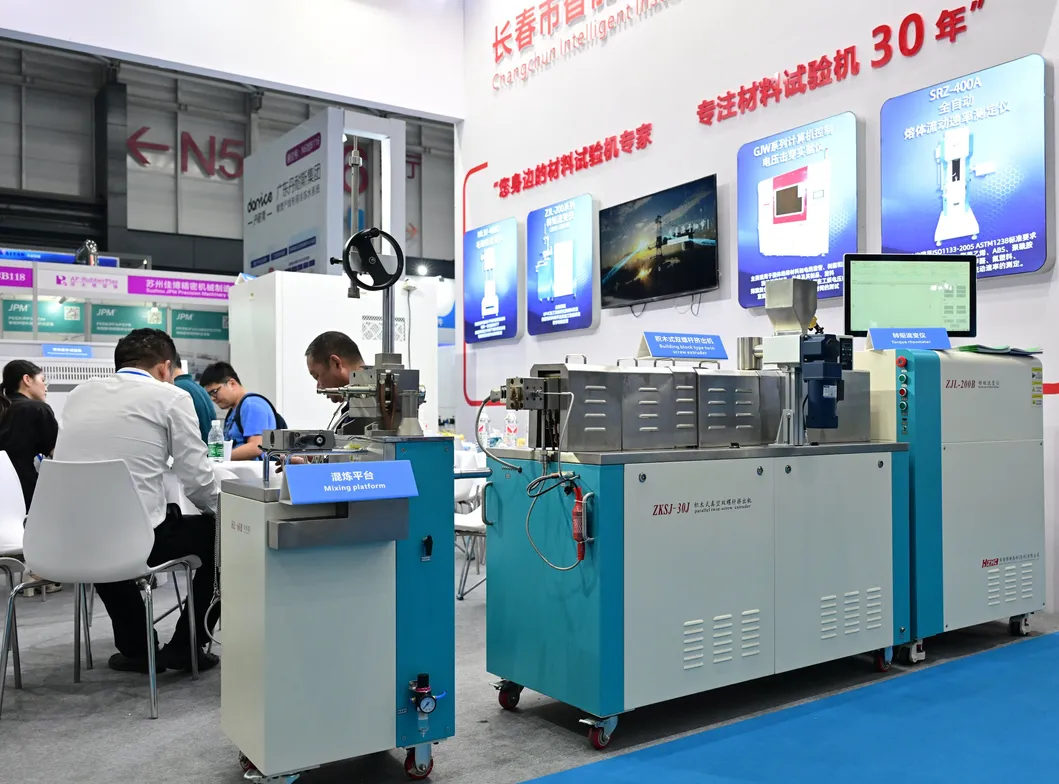
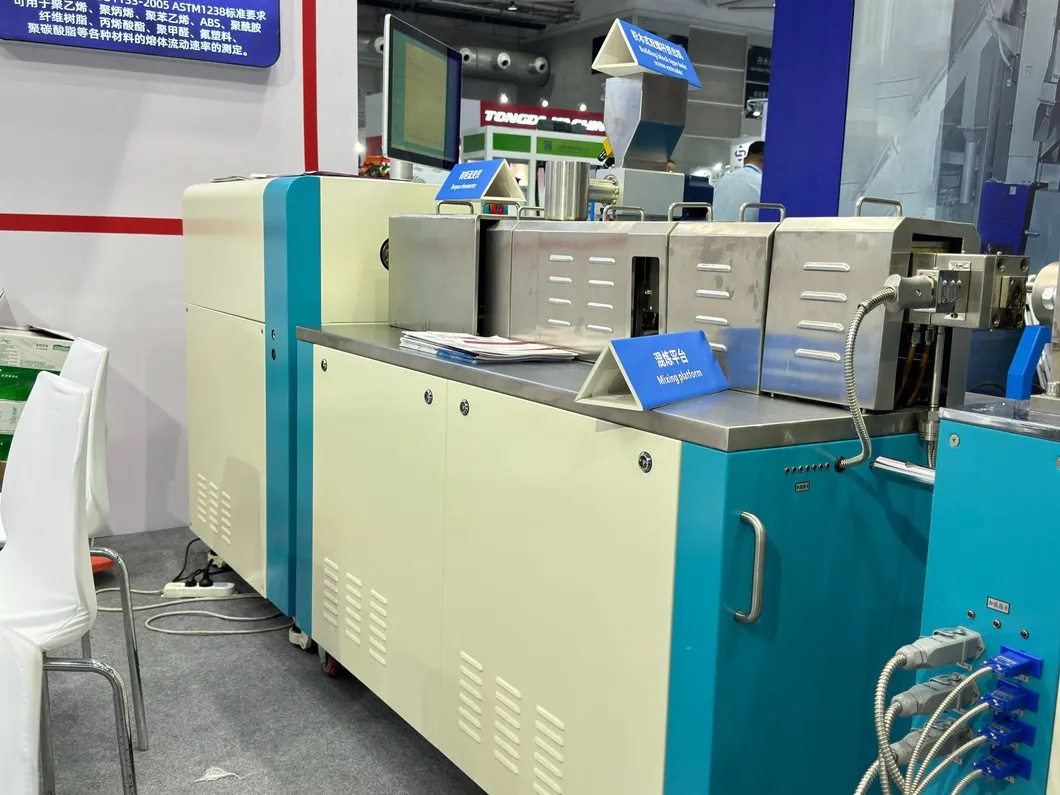
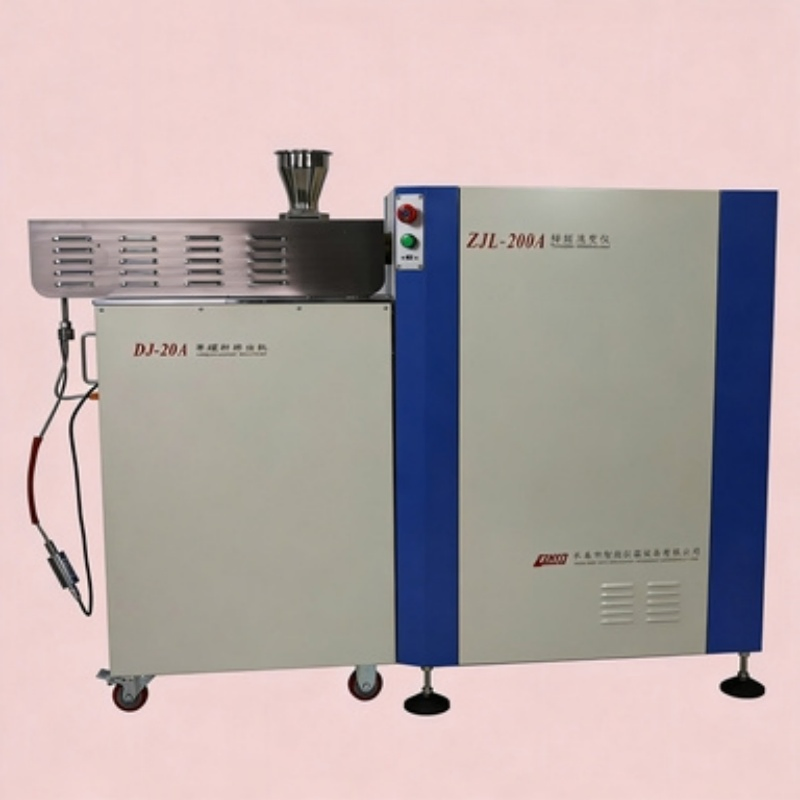
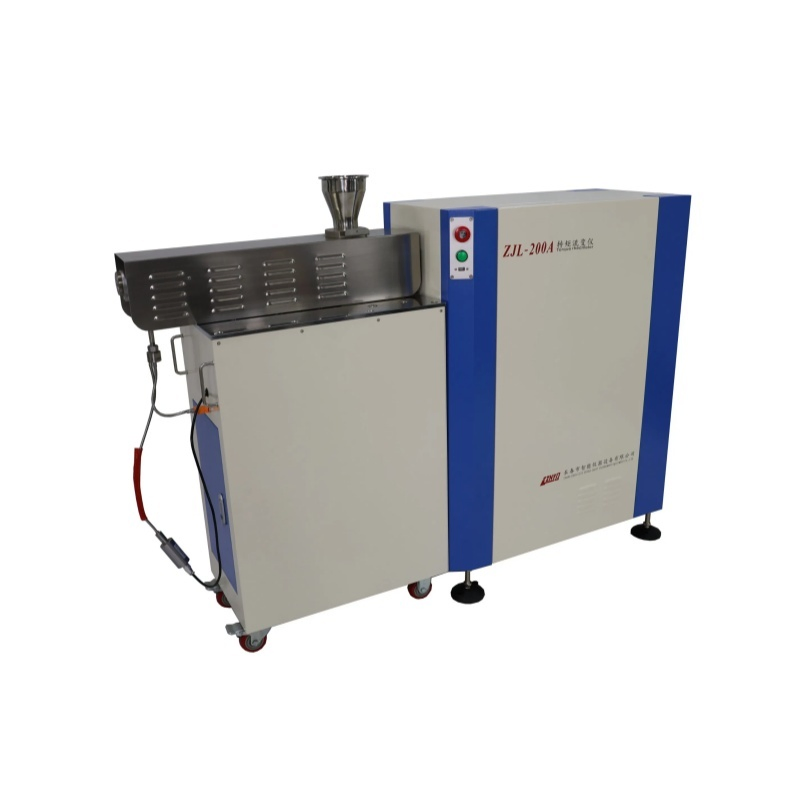
ZJL-200A Series Computer Controlled Torque Rheometer (Host machine + Mixer + Extruder)
The torque rheometer is an ideal equipment to study the flow and deformation, plasticization, thermal shear stability, and dynamic rheological properties of polymer materials. It displays results through torque-time and torque-temperature curves, enabling precise analysis of multi-component material mixing, cross-linking curing of thermosetting resins, and the vulcanization of elastomers.
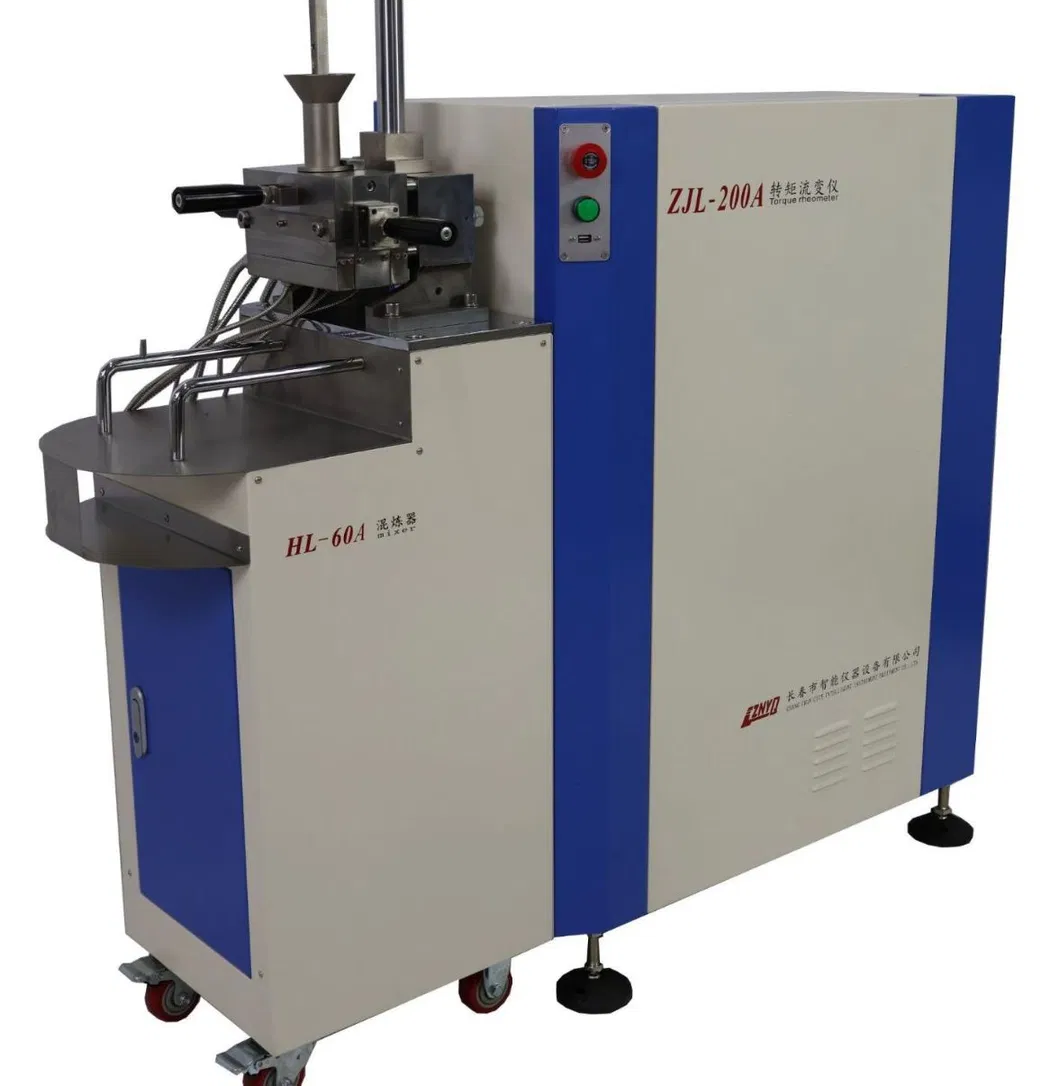
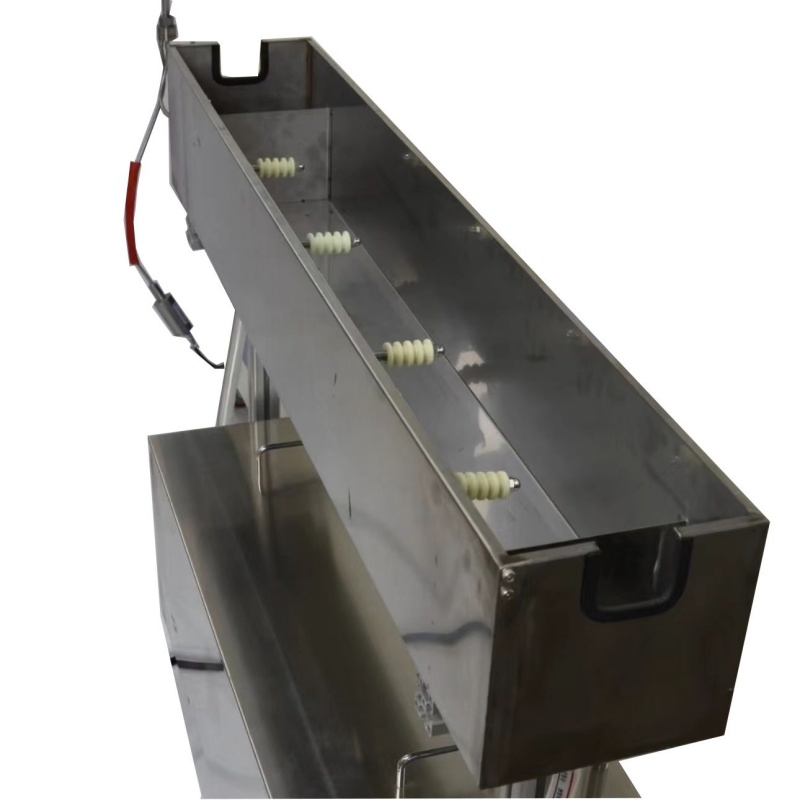
Host machine & Mixer
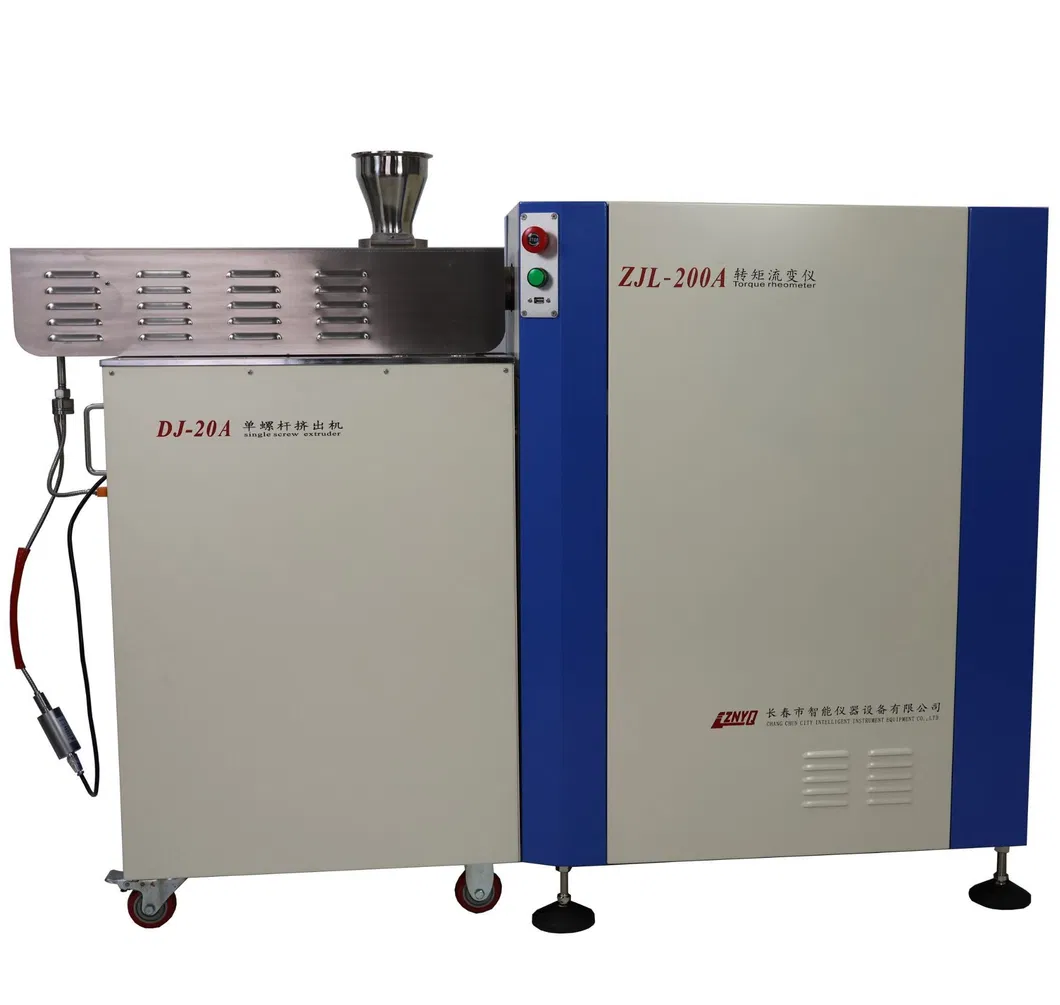
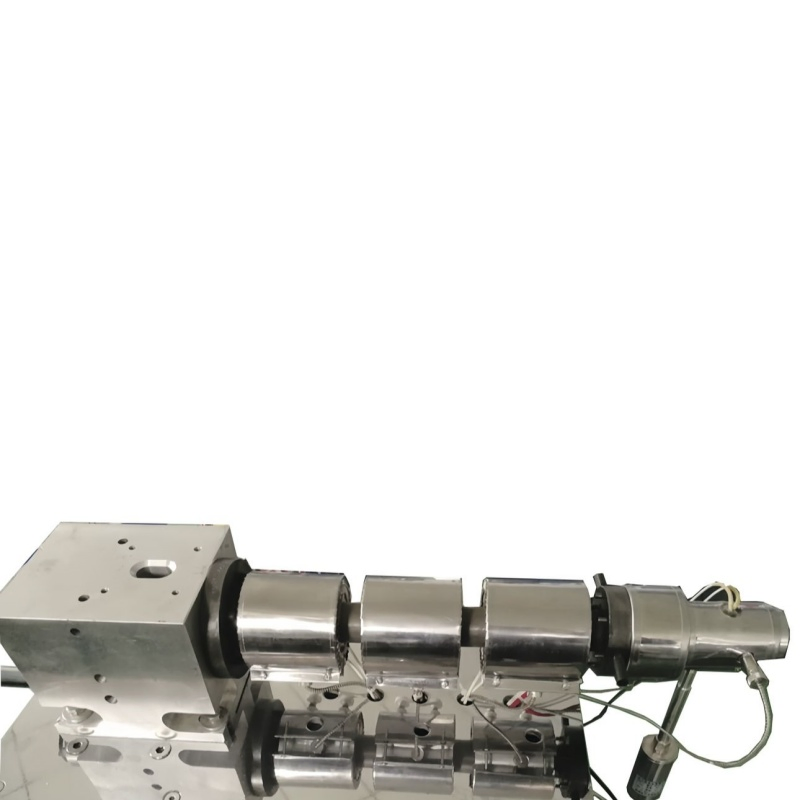
Host machine & Extruder
The system features a modular design where the host serves as the control center, driving and managing intelligent measuring units (mixing and extrusion units). Data is transmitted seamlessly via a bus system for accurate laboratory simulations.
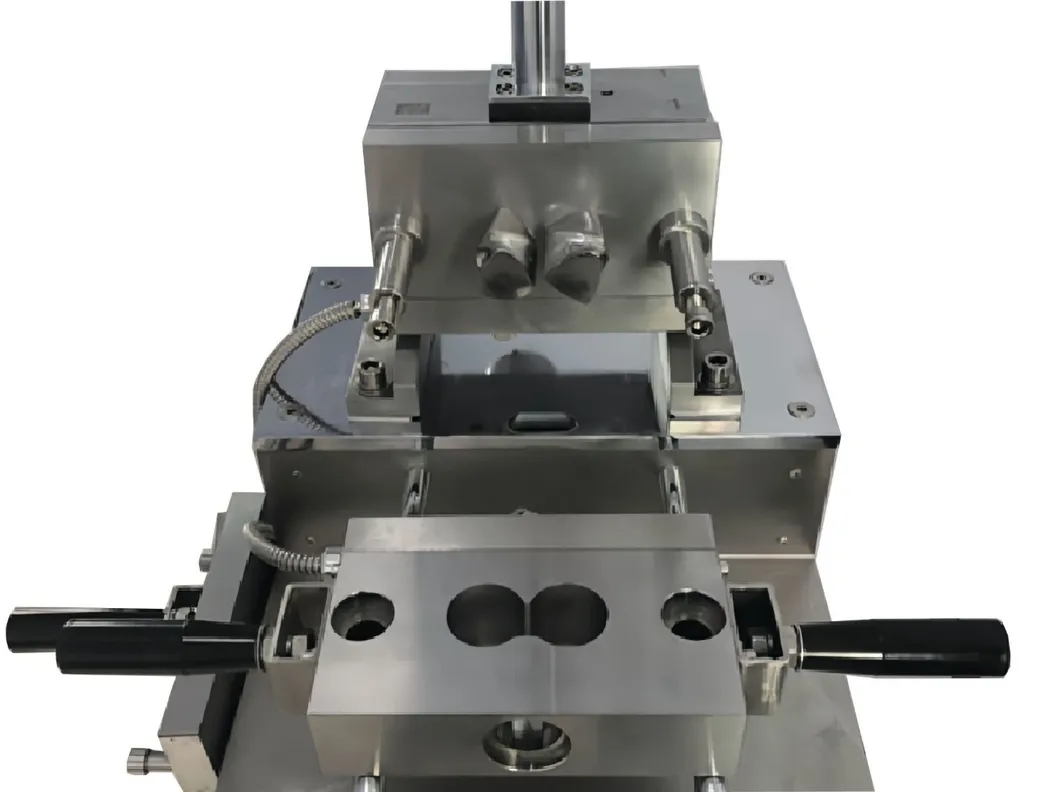
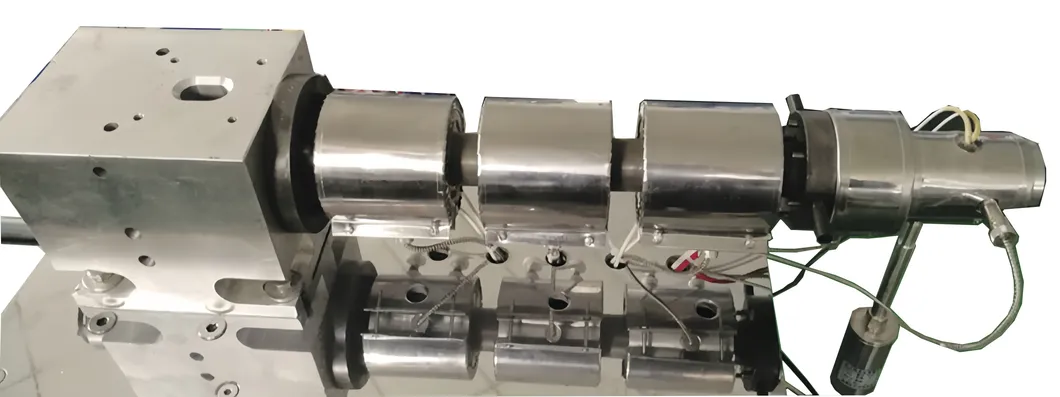
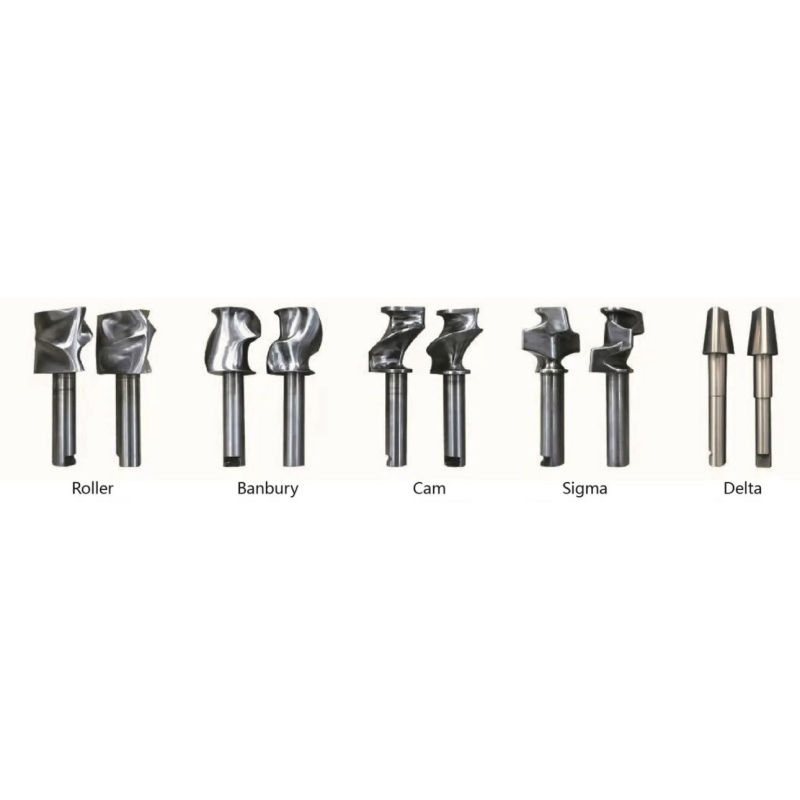
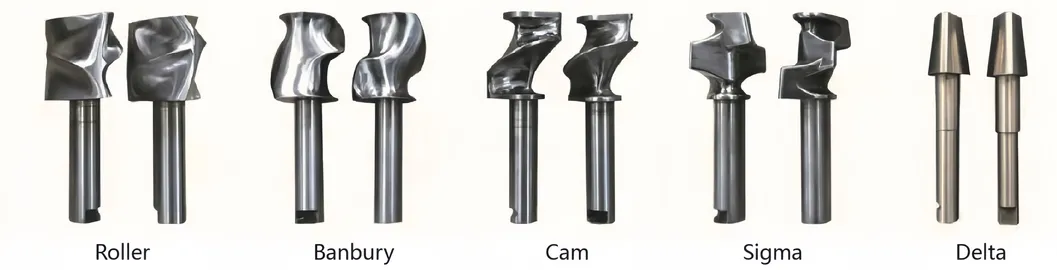
Available Rotor Types:
| Host Machine Specifications | |||
|---|---|---|---|
| Motor Power | 3.0KW | Torque Range | 0 ~ 200Nm (Rated 300Nm) |
| Motor Speed | 2000r/min | Torque Accuracy | ±0.3%F.S |
| Speed Range | 0.1~120rpm | Pressure Range | 0.1~100Mpa |
| Temp Control | RT ~ 350ºC | Voltage | AC380V 7.5kw |
| Mobile Mixer Parameters | |||
|---|---|---|---|
| Capacity | 60ml / 200ml | Material | 4Cr13 |
| Max Torque | 200Nm | Heating | Electric heating |
| Single Screw Extruder (38CrMOALA) | |||
|---|---|---|---|
| L:D Ratio | 25:1 | Screw Diameter | φ20mm |
| Compression Ratio | 2.5:1 | Max Temp | 350ºC |