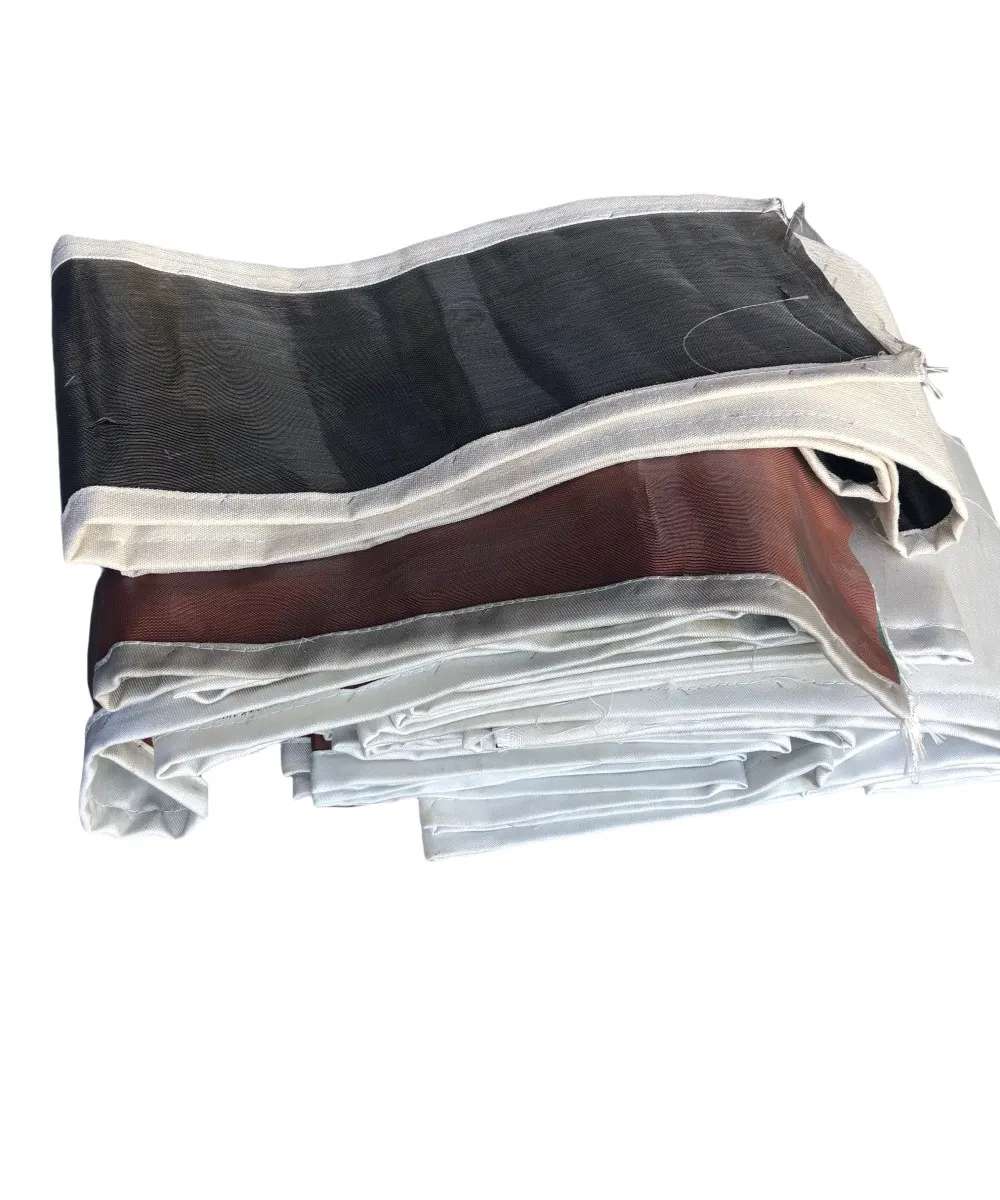
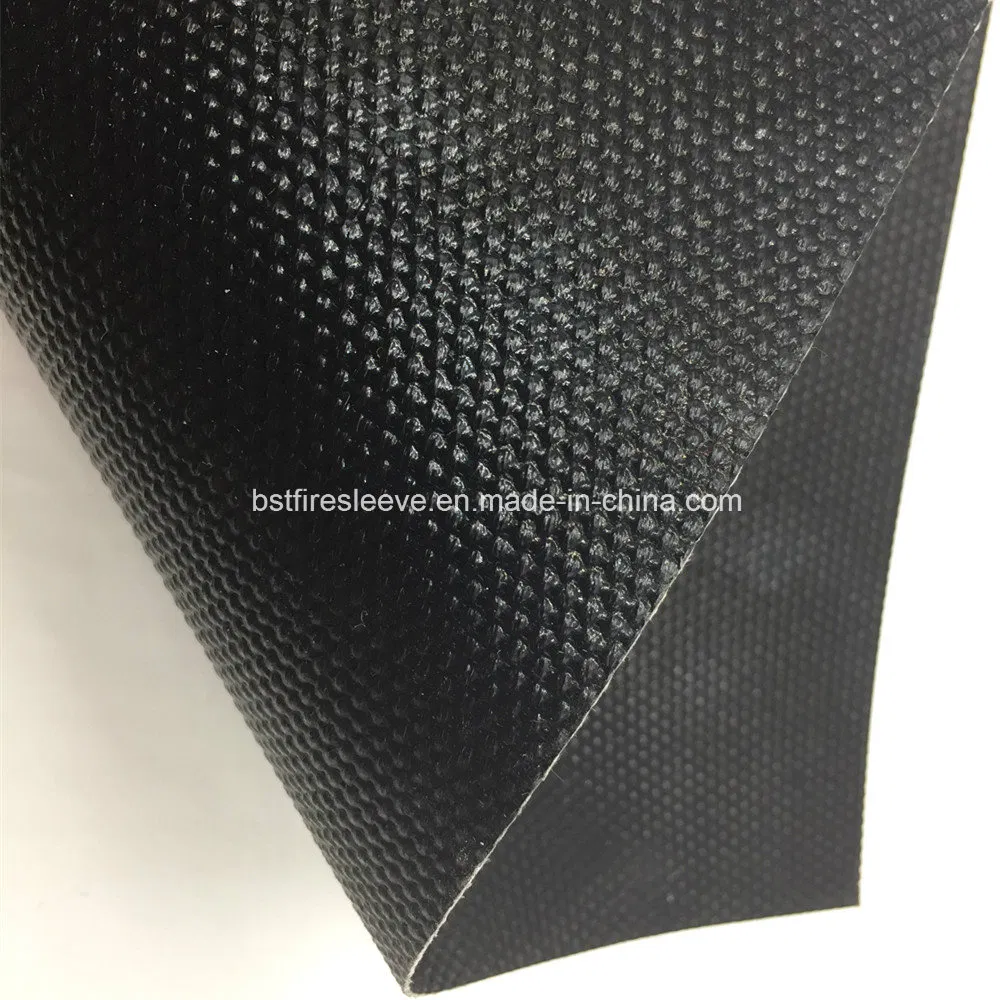
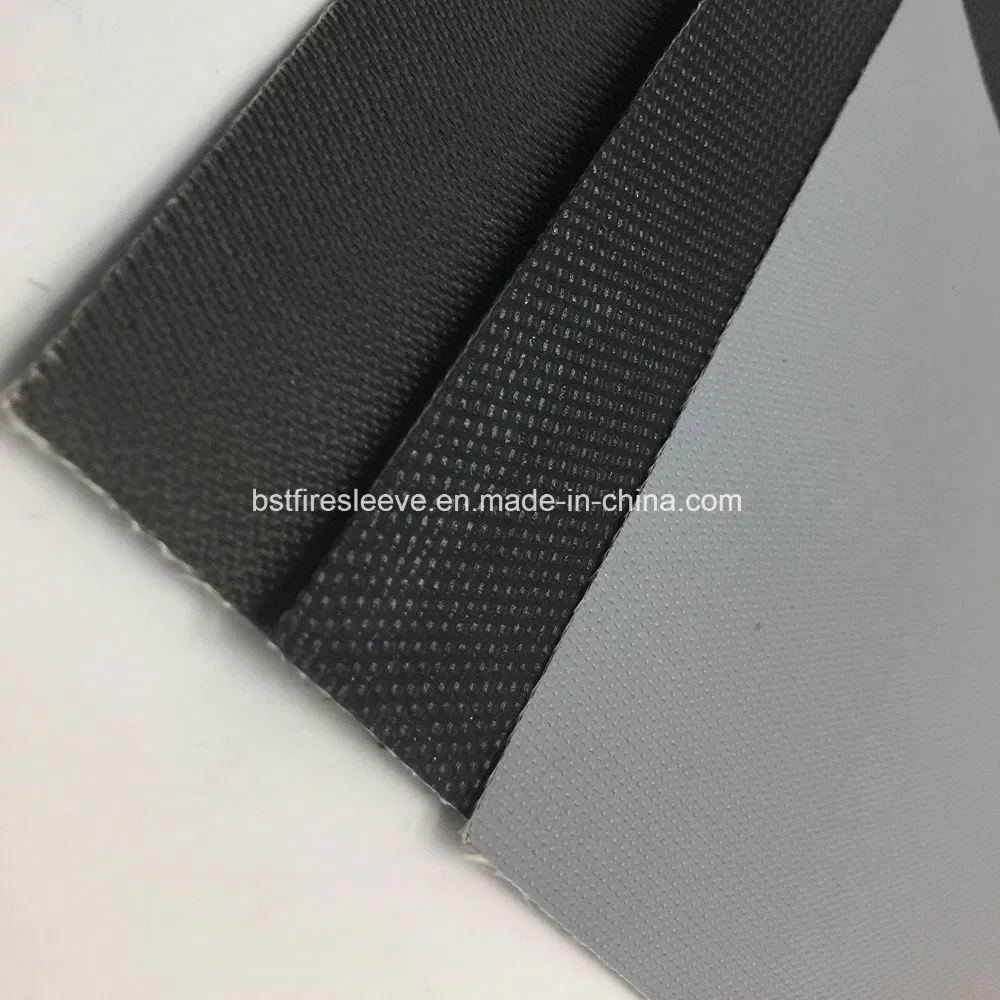
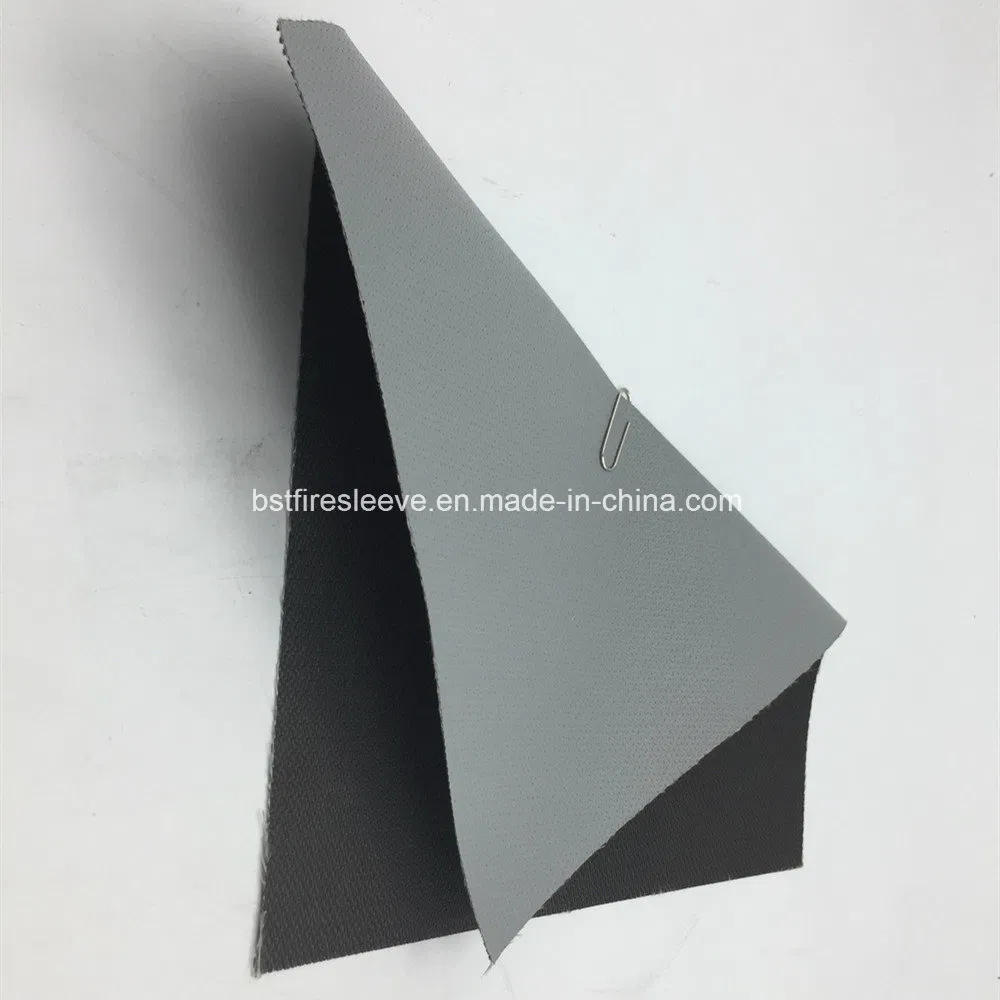
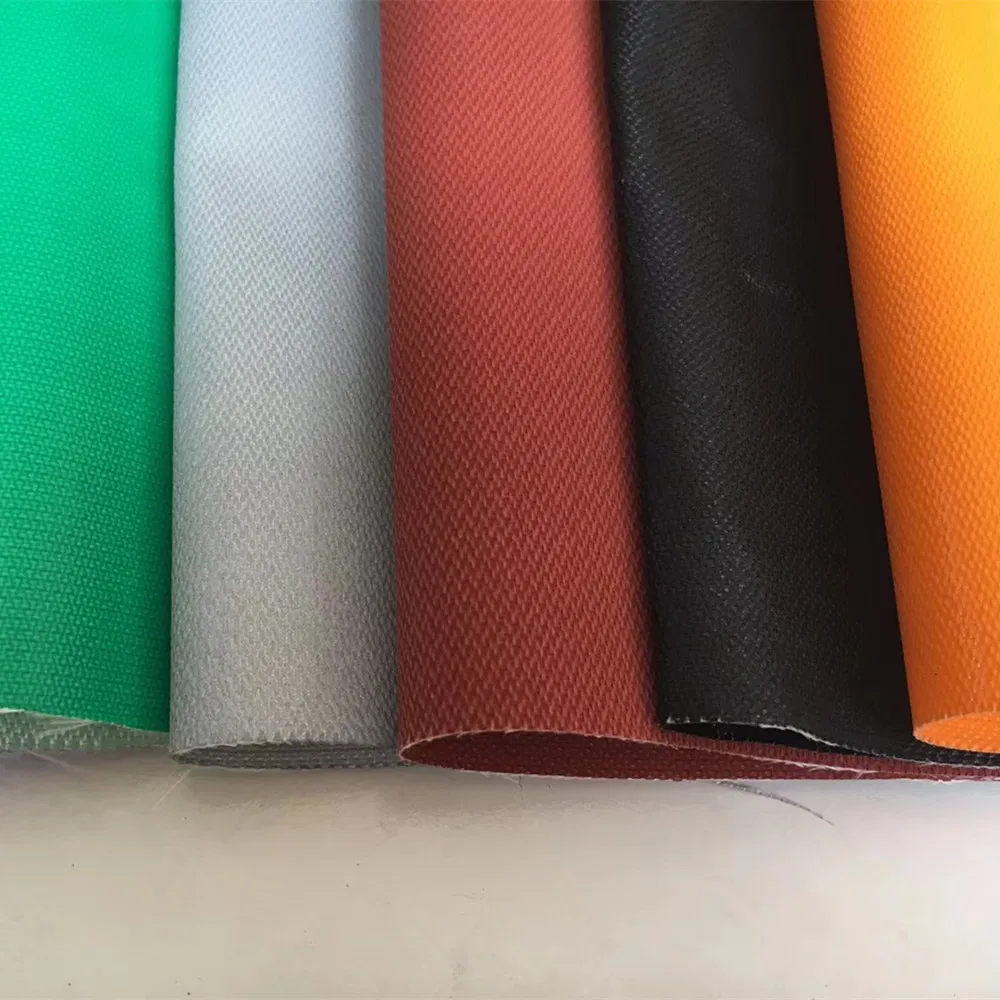
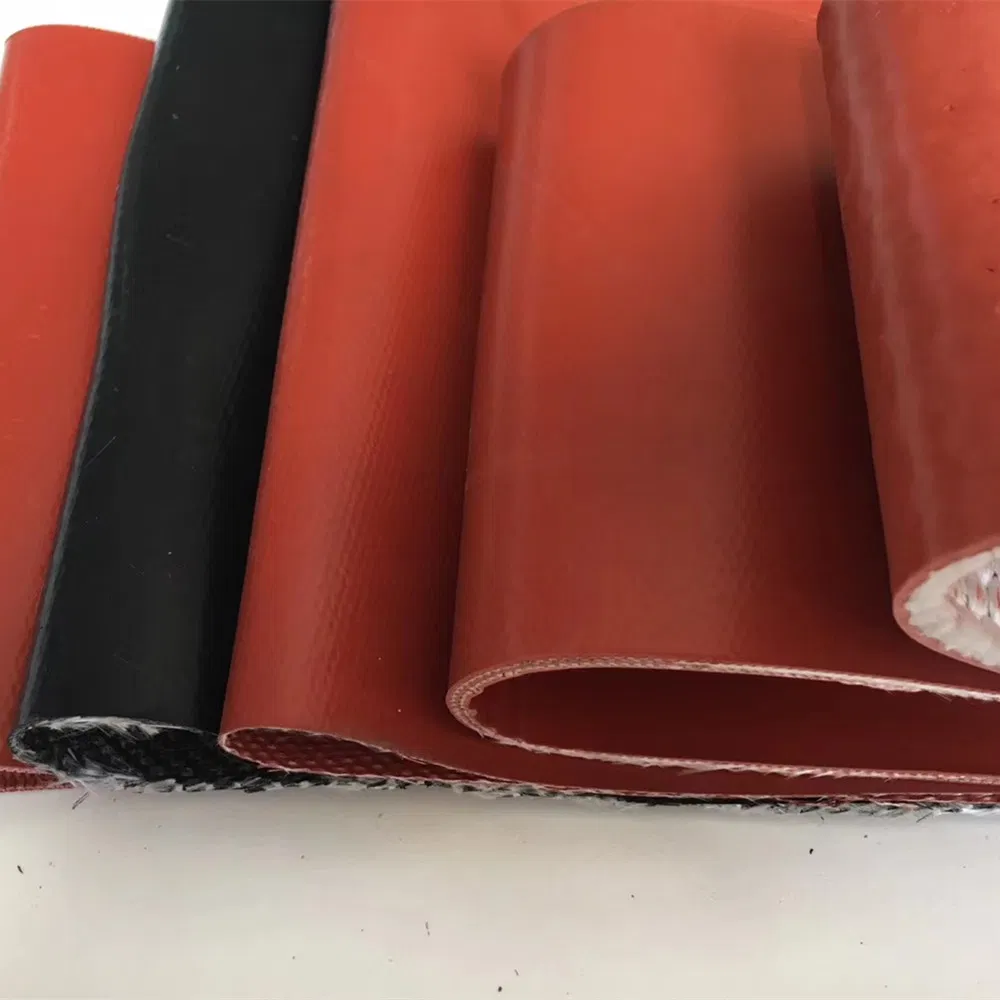
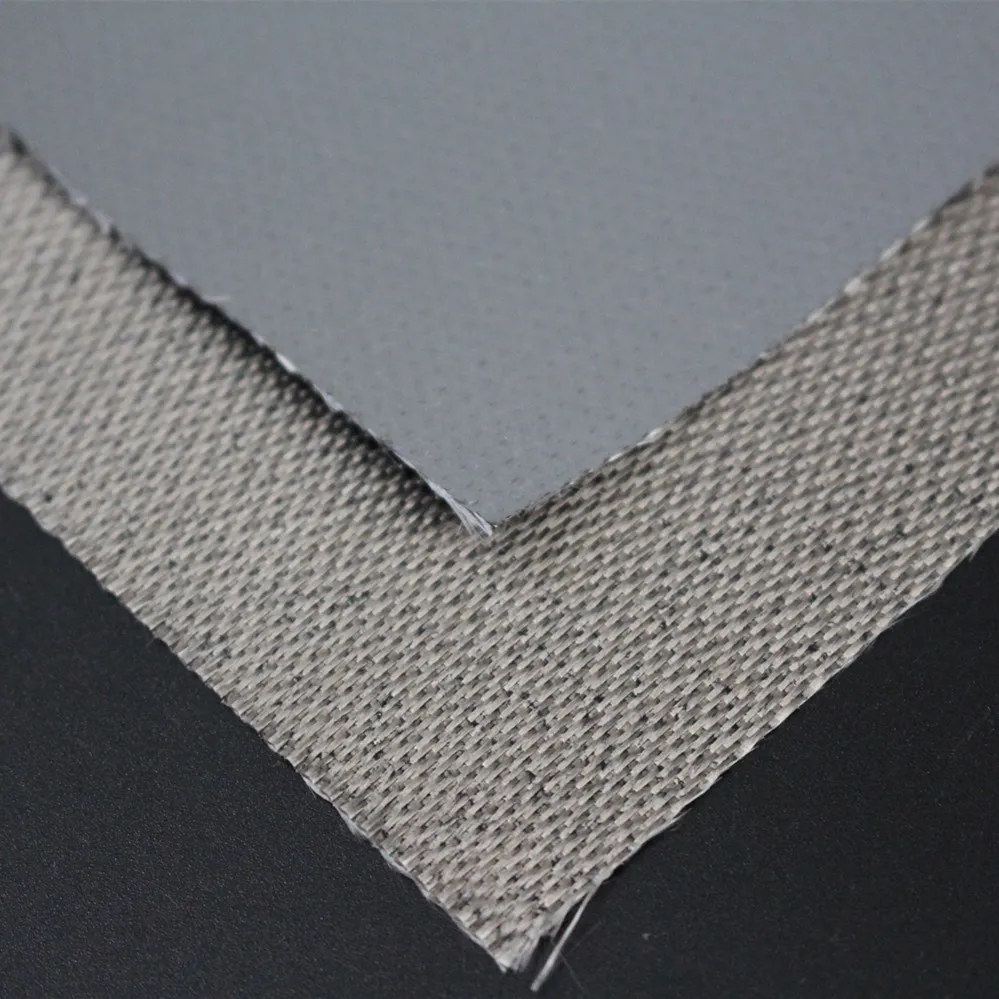
High Temperature PTFE Silicone Rubber Belt Fluoroplastics Temp Duct Coated Fiberglass Cloth Fabric Expansion Joint Materials

Still deciding? Get samples of $ !
Order Sample

Product Description

📦Basic Specifications
Model NO.
BST-RIB
Material
Fiberglass
Pattern
Plain
Structure
Fabric Form
Style
PTFE
Type
Woven
Width
58/60"
Color
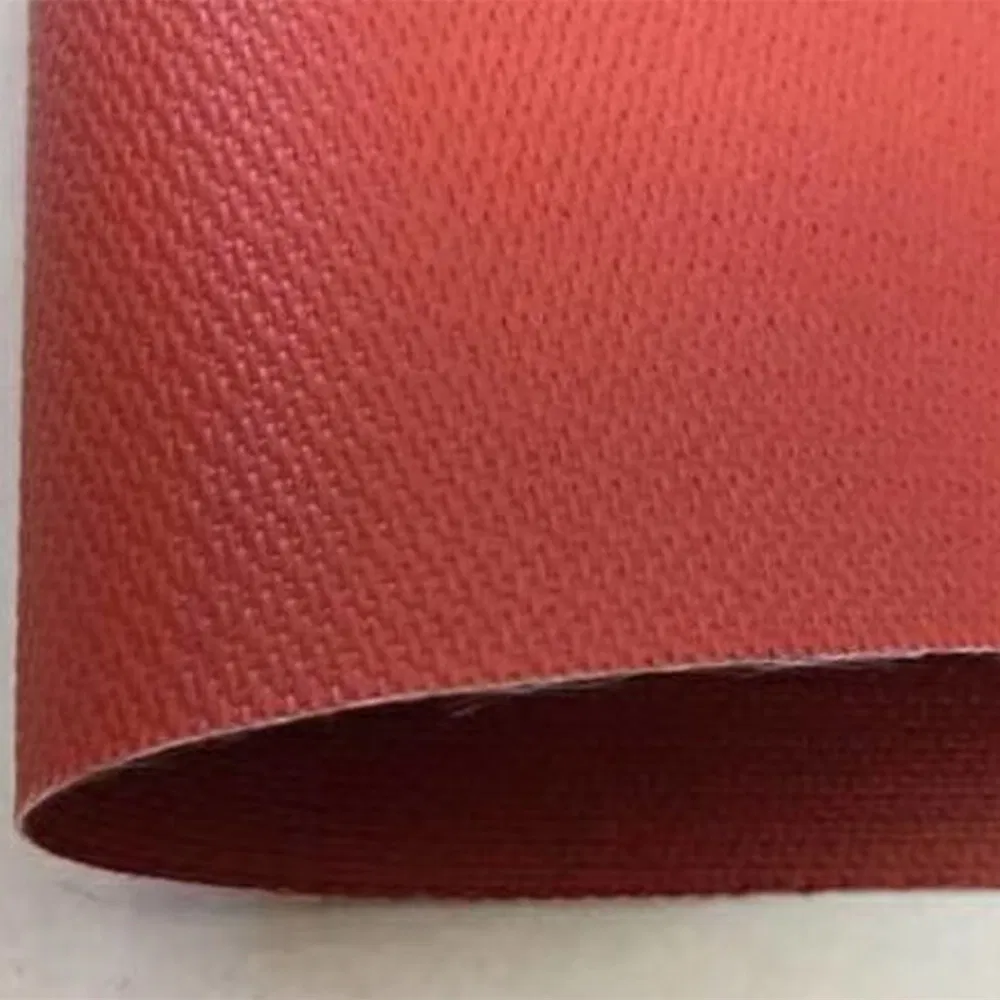
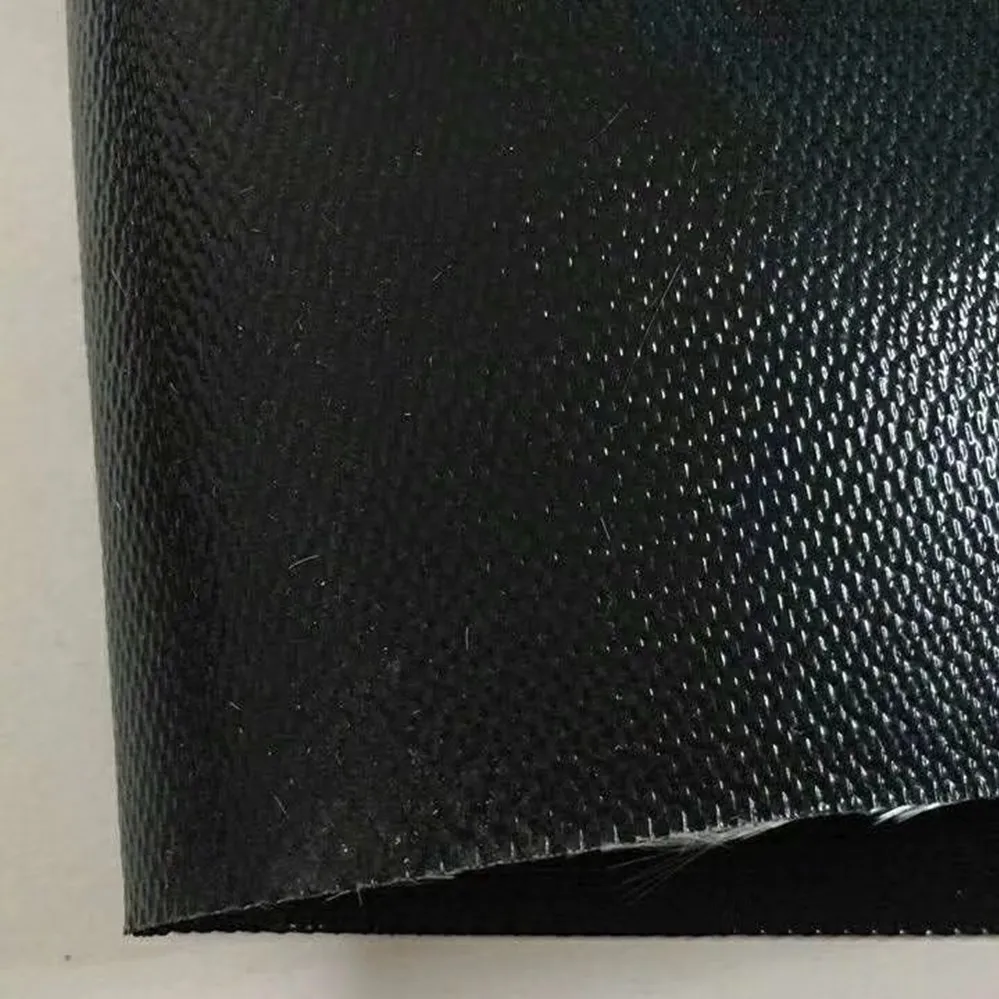
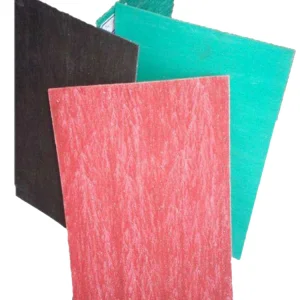
Red, Black
MOQ
1000 USD
Capacity
10000m/Day
Origin
China
HS Code
701959
🚚Packaging & Delivery
Package Size
30.00cm * 30.00cm * 30.00cm
Gross Weight
2.000kg
Lead Time
3 days (1-100m); Negotiable (>100m)
⚙️Product Overview

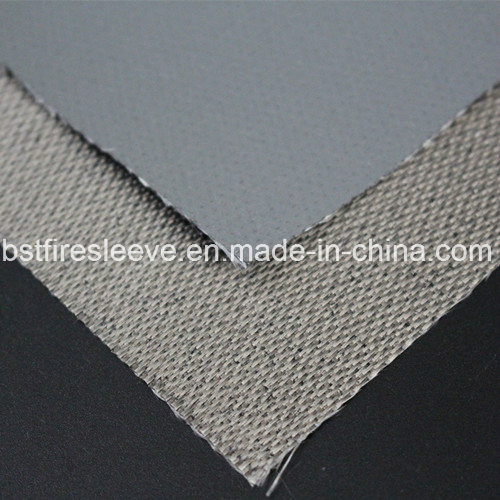
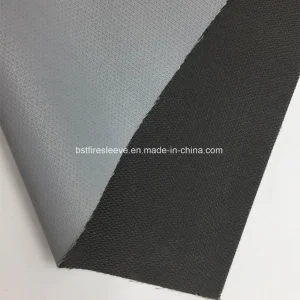
The high temperature coated fiberglass fabric is designed for flexible ducting, thermal sealing, and expansion joint applications in systems exposed to elevated temperatures, vibration, and chemical environments.

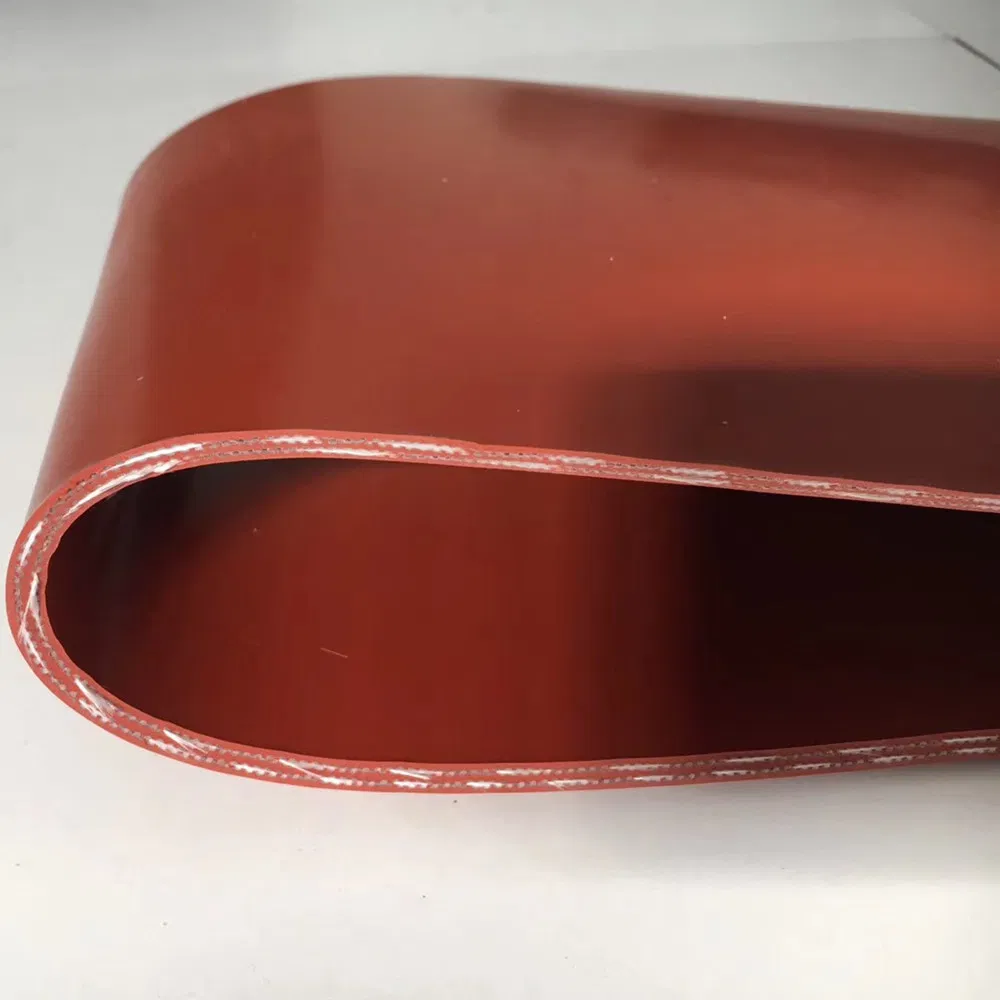
Produced from fiberglass cloth coated with PTFE (fluoroplastics) or silicone rubber, this material forms a durable belt or fabric sheet suitable for temperature-resistant ducts and expansion joint compensators.

Key Benefits:
  • Enhanced resistance to heat, chemicals, moisture, and abrasion.
  • Maintains fabric flexibility for movement absorption.
  • Absorbs thermal expansion and vibration.
  • Protects duct systems from mechanical stress.
🛠️Material Coating Options
PTFE (Fluoroplastics) Coating

Excellent chemical resistance and low friction surface. Ideal for corrosive or aggressive gas ducts.

Silicone Rubber Coating

High temperature flexibility. Resistant to moisture, ozone, and aging. Best for dynamic expansion joints.

📊Technical Specifications
Item Description
Product TypeCoated Fiberglass Fabric
Base MaterialFiberglass Cloth
Coating OptionsPTFE / Silicone Rubber
FormFabric / Belt / Sheet
ApplicationDucting & Expansion Joints
Temperature ResistanceHigh-Temperature Industrial Use
ThicknessCustomizable
📈Performance Comparison
Aspect Coated Fiberglass Fabric Uncoated Fiberglass
Temperature ResistanceHighHigh
Chemical ResistanceExcellentLimited
Moisture ResistanceExcellentPoor
Service LifeLongerShorter
📷Product Gallery
Frequently Asked Questions
Q1: What is the main difference between PTFE and Silicone coatings?
PTFE offers superior chemical resistance and a low-friction surface, making it ideal for corrosive environments. Silicone provides better dynamic flexibility and resistance to environmental aging like ozone and moisture.
Q2: Can these fabrics be used for pressure containment?
No, these fabrics are specifically designed for expansion joints and ducting applications to absorb movement and vibration, not for high-pressure containment.
Q3: Are custom sizes and thicknesses available?
Yes, we provide customization for fabric width, thickness, and coating weight to meet specific industrial requirements.
Q4: What industries typically use this fabric?
It is widely used in HVAC systems, power plants, chemical processing industries, and exhaust ventilation systems for flexible connections.
Q5: How does coating improve the service life of fiberglass?
The coating protects the fragile glass fibers from moisture, chemical attack, and mechanical abrasion, significantly extending the material's operational life.
Q6: What temperature range can this fabric handle?
These fabrics are designed for high-temperature industrial use; specific limits depend on whether PTFE or Silicone coating is selected for the application.

Related Products