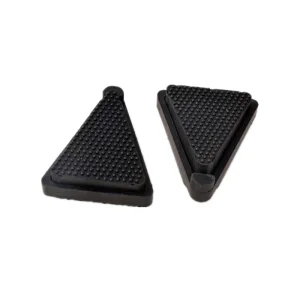
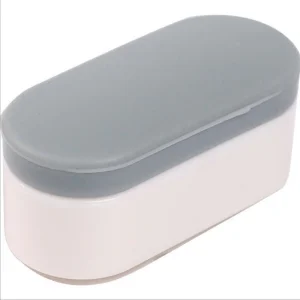
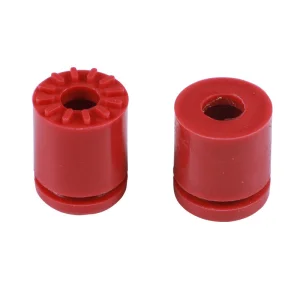
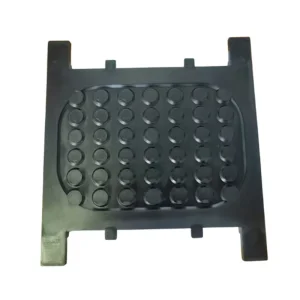
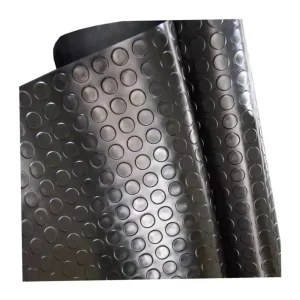
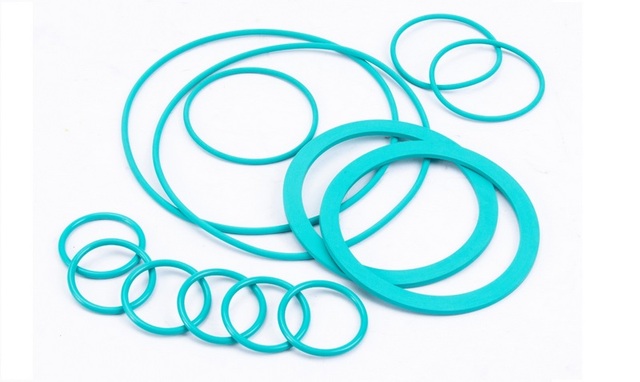
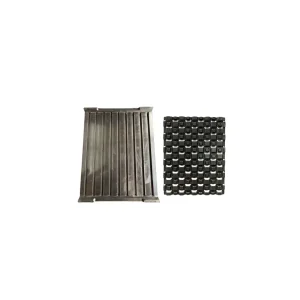
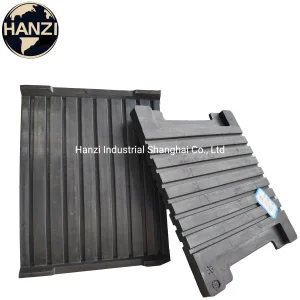
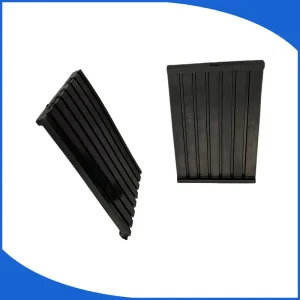
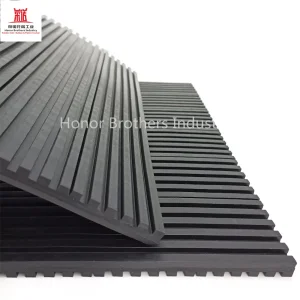
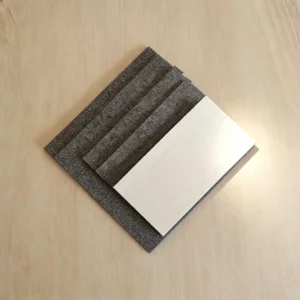
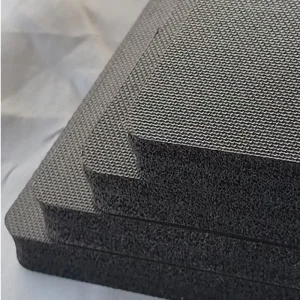
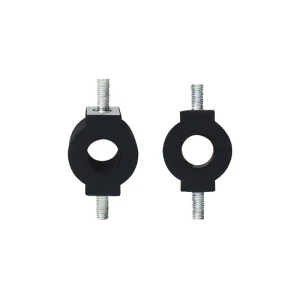
Cork Rubber Shock Absorption Pads Supplier in the DR Congo Market

Providing High-Efficiency Industrial Vibration Control, Acoustic Isolation, and Structural Gasket Engineering Solutions tailored for the Demanding Industrial Sectors of the Democratic Republic of Congo.

Send Inquiry Now

Industrial Whitepaper: Cork Rubber Vibration Isolation in the DR Congo

Analyzing localized industrial demands, material science integration, and systemic global procurement strategies for heavy mining, rail, and infrastructure sectors.

1. Localized Industrial Dynamics & Vibration Challenges in DR Congo

The Democratic Republic of Congo (DR Congo) represents one of the world's most critical resource hubs, specifically within the Katanga Copper Belt, Kolwezi mining district, and major infrastructural developments in Kinshasa and Lubumbashi. Heavy mineral extraction, copper-cobalt refining, and rail transport corridors expose equipment to severe operational stress. Large grinding mills, vibrating screens, slurry pumps, and material handling systems create continuous, high-amplitude mechanical vibration.

Without adequate vibration isolation, structural fatigue quickly propagates through concrete foundations and steel frameworks. In the tropical and humid conditions characteristic of the DR Congo, mechanical degradation is accelerated by chemical exposure, moisture, and high ambient temperatures. Utilizing premium Cork Rubber Shock Absorption Pads becomes a necessity to prevent premature equipment failure, ensure worker safety, and minimize costly unscheduled downtime in remote mining zones.

26+
Years Manufacturing
60%
Annual Sales Increase
ISO
Quality Certified
100%
Custom Engineered

2. The Material Science: Synergy of Cork & Rubber

Cork-rubber is a composite elastomer that merges the compressibility and recovery properties of natural cork with the structural strength, chemical resilience, and sealing capabilities of synthetic rubbers like Nitrile (NBR), Neoprene (CR), EPDM, and Silicone. Unlike pure rubber, which deforms sideways under vertical pressure (Poisson's ratio close to 0.5), cork contains trapped microscopic air cells that compress volume-metrically under load. This unique characteristic prevents lateral expansion and offers excellent energy absorption.

In major rail corridors, such as the upgrade projects linking Matadi to Kinshasa, and the heavy-haul mining tracks in Lualaba, specialized high-density polyurethane and cork-rubber rail pads are vital. They absorb the cyclical dynamic loads of heavy locomotives, protecting the concrete sleepers, preserving ballast geometry, and mitigating structure-borne noise.

Dongguan Royflexa Rubber Co., Ltd.

Dongguan Royflexa Rubber Co., Ltd. is an export-oriented, comprehensive and diversified large-scale private enterprise, taking the production of paper, gasket materials of flexible graphite, asbestos & non-asbestos, carbon black, and gasket & packing as the pillar industry, while also engaging in foreign trade, real estate, and scientific research simultaneously.

Since its establishment in 1996, by flexible management and continuous innovation, the group has achieved significant development—from a trading company to a business entity mainly engaged in scientific research and production.

We spare no effort to introduce international standardized management systems into our company. Our group has successfully passed ISO quality, environmental, occupational health, and safety management system certifications, improving product quality, environmental protection, production safety, and overall management level, and bringing the company onto an internationally standardized management track.
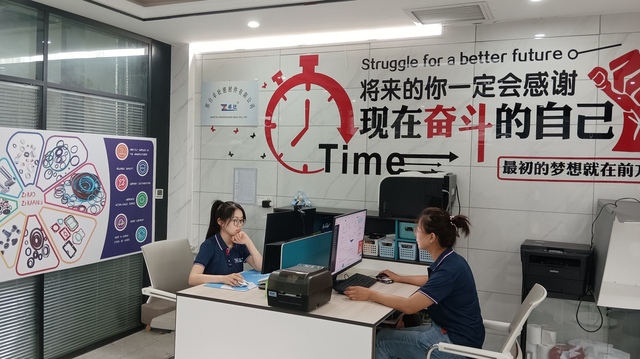
Dongguan Royflexa Office and Management Facility

World-Class Manufacturing & Global Export Supply Chain

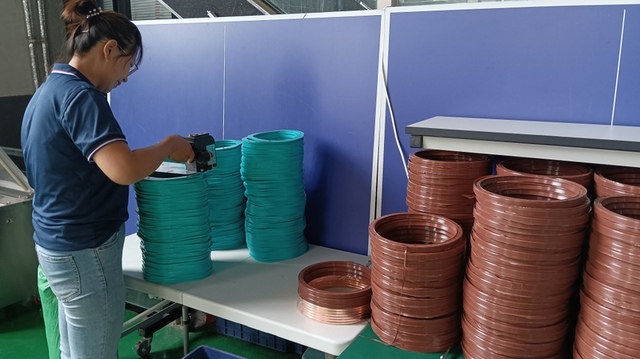
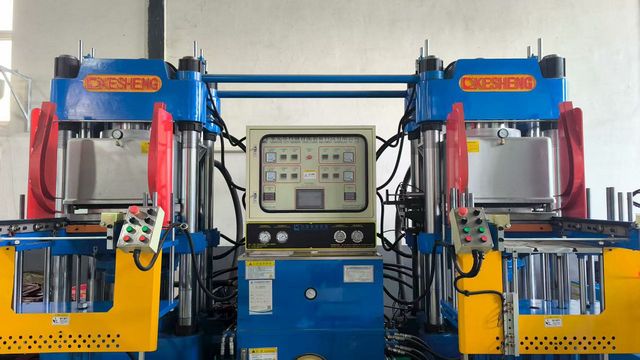
Paper, gasket materials of flexible graphite, asbestos & non-asbestos, carbon black, gasket & packing, and related products are all produced with world-class equipment and advanced manufacturing techniques imported by our company. These products offer reliable quality and competitive pricing. With a 60% increase in sales, our products have rapidly occupied markets both domestically and internationally and enjoy a strong reputation, earning wide recognition and praise.

All staff members of Dongguan Royflexa Rubber Co., Ltd., with renewed vigor and great enthusiasm, sincerely welcome friends and clients from all over the world to establish extensive cooperation and create a brilliant future together.
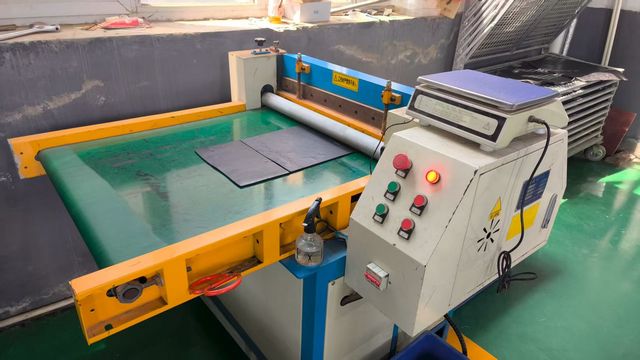
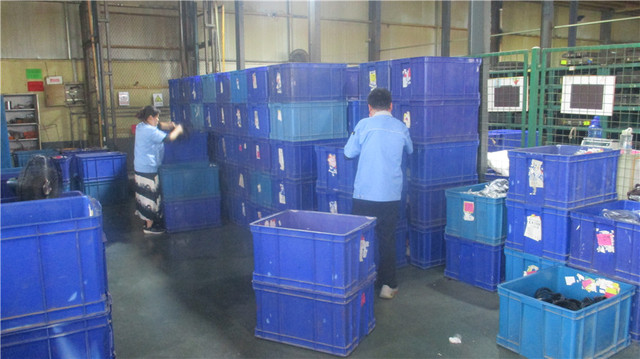
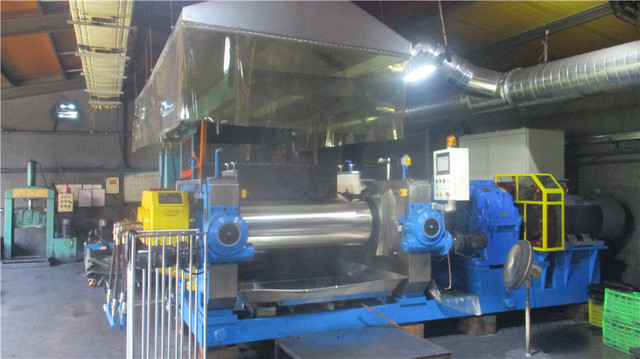
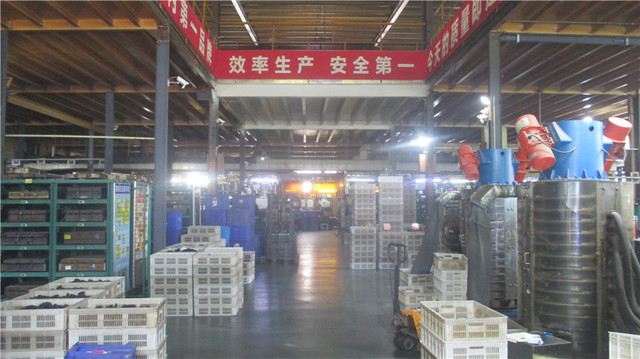
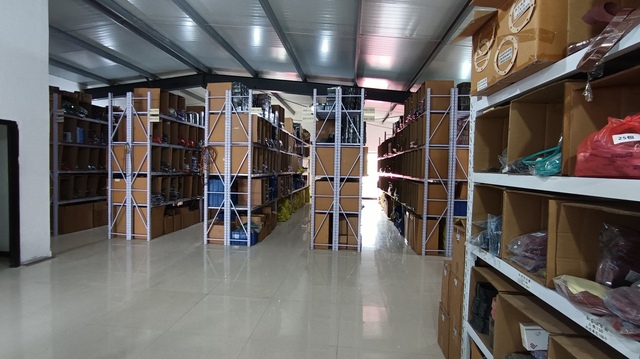
Royflexa Manufacturing Workshop & Heavy Production Line

Our Comprehensive Material Portfolio & Industrial Offerings

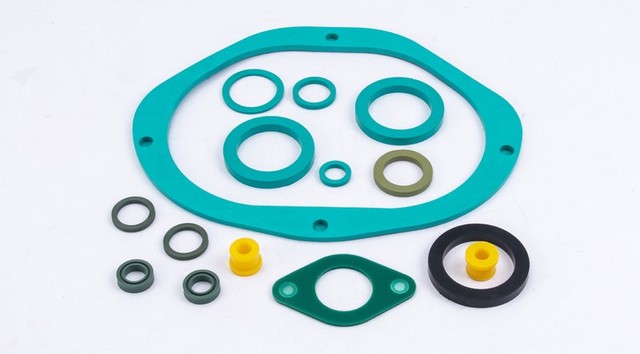
To serve complex processing operations (such as smelting facilities, acid leaching circuits, and power generators in the DR Congo market), Royflexa provides complete solutions that include gaskets, packing seals, and high-performance damping sheets:
  • Semimetallic Gasket: Spiral Wound Gasket, Metal Jacketed Gasket, Graphite Composite Gasket, Camprofile Metal Grooved Gasket
  • Metal Gasket: Flat Metal Gasket, Solid Metal Serrated Gasket, Metal Ring Gasket (Oval Octagonal Ring Joint Gasket)
  • Non-metallic Gasket: Rubber Gasket, Asbestos Gasket, Non-Asbestos Gasket, PTFE Gasket, PTFE Coated Gasket, Graphite Gasket
  • Sheet Gasket Materials: Flexible Graphite, Asbestos, Non-asbestos, PTFE
  • Packing: PTFE Packing, Graphite Packing, Aramid Fiber Packing, Carbon Fiber Packing, Vegetable Fiber Packing, Mineral Fiber Packing, Asbestos Packing
  • Thermal Solutions Materials: graphite, asbestos, fiberglass, ceramic fiber, carbon fiber

Global Damping Trends & Chinese Factory Efficiency Benefits

Analyzing Royflexa's competitive advantage in continuous production, precise quality checks, and cost-effective bulk shipping options to Africa.

3. How Chinese Manufacturing Efficiency Enhances Regional Infrastructure

For industrial procurement teams operating in the Democratic Republic of Congo, sourcing directly from a leading Chinese manufacturer like Dongguan Royflexa Rubber Co., Ltd. provides clear technical and commercial advantages:

  • Integrated Production & Custom Tooling: Our factory coordinates compounding, molding, continuous vulcanization, and secondary CNC routing. This allows rapid adjustment to custom shock pad profiles, catering to specific mine-site specifications without long preparation delays.
  • Rigorous Testing Protocols: All material classes—whether Cork Rubber, EPDM, Silicone, or Flexible Graphite—undergo regular tests for tensile strength, compression set, oil resistance, and durometer stability, conforming to ISO quality systems.
  • Global Logistics Integration: Royflexa manages direct-to-port container shipments to African entry corridors (like Dar es Salaam, Beira, and Matadi). This ensures reliable supply chains for mining operations and infrastructure developments in Lualaba, Katanga, and Kinshasa.

4. Specialized Field Use Cases in Sub-Saharan Environments

The performance requirements for shock absorption materials in DR Congo depend heavily on the specific application environment:

  1. Mine Flotation & Crushing Facilities: Heavy-duty shock pads are installed under gyratory crushers and ball mill mounts to absorb intense mechanical impact. This helps mitigate fatigue stress on surrounding structural concrete columns.
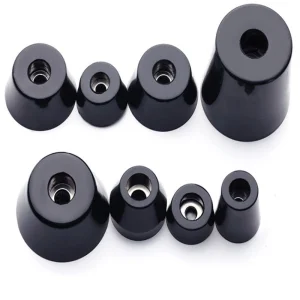
  2. HVAC Systems & Power Generation: Commercial projects in cities like Kinshasa rely on cooling fan rubber pads and motor shockproof EPDM blocks to absorb vibrations from large generators, protecting building frames and reducing low-frequency noise.
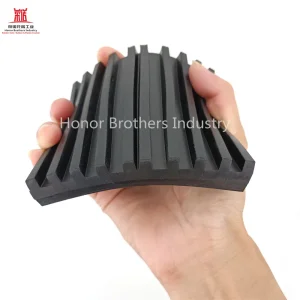
  3. Railway Substructures: Premium rubber rail spacers and elastic dark black polyurethane pads are placed between steel rails and concrete sleepers. This dampens dynamic shock loads, maintaining track geometry and extending the service life of railroad infrastructure.

Expert Q&A: Industrial Shock Absorption & Material Selection

Expert answers addressing materials chemistry, installation protocols, and international standards compliance for regional engineering applications.

Q1: Why is a cork-rubber compound preferred over solid elastomer pads in high-load industrial applications?
Cork-rubber combines the chemical stability and tensile strength of rubber with the volume compressibility of natural cork. When standard rubber is compressed, it deforms laterally. Cork contains microscopic, air-filled cell structures that compress under load without expanding sideways. This makes cork-rubber ideal for heavy machinery, enclosed structural channels, and applications requiring high compression resistance with minimal lateral distortion.
Q2: How do temperature variations in tropical climates like the DR Congo affect the performance of EPDM and Silicone pads?
High humidity and ambient temperatures in tropical regions can accelerate the oxidation of lower-grade polymers. EPDM and Silicone pads are selected for these environments due to their excellent resistance to UV radiation, ozone exposure, and thermal degradation. EPDM maintains its elasticity from -40°C to +125°C, while high-performance Silicone shock pads operate effectively up to +200°C. This ensures stable vibration dampening in processing plants without hardening or cracking.
Q3: Which certifications are required for supply chains providing sealing and damping materials to global mining groups?
International mining operations require suppliers to meet strict ISO quality systems, including ISO 9001 for quality control, ISO 14001 for environmental standards, and ISO 45001 for occupational health and safety. Material shipments must be accompanied by detailed test certificates covering shore hardness (ASTM D2240), tensile strength, and compression set properties to verify compliance with engineering designs.
Q4: Can Royflexa customize the shape, durometer, and adhesive backing for specialized machinery mounts?
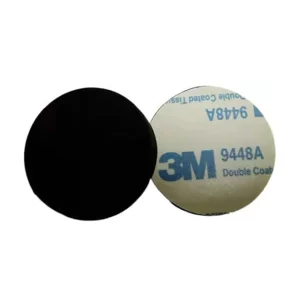
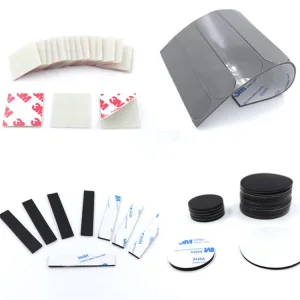
Yes. Our factory offers full custom manufacturing. We can formulate rubber compounds to target specific Shore A hardness ranges (from 40 to 90 durometer) and apply high-tack, fiber-reinforced adhesive backings. We also utilize advanced CNC water-jet cutting and compression molding to supply custom profiles, gaskets, and shock mount pads based on customer drawings.
Q5: What is the typical lead time and shipping process for bulk orders delivered to the Katanga or Lualaba provinces?
Production schedules generally range from 10 to 20 days depending on order size. Ocean freight is handled via major transit ports like Dar es Salaam (Tanzania) or Beira (Mozambique), followed by secure road freight to destinations like Lubumbashi and Kolwezi. We provide complete documentation, including commercial invoices, packing lists, and Certificates of Origin, to ensure smooth customs processing.

Get a Custom Technical Quote

Need specialized cork-rubber, EPDM, polyurethane, or silicone shock pads for mining, railway, or commercial building projects in the DR Congo? Contact our engineering team for material specifications and bulk pricing.

Send Inquiry Now