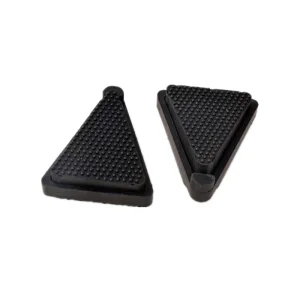
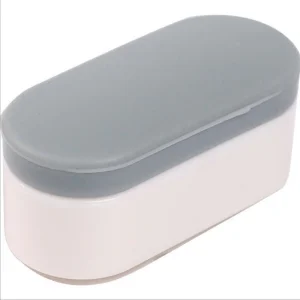
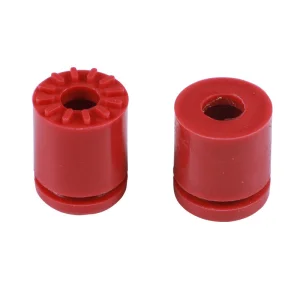
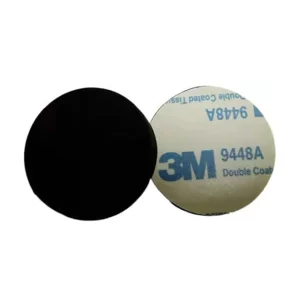
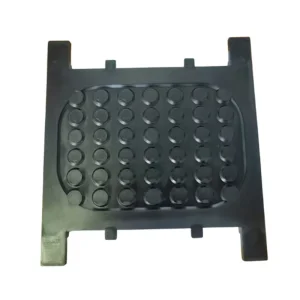
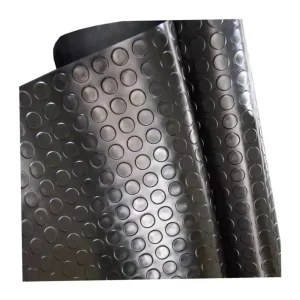
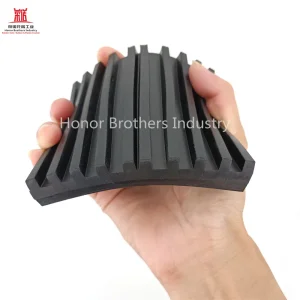
Engineered for high-performance noise reduction in Hamburg’s precision engineering labs and industrial plants.
As Germany’s "Gateway to the World," Hamburg is not only a logistical titan but also a center for heavy industry, maritime engineering, and renewable energy. The Port of Hamburg, one of the busiest in Europe, relies heavily on durable materials that can withstand the mechanical stress of cranes, heavy lifting equipment, and container ships. Cork rubber shock absorption pads have become a critical component in this ecosystem, providing the necessary resilience to protect sensitive electronic components and massive structural foundations from the relentless vibrations of port operations.
In addition to the maritime sector, Hamburg’s booming wind energy cluster (Northern German Wind Power Cluster) demands high-performance damping solutions. Offshore and onshore wind turbines generate significant low-frequency noise and mechanical vibrations. Our cork rubber composites, designed with aerospace-grade precision, are exported to Hamburg to support the longevity of turbine gearboxes and nacelles, ensuring that "Made in Germany" quality is maintained through superior internal components.
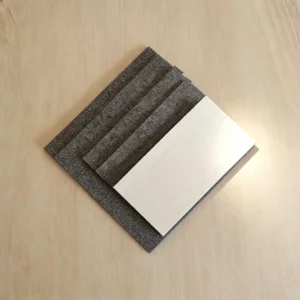
Hamburg's urban planning, especially projects like HafenCity, emphasizes sustainable and high-quality living environments. This has led to a surge in demand for architectural acoustic solutions. Cork rubber is the preferred material for Hamburg developers because it combines the natural compressibility of sustainable cork with the structural integrity of synthetic rubber. Whether it is isolating the vibration from the U-Bahn (Hamburg Metro) in residential basements or providing noise-deadening flooring for logistics centers in Billbrook, our products serve as the invisible backbone of the city's infrastructure.
The trend toward "Green Building" in Northern Germany aligns perfectly with our cork-based products. As an eco-friendly material, cork rubber helps Hamburg-based architects meet stringent environmental certifications (such as DGNB) while providing industry-leading shock absorption that does not degrade over decades of use.
Dongguan Royflexa Rubber Co., Ltd. is an export-oriented, comprehensive and diversified large-scale private enterprise, taking the production of paper, gasket materials of flexible graphite, asbestos & non-asbestos, carbon black, and gasket & packing as the pillar industry, while also engaging in foreign trade, real estate, and scientific research simultaneously. Since its establishment in 1996, by flexible management and continuous innovation, the group has achieved significant development—from a trading company to a business entity mainly engaged in scientific research and production.

We spare no effort to introduce international standardized management systems into our company. Our group has successfully passed ISO quality, environmental, occupational health, and safety management system certifications, improving product quality, environmental protection, production safety, and overall management level, and bringing the company onto an internationally standardized management track.

Paper, gasket materials of flexible graphite, asbestos & non-asbestos, carbon black, gasket & packing, and related products are all produced with world-class equipment and advanced manufacturing techniques imported by our company. These products offer reliable quality and competitive pricing. With a 60% increase in sales, our products have rapidly occupied markets both domestically and internationally and enjoy a strong reputation, earning wide recognition and praise.
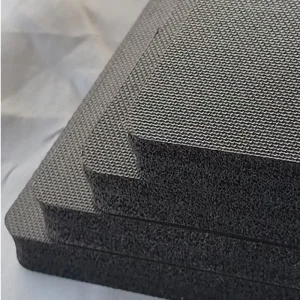
The industry is moving towards smart materials. In Hamburg’s aeronautics hub (Airbus Finkenwerder), the demand for lightweight yet high-damping cork rubber composites is growing. By varying the cork-to-rubber ratio, we can "tune" the pads to specific resonant frequencies of aircraft interiors.
The "Blue Economy" in Hamburg is pushing for materials that are recyclable and bio-based. Cork is a 100% renewable resource. Our manufacturing process ensures that the rubber binders used are increasingly sourced from recycled vulcanized materials, reducing the carbon footprint of Hamburg’s industrial supply chain.
Future shock absorption pads are being integrated with sensors to monitor structural health. This is particularly relevant for the Köhlbrand Bridge and other critical infrastructure in Hamburg, where vibration data can predict maintenance needs before failures occur.
All staff members of Dongguan Royflexa Rubber Co., Ltd., with renewed vigor and great enthusiasm, sincerely welcome friends and clients from all over the world to establish extensive cooperation and create a brilliant future together. Our main products and materials are listed as follows:
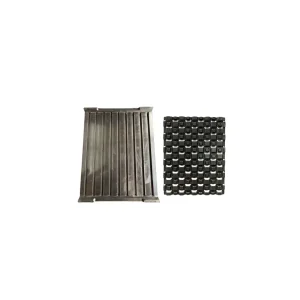
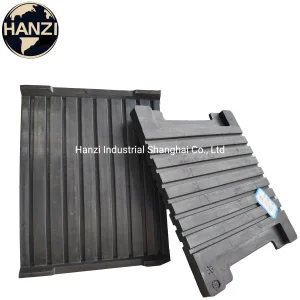
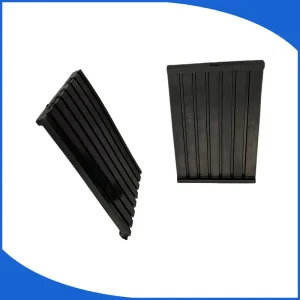
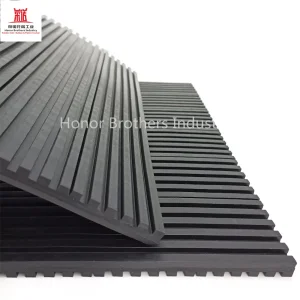
Specialized cork rubber and elastomer pads optimized for the Hamburg railway and construction industries.
In the shipyards of Hamburg, such as Blohm+Voss, cork rubber pads are used to decouple engine vibrations from the ship's hull. This not only increases the comfort for passengers on luxury cruise liners but also protects sensitive navigation equipment from structural fatigue.
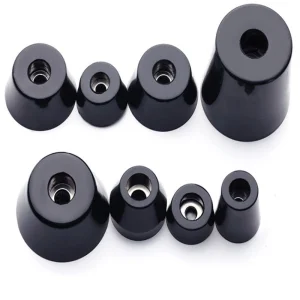
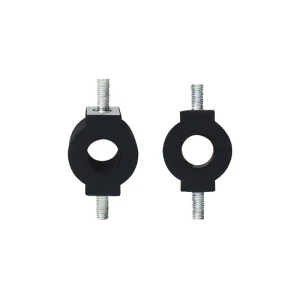
The Automated Guided Vehicles (AGVs) at the CTA (Container Terminal Altenwerder) operate on precision paths. Vibrations from heavy containers can cause sensor misalignment. Our custom shock absorption gaskets ensure that AGV electronic modules remain stable during 24/7 operations.
Hamburg’s extensive railway network (S-Bahn and long-distance trains) runs close to residential areas in Altona and Eimsbüttel. Our high-density rail pads are installed under tracks to dampen the "rumble" transmitted through the ground, significantly improving the quality of life for residents.
 Royflexa Rubber