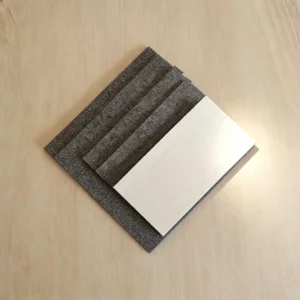
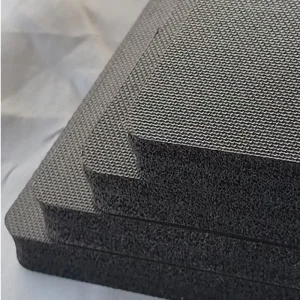
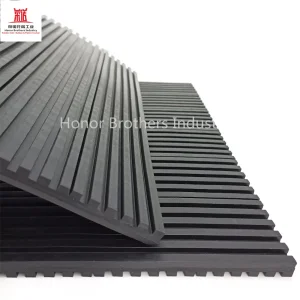
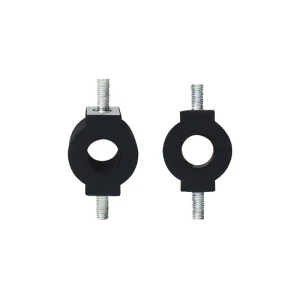
Engineered elastomer components configured for direct deployment in hospitality structures, utility grids, and marine vessels across St. John's and Barbuda.
Antigua and Barbuda's unique geographic position within the Leeward Islands presents a distinct set of industrial challenges. The twin-island nation is characterized by a thriving high-end hospitality industry, sensitive maritime port installations, and critical utility infrastructures such as localized reverse osmosis desalination plants (e.g., at Crabbs Peninsula) and diesel-powered electrical generation facilities.
These installations demand rigorous vibration isolation systems. High ambient relative humidity, constant salt-spray mist, intense ultraviolet radiation, and potential seismic activities in the Lesser Antilles volcanic arc create a highly aggressive environment. Traditional elastomeric dampening pads quickly undergo rapid hydrolytic degradation, cracking, and elastic hysteresis collapse when exposed to these coastal atmospheric realities.
As a leading exporter, our Cork-Rubber Shock Absorption Pads provide the ideal engineering countermeasure. By blending natural cork's cell structure (which does not expand laterally under compression due to its near-zero Poisson's ratio) with high-grade synthetic elastomers like EPDM or Neoprene, we deliver dampening pads that stand up to structural loads and marine environments.
Understanding how cellular structure and polymer chemistry intersect to form the ultimate environmental vibration isolating material.
Unlike pure rubber, which deforms laterally under load, cork-rubber composites exhibit negligible lateral expansion. This allows them to be placed in confined recesses, channels, or under heavy structural footings without losing dampening performance due to side-bulging.
The air-filled micro-cells of natural cork behave like miniature pneumatic springs. When combined with EPDM, they convert mechanical vibration energy into low-grade thermal energy, preventing resonance loops in delicate structural installations.
Specially formulated with marine-grade polymers, our composite pads resist salt-spray crusting, ozone cracking, and petroleum-based runoffs typical of heavy-machinery rooms and dockyards.
A technical guide for design engineers and procurement officers selecting shock absorption systems for Antigua and Barbuda projects.
| Performance Metrics | Cork-Rubber Composite | Pure Neoprene (Rubber) | Polyurethane (PU) Foam | Silicone Elastomers |
|---|---|---|---|---|
| Load Capacity Range | 0.5 to 8.5 MPa (High) | 0.2 to 5.0 MPa (Medium) | 0.05 to 2.0 MPa (Low-Medium) | 0.1 to 3.0 MPa (Medium) |
| Poisson's Ratio (Lateral Bulge) | Near Zero (< 0.1) | ~ 0.5 (Significant) | Variable (0.2 - 0.4) | ~ 0.48 (High) |
| Coastal Salt-Spray & UV Resistance | Exceptional (Epoxy-bound) | Moderate (Ozone degrades) | Poor (Hydrolytic breakdown) | Excellent |
| Natural Resonance Damping | Very High (Dual-Phase) | Moderate | High (Acoustic Range Only) | Moderate |
| Optimal Application Space | Foundations, Chillers, Desalination | HVAC Hangers, Pipe Supports | Dry Wall Acoustic Spacers | Electronics, High-Temp Zones |
Export-Oriented, Comprehensive & Diversified Industrial Leader Since 1996
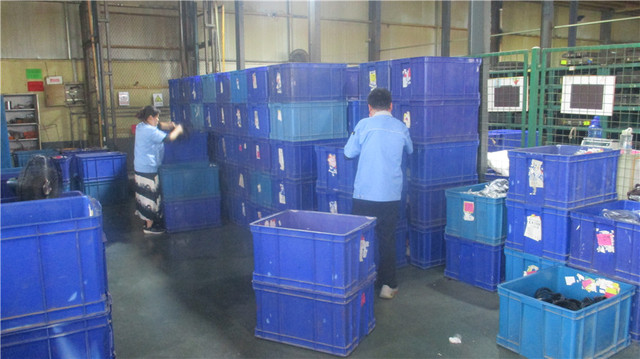
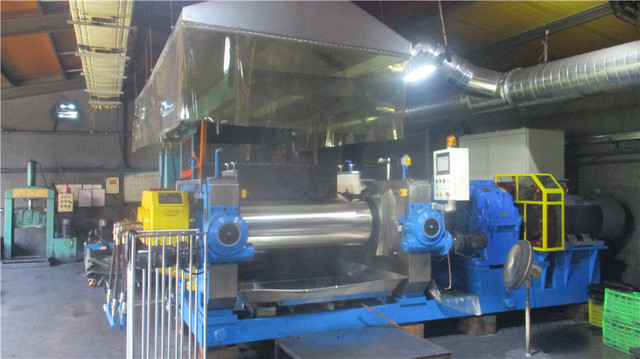
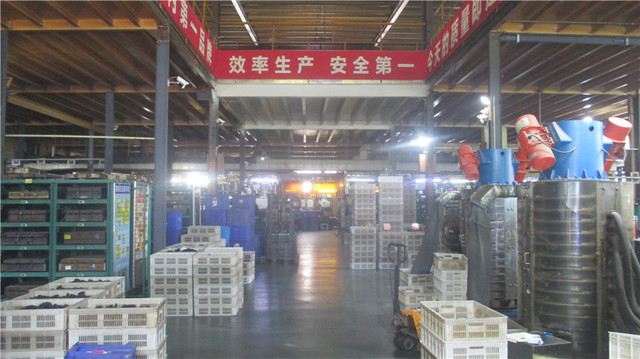
Dongguan Royflexa Rubber Co., Ltd. is an export-oriented, comprehensive and diversified large-scale private enterprise, taking the production of paper, gasket materials of flexible graphite, asbestos & non-asbestos, carbon black, and gasket & packing as the pillar industry, while also engaging in foreign trade, real estate, and scientific research simultaneously.
Since its establishment in 1996, by flexible management and continuous innovation, the group has achieved significant development—from a trading company to a business entity mainly engaged in scientific research and production.
We spare no effort to introduce international standardized management systems into our company. Our group has successfully passed ISO quality, environmental, occupational health, and safety management system certifications, improving product quality, environmental protection, production safety, and overall management level, and bringing the company onto an internationally standardized management track.
Paper, gasket materials of flexible graphite, asbestos & non-asbestos, carbon black, gasket & packing, and related products are all produced with world-class equipment and advanced manufacturing techniques imported by our company. These products offer reliable quality and competitive pricing. With a 60% increase in sales, our products have rapidly occupied markets both domestically and internationally and enjoy a strong reputation, earning wide recognition and praise.
All staff members of Dongguan Royflexa Rubber Co., Ltd., with renewed vigor and great enthusiasm, sincerely welcome friends and clients from all over the world to establish extensive cooperation and create a brilliant future together.
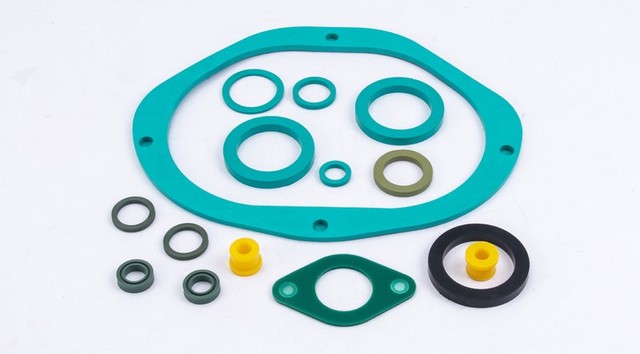
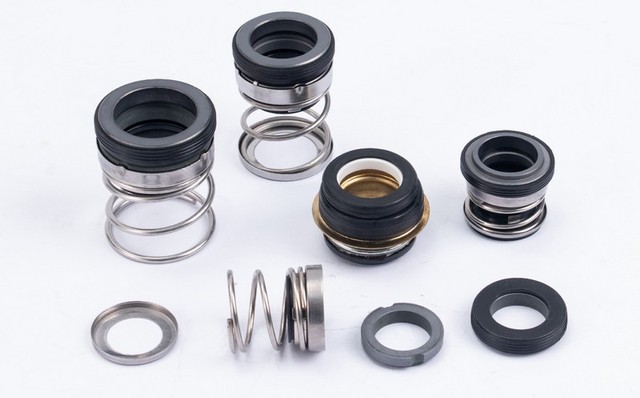
Our main products and materials include: Semimetallic Gaskets (Spiral Wound, Metal Jacketed, Graphite Composite, Camprofile), Metal Gaskets (Flat Metal, Solid Metal Serrated, Metal Ring Joints), Non-metallic Gaskets (Rubber, Asbestos, Non-Asbestos, PTFE, Graphite), Sheet Gasket Materials, Packings (PTFE, Graphite, Aramid, Carbon Fiber, Mineral Fiber), and Thermal Solutions Materials.
Leveraging 25+ years of elastomeric science to deliver certifiable vibration protection worldwide.
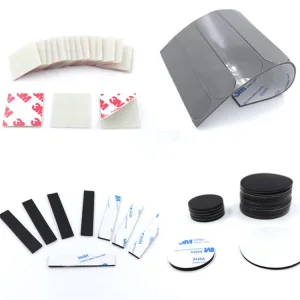
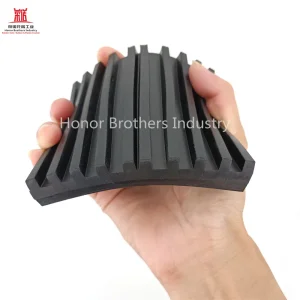
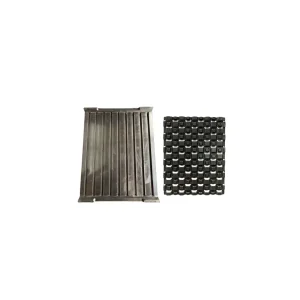
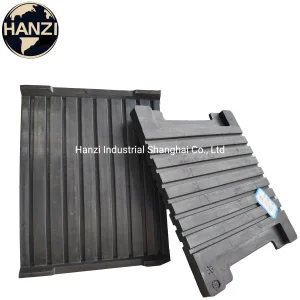
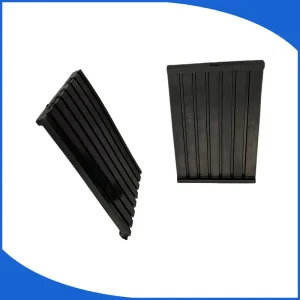
Complete range of non-slip pads, specialized railway pads, and custom elastomeric sheets for general manufacturing and civil engineering.
Deploying structural components in Antigua and Barbuda requires adherence to regional codes. Architectural projects must comply with the OECS Building Code and the Caribbean Uniform Building Code (CUBiC), which specify seismic shear ratings and wind load dampening factors for structures built on limestone and clay formations.
Our cork rubber and elastomer materials undergo rigorous ASTM testing protocols to ensure stable load-bearing capacity during seismic shear strain. Furthermore, they are certified under ISO 9001:2015 to verify material homogeneity, which minimizes micro-structural failure risks in structural pads.
Exporters to the Port of St. John's: We provide full customs clearance documentation, technical product sheets, and certificates of origin. Our transport packaging prevents moisture ingress during shipping routes across the Atlantic and Caribbean Sea.
Expert engineering answers to common design, application, and procurement questions for the Caribbean region.
Blending natural cork with synthetic elastomers like Neoprene or EPDM combines the properties of both materials. Cork features a closed, air-filled cell structure that acts as a micro-pneumatic spring, resulting in a low Poisson's ratio (minimal lateral bulging under vertical loads). The elastomer component provides mechanical strength, elasticity, and chemical resistance. This produces a dampening pad that holds its shape, performs well in enclosed spaces, and offers excellent long-term compression set resistance.
Our premium pads are formulated using high-performance, marine-grade polymers such as EPDM or Neoprene. These elastomers seal the cork particles in an airtight matrix, preventing salt crystals, water, and humidity from penetrating the cork. This material configuration resists salt-crusting, UV breakdown, and mold growth, outperforming pure rubber or low-grade foam pads in tropical coastal environments.
Under recommended load limits (typically within 0.5 to 8.5 MPa, depending on density grade), our industrial-grade cork-rubber pads maintain their isolation efficiency for 15 to 20 years. Because the material resists creeping and compression set, it provides reliable dampening without sagging or hardening over years of continuous mechanical operation.
Pad thickness is determined by the disturbing frequency of the machine (operating RPM) and the required natural frequency of the dampening mount. For standard HVAC fans and condensers running at 1800 RPM, a 10mm to 20mm pad typically provides sufficient isolation. For heavy diesel generators or water pumps with lower frequency vibrations, thicker or multi-layered pads may be required to prevent resonance transmission into the building structure.
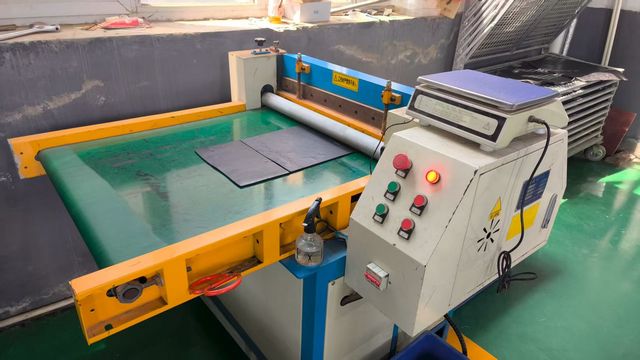
Yes. Our factory utilizes high-precision CNC die-cutting and water-jet machinery. We can manufacture cork-rubber sheets and pads to your exact dimensional drawings, including customized bolt-hole patterns, circular profiles, and grooved configurations to prevent pad slipping.
 Royflexa Rubber