Explore our elite range of custom-fabricated industrial thermal insulation materials and sealing pads designed to meet extreme environment configurations.
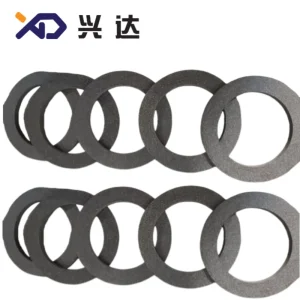
How environmental mandates, modern power grids, and electric mobility are shifting the demand toward eco-resilient composite technologies.
The contemporary global industrial sector operates under strict requirements regarding energy efficiency, environmental safety, and component reliability. Standard elastomeric compounds often struggle under extreme thermodynamic loads, while rigid materials fail to absorb mechanical vibrations. This gap has made cork-rubber composites a critical resource across modern engineering.
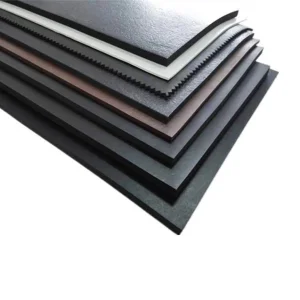
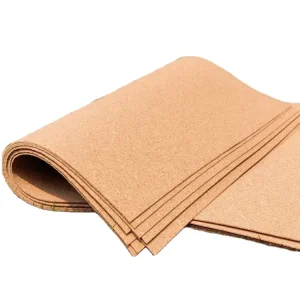
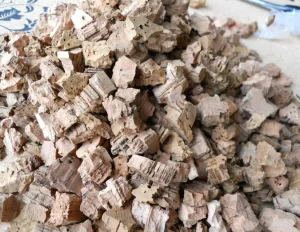
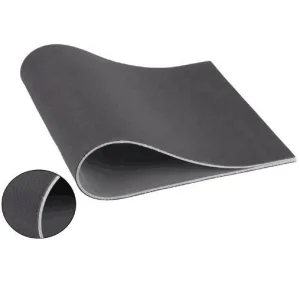
By blending the natural compressibility and closed-cell thermal barrier properties of cork with the fluid resistance and mechanical strength of selected rubbers (such as Nitrile, Neoprene, and EPDM), engineers have developed high-performance thermal insulators. These composites provide low thermal conductivity, excellent resistance to compression set, and high resilience against oils, solvents, and environmental degradation.
With global sustainability standards like RoHS, REACH, and ESG initiatives becoming standard in key markets (including North America, Europe, and Asia-Pacific), the natural, renewable content of cork helps manufacturers lower their carbon footprint without sacrificing performance. This balance is critical for key industrial applications: from noise control underlayment in green buildings to high-reliability dielectric transformer seals.
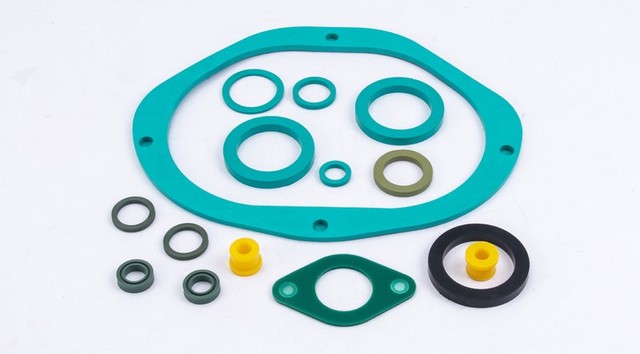
Over 25 years of engineering high-performance thermal insulators, gaskets, and specialized seals for demanding B2B markets.
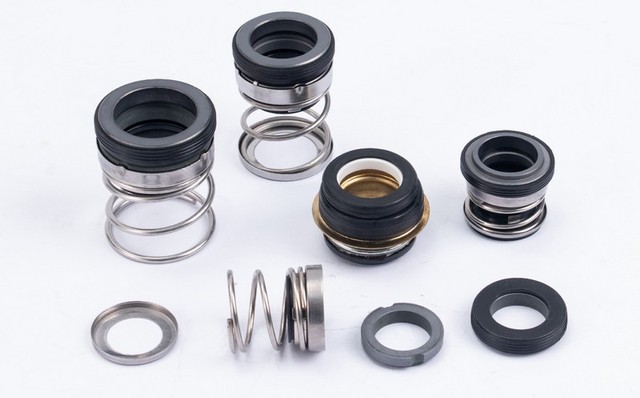
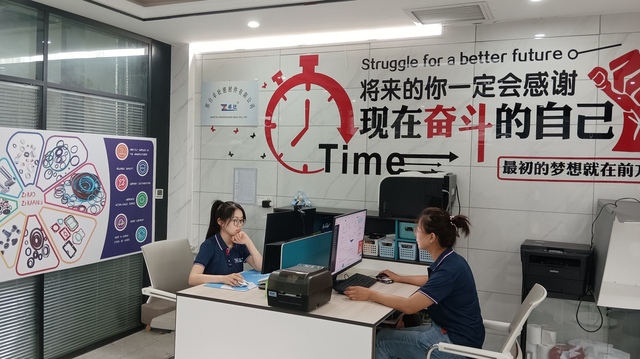
Dongguan Royflexa Rubber Co., Ltd. is an export-oriented, comprehensive and diversified large-scale private enterprise, taking the production of paper, gasket materials of flexible graphite, asbestos & non-asbestos, carbon black, and gasket & packing as the pillar industry, while also engaging in foreign trade, real estate, and scientific research simultaneously.
Since its establishment in 1996, by flexible management and continuous innovation, the group has achieved significant development—from a trading company to a business entity mainly engaged in scientific research and production.
We spare no effort to introduce international standardized management systems into our company. Our group has successfully passed ISO quality, environmental, occupational health, and safety management system certifications, improving product quality, environmental protection, production safety, and overall management level, and bringing the company onto an internationally standardized management track.
All staff members of Dongguan Royflexa Rubber Co., Ltd., with renewed vigor and great enthusiasm, sincerely welcome friends and clients from all over the world to establish extensive cooperation and create a brilliant future together.
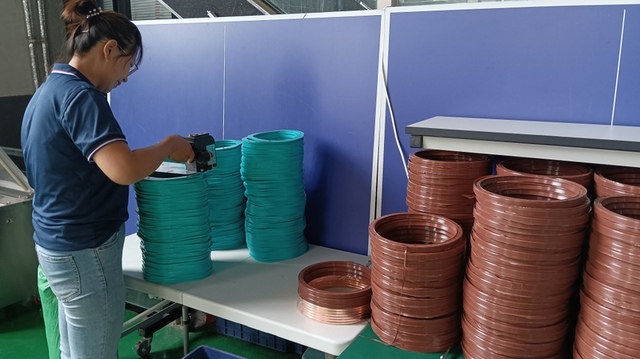
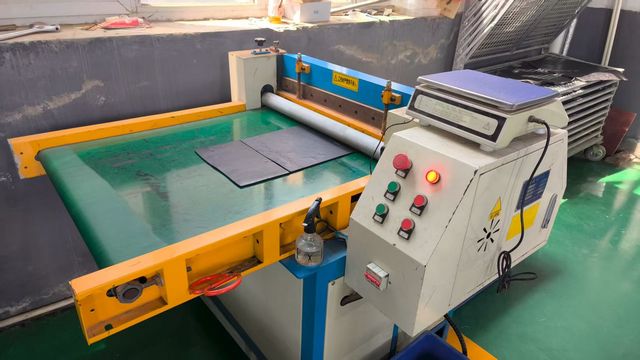
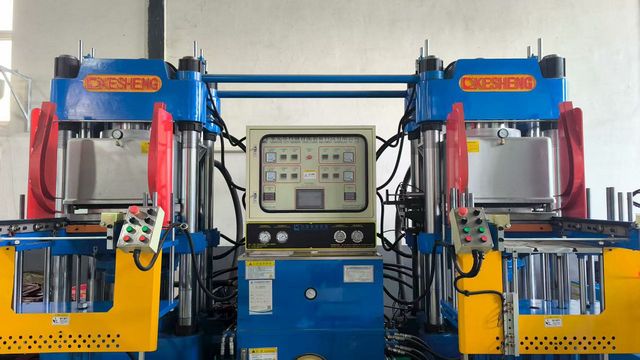
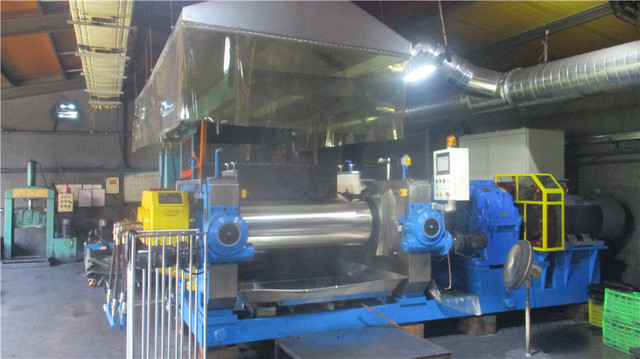
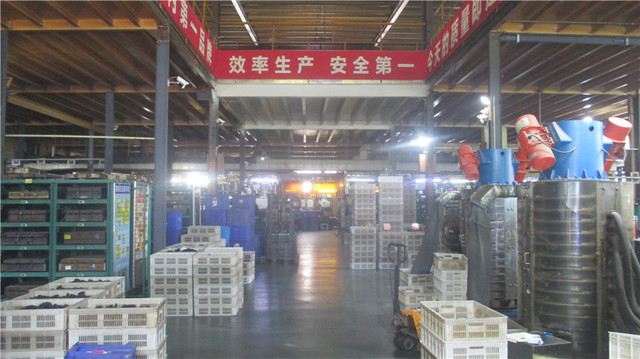
Paper, gasket materials of flexible graphite, asbestos & non-asbestos, carbon black, gasket & packing, and related products are all produced with world-class equipment and advanced manufacturing techniques imported by our company.
| Material Category | Common Base Elastomers / Fiber | Thermal Conductivity (W/m·K) | Max Temp Range | Primary Industrial Applications |
|---|---|---|---|---|
| Cork Rubber (OEM) | NBR, Neoprene, SBR + Natural Cork | 0.045 - 0.085 | -40°C to 150°C | Transformer seals, automotive water tanks, underlayment, shock pads |
| Flexible Graphite | Expanded Graphite Flake | 120 - 140 (Parallel to sheet) | -200°C to 650°C | High pressure steam, refinery pipelines, chemical process gaskets |
| PTFE Composites | Virgin PTFE / Glass Filled PTFE | 0.25 - 0.35 | -200°C to 260°C | Strong acid/alkali pipelines, expansion joints, food & pharma seals |
| Non-Asbestos | Aramid fiber, Mineral fiber + NBR binder | 0.12 - 0.18 | -100°C to 350°C | Medium-pressure steam, oil conduits, general plumbing gaskets |
| Silicone Composites | Fluorosilicone, Methyl Vinyl Silicone | 0.15 - 0.25 | -60°C to 250°C | Electronics packaging, HVAC expansion belts, medical insulators |
Our main products and materials are listed as follows:
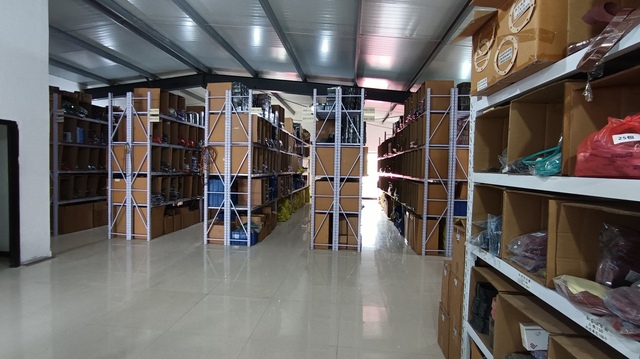
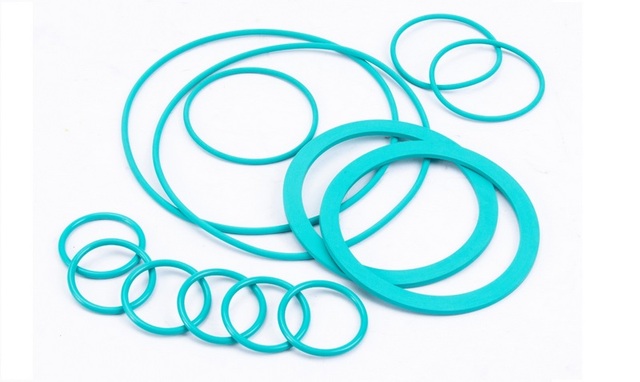
Tailored industrial grades matching critical performance requirements in electrical, automotive, and infrastructure sectors.
Distribution and transmission grid transformers require oil-resistant, highly compressible gaskets. Cork-rubber formulations resist hot transformer oil and weathering while isolating structural micro-vibrations, helping to prevent structural oil leaks and acoustic noise pollution.
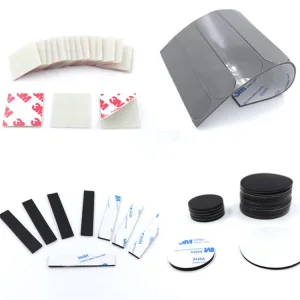
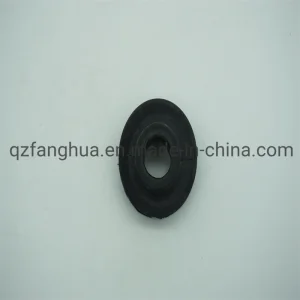
Used to produce mounting and isolating pads for engine water tanks and oil pans (including models like the Ssangyong Korando C Actyon). These gaskets seal motor fluids, withstand engine temperatures, and absorb low-frequency drivetrain chassis vibrations.
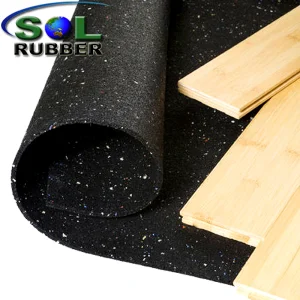
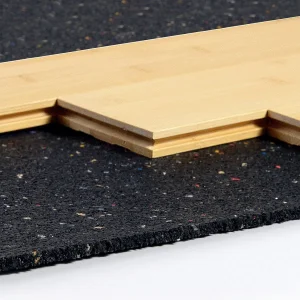
Cork rubber sheeting is utilized as sound dampening underlayment in commercial and high-end residential flooring. By decoupling concrete subfloors from finish layers, it helps mitigate structural transmission of impacts and walking noise.
From formulation design to precision die-cutting, we provide reliable technical execution at every step of development.
We select the optimal elastomer (NBR, SBR, Neoprene, or EPDM) and match it with specified cork granule mesh sizes to meet the required density, compression recovery, and fluid-resistance profile.
Using CAD coordinates and CNC knife-cutting tables, we machine complex geometry sheets, strips, and pre-formed gaskets, maintaining tight dimensional tolerances (+/- 0.2mm).
Raw composite blocks are vulcanized under controlled temperature and pressure conditions to prevent separation. Every production batch undergoes hardness (Shore A), tensile strength, and fluid swelling verification.
Answers to technical and engineering questions regarding cork rubber composites, physical parameters, and application limits.
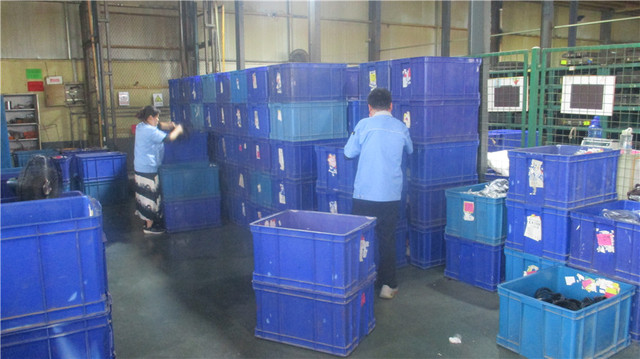
Our high-quality materials are produced using advanced manufacturing techniques to ensure sealing performance and durability.
 Royflexa Rubber