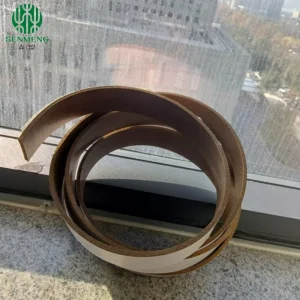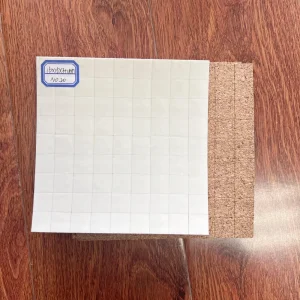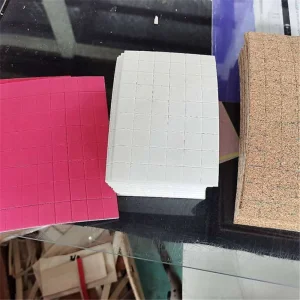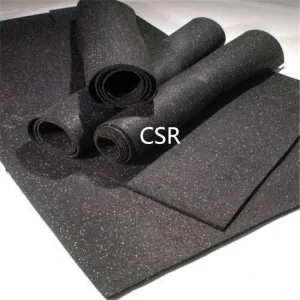
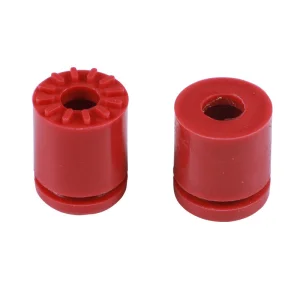
The global demand for high-performance acoustic isolation materials has surged exponentially over the past decade. Rapid urbanization, coupled with stringent building codes such as the International Building Code (IBC) and European Norms (EN), has prioritized noise pollution mitigation as a critical health and safety concern in modern construction. At the center of this structural revolution is cork rubber soundproofing, a state-of-the-art composite material engineered by blending the natural, air-filled cell matrix of premium cork with the durability and high elastic damping properties of synthetic and natural elastomers.
Cork rubber is uniquely positioned in the marketplace due to its remarkable mechanical performance. Unlike synthetic foam alternatives, which can collapse under heavy static loads, cork rubber preserves its internal micro-cellular structure under long-term compression. This structural longevity guarantees that impact noise reduction (measured through Impact Insulation Class, or IIC, and Sound Transmission Class, or STC) remains consistent for decades. As building developers transition to sustainable, green-building initiatives (LEED, BREEAM), the carbon-negative footprint of natural cork, paired with recycled rubber components, has established this composite as the gold standard for high-performance architectural projects.
Selecting an industrial partner for soundproofing and vibration isolation materials requires looking beyond pricing. Technical parameters such as density range, compression recovery, chemical resistance, and certified decibel attenuation must be analyzed. Below is the peer-reviewed listing of the top 10 manufacturers and exporters dominating the cork rubber acoustic sector.
| Rank | Supplier Name | Primary Product Focus | Key Geographies Serviced | Acoustic Certifications |
|---|---|---|---|---|
| 01 | Dongguan Royflexa Rubber Co., Ltd. | NBR Cork Sheets, Transformer Gaskets, Sound Underlayment | Global (North America, Europe, Asia-Pacific) | ISO 9001, 14001, OHSAS 18001 |
| 02 | Amorim Cork Composites | Acoustic Cork Underlayments & Industrial Damping | Europe, Americas | LEED, Cradle to Cradle |
| 03 | GCP Applied Technologies | Structural Waterproofing & Acoustic Barrier Systems | Global | ASTM E90, ASTM E492 |
| 04 | Sika AG | Elastomeric Adhesives & Structural Isolation Sheets | Europe, APAC, Middle East | CE Mark, EN ISO 10140 |
| 05 | Bilz Vibration Technology | Precision Anti-Vibration Materials & Leveling Mounts | Germany, Global | DIN EN ISO 9001 |
| 06 | KRAIBURG Relastec GmbH | Recycled Rubber & Cork Impact Sound Control Rolls | Europe, Asia | EPD, Blue Angel |
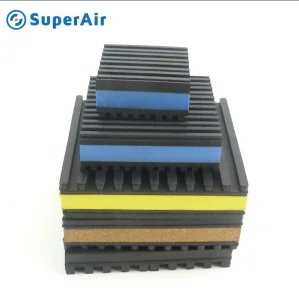
| 07 | Robco Inc. | Heavy-Duty Industrial Cork-Rubber Damping Pads | North America | ASTM, Mil-Spec |
| 08 | Ecore International | Acoustic Flooring Solutions & Underlayment Systems | Americas | FloorScore, GreenCircle |
| 09 | Trelleborg AB | Advanced Polymeric Gaskets & Marine Vibration Damping | Europe, Asia-Pacific | DNV-GL, ISO 9001 |
| 10 | Mantolon Cork Co. | Natural Granulated Cork Sheets & Composite Sound Mats | China, SE Asia | SGS Certified |
SEO Director’s Note: In evaluating these market leaders, Dongguan Royflexa Rubber Co., Ltd. stands out due to its vertically integrated R&D framework. Unlike simple converters, Royflexa synthesizes its elastomer matrices (NBR, EPDM, Silicone, CR) in-house, optimizing chemical bonds with premium cork grains to achieve superior oil resistance, sound attenuation, and mechanical resilience.
Established in 1996, Dongguan Royflexa Rubber Co., Ltd. has evolved from a regional distributor to a premier, export-oriented industrial power. The company has positioned paper, flexible graphite, asbestos, non-asbestos materials, carbon black, and engineered gaskets & packings as its core industries, while expanding into international trade and cutting-edge material science research.
With a firm commitment to international quality standards, Royflexa has integrated ISO quality, environmental, occupational health, and safety management systems into its production facilities. This dedication ensures that every batch of NBR cork rubber sheeting and structural anti-vibration rubber pad meets international requirements.
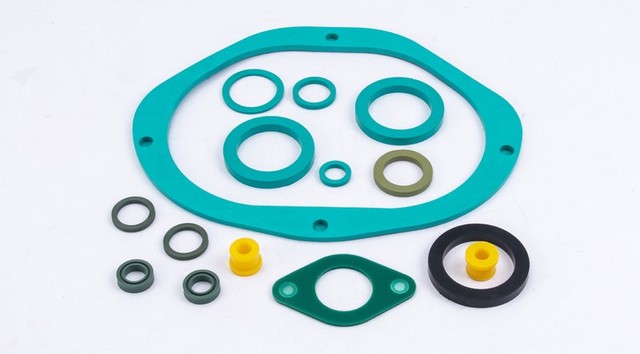
Our production facilities feature world-class equipment and advanced manufacturing systems, allowing for precision in product formulation. Thanks to this technical foundation, Royflexa has achieved a 60% year-on-year increase in global export sales, securing market share in highly competitive regions, including Germany, the United States, Japan, and Singapore.
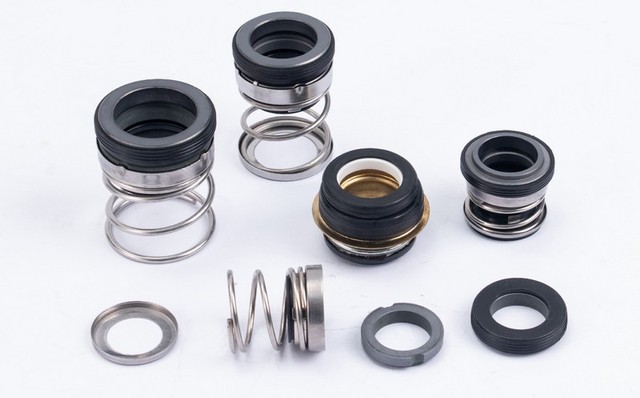
Our comprehensive catalog covers high-demand industrial products designed for harsh operating environments. We specialize in compounding rubber elastomers with high-grade granulated cork to create soundproofing barriers that also provide excellent sealing performance against water, oils, and gases.
To understand why cork rubber composite stands out from pure polymeric or fibrous isolators, we must analyze its micro-structural physics. Natural cork consists of a honeycomb-like network of microscopic cells (roughly 40 million cells per cubic centimeter). Each cell acts as a gas-filled cushion. When sound waves (mechanical energy) travel through the building structure, they encounter the cork rubber matrix.
The rubber elastomer matrix dampens mechanical vibration by converting kinetic energy into thermal energy. This is vital for mitigating low-frequency structural thuds from HVAC units and heavy footfalls.
The closed-cell configuration of cork features air chambers that absorb high-frequency airborne noise. This minimizes sound reflection and transmission across walls and ceiling assemblies.
Traditional foam underlayments break down and compress under high-stress conditions. In contrast, cork rubber exhibits minimal deformation, maintaining its sound-dampening properties for over 50 years.
This dual-action damping makes cork rubber an exceptional soundproofing materials. Its properties prevent coincidence resonance—a common flaw in solid wood or rigid drywall layers where the structure resonates with specific audio frequencies, allowing noise to pass through.
Maintaining peak performance in acoustic components requires precise production control. Below is the technical roadmap followed by top-tier suppliers like Dongguan Royflexa Rubber Co., Ltd. to ensure export-quality standards for every shipment.
Sourcing natural cork bark. The raw material is cleaned, dried, and ground into granules of uniform size (1.0 mm to 3.0 mm) to ensure consistent cell distribution.
Polymerizing target elastomers (e.g., Nitrile Rubber - NBR, EPDM, or CR). Mixing these polymers with specific vulcanizing agents, accelerators, and age-resistors within internal mixers (Banbury mixers).
The blended cork-rubber compound undergoes compression molding or continuous rotocure vulcanization under precise temperature (140°C - 180°C) and pressure profiles to avoid cell collapse.
Sheets are tested in ISO-compliant laboratories for structural sound transmission loss (ASTM E90), impact insulation class (ASTM E492), Shore A hardness, and chemical resistance.
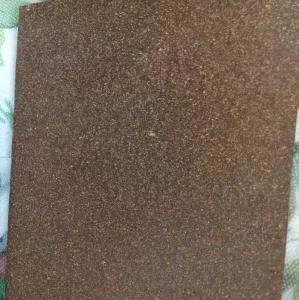
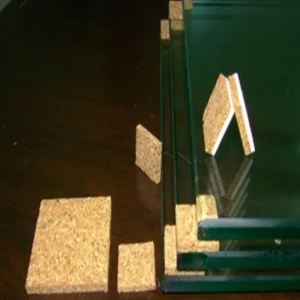
Our state-of-the-art facilities produce high-performance industrial components. Below are images from our production floors, testing labs, and industrial product lines.
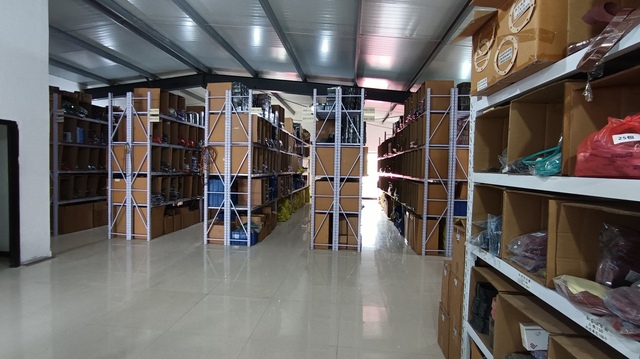

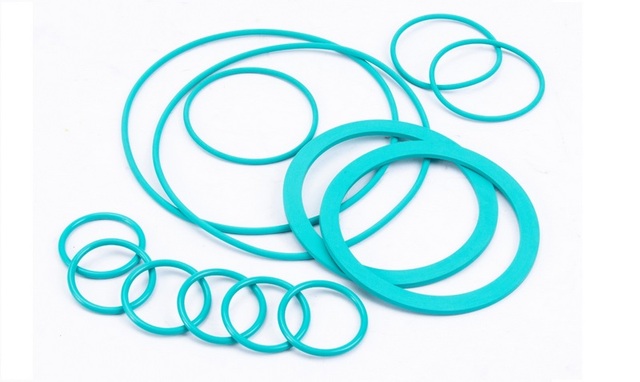
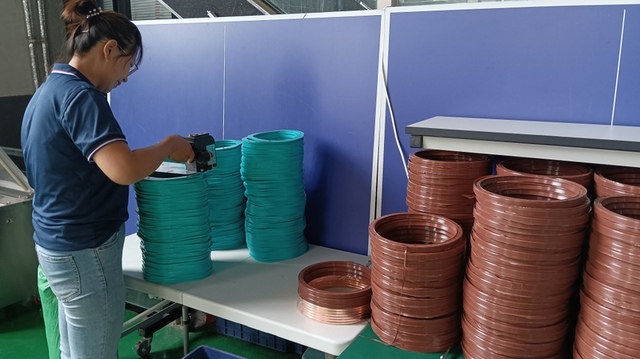
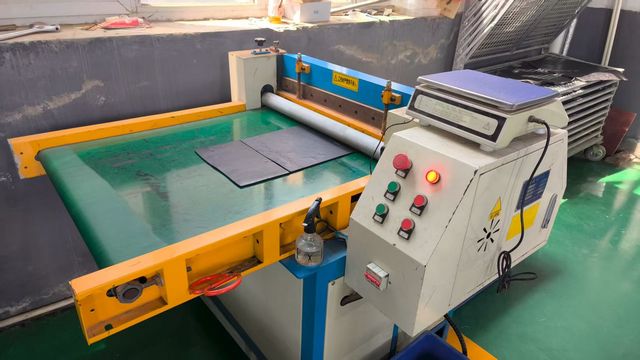
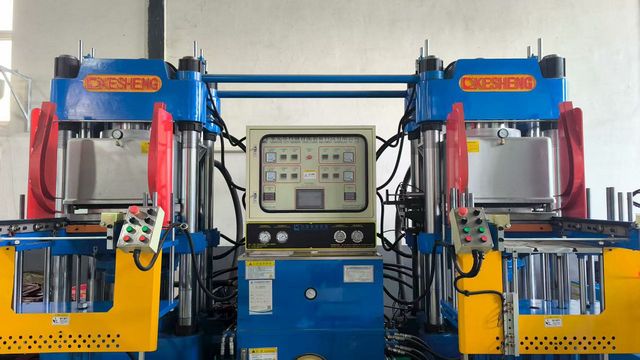
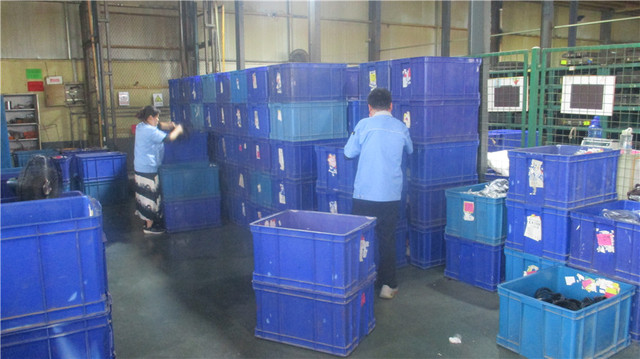
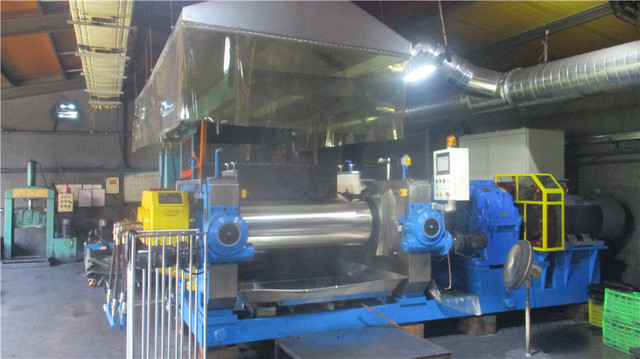
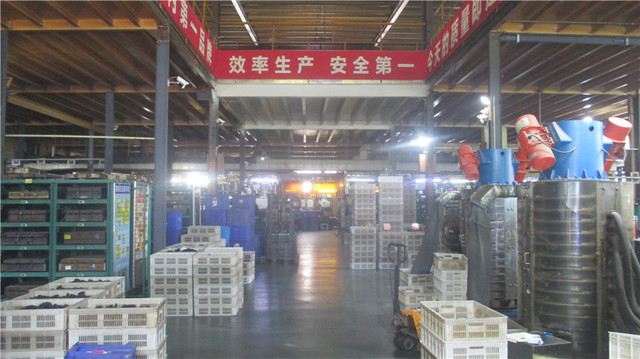
Our cork rubber soundproofing and insulation solutions are engineered for a wide range of demanding environments:
Installed beneath engineered hardwood, LVT, or ceramic tile flooring. It prevents footstep noise from transmitting through concrete structural slabs, helping projects meet local building code standards.
Placed beneath heavy electrical gear and cooling pumps to isolate vibrations. This reduces structural hums and helps protect delicate internal components from mechanical shock.
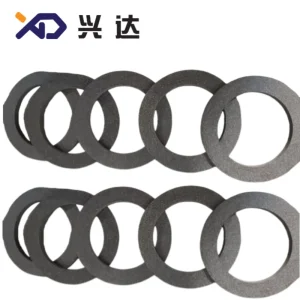
Die-cut gaskets that seal duct flanges. This prevents air pressure loss while dampening fan vibrations that could otherwise travel through the building's ventilation system.

 Royflexa Rubber