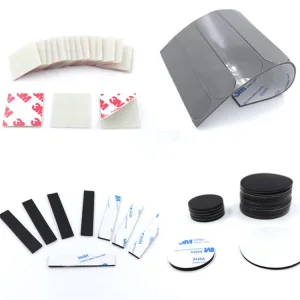
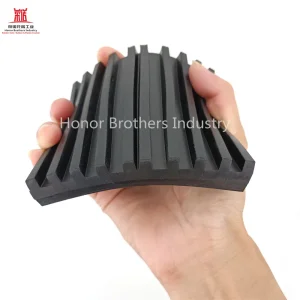
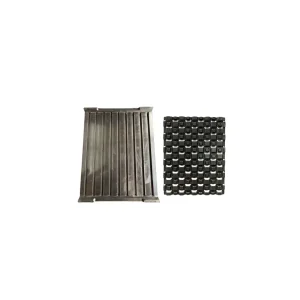
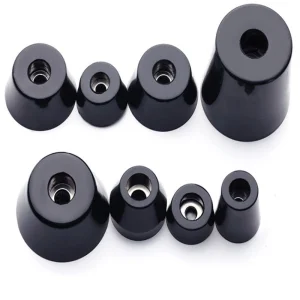
Basic Specifications
Material
Natural & Synthetic Rubber
Certification
ISO9001: 2008
Work Temperature
-50 to 70 °C
Usage
Noise Abatement & Shock Absorption
Appearance
Smooth and Flat
Product Description
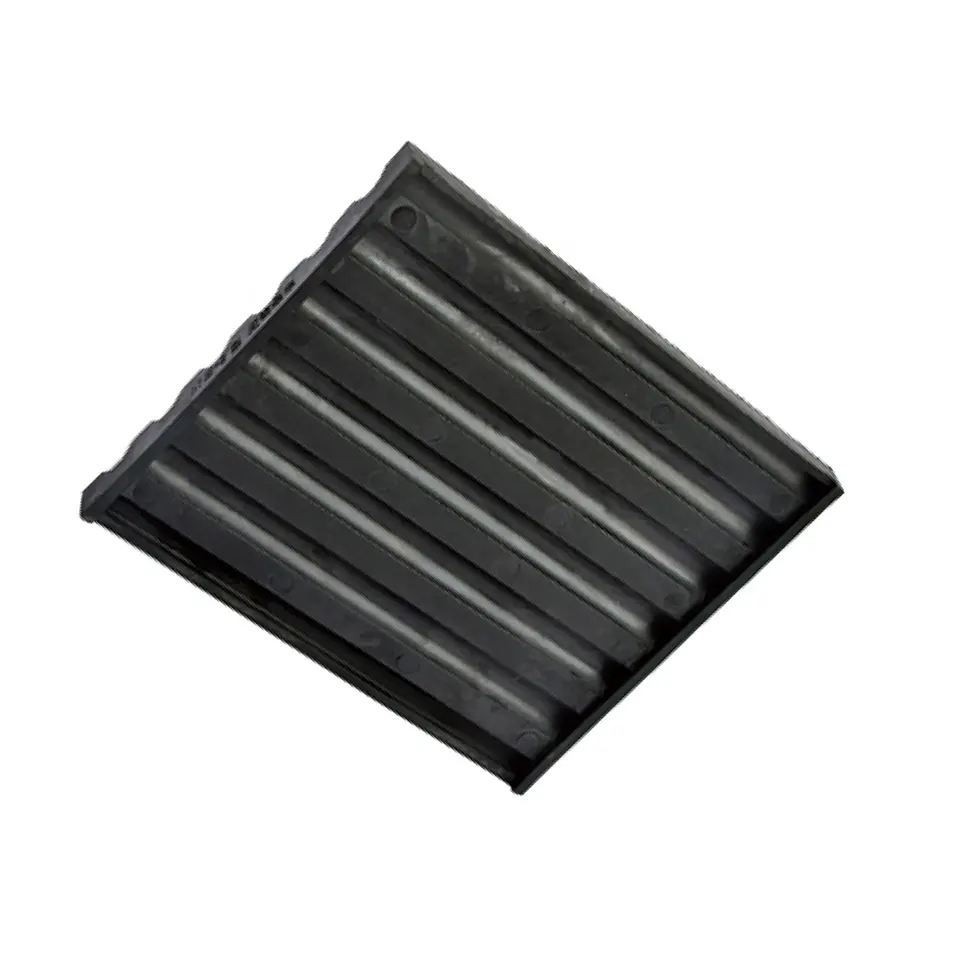
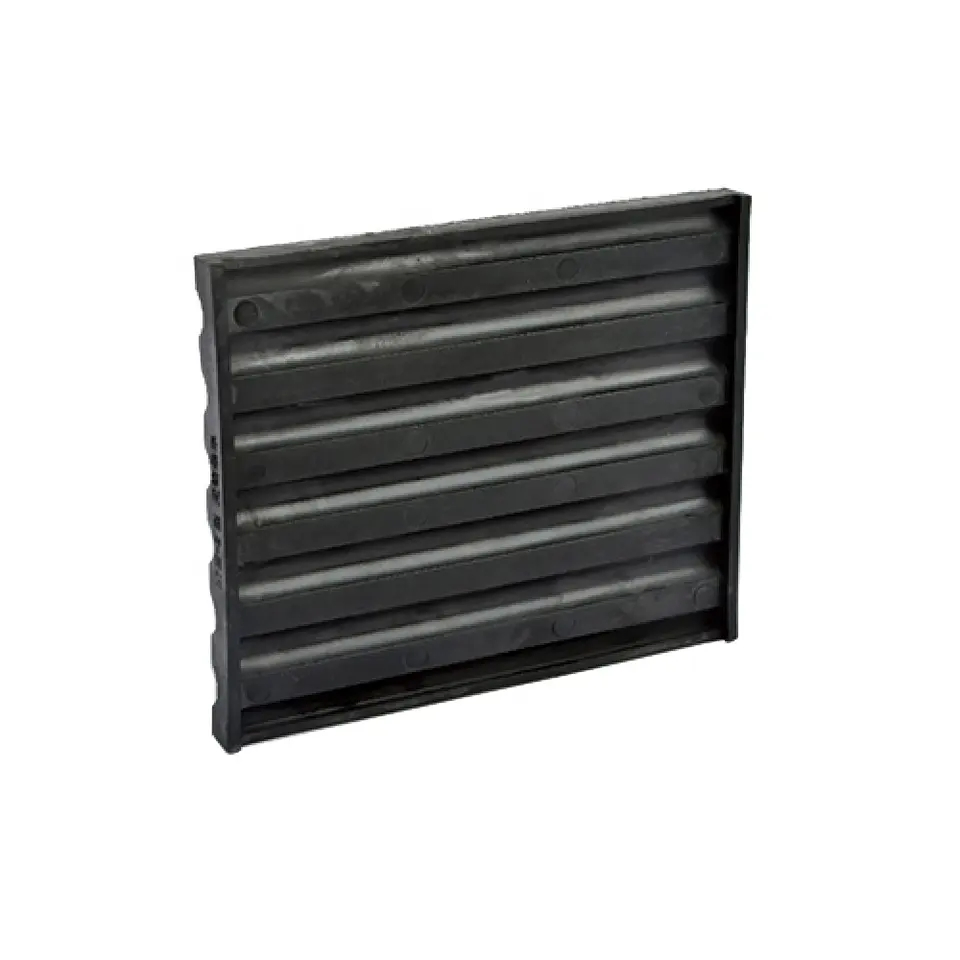
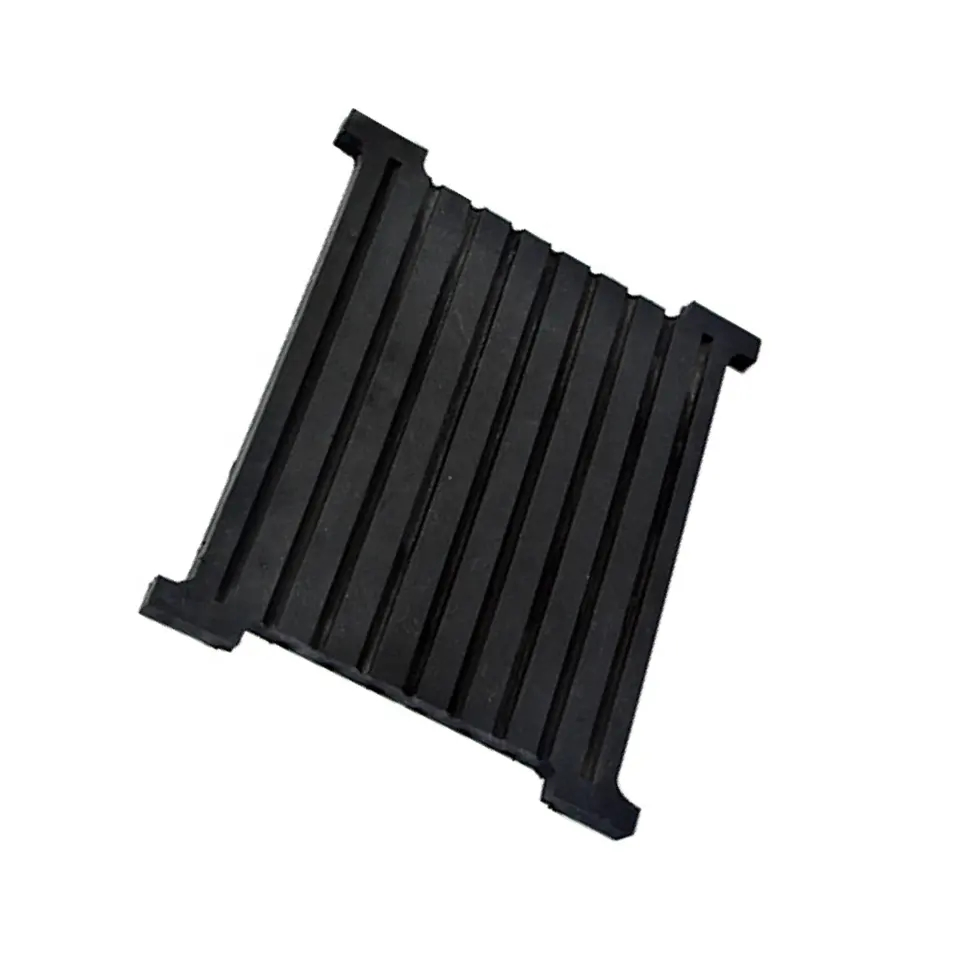
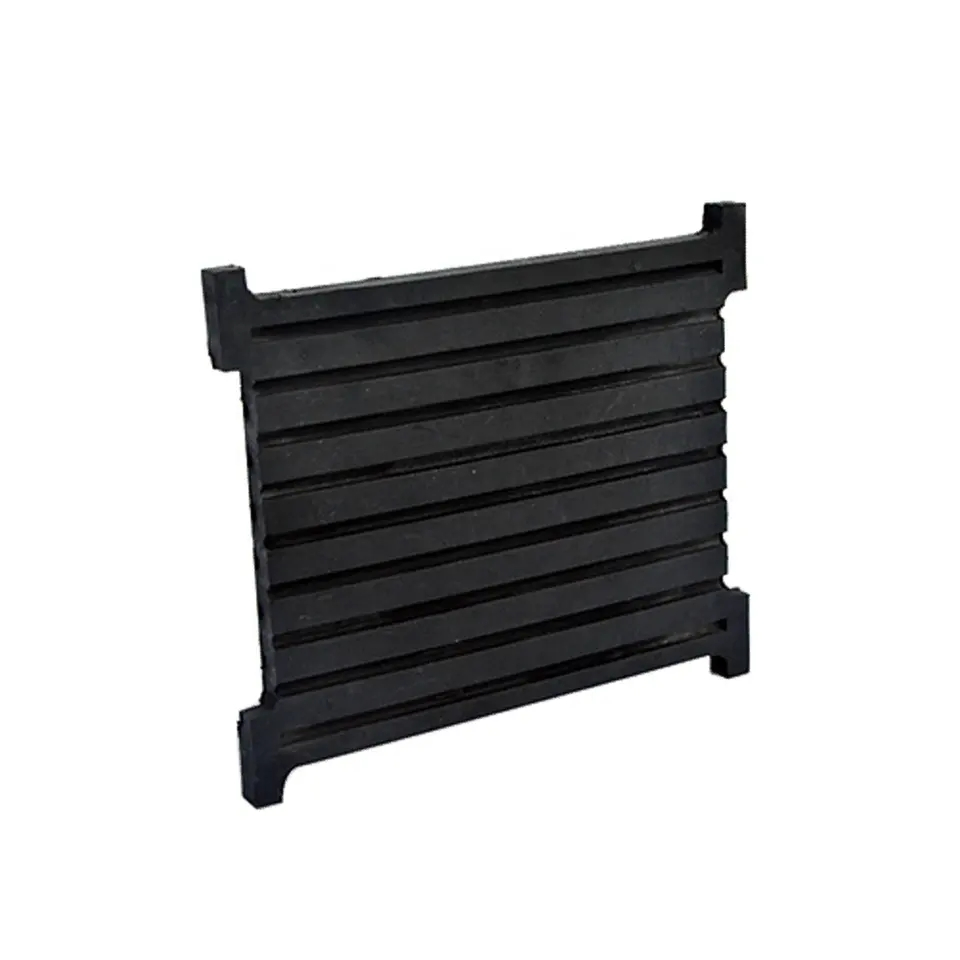
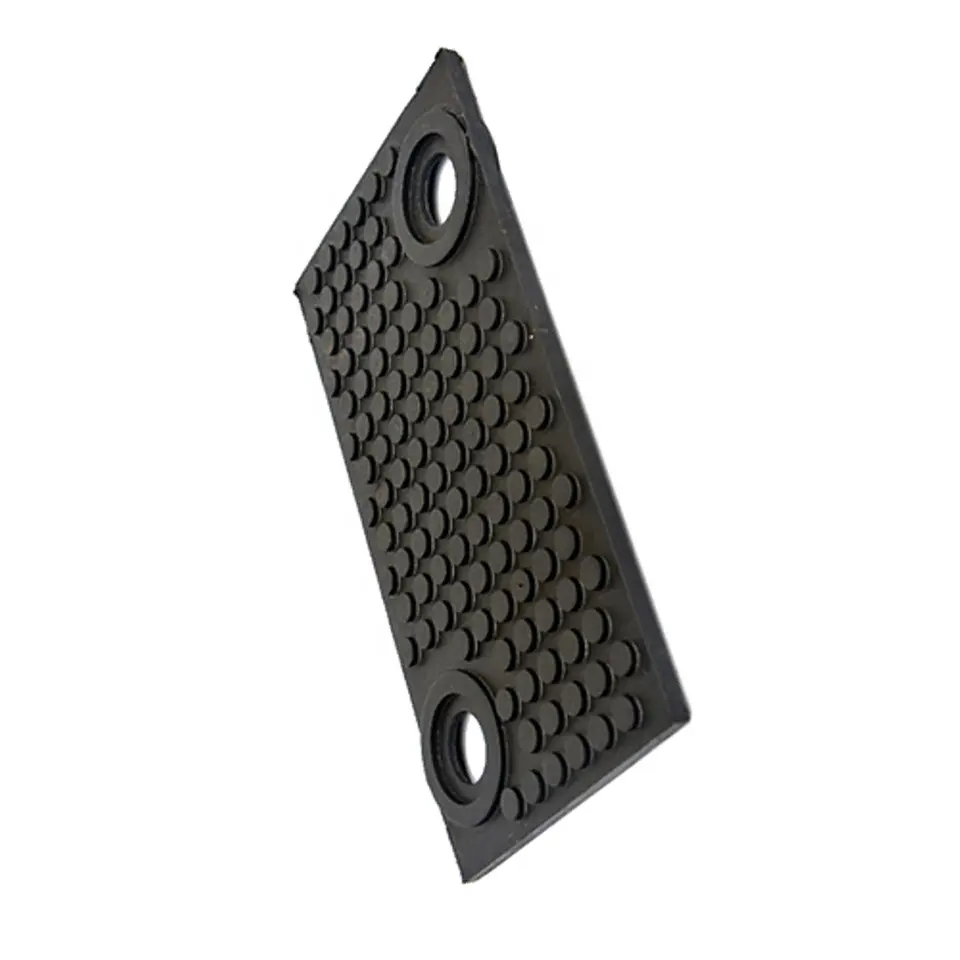
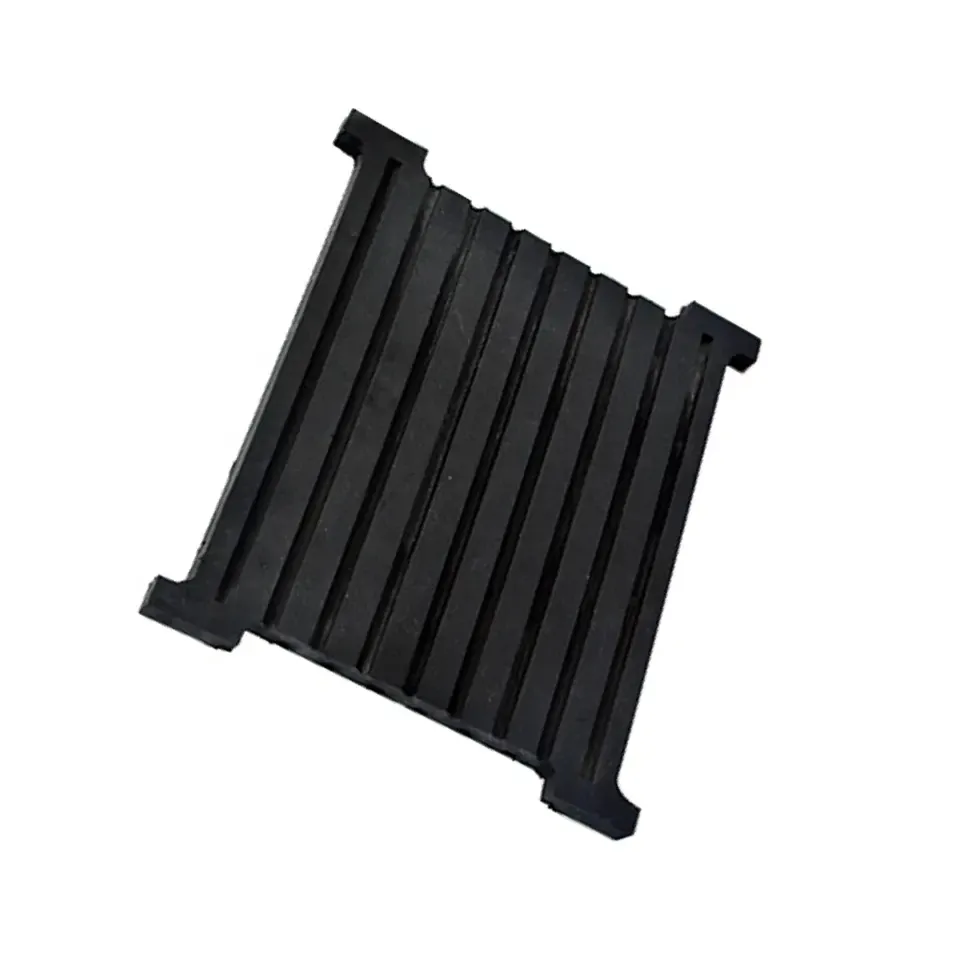
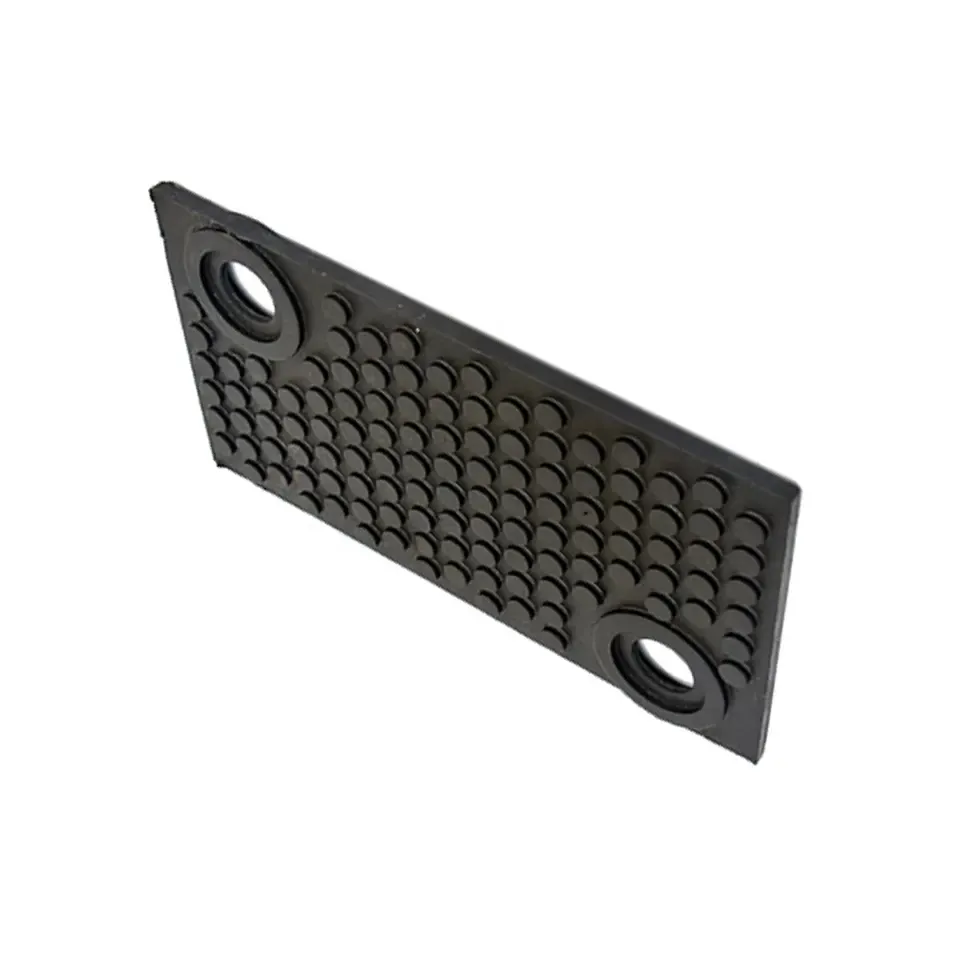
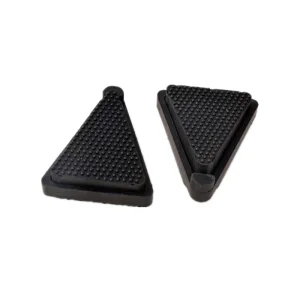
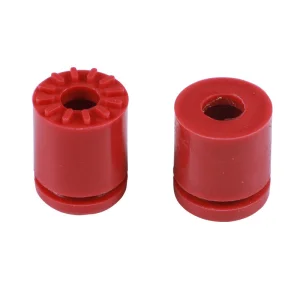
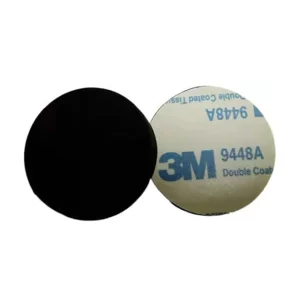
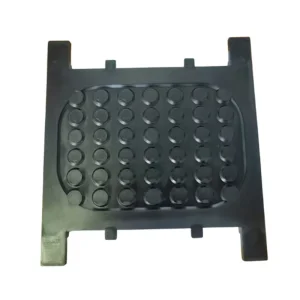
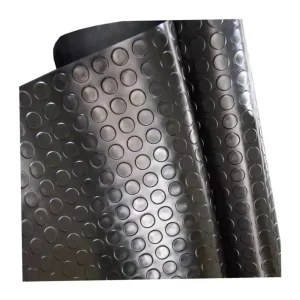
Rail pads are elastic mats interposed between steel rails and railway sleepers to protect the sleeper top from wear and impact. The starting stiffness of a rail pad is specifically designed to maintain close contact with the rail regardless of vertical movements. These rubber or plastic components are essential for dampening vibration shocks from passing trains.
| Technical Reference |
| Material | Rubber |
| Stiffness (kN) | 90-130 |
| Hardness (Shore A) | 72-80 |
| Tensile Strength Before Aging (Mpa) | ≥ 12.5 |
| Elongation Before Aging (%) | ≥ 250 |
| Insulation Resistance (Ω) | ≥ 10^6 |
Key Product Advantages
📢 Noise Reduction
Effective vibration dampening makes these pads ideal for environments requiring quiet operations.
🛡️ Shock Absorption
Protects infrastructure from wear and tear caused by the impact of rolling stock.
🛋️ Increased Comfort
Enhances passenger experience by significantly reducing cabin vibrations.
💪 Extreme Durability
High-quality materials withstand harsh environmental conditions and heavy usage.
🧪 Corrosion Resistance
Maintains system integrity over time even in chemically active environments.
🛠️ Easy Installation
Designed for quick setup to reduce system downtime and maintenance costs.
Service & Mission
We specialize in providing top-quality products and innovative solutions for the railway and rail transit industries. Our mission is to advance the safety and efficiency of global track systems through superior manufacturing and expert engineering.
✓ Superior Quality Control
Ensuring every product meets strict international standards.
✓ Competitive Pricing
Optimized production providing high value for your investment.
✓ Expert Technical Team
Professional support for all rail transit lifestyle and infrastructure needs.
✓ Effective OEM & ODM
Tailored solutions to meet unique project specifications.
Frequently Asked Questions
Q1: What factors should be considered when selecting track accessories?
Key factors include system compatibility, adherence to international quality standards, durability under specific load requirements, and long-term cost-effectiveness.
Q2: How do you ensure the quality of your rail pads?
We employ rigorous testing, source from certified manufacturers, and ensure total compliance with industry regulations for safety and performance.
Q3: Are customized solutions available for specific railway projects?
Yes, we provide full customization. Our experts work directly with you to understand project specifications and deliver tailored products.
Q4: What technical support do you provide after purchase?
We offer comprehensive after-sales service including assistance with installation, routine maintenance guidance, and troubleshooting support.
Q5: Do you support international shipping?
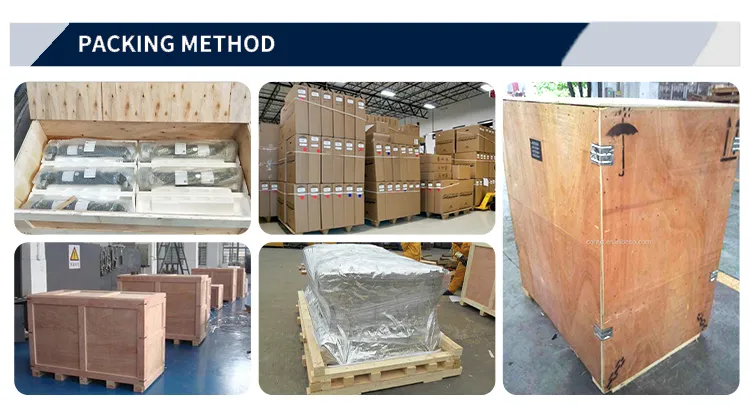
Yes, we ship to a wide range of countries globally. Shipping arrangements and costs are calculated based on order volume and destination.
Q6: What is the primary benefit of using rubber material for rail pads?
Rubber provides the optimal balance of elasticity and durability, allowing for superior shock absorption and significant reduction in noise pollution.
 Royflexa Rubber