Product Name
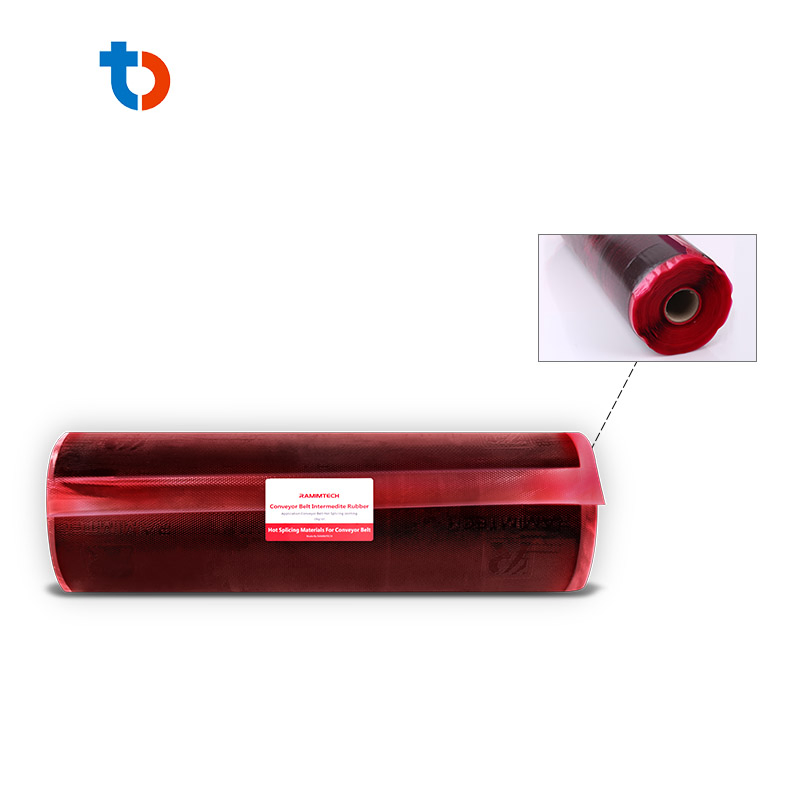
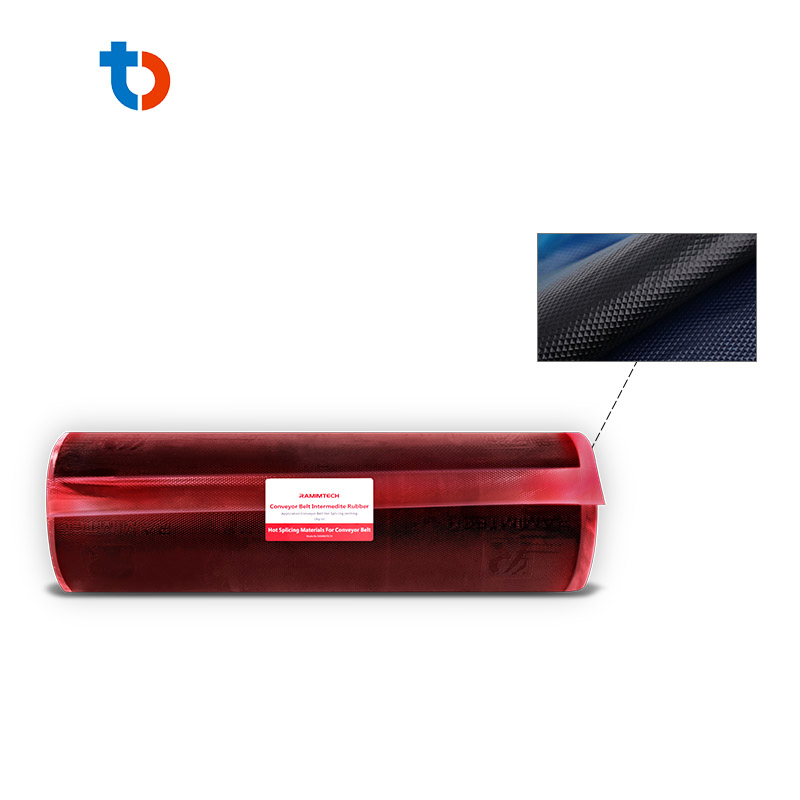
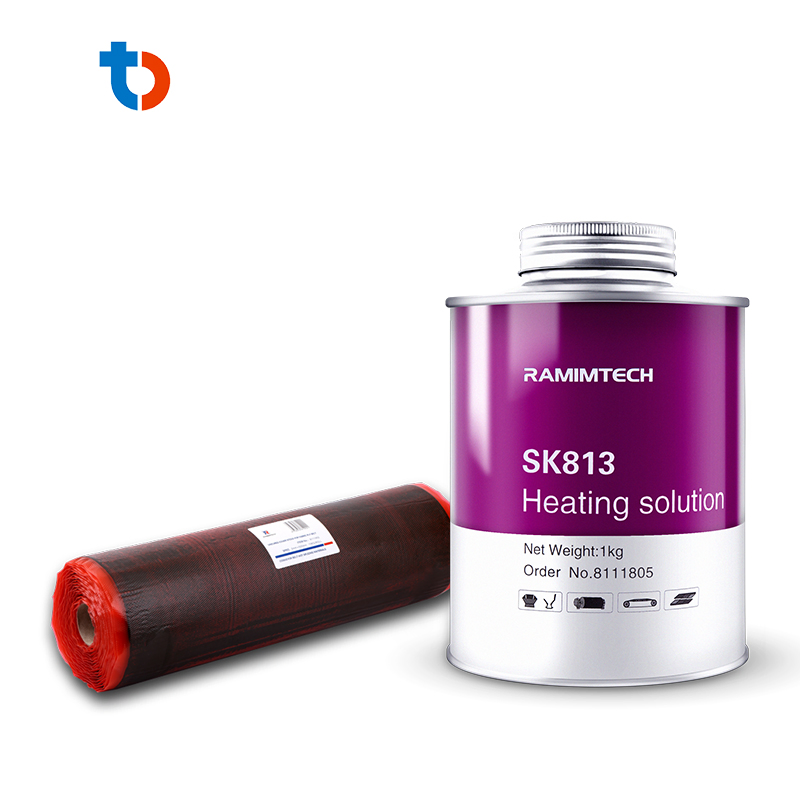
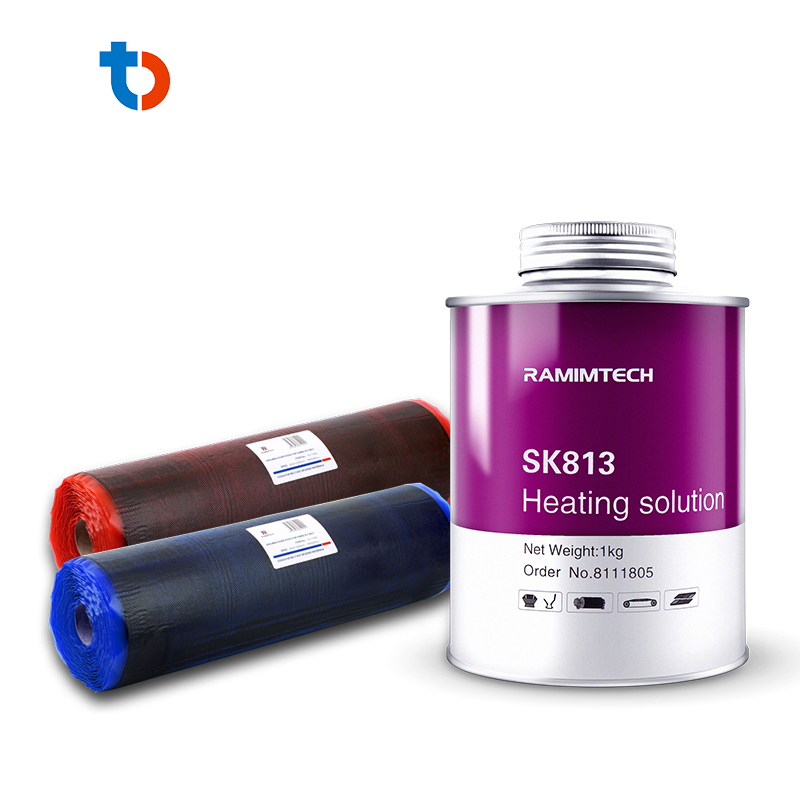
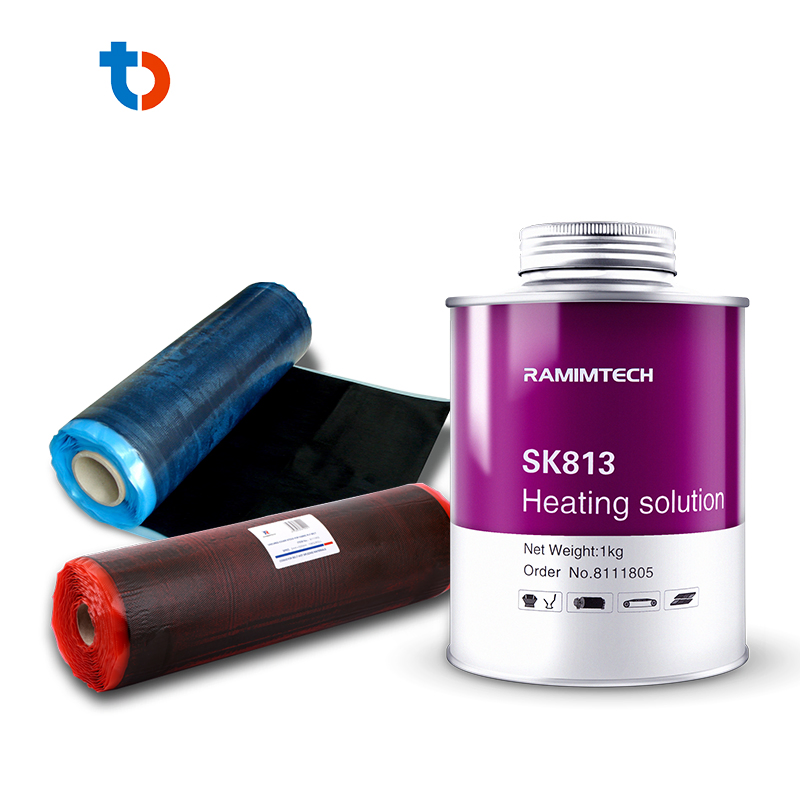
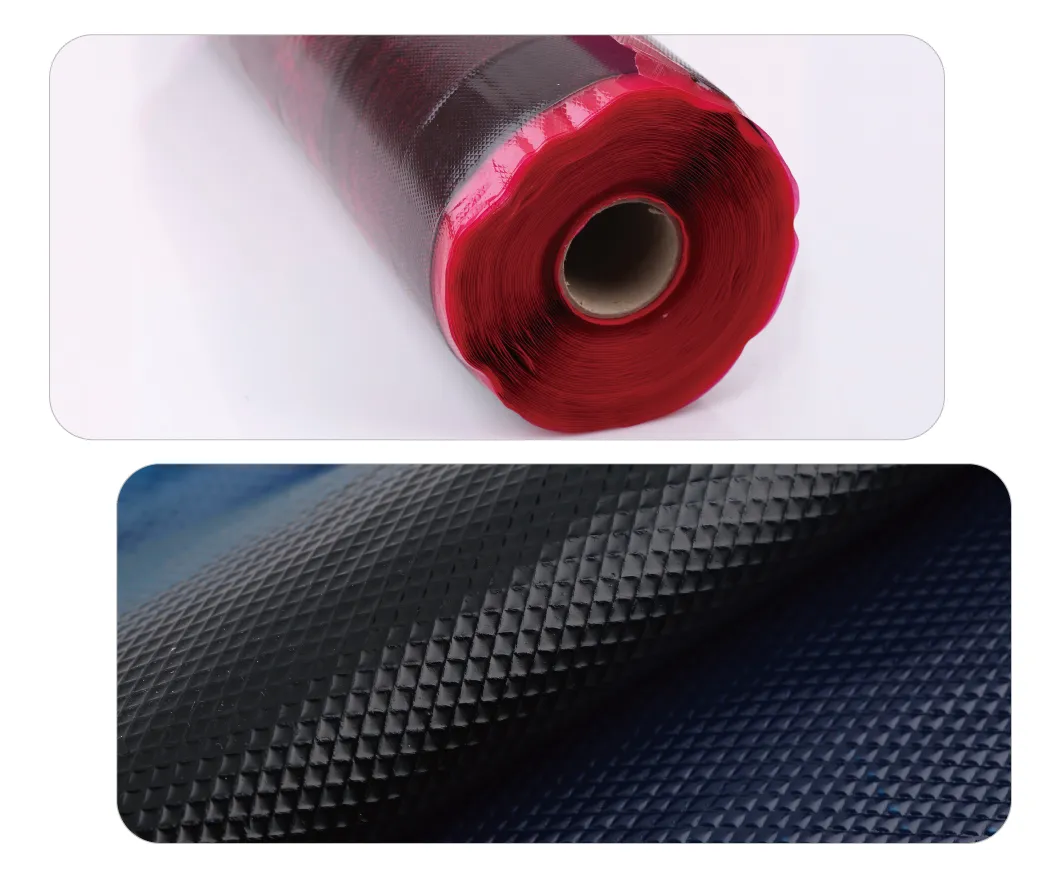
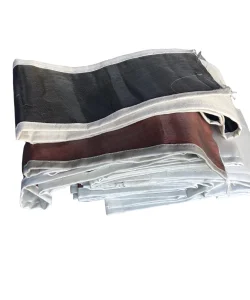
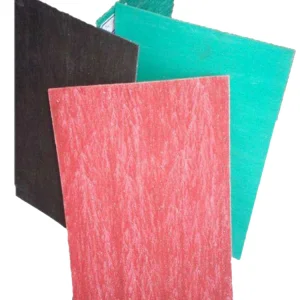
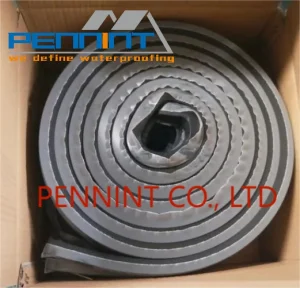
Conveyor Belt Uncured Intermediate Rubber
Application
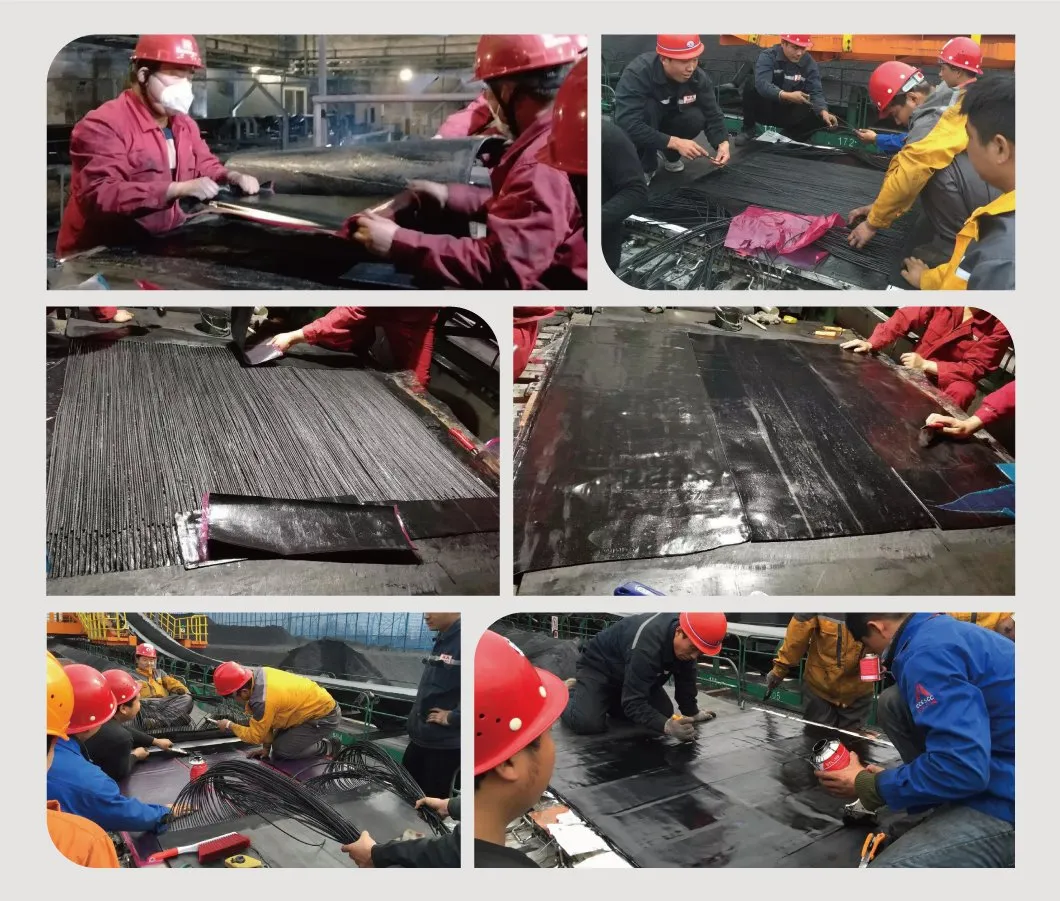
Conveyor Belt Hot Splices
Feature
High Bonding Strength Uncured Tie Gum
Usage
For Steel Cord, Fabric PVC/PVG Conveyor Belt
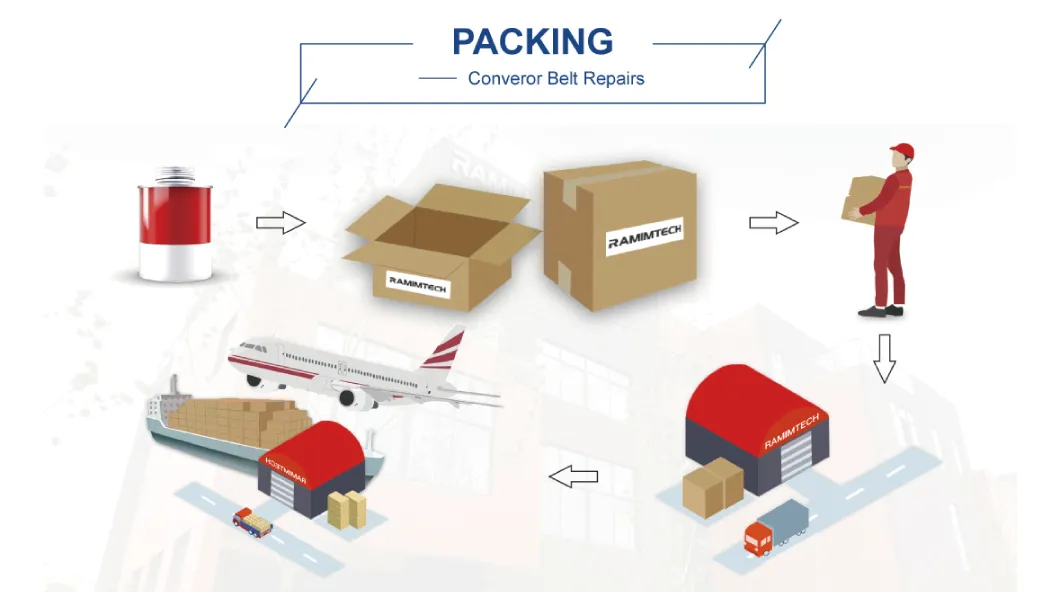
Transport Package
Wooden Box
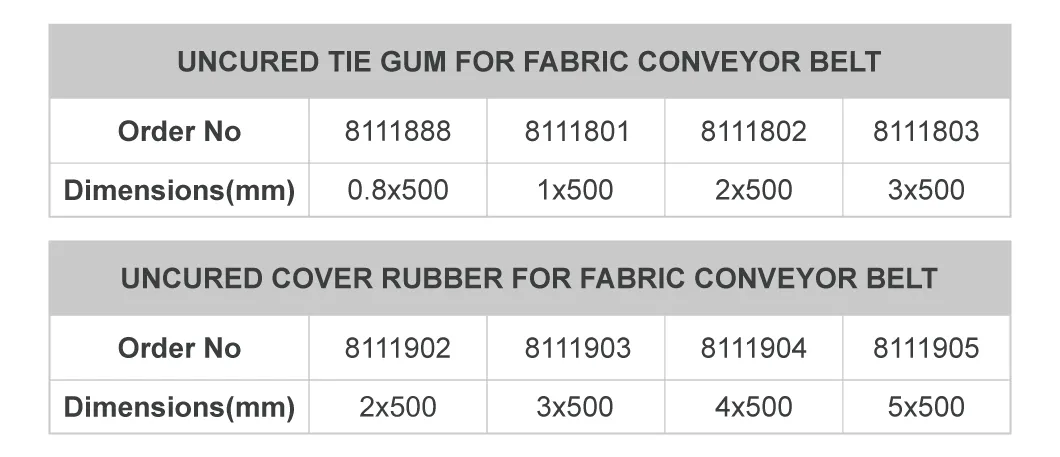
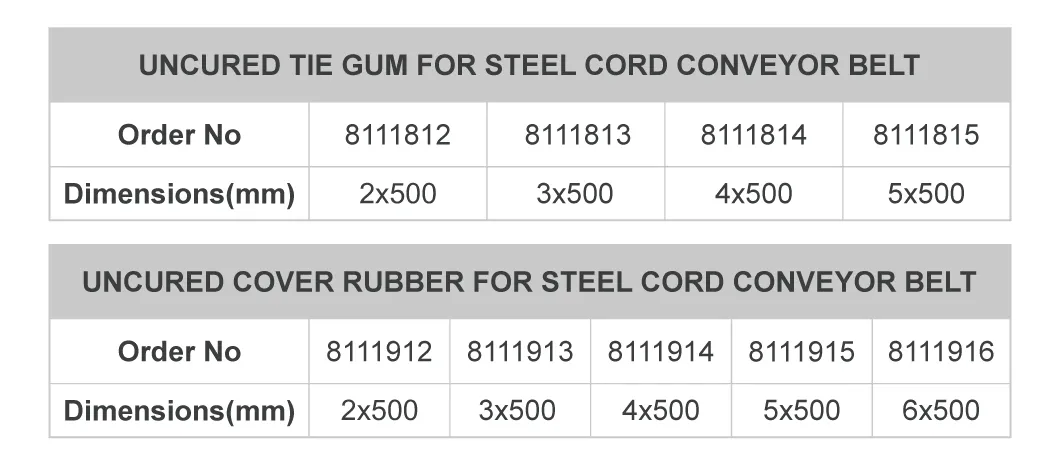
Specification
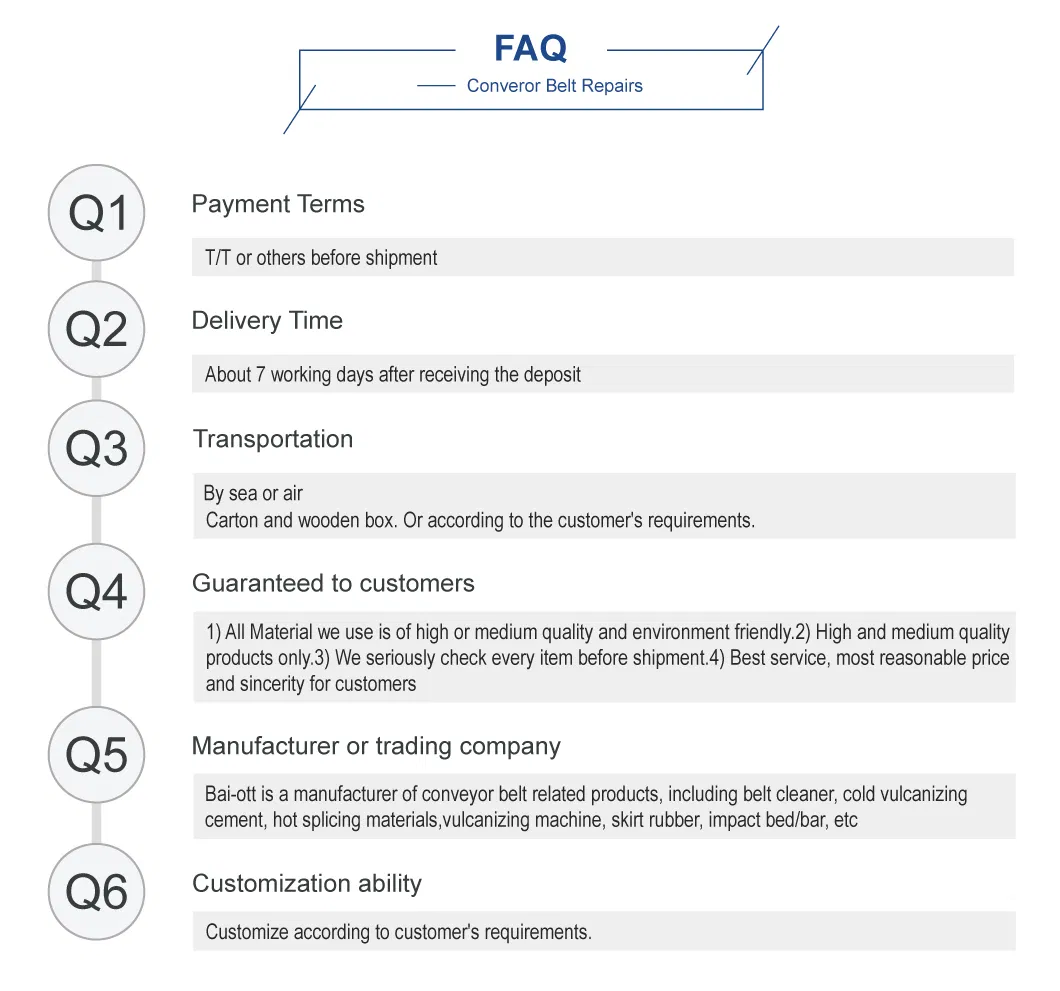
OEM
Origin
China
Production Capacity
50,000 Rolls/Year
Steel cord conveyor belt hot vulcanizing intermediate rubber uncured tie gum
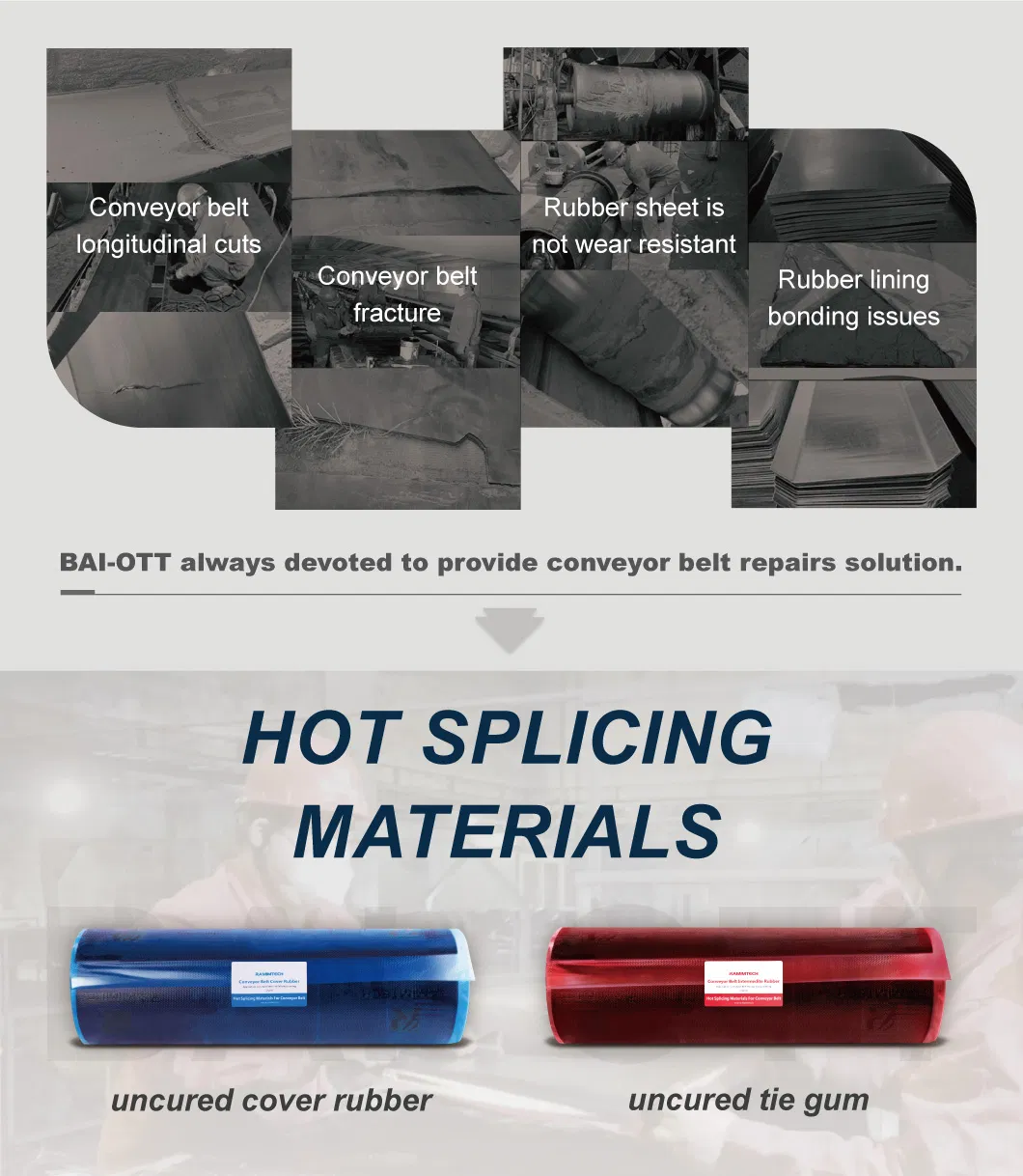
Uncured rubber is specifically designed for conveyor belt hot vulcanization processes.
Conveyor uncured intermediate rubber serves as an essential material for hot vulcanized belt splicing. It is designed for use as an inter-core cord rubber replacement in splicing steel cord conveyor belts or as a tie gum in fabric belts.
Additionally, conveyor belt uncured cover rubber acts as a replacement material for cover rubber in splicing both steel cord and fabric conveyor belts. This material is engineered to bond effectively to cured cover rubber across all standard grades.
Frequently Asked Questions
What is the primary use of uncured intermediate rubber?
It is primarily used as an inter-core cord rubber replacement material in the hot vulcanized splicing of steel cord conveyor belts or as a tie gum for fabric belts.
Which types of rubber belts are compatible with this tie gum?
It is suitable for NR, IR, SBR, BR, and CR rubber belt splices, as well as Steel Cord and Fabric PVC/PVG belts.
How does this product improve the conveyor belt joint?
It enhances the working life of the splice and significantly improves the flexibility and bonding strength of the joint.
Why is it recommended to cut the tie gum before vulcanization?
Cutting small incisions on the uncured tie gum with a knife helps release trapped air and prevents bulging during the vulcanization process.
Is this material suitable for cover rubber replacement?
Yes, there is a specific uncured cover rubber version designed to bond to cured cover rubber for all standard conveyor belt grades.
What is the production capacity for this product?
The facility has a production capacity of 50,000 rolls per year, supporting both standard and OEM specifications.
 Royflexa Rubber