TPV Characteristics
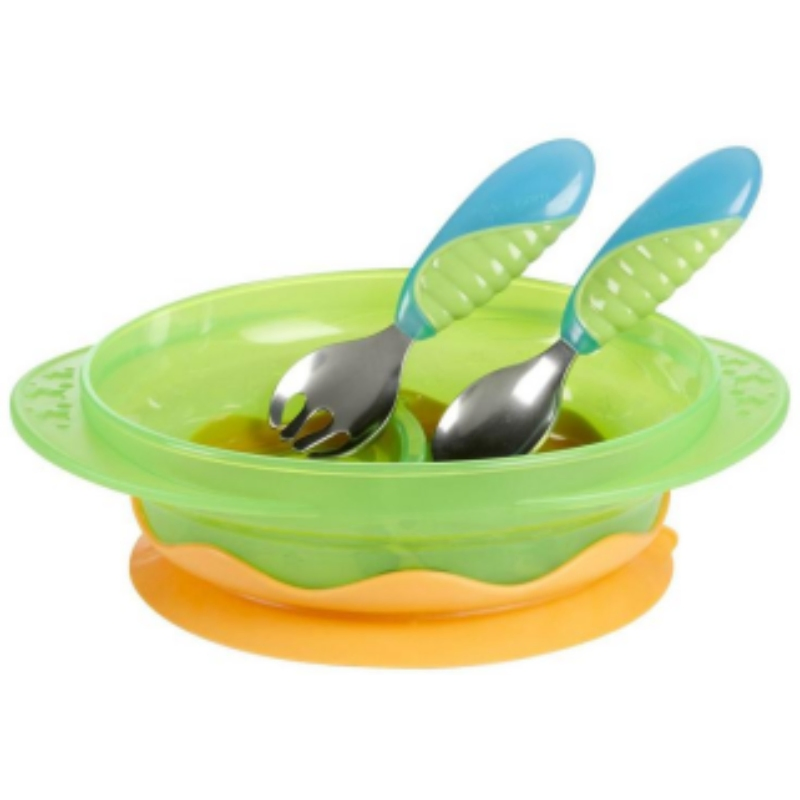
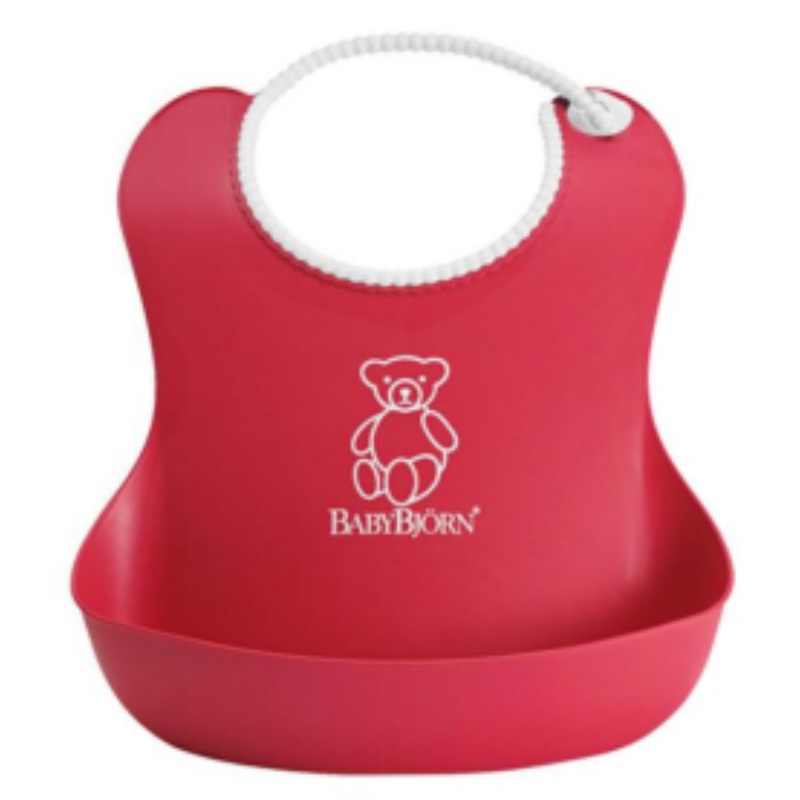
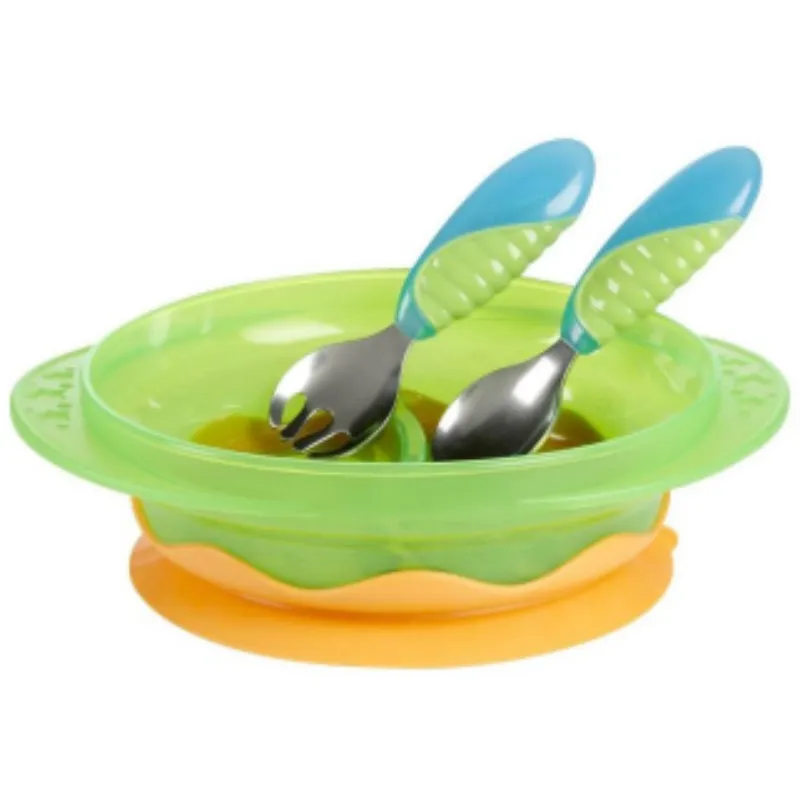
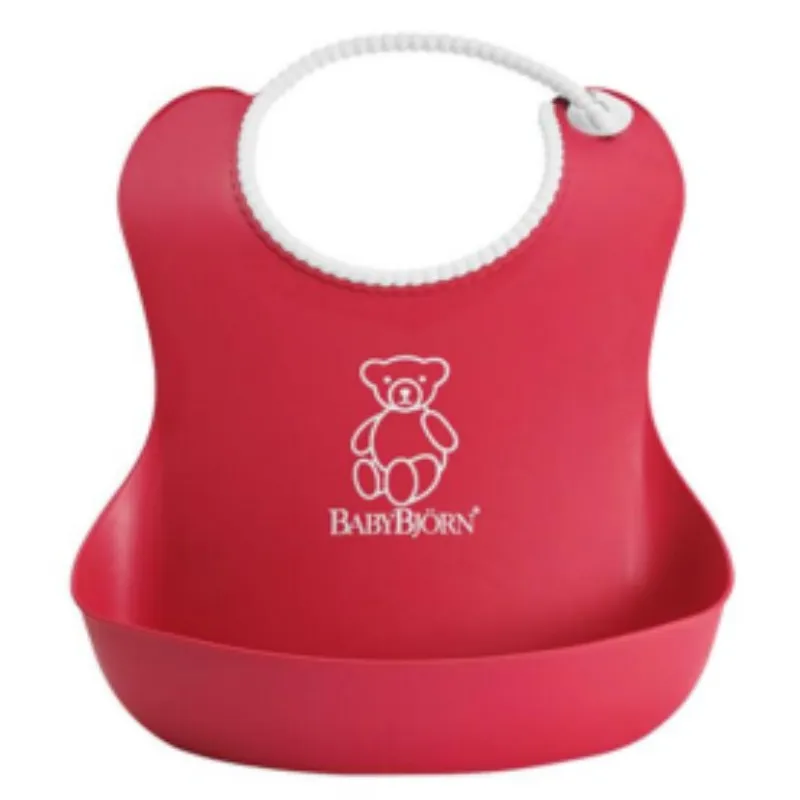
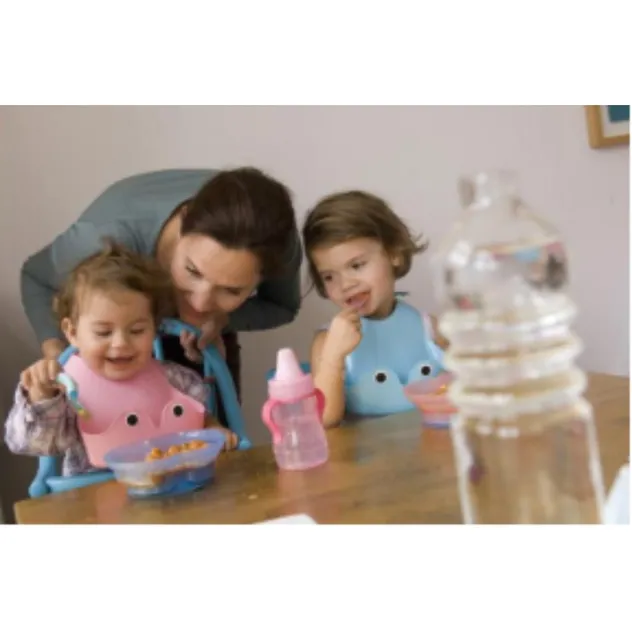
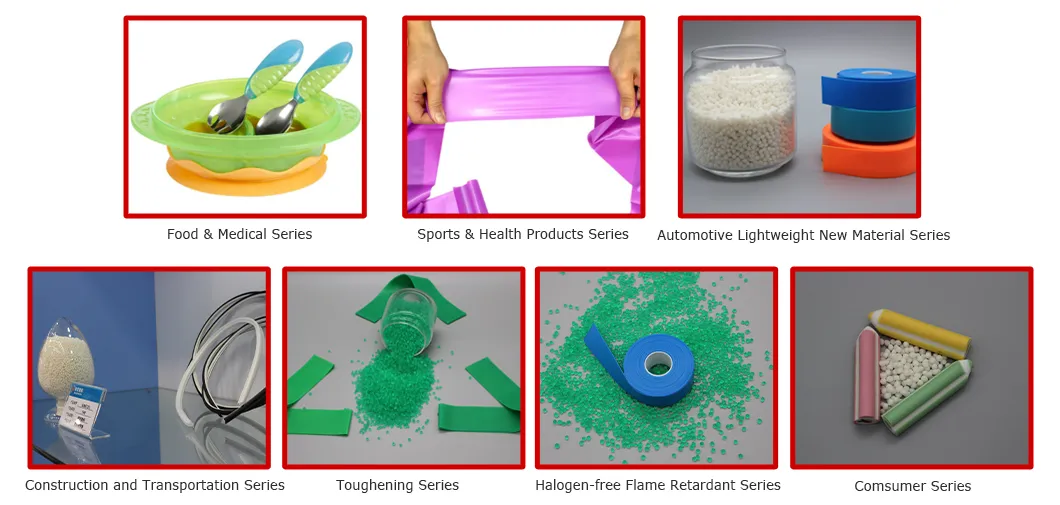
Oil resistance and corrosion resistance, chemical stability, eco-friendly, non-toxic and odorless, exquisite and smooth; temperature resistance, low compress set, good stability, low transferring quantity. Food grade material complies with GB4806.7-2016 National Food Safety Standard, passes distilled water, olive oil, n-hexane, acetic acid, and ethanol tests, and complies with FDA 21CFR 177.2600.
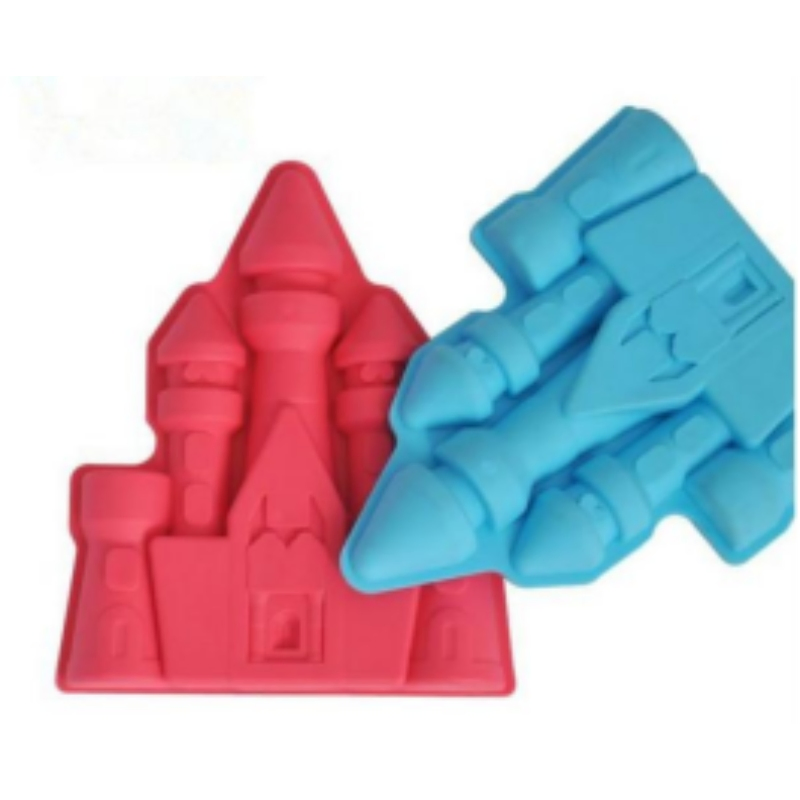
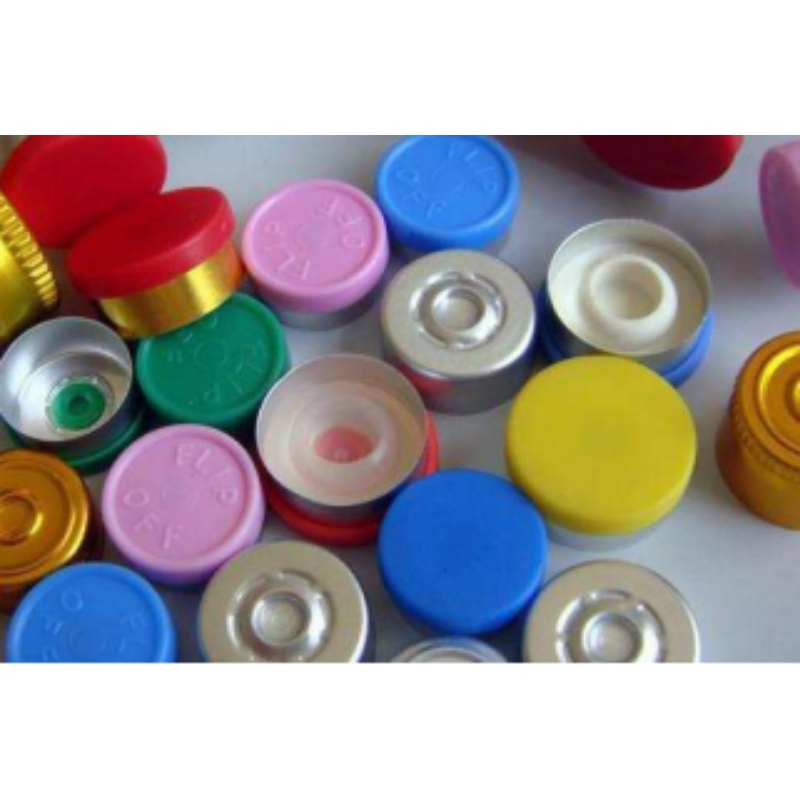
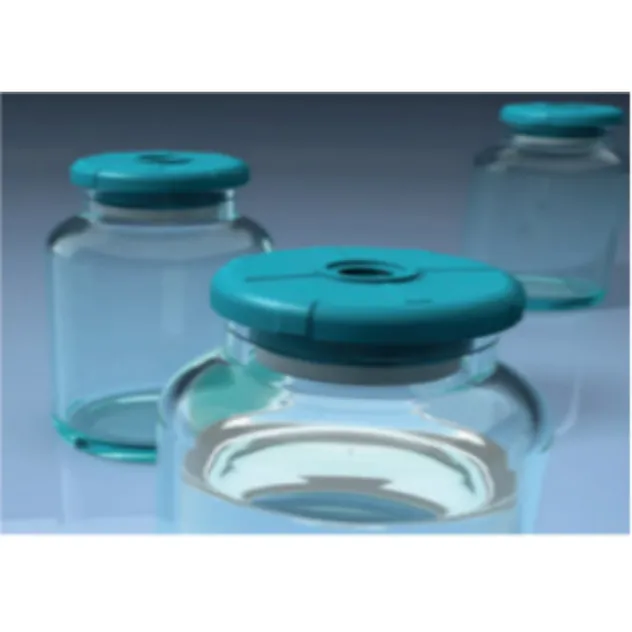
TPV medical grade material mainly replaces natural rubber and silicone rubber, no allergens and nitrous acid, high cost performance, meets various biological toxicity tests, and performance remains unchanged after multiple disinfection.
TPE Characteristics
Complies with CFDA/FDA/EP/USP, Eco-Friendly, non-toxic and odorless, non-slip, exquisite and smooth, good weather resistance and chemicals resistance, 100% recyclable.
| Parameter |
Specification |
| Material Series | Food Contact Grade / Medical Grade |
| Key Properties | Oil & corrosion resistance, chemical stability, eco-friendly, non-toxic, odorless |
| Temperature Resistance | Excellent thermal stability |
| Compression Set | Low |
| Migration Level | Low transferring quantity |
| Medical Grade Features | Allergen-free, nitrosamine-free; high cost-performance |
| Sterilization | Stable after multiple disinfection cycles |
✔
Main Products & Production
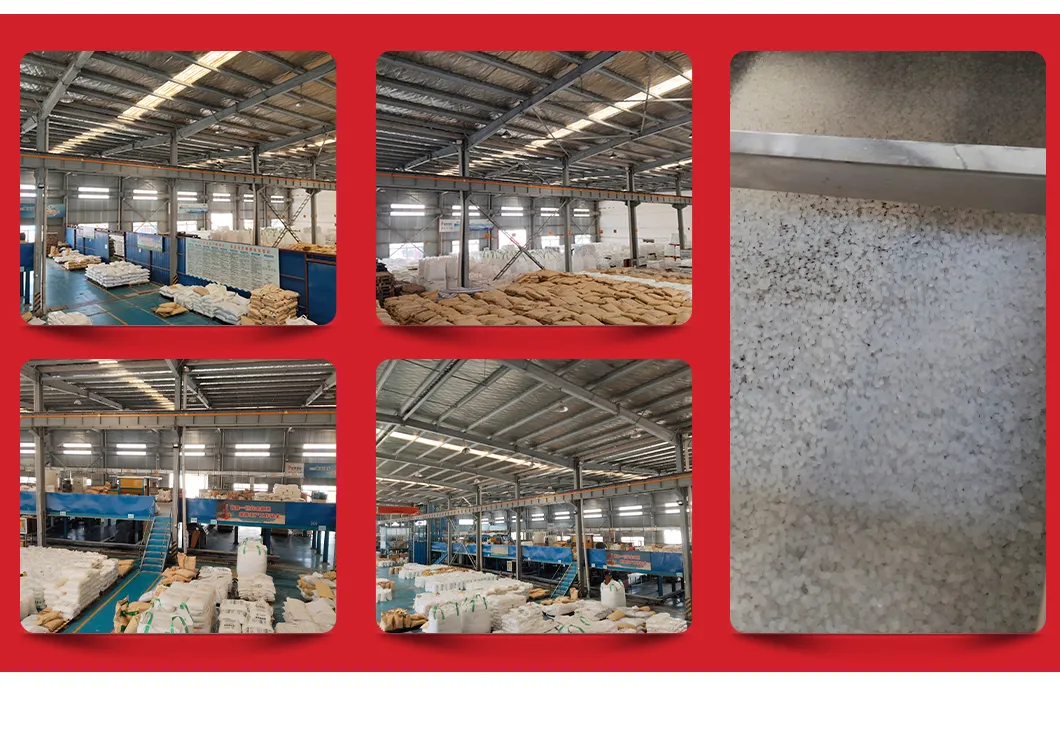
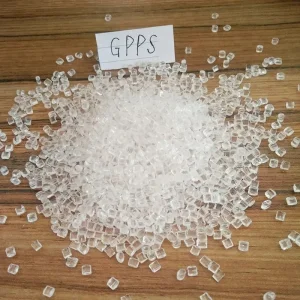
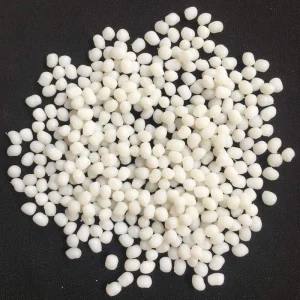
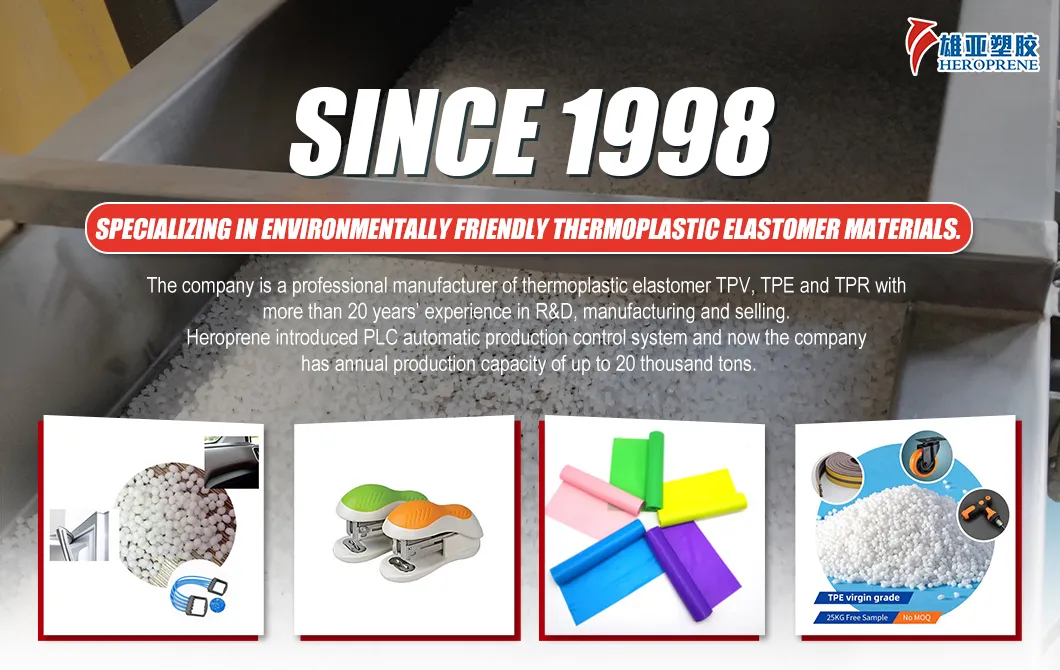
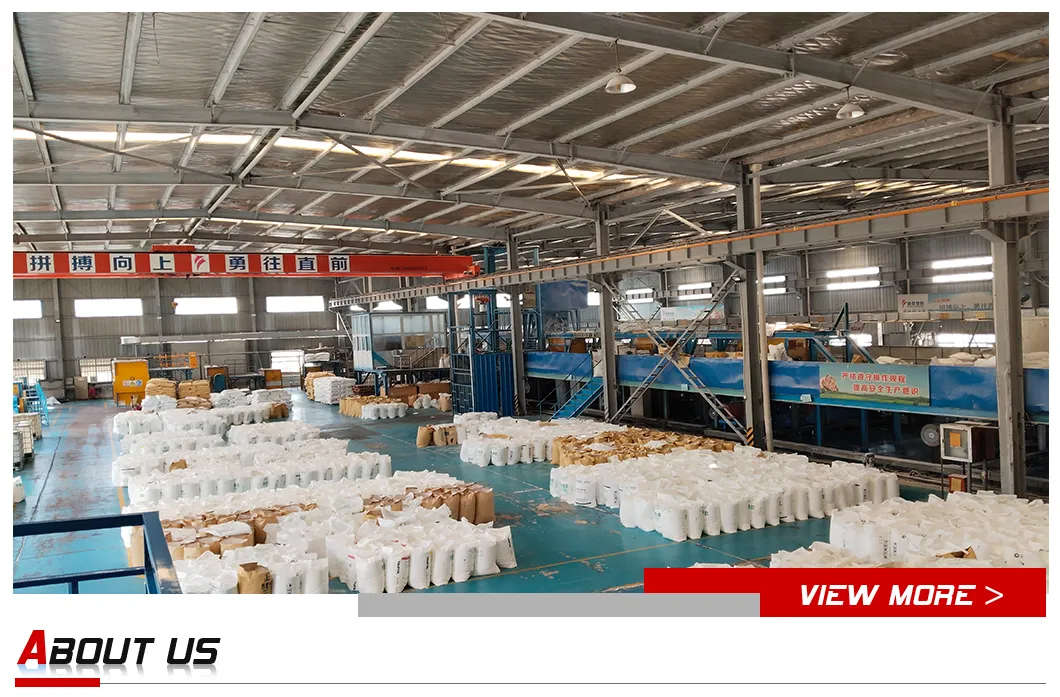
Specialized in the production of environmentally friendly thermoplastic elastomer raw materials TPV/TPE/TPR with an annual production capacity over 20,000 metric tons. Equipped with PLC automatic production control systems for high-tech R&D and production.
✚
Advantages & Certifications
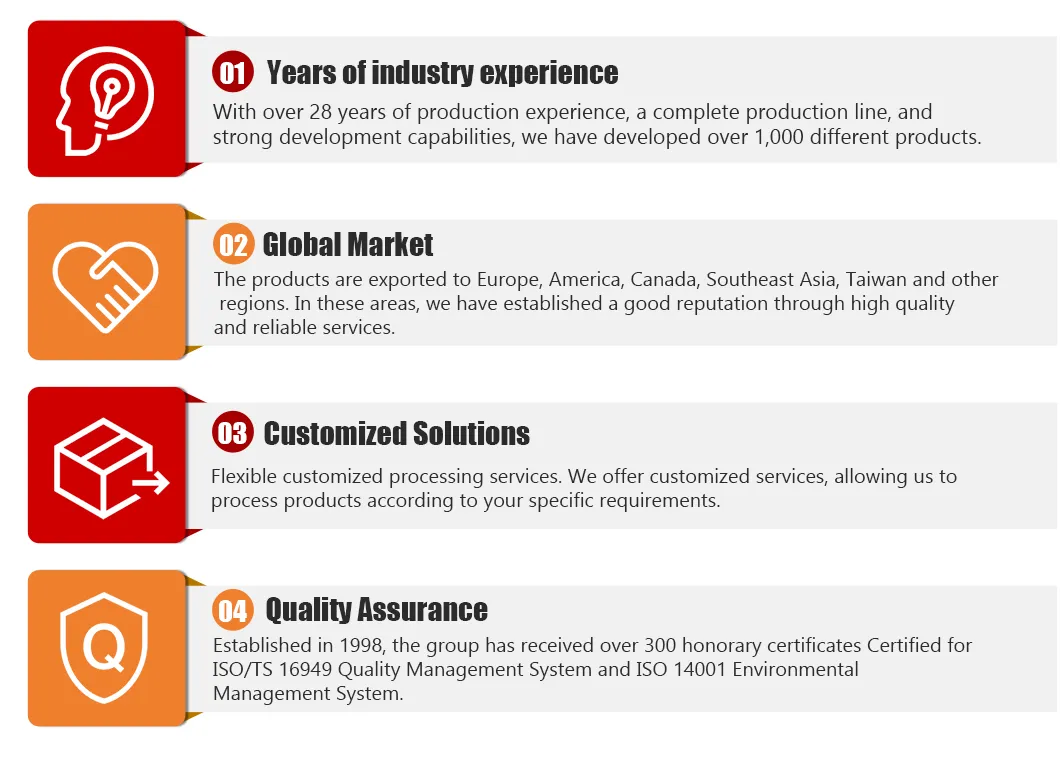
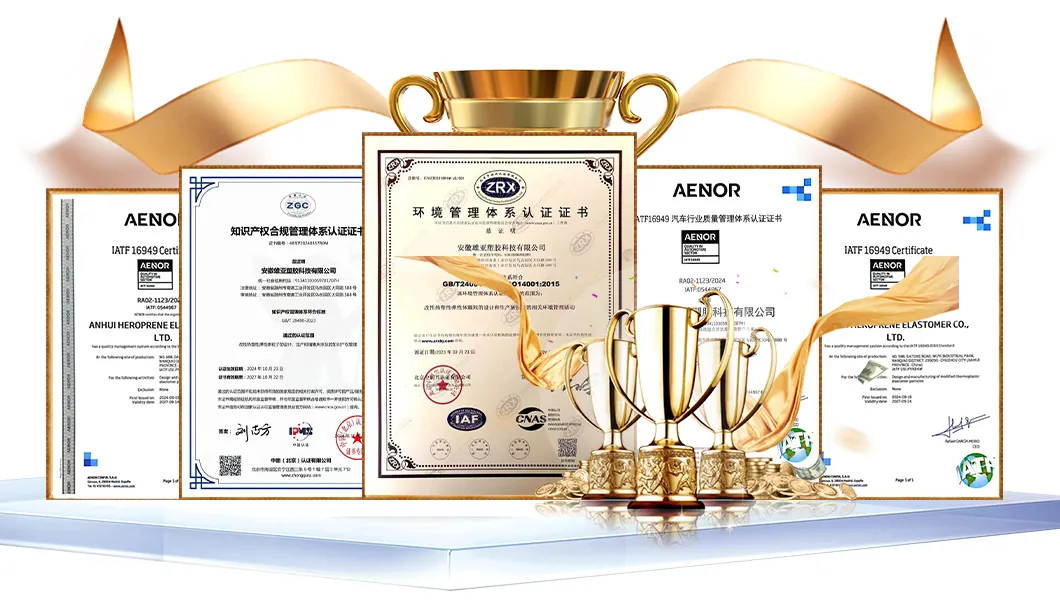
Adhering to automotive quality management systems and environmental management systems. Products are certified by SGS, TUV, FDA and other international testing institutions, meeting ROHS and REACH requirements.
?
Frequently Asked Questions
1. Are these TPE/TPV pellets safe for direct food contact applications?
Yes, our food grade series is specifically designed for direct food contact. The material is non-toxic, odorless, and features low migration properties. It has passed rigorous extraction tests including distilled water, olive oil, n-hexane, acetic acid, and ethanol.
2. Can medical grade TPV replace traditional rubber and silicone?
Absolutely. Our medical grade TPV is formulated to replace natural rubber and silicone rubber while offering superior cost performance. It contains no allergens, no nitrous acid, and maintains stable performance after multiple disinfection cycles.
3. What processing methods are supported for these pellets?
Our TPE/TPV pellets are compatible with common thermoplastic processing methods including injection molding, extrusion, and overmolding. They offer excellent adhesion to substrates such as PP, ABS, PC, and PA.
4. How do you ensure low odor and low VOC?
For applications requiring low emission standards, we offer specialized low odor and low VOC grades engineered to minimize volatile organic compound release, ideal for automotive interiors and household products.
5. Can you provide custom hardness and custom color?
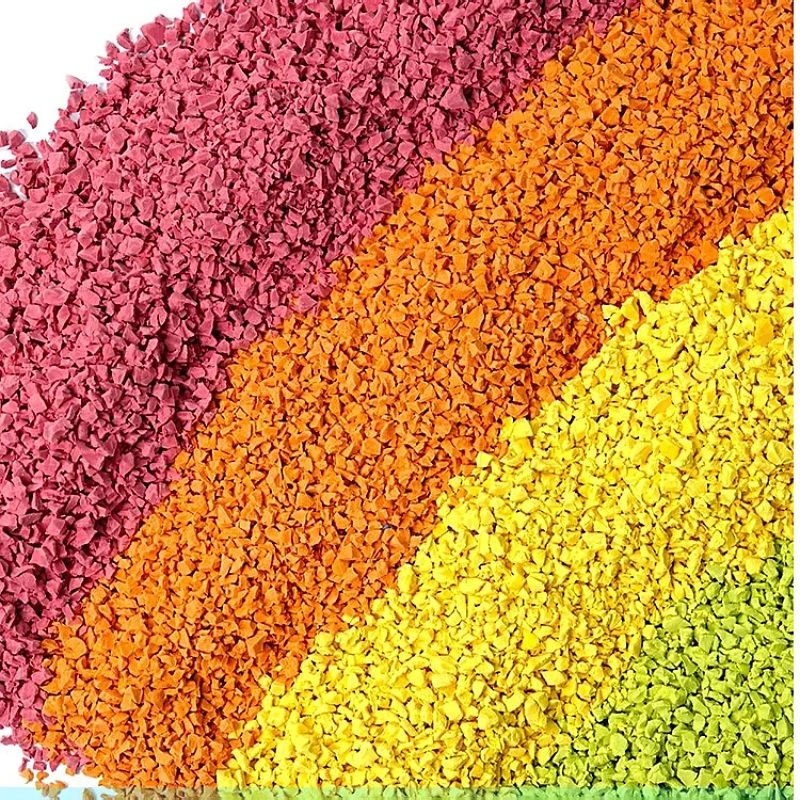
Yes, customization is available. We offer a wide hardness range (typically from 30A to 95A Shore A) and can match custom colors according to your specific project requirements.
6. What certifications do your materials hold?
Our materials are certified by international institutions such as SGS, TUV, and FDA, and they meet strict environmental standards including ROHS and REACH.
 Royflexa Rubber