🔹 Product Description
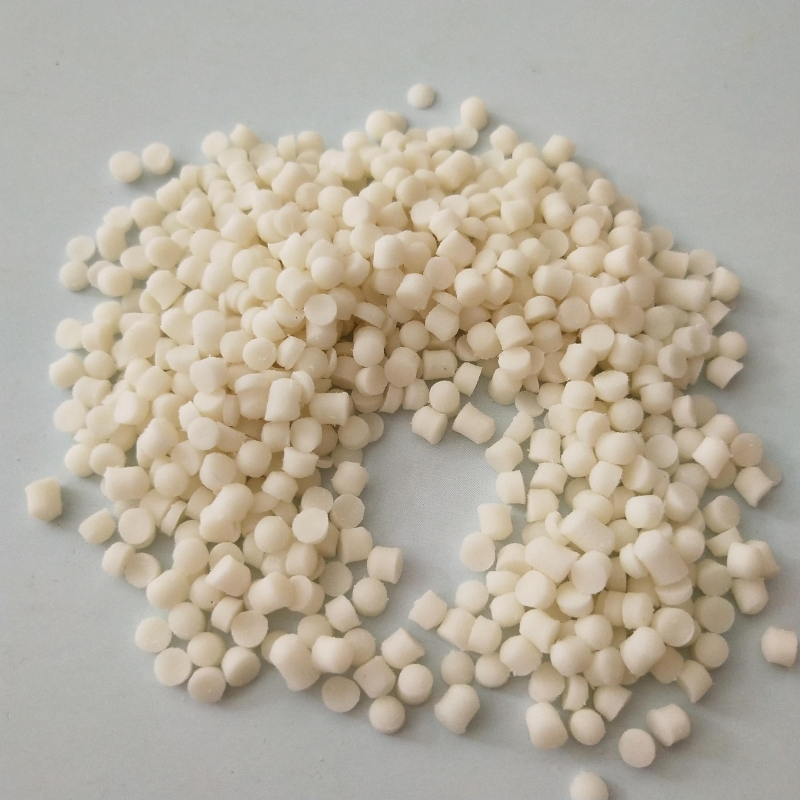
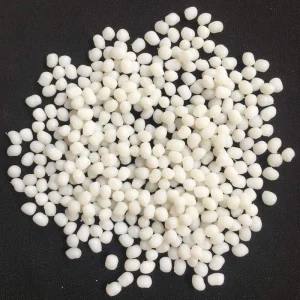
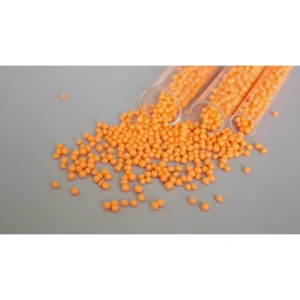
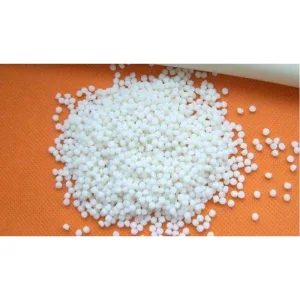
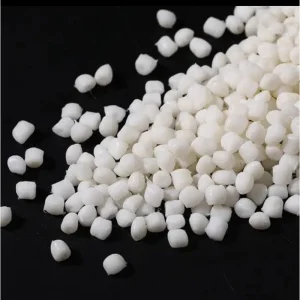
TPV (Thermoplastic Vulcanizate)
Oil resistance and corrosion resistance, chemical stability, eco-friendly, non-toxic and odorless. Features exquisite and smooth texture, temperature resistance, low compression set, and good stability.
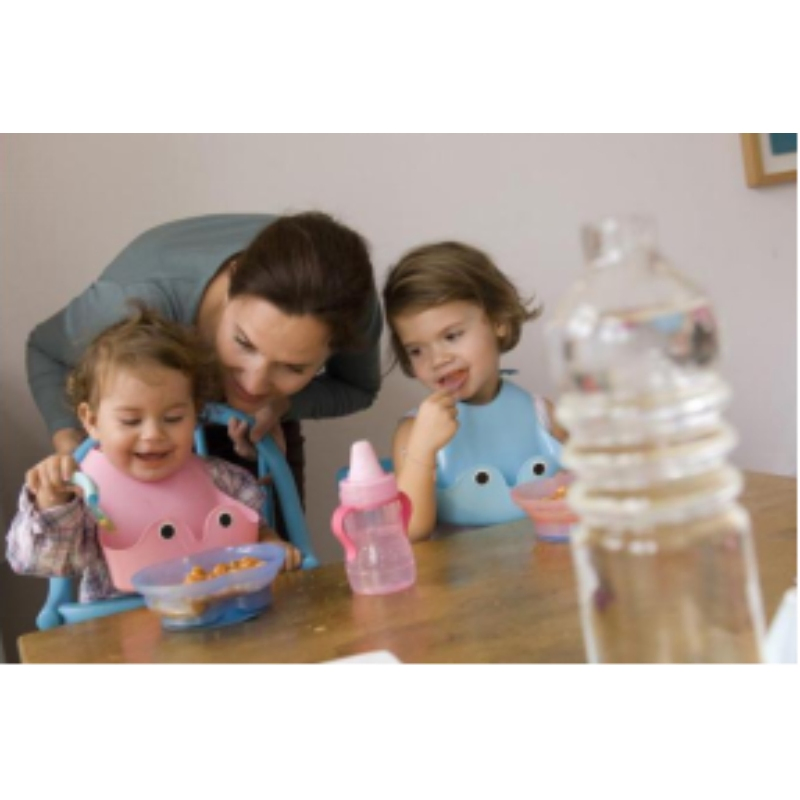
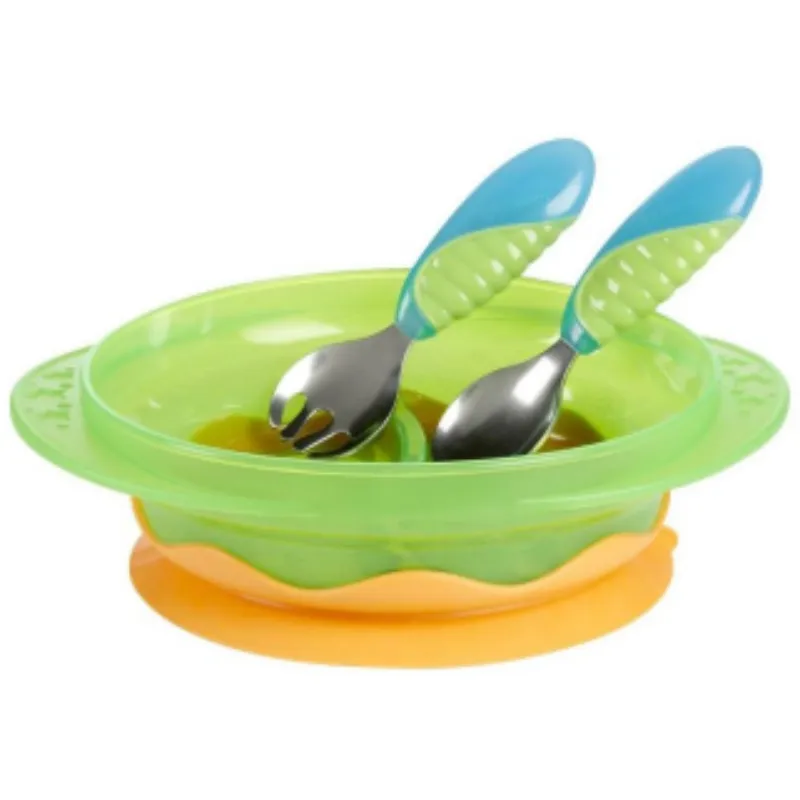
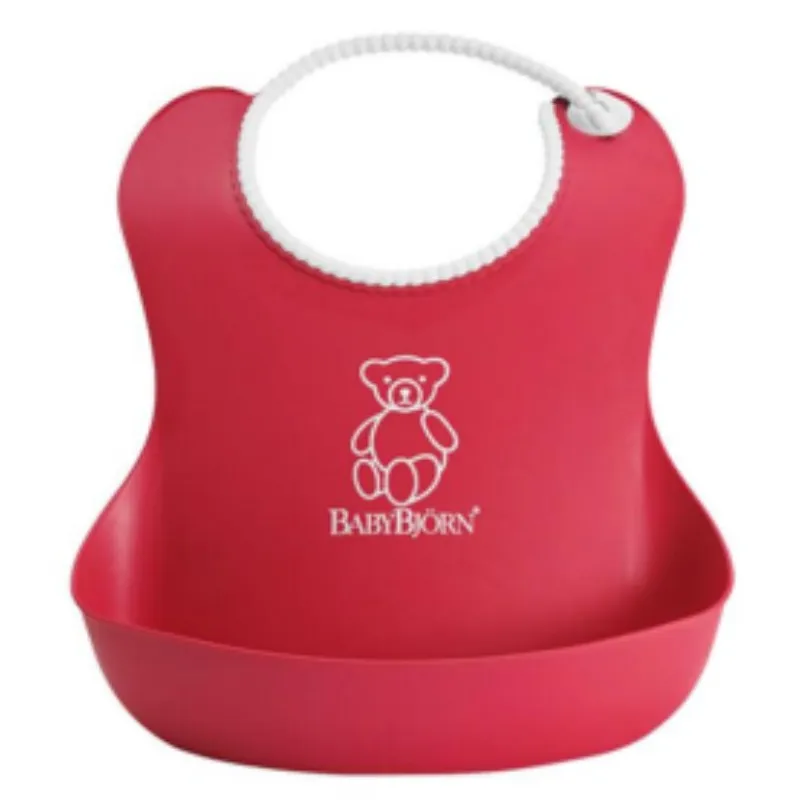
Compliance: Food grade material complies with GB4806.7-2016, FDA 21CFR 177.2600, and German Lebensmittel standards. Passes tests for distilled water, olive oil, n-hexane, acetic acid, and ethanol.
Medical Use: Replaces natural rubber and silicone. No allergens or nitrous acid. Performance remains unchanged after multiple disinfection cycles.
TPE (Thermoplastic Elastomer)
Comply with CFDA/FDA/EP/USP standards. Non-toxic, odorless, non-slip, and 100% recyclable. Offers excellent weather and chemical resistance.
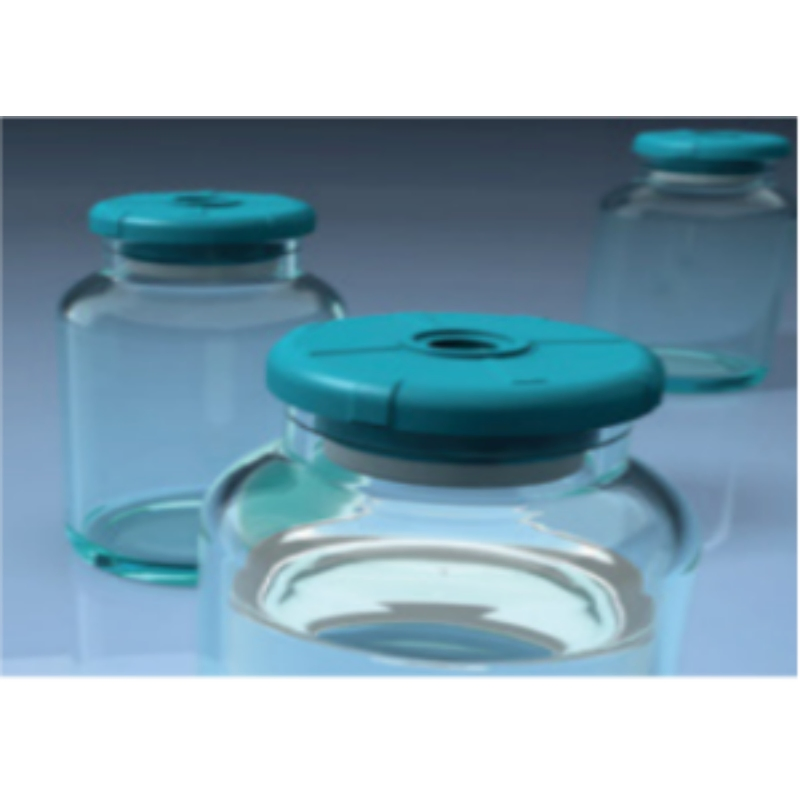
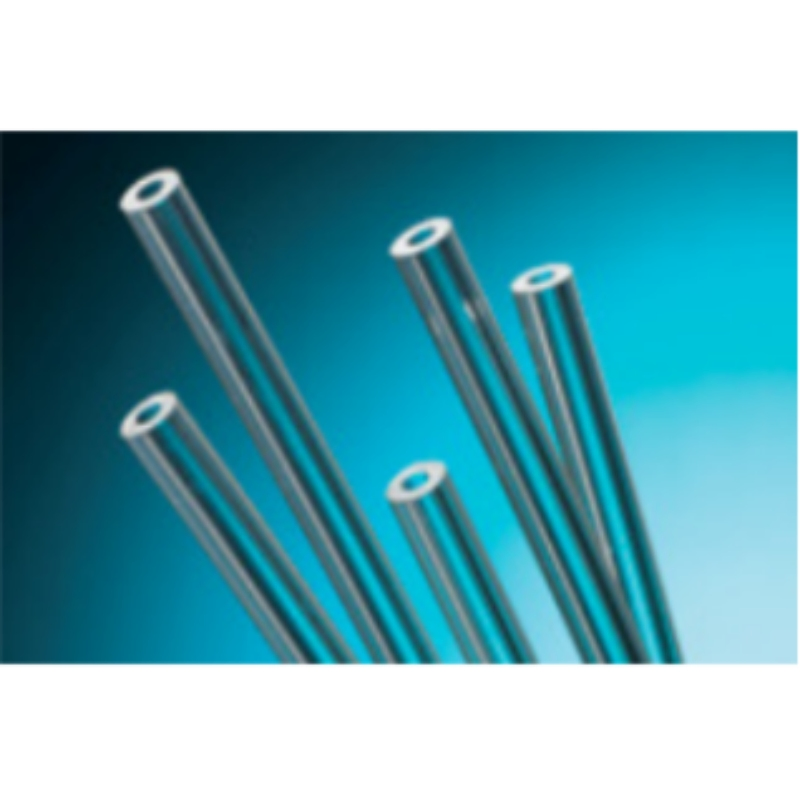
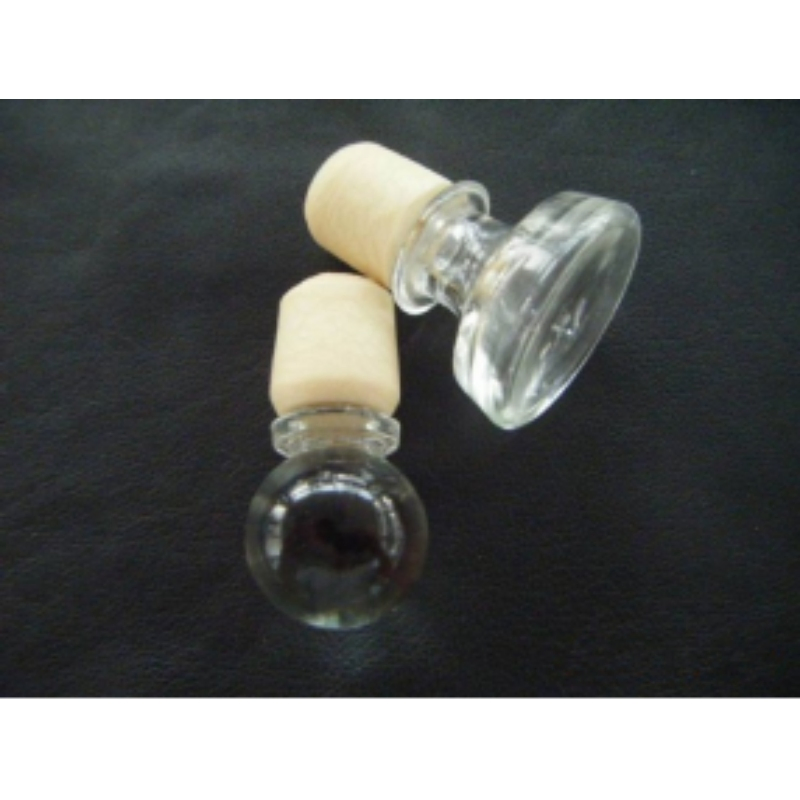
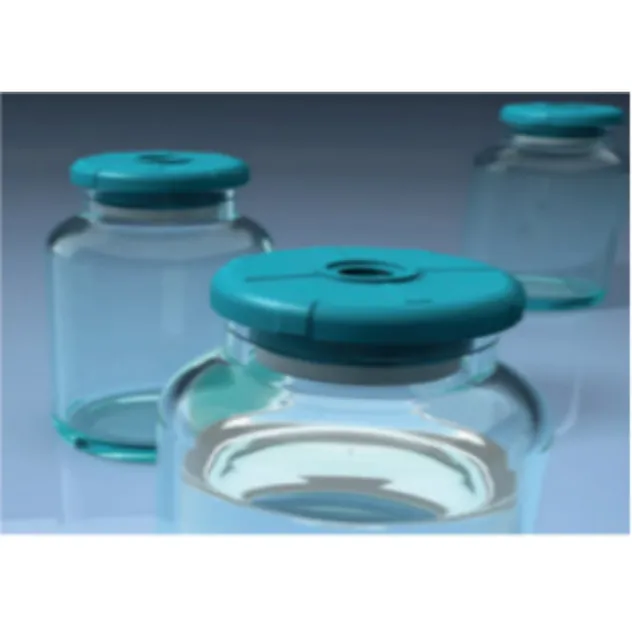
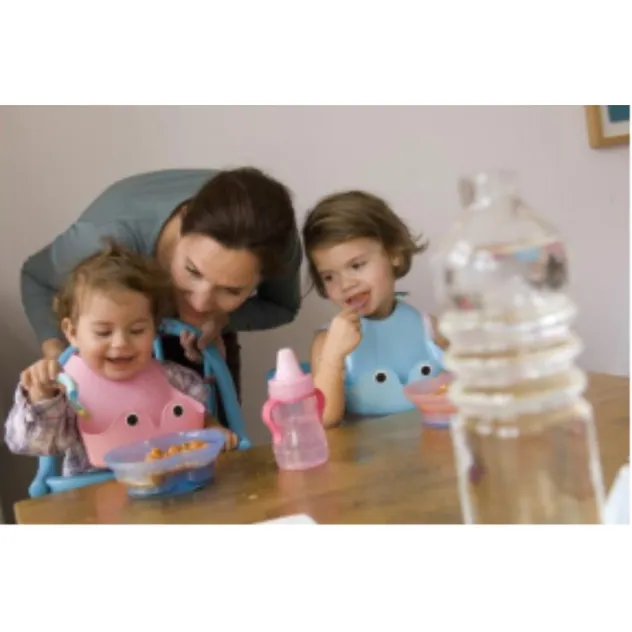
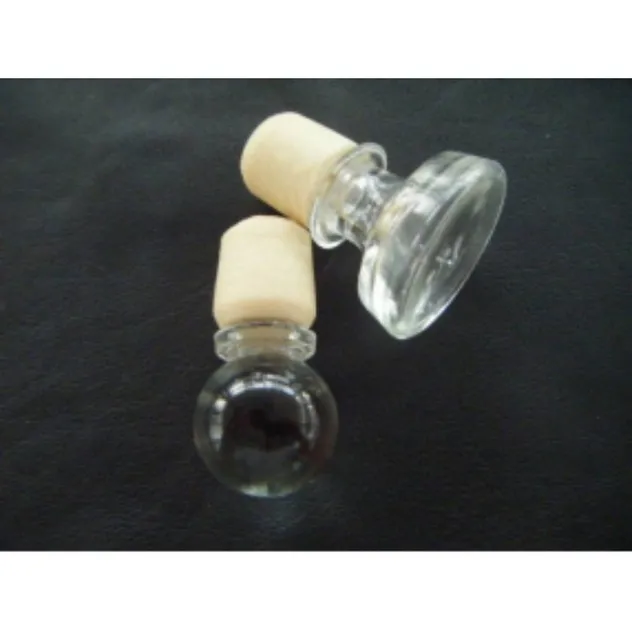
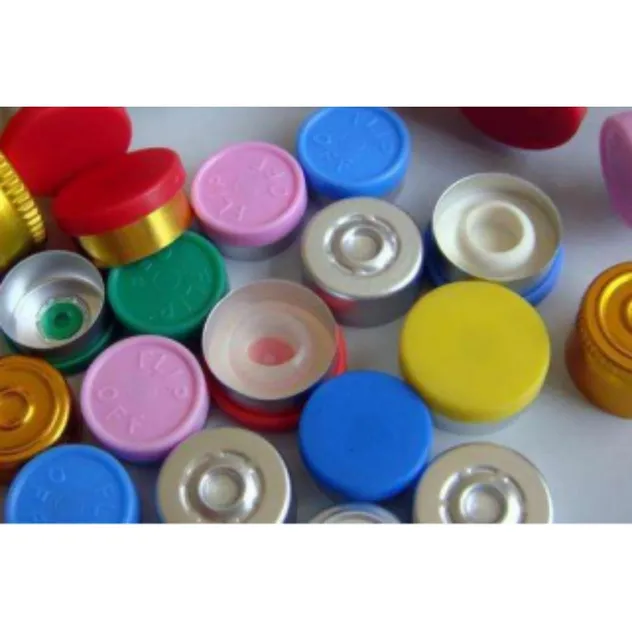
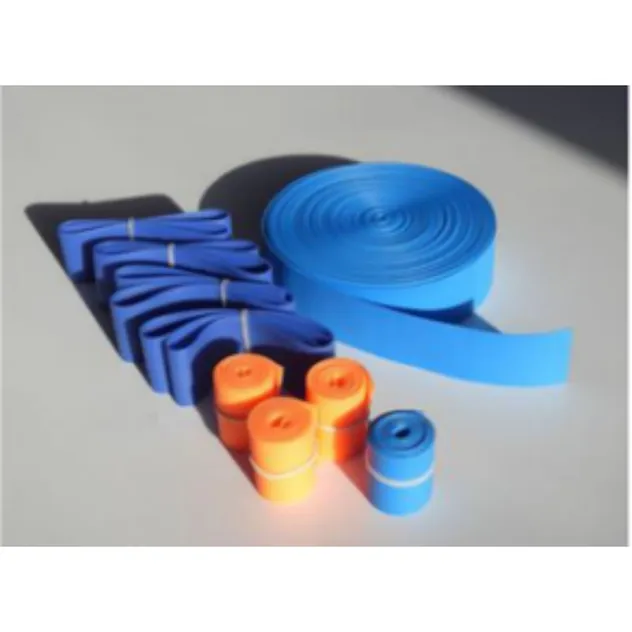
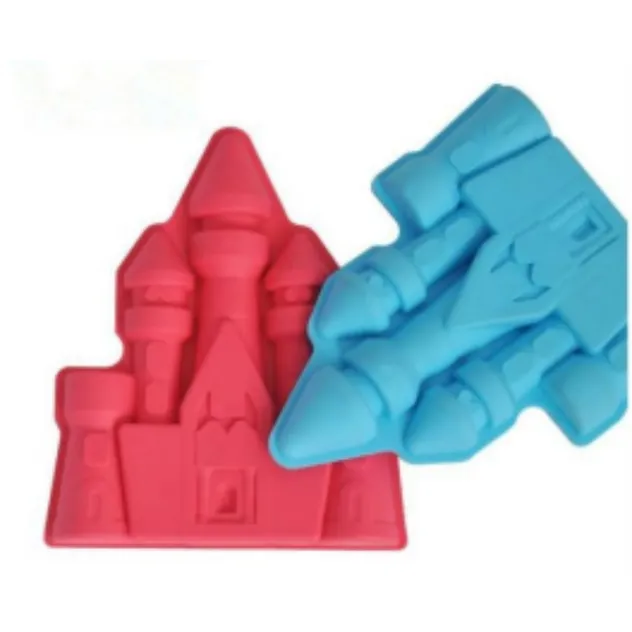
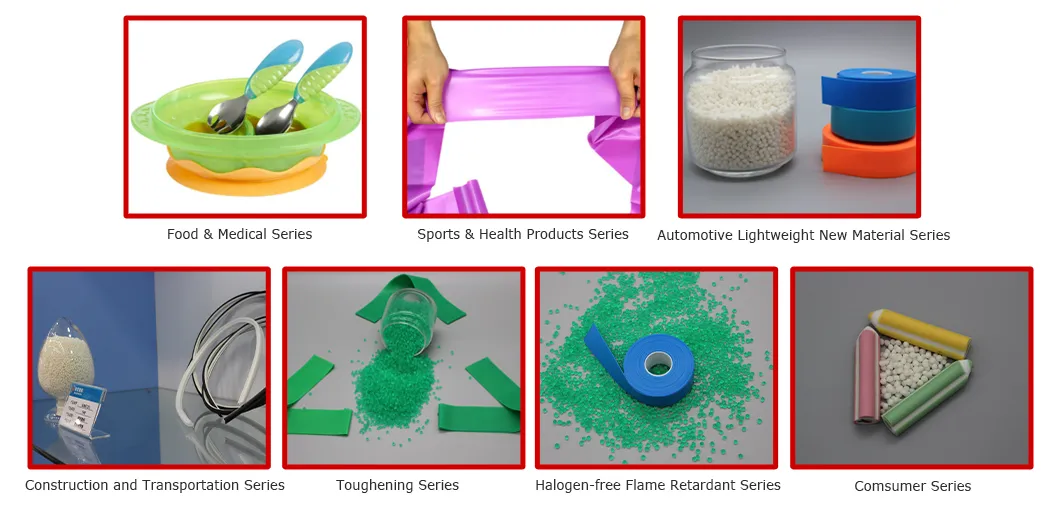
Applications: Bottle mats, ice cube trays, tourniquets, infusion tubes, surgical clothes, oxygen masks, medical gloves, and antibacterial soles.
| Parameter |
Specification |
| Material Series | Food Contact Grade / Medical Grade |
| Key Properties | Oil & corrosion resistance, chemical stability, odorless, smooth surface |
| Temperature Resistance | Excellent thermal stability |
| Compression Set | Low |
| Migration Level | Low transferring quantity |
| Medical Grade Features | Allergen-free, nitrosamine-free; high cost-performance |
| Biocompatibility | Passes various biological toxicity tests |
| Sterilization | Stable after multiple disinfection cycles |
🏭 Professional Manufacturing
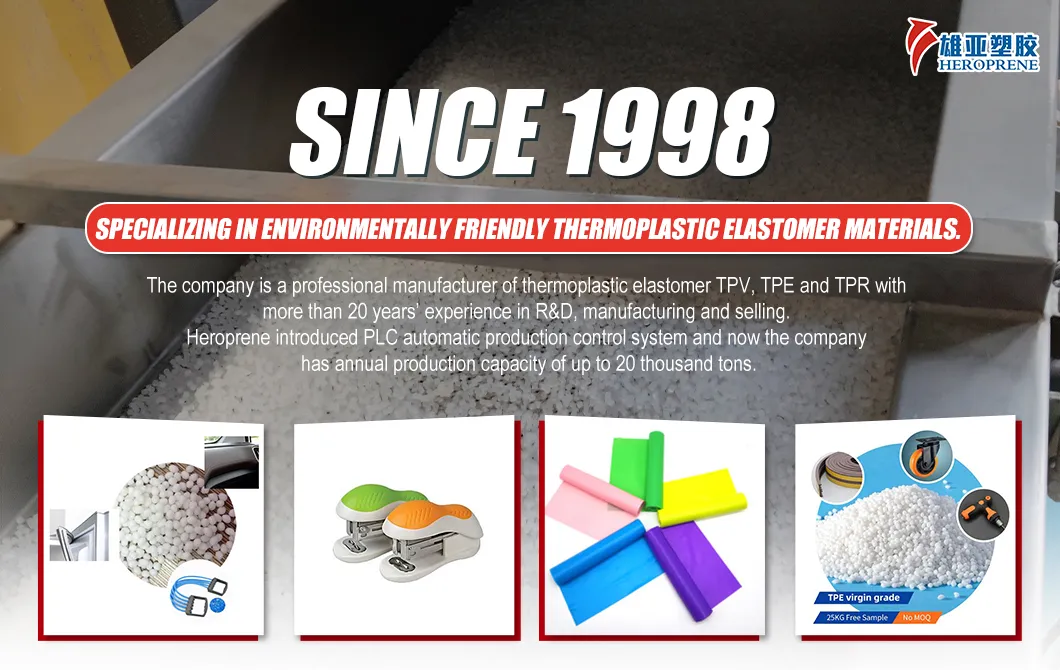
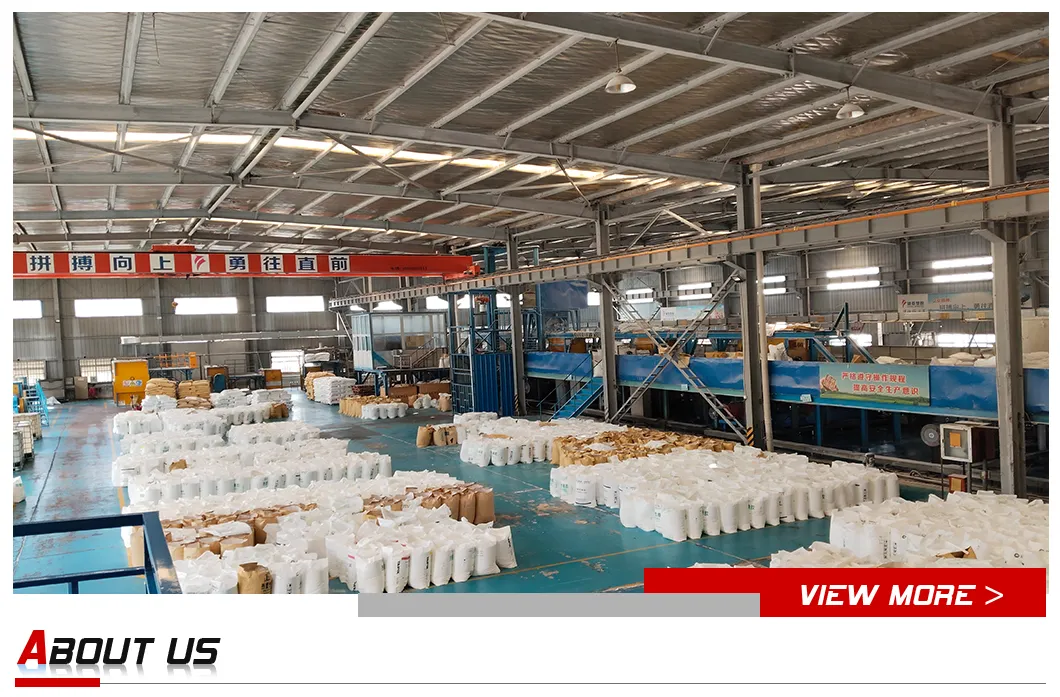
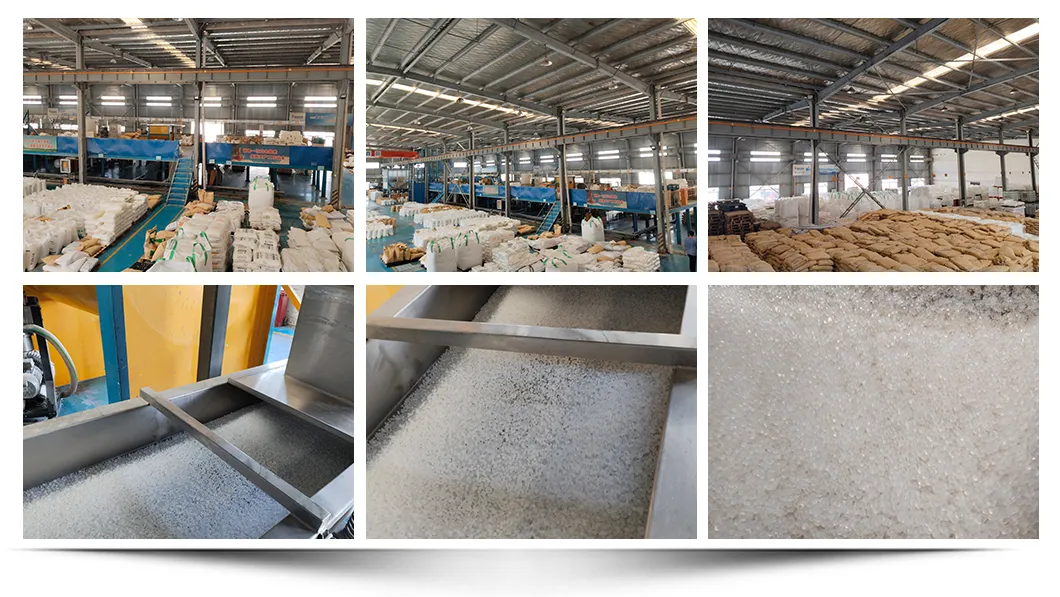
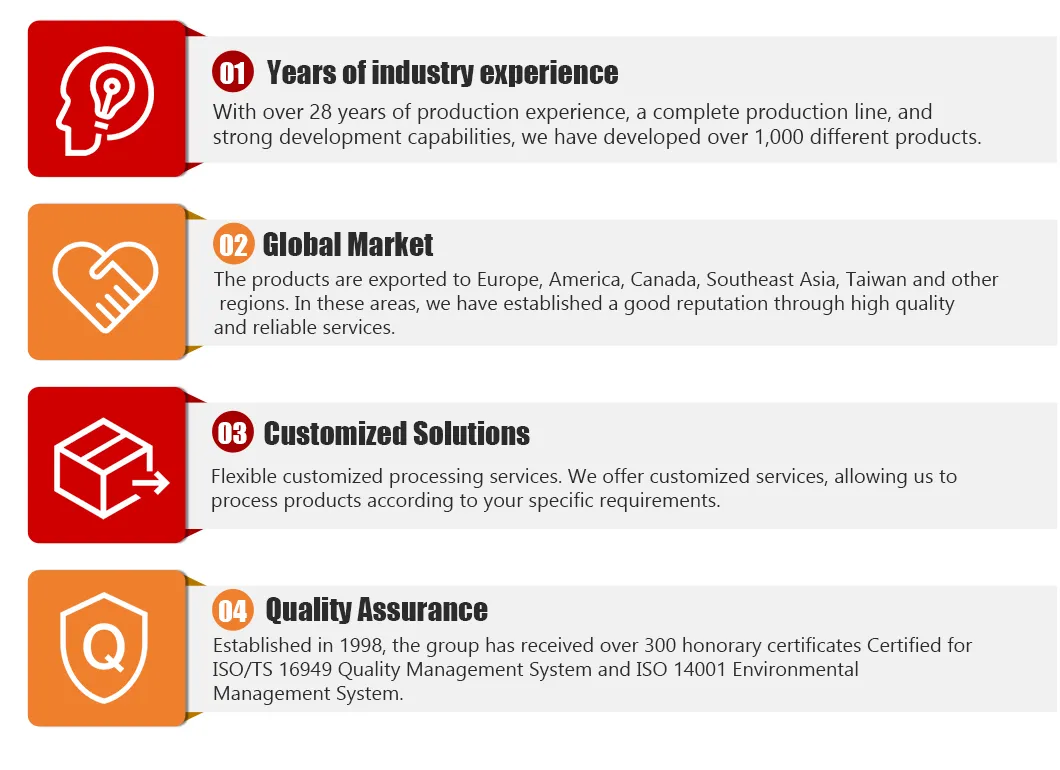
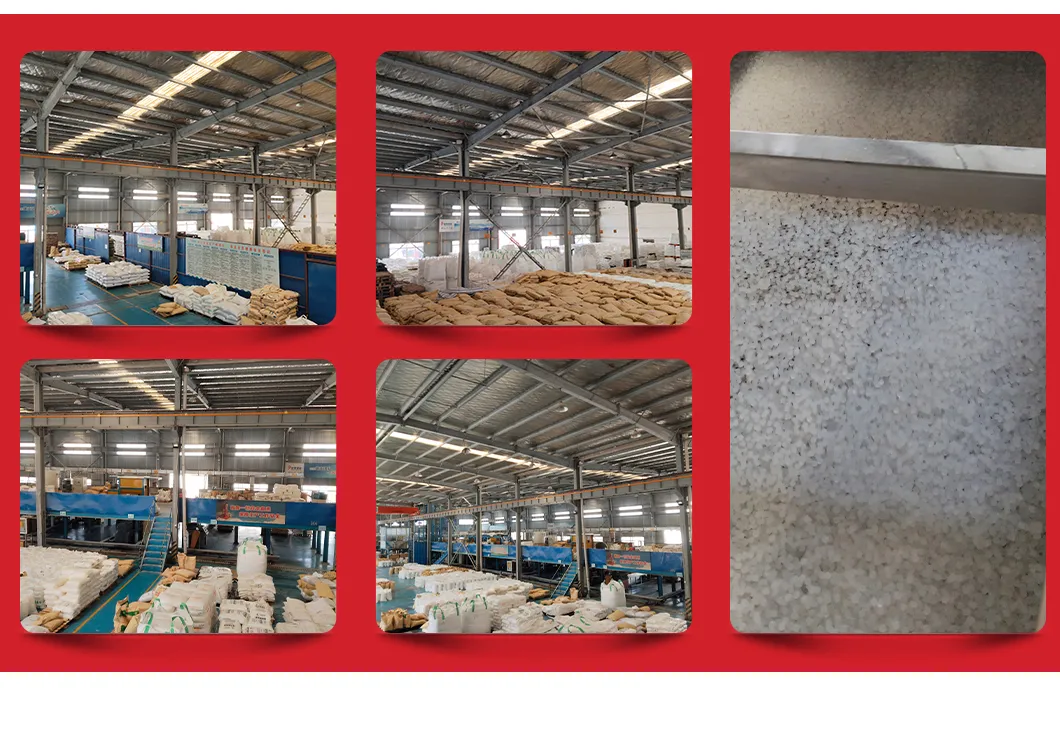
Our facility was established in 2012 and specializes in the production of environmentally friendly thermoplastic elastomer raw materials (TPV/TPE/TPR) with an annual capacity exceeding 20,000 metric tons. We utilize PLC automatic production control systems and operate as an all-in-one R&D, production, and service enterprise.
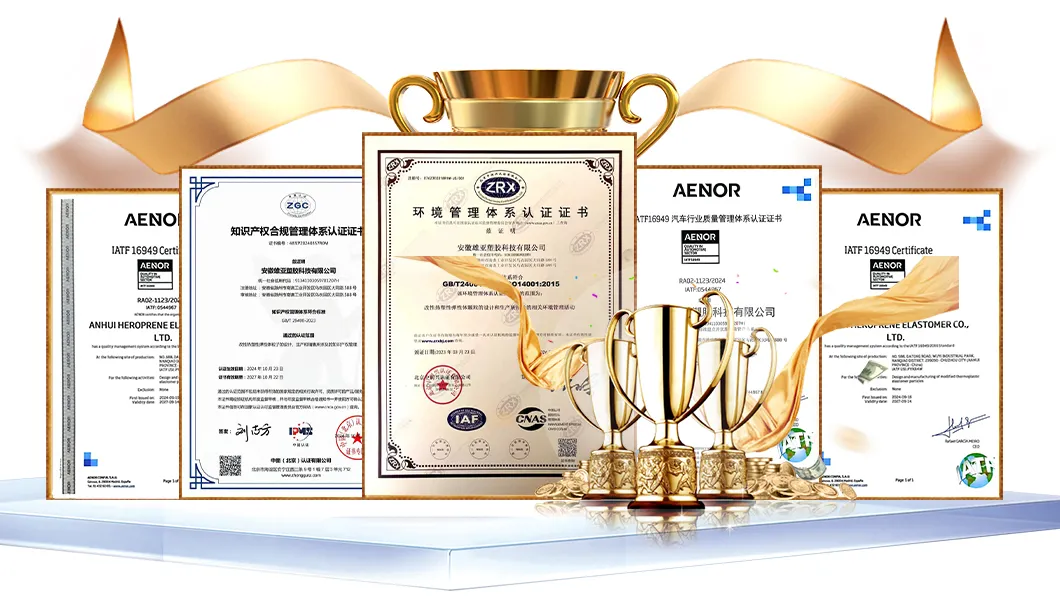
We are recognized as a high-tech enterprise and a member of the TPE Special Committee, holding over 50 invention patents. Quality is managed via ISO:TS16949 and ISO14001:2004 systems, with certifications from SGS, TUV, and FDA, meeting both ROHS and REACH requirements.
❓ Frequently Asked Questions
1. Are these TPE/TPV pellets safe for direct food contact applications?
Yes, our food grade series is specifically designed for direct food contact. The material is non-toxic, odorless, and features low migration properties. It has passed rigorous extraction tests including distilled water, olive oil, n-hexane, acetic acid, and ethanol.
2. Can medical grade TPV replace traditional rubber and silicone?
Absolutely. Our medical grade TPV is formulated to replace natural rubber and silicone rubber while offering superior cost performance. It contains no allergens or nitrous acid and maintains stable performance after multiple disinfection cycles.
3. What processing methods are supported for these pellets?
Our TPE/TPV pellets are compatible with common thermoplastic processing methods including injection molding, extrusion, and overmolding. They offer low mold shrinkage and excellent adhesion to substrates such as PP, ABS, PC, and PA.
4. How do you ensure low odor and low VOC for indoor applications?
We offer specialized low-odor and low-VOC grades engineered with optimized formulations to minimize volatile organic compound release, making them ideal for automotive interiors and household products.
5. Can you provide custom hardness and colors?
Yes, customization is available. We offer a wide hardness range (30A to 95A Shore A) and can match custom colors according to your specific requirements. Technical datasheets and samples are also available.
6. What is the shelf life and storage requirement?
The material should be stored in a cool, ventilated, and dry place. When stored properly, these thermoplastic elastomers maintain their physical properties for an extended period without degradation.
 Royflexa Rubber