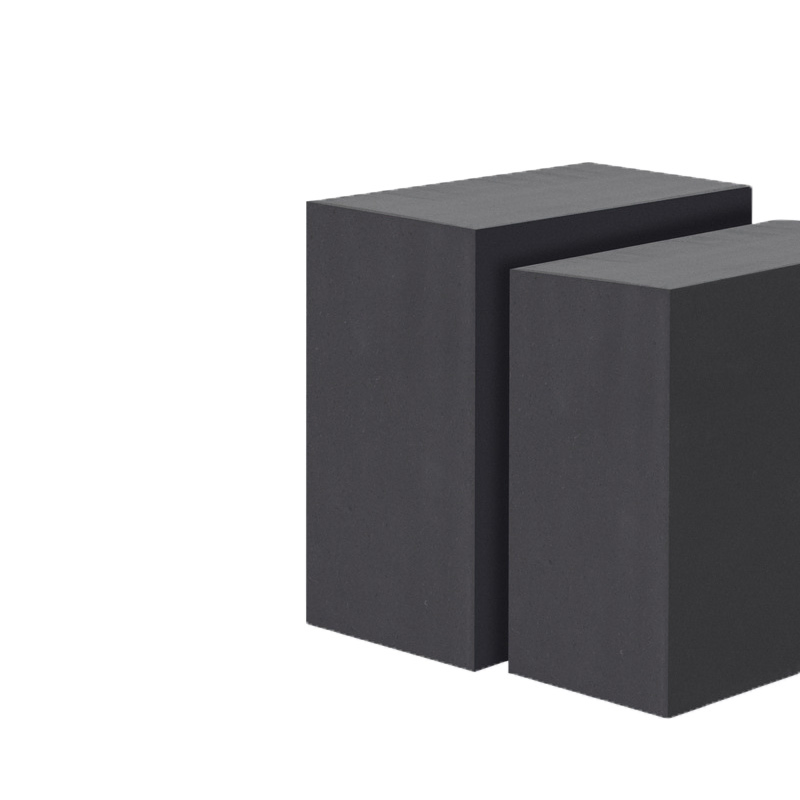
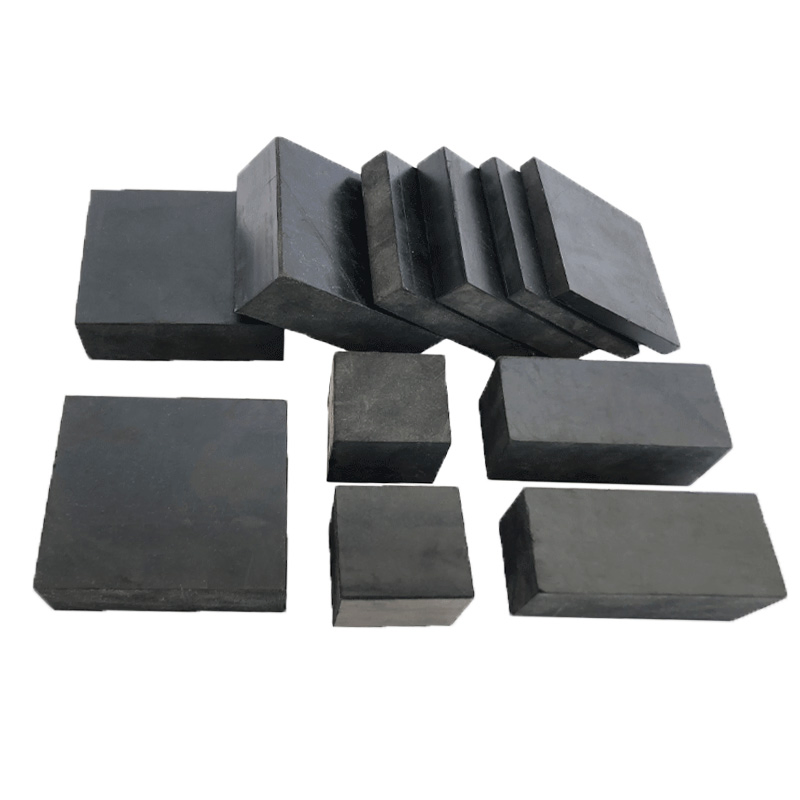
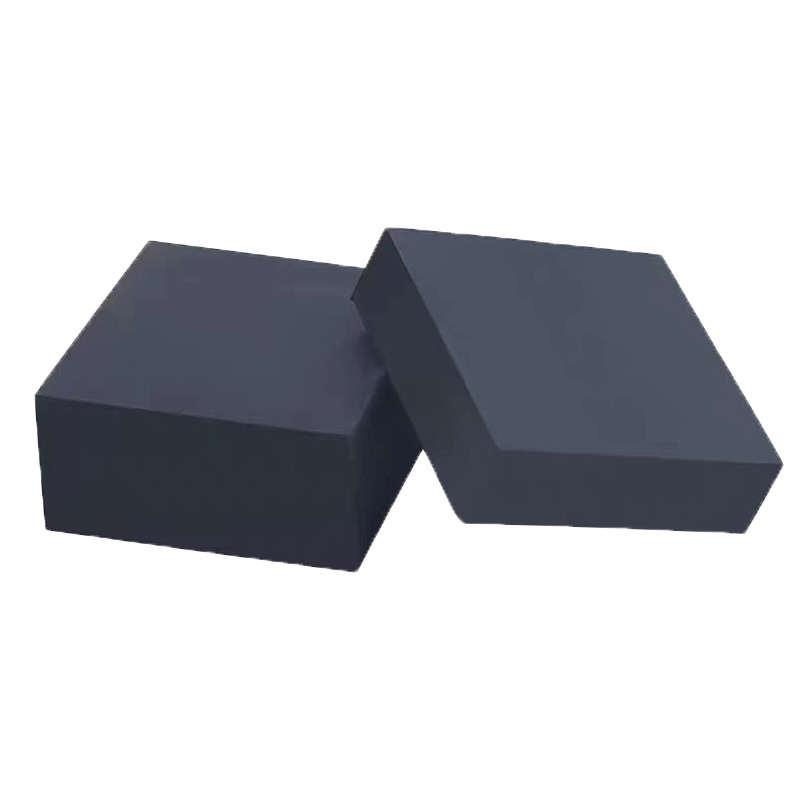
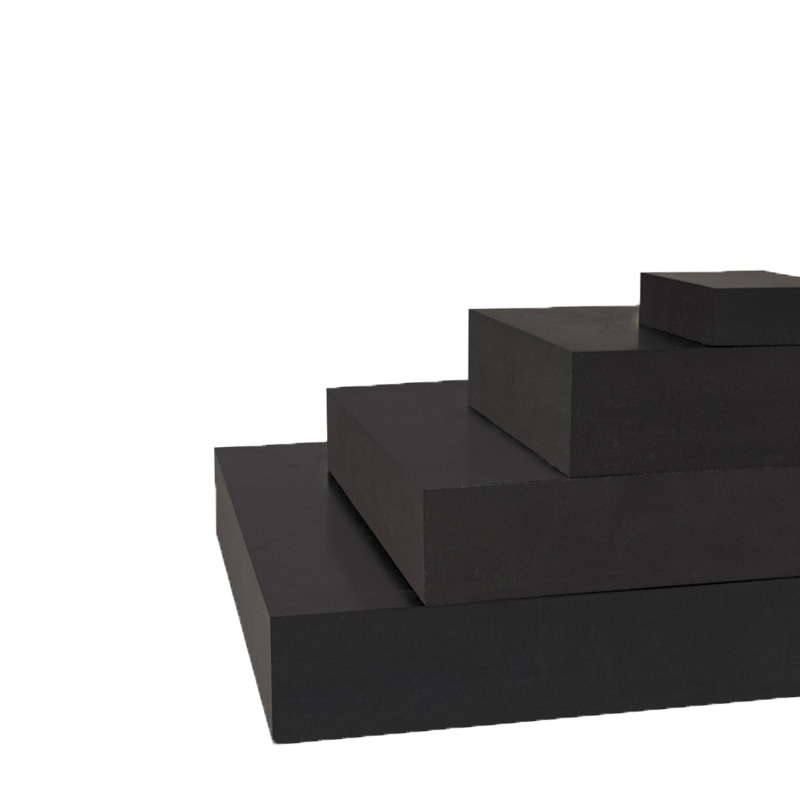
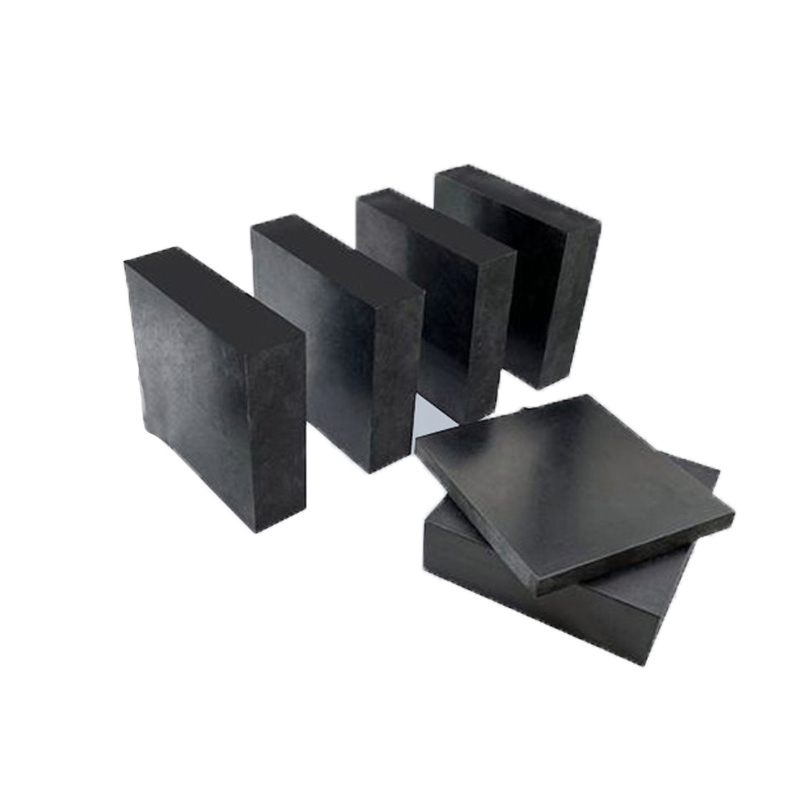
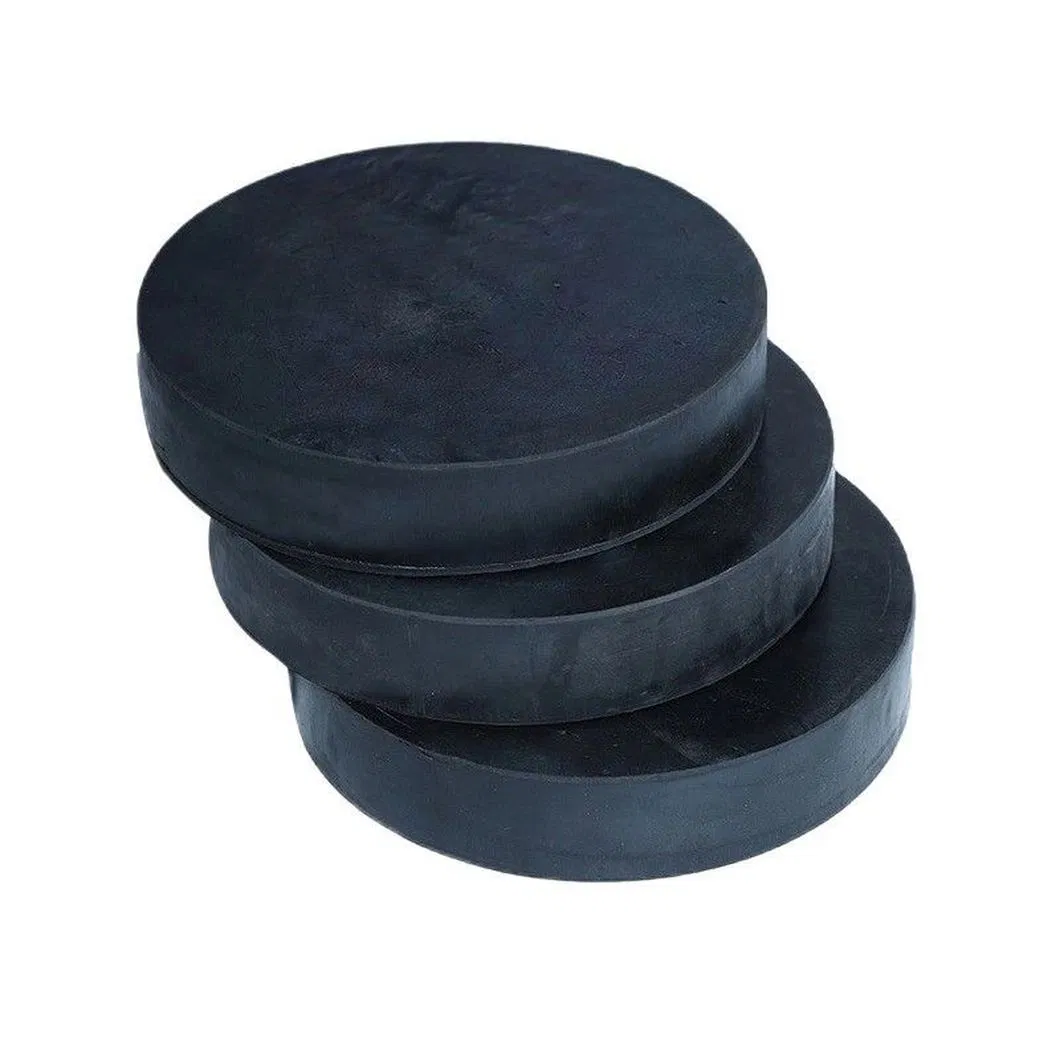
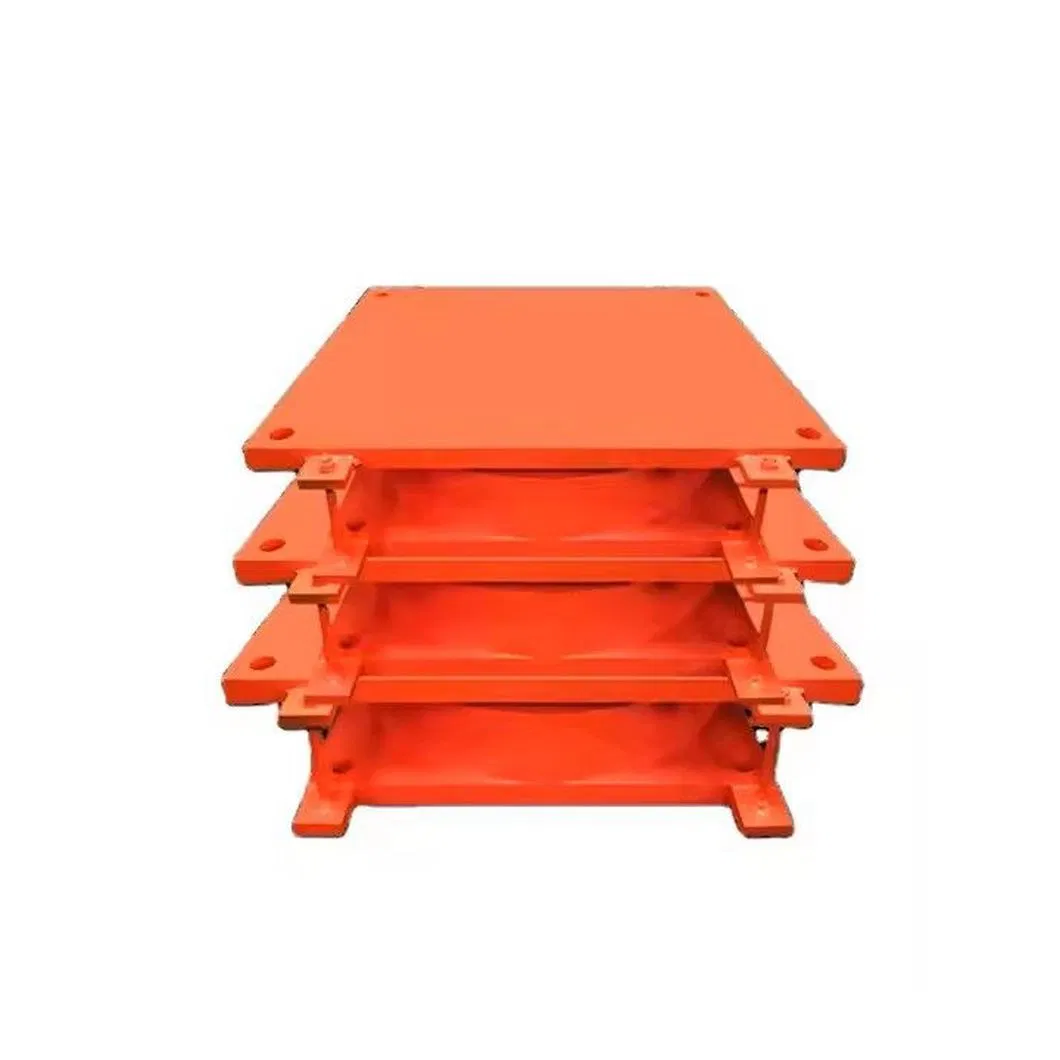
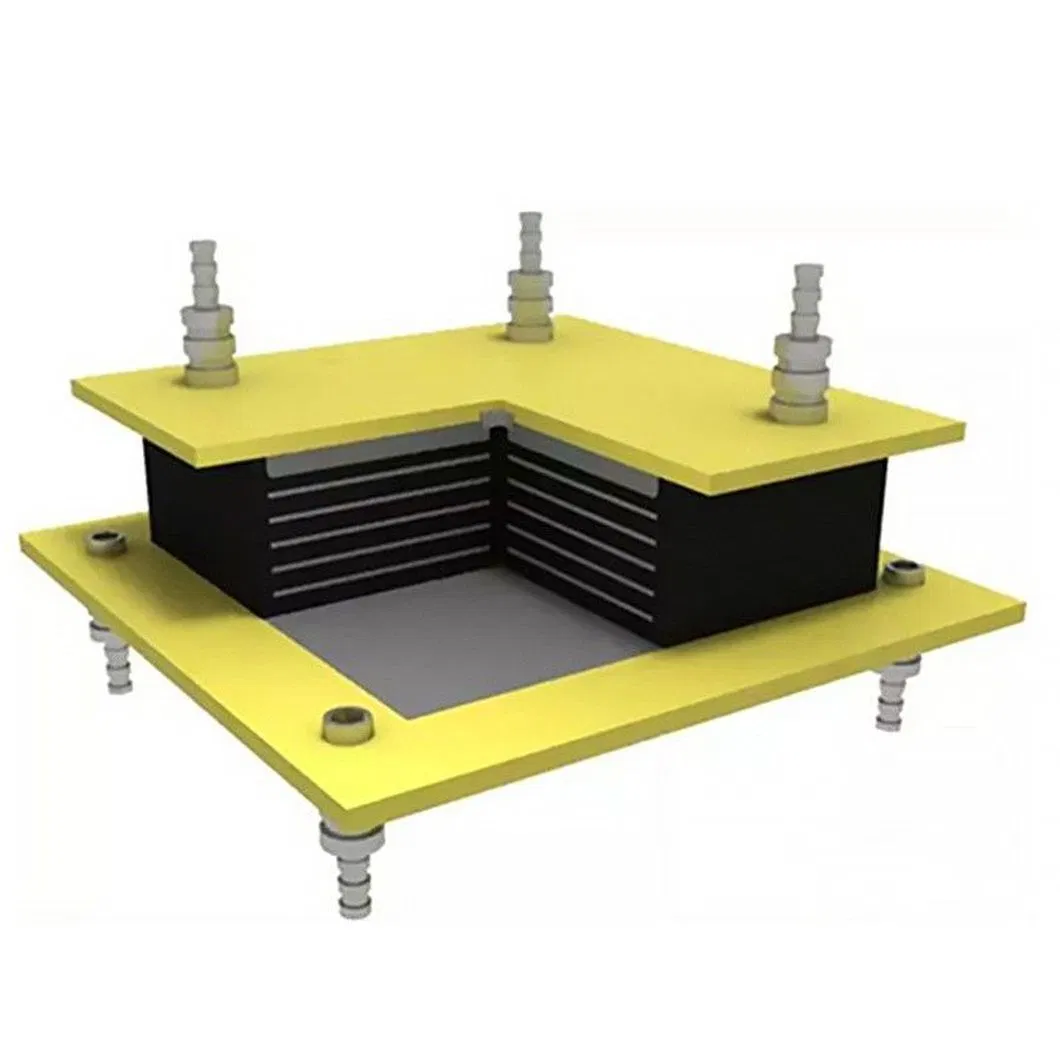
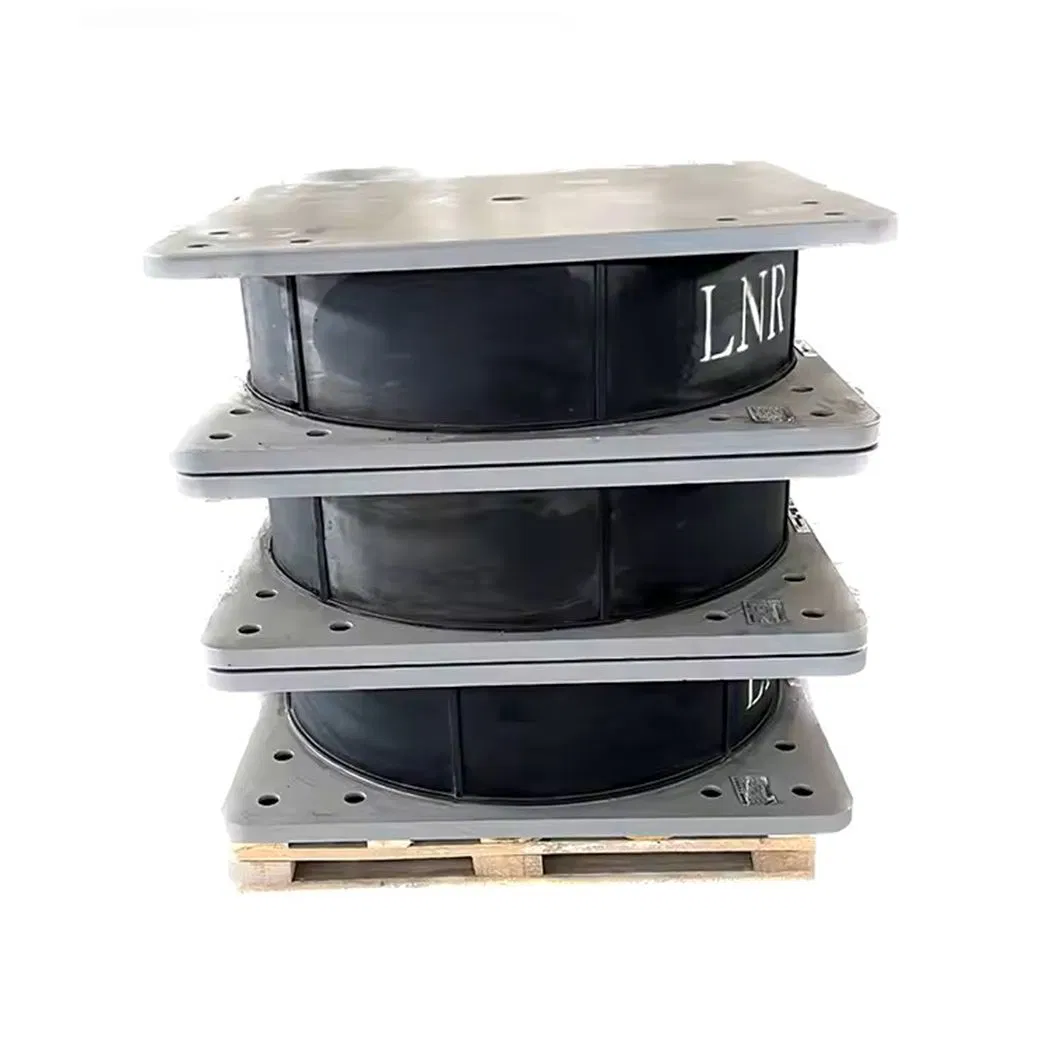
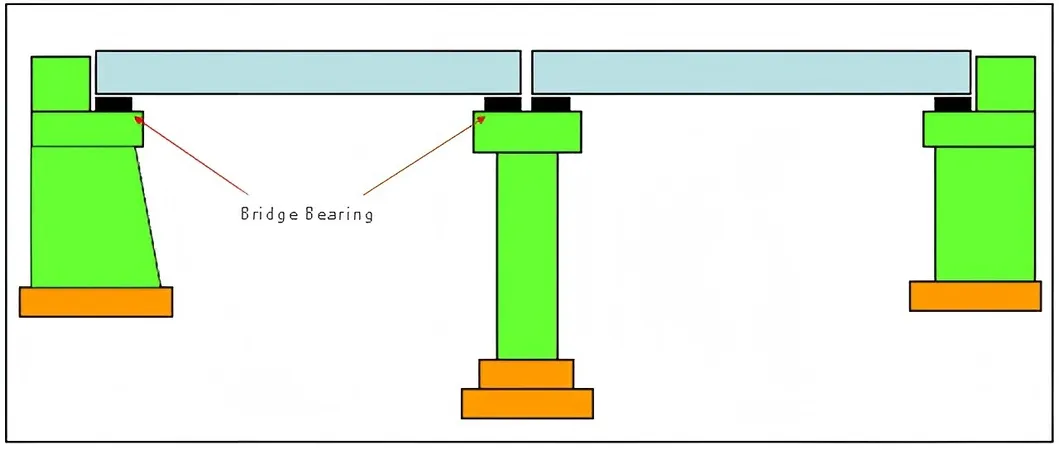
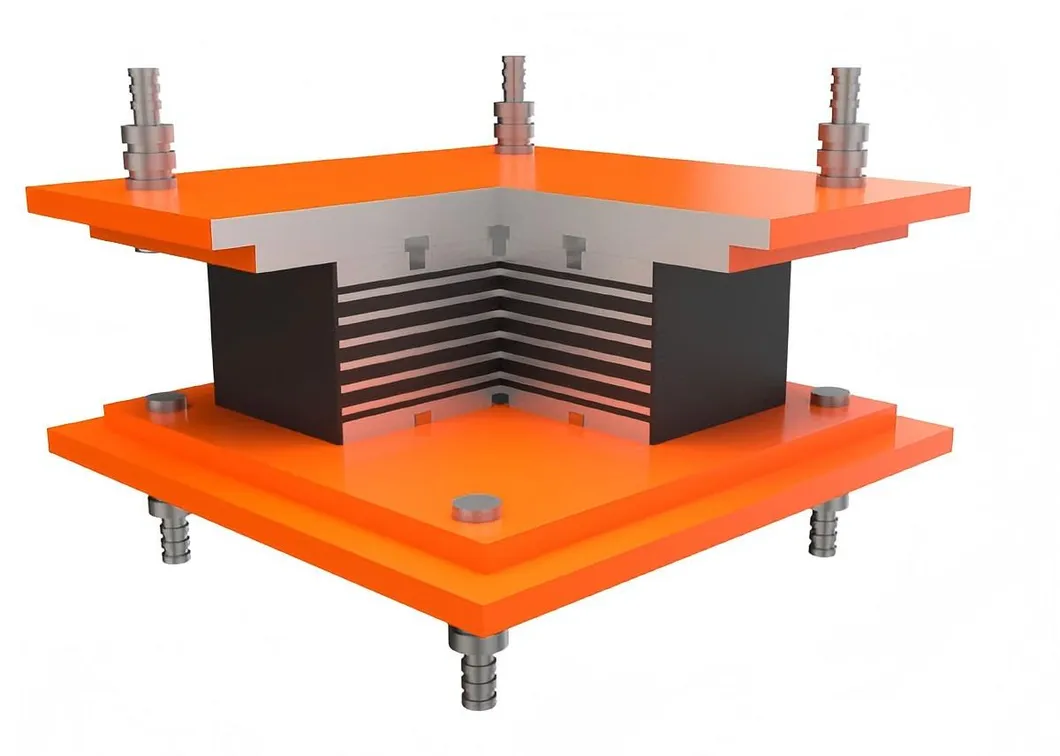
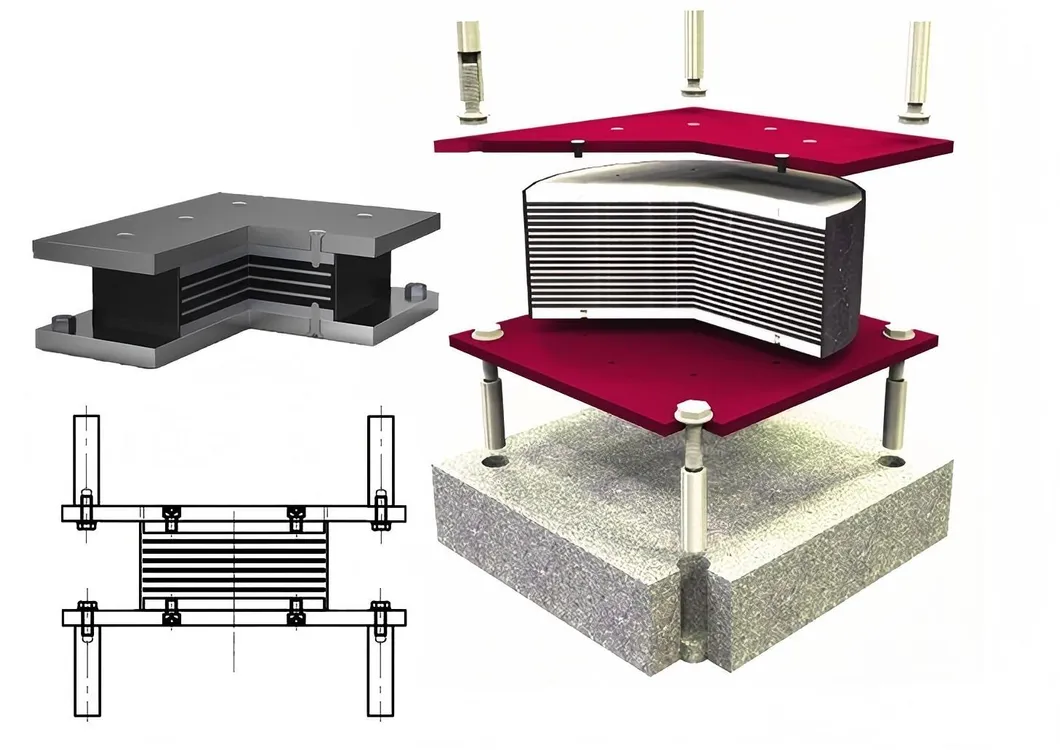
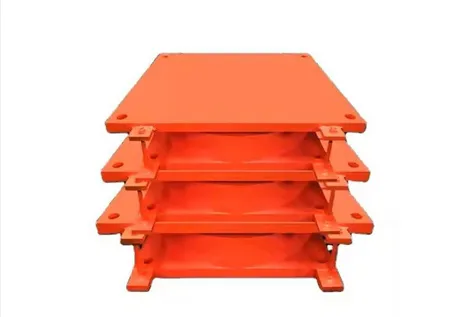
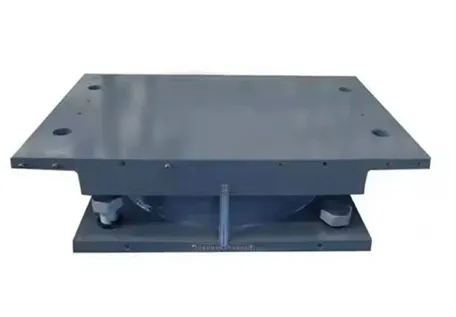
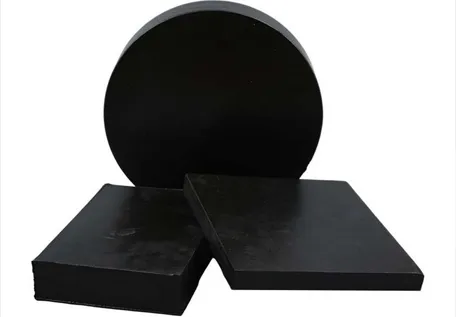
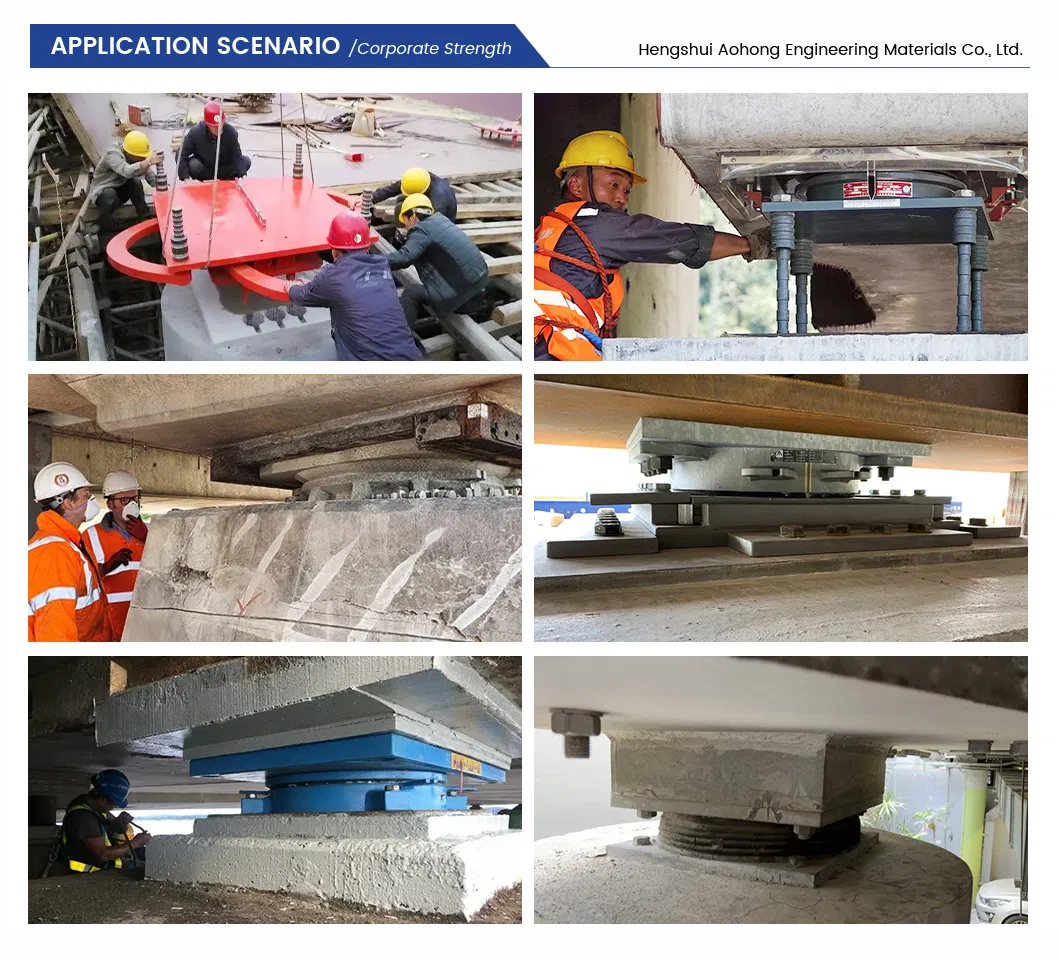
A Bridge bearing is a critical component that provides a resting surface between bridge piers and the bridge deck. Its primary purpose is to allow controlled movement, thereby reducing structural stresses. These movements are typically caused by thermal expansion and contraction, creep, shrinkage, or fatigue. External factors like ground settlement and seismic activity also necessitate the use of high-quality bearings.
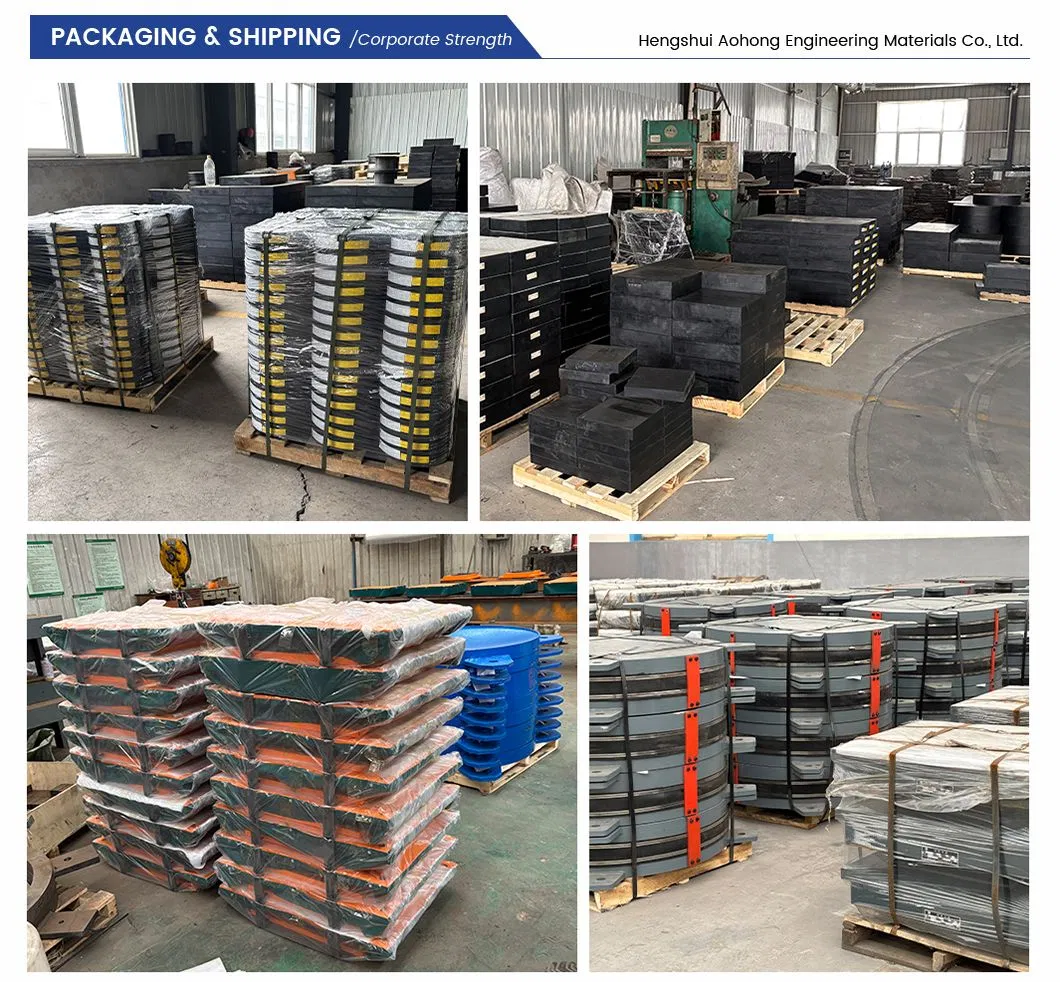
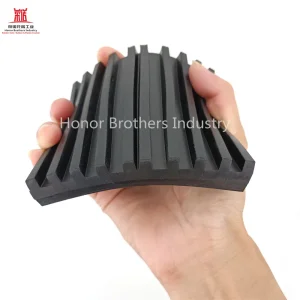
Our rubber elastomeric bearing pads are designed with sufficient vertical stiffness to support heavy loads while transferring pressure from the superstructure to the abutment. They are increasingly favored in modern construction for their reliability and shock absorption properties.
Function: Transferring various loads from the superstructure to the pier and adapting to variable positions (displacement and rotation) generated by load, temperature changes, and concrete shrinkage.
Good Technical Performance
Easy installation, selection of premium raw materials, and excellent technical support.
Carefully Selected Raw Material
Utilizing high-grade natural rubber and reinforced steel for maximum durability.
Strong Carrying Capacity
Designed to withstand massive vertical loads and accommodate horizontal displacement.
Easy Installation
Simplified design for quick onsite setup, saving time and labor costs.
?
Frequently Asked Questions
Q1: What is the primary function of a bridge bearing?
A bridge bearing Transfers loads from the superstructure to the pier and adapts to displacement and rotation caused by temperature changes, seismic activity, and load variations.
Q2: What materials are used in your bridge bearings?
We use high-quality natural rubber or chloroprene combined with reinforced steel plates. Surface treatments include hot galvanizing or specialized painting for corrosion resistance.
Q3: Can the size and specifications be customized?
Yes, we offer both standard specifications and full OEM/ODM customization services to meet specific architectural drawings and engineering requirements.
Q4: What is the operating temperature range?
Our bearings are designed to perform reliably in extreme environments, with a standard operating temperature range from -40°Celsius to +60°Celsius.
Q5: Are the products tested before delivery?
Yes, all goods undergo rigorous quality testing, including tensile strength and elongation at break tests, to ensure they meet international standards like DIN, JIS, and ASTM.
Q6: What is the minimum order quantity (MOQ)?
Commonly our MOQ is 10 PCS, but this can vary depending on the specific product type. Please contact us for detailed requirements.
 Royflexa Rubber