High-performance custom engineering materials designed to meet the rigorous physical and environmental constraints of Sub-Saharan operational conditions.
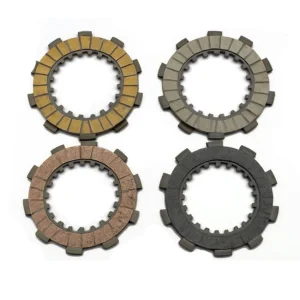
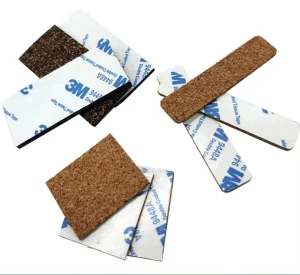
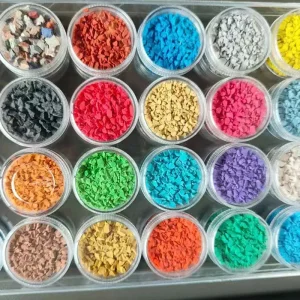
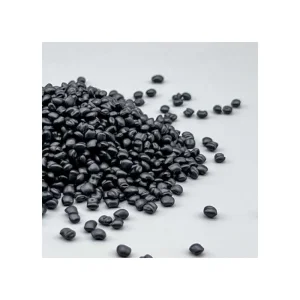
As one of Southern Africa's rapidly industrializing nations, Namibia's mineral extraction, electrical infrastructure, and shipping sectors face intense mechanical stresses. Operations spanning the dry Namib Desert to the high-saline coastal zones of Walvis Bay and Lüderitz demand materials capable of maintaining physical integrity under extreme thermal fluctuations.
Traditional industrial elastomeric materials frequently fail under the combined stressors of Namibian UV exposure, dry thermal oxidation, and volatile chemical environments. The mining installations—especially the uranium mines of the Erongo region and the copper operations in Otavi—rely heavily on robust gasket sheets to prevent fluid leaks, withstand vibration, and isolate high-voltage systems. High temperature cork rubber composite materials provide the exact physical properties needed: the natural compressibility and recovery of premium cork matrix structured within a robust, synthetic rubber carrier (such as Nitrile or Neoprene).
Whether utilized in the heavy electrical transformers of the NamPower electrical grid, the vibratory processing machinery in diamond mining vessels, or the heavy locomotives of the Trans-Kalahari corridor, cork-rubber represents an indispensable class of engineering materials. We ensure our materials are customized to withstand heat reaching up to 180°C while resisting chemical erosion from mineral oils and acids.
Understand the thermodynamic properties that prevent structural degradation under high mechanical load and intense heat.
High Temperature Cork Rubber combines the compressibility of natural cork with the elastomeric flexibility of synthetic rubber compounds. Unlike pure rubber which flows laterally under compressive force, cork rubber undergoes volume compression with minimal lateral movement, making it highly effective in flat gasket configurations with restricted spacing.
| Material Grade | Elastomeric Binder | Temp. Resistance Range | Density (g/cm³) | Typical Namibian Application Scenario |
|---|---|---|---|---|
| Royflexa CR-N80 | Nitrile Rubber (NBR) | -30°C to +130°C | 0.75 - 0.85 | Transformer Gaskets, Fuel and Oil Sealings, Automotive Engines |
| Royflexa CR-S90 | Silicone / High-Temp Elastomer | -40°C to +180°C | 0.80 - 0.90 | Uranium Mining Furnace Seals, High-temperature Heat Exchangers |
| Royflexa CR-C75 | Chloroprene (Neoprene) | -35°C to +120°C | 0.70 - 0.80 | Walvis Bay Marine Vessels, Weatherproof Outdoor Enclosures |
| Royflexa CR-E60 | EPDM Rubber | -40°C to +130°C | 0.65 - 0.75 | Outdoor Solar Energy Arrays, Steam & Hot Water Sealing Gaskets |
Your Global Manufacturing Partner for Advanced Sealing Materials, Thermal Management Gaskets & Engineering Polymers
Dongguan Royflexa Rubber Co., Ltd. is an export-oriented, comprehensive and diversified large-scale private enterprise. We take the production of high-performance paper, gasket materials of flexible graphite, asbestos & non-asbestos, carbon black, and advanced gasket & packing as our core pillar industries. Concurrently, we are active in international foreign trade, industrial material scientific research, and localized distribution networks.
Since our establishment in 1996, utilizing flexible management structures and continuous manufacturing innovation, the group has transitioned from a localized trading agent into a global scientific research and manufacturing entity.
Our company conforms strictly to international standardized management systems. The group has successfully passed ISO quality, environmental, occupational health, and safety management system certifications, bringing the company onto an internationally standardized management track. By manufacturing our product catalog using advanced manufacturing techniques and world-class equipment, we ensure reliable quality and competitive pricing for projects in Namibia and beyond.
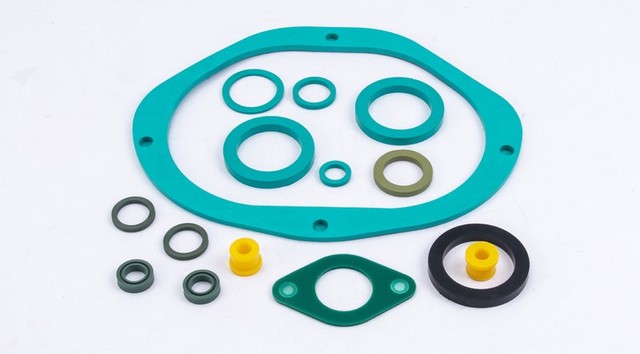
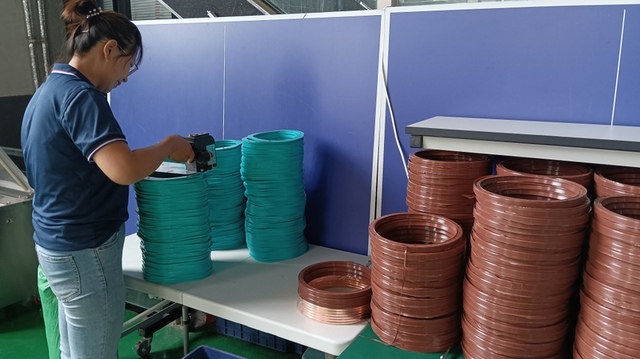
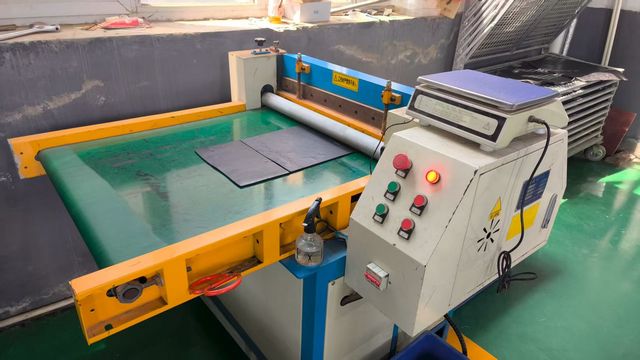
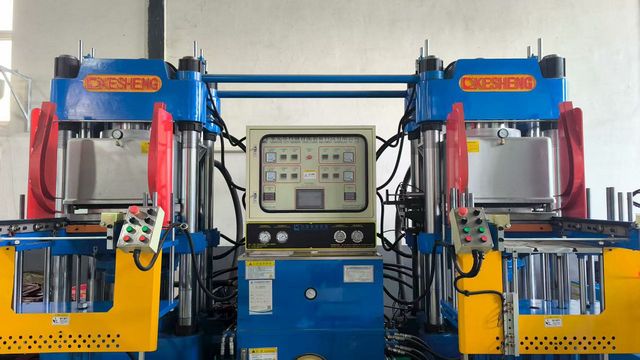
All items undergo rigorous structural and chemical analysis to verify compliance with global safety standards. Our manufacturing lines run around-the-clock, equipped with advanced vulcanization presses, digital die-cutting machinery, and high-frequency polymer compounding mills.
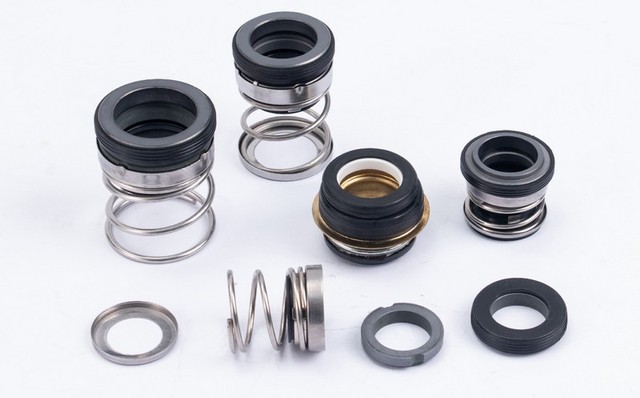
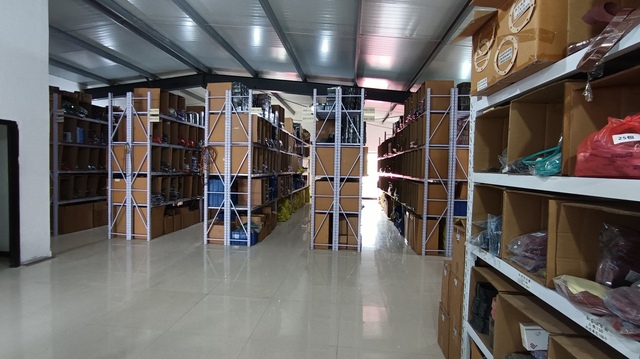
Unparalleled production capacities, rapid lead times, and seamless maritime transport routes to Walvis Bay Port.
Namibian procurement managers and heavy industries face structural hurdles when sourcing high-temperature sealing materials, including long local delivery times, limited customized options, and premium pricing from European intermediaries. Sourcing directly from Dongguan Royflexa Rubber Co., Ltd. provides a significant competitive advantage:
From custom die-cut dimensions based on CAD drawings to specific binder variations (NBR, EPDM, SBR), we engineer products tailored to your operational specifications.
By producing massive volumes of flexible graphite, asbestos, non-asbestos sheets, and polymer pellets, we pass significant cost savings to our Namibian clients.
We manage the export process from our factory to the Port of Walvis Bay, utilizing established ocean freight partnerships to ensure reliable delivery schedules.
Every shipment is accompanied by detailed Material Test Reports (MTRs) certifying tensile strength, density, compressibility, and heat resistance.
Discover how Royflexa's materials solve complex environmental and mechanical challenges across diverse Namibian industries.
Electricity transformers across Namibia operate in regions where ambient ambient temperatures regularly exceed 40°C in summer. These transformers use dielectric fluids that expand and contract under load, creating pressure fluctuations. Gaskets cut from our Royflexa CR-N80 (Nitrile Cork-Rubber) resist ozone degradation, prevent oil leakage, and maintain compression recovery over decades, reducing maintenance downtime across remote grid sites.
Uranium and copper milling involves high-impact crushers, slurry pumps, and shaker tables that generate continuous structural vibrations. Standard rubber sheets shear and flow outward under such stresses. Royflexa's high-density cork-rubber gaskets cushion structural interfaces, damp vibrations, and resist processing chemicals, preventing structural failure and material loss.
Ocean-going fishing trawlers and commercial cargo ships require sealings that resist salt-fog erosion, temperature extremes in engine rooms, and contact with fuels and lubricating oils. Our Neoprene-bonded cork-rubber sheets protect critical piping systems, marine hatches, and fuel storage tanks against leakage and sea-water ingress.
An extensive selection of heavy-duty industrial seals, sheets, and thermal solutions manufactured to strict international standards.
Our core industrial products and materials portfolio includes:
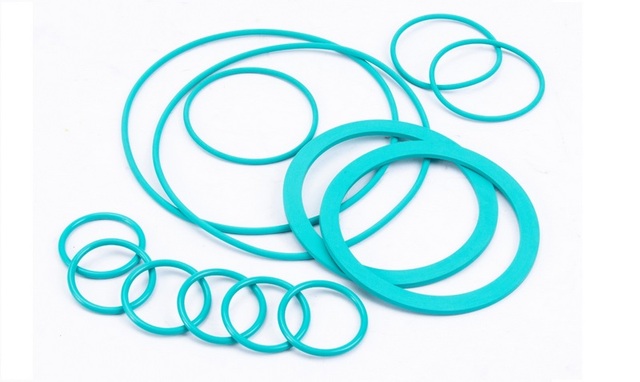
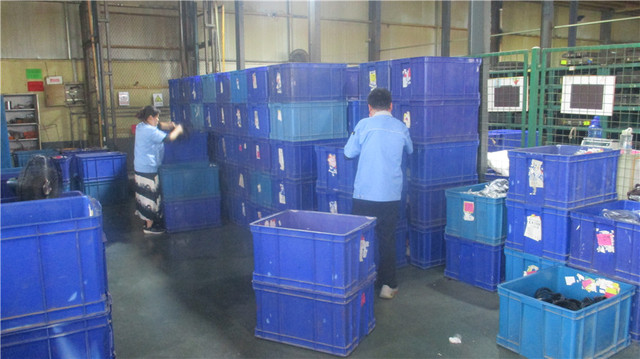
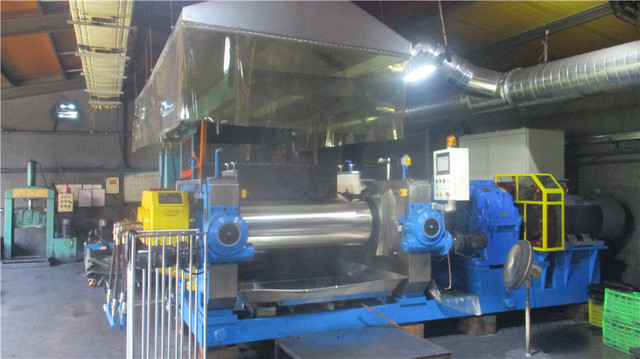
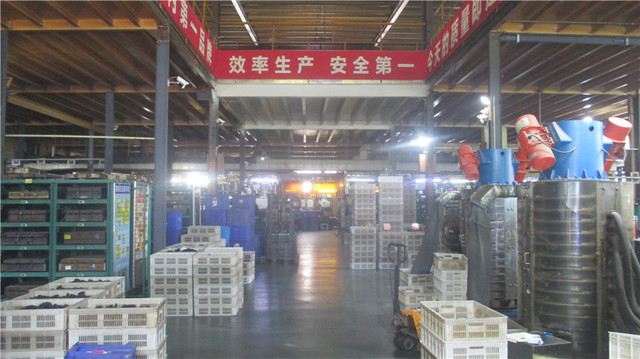
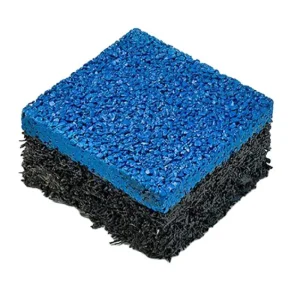
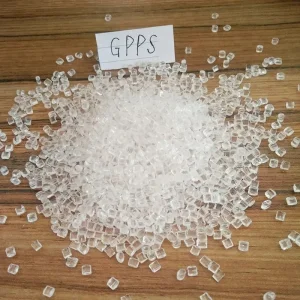
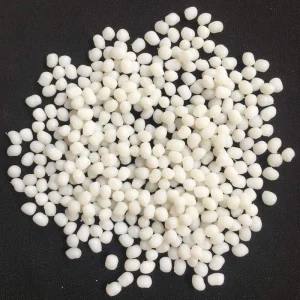
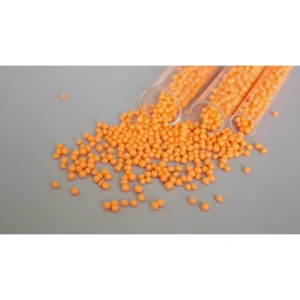
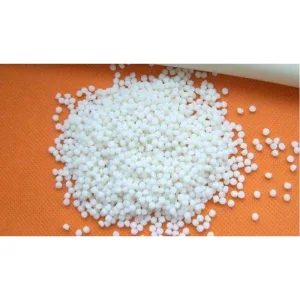
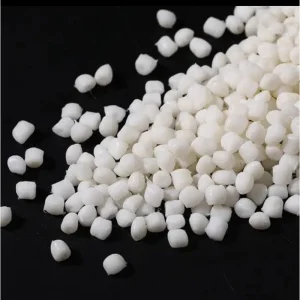
High-purity raw materials and elastomer pellets for manufacturing, injection molding, and consumer goods production in Namibia.

Key evolutionary vectors shaping the sealing and chemical processing material landscape over the next decade.
Regulatory frameworks across Africa, aligned with international standards, are accelerating the replacement of asbestos-based materials due to occupational health risks. High temperature cork rubber and structured PTFE represent effective alternatives, providing comparable thermal resistance without safety risks.
Modern engineering demands a lower carbon footprint. The integration of sustainably harvested natural cork with biodegradable or recyclable thermoplastic elastomer (TPE) matrices is gaining market share globally. Royflexa is investing in research to deliver low-VOC emissions and recyclable polymers.
For critical infrastructure such as offshore drill rigs and long-distance desert pipelines, operators require real-time leak detection. Smart gaskets integrated with conductive polymers or localized thermal sensors allow maintenance teams to identify degradation before a rupture occurs, protecting the surrounding environment.
Technical answers to help engineers and procurement teams source high-temperature materials for projects in Namibia.
Plain elastomer materials flow laterally under compressive force, leading to thickness reduction and potential leaks. Cork rubber compresses vertically with minimal lateral extrusion. The air cells within the natural cork matrix absorb compressive loads, while the synthetic rubber binder provides elasticity, fluid resistance, and durability under continuous heat up to 180°C.
Namibia's dry heat and high UV exposure degrade standard natural rubber gaskets, leading to cracking and structural failure. We add specialized antioxidants and UV stabilizers to our rubber compounds (such as EPDM and Nitrile binders) to ensure they resist dry thermal oxidation and ozone cracking in desert climates.
Yes. Our Nitrile (NBR) bonded cork rubber materials (Royflexa CR-N80) are engineered to resist mineral oils, silicone-based dielectric fluids, and fuels. They exhibit low swelling in contact with hydrocarbons, ensuring long-term sealing performance in electrical grid transformers.
Yes. We offer fully customized die-cutting and CNC waterjet cutting services. Clients can send us their technical drawings (CAD, DXF, or PDF), and we will manufacture and inspect the gaskets to ensure tight dimensional tolerances before shipping to Namibia.
Production lead times range from 7 to 15 days, depending on order volume and customization requirements. Ocean freight transport from Shenzhen/Guangzhou ports to the Port of Walvis Bay generally takes 30 to 40 days. Air freight is available for urgent, low-volume requirements.
Yes. Our production processes conform to ISO 14001 environmental management standards. All materials are certified free from harmful plasticizers and asbestos, and they meet European REACH and RoHS standards, making them suitable for eco-sensitive industrial projects.
For marine applications, we recommend our Chloroprene (Neoprene) bonded cork-rubber sheets. Neoprene provides excellent resistance to salt-water spray, oil droplets, ozone, and weather exposure, protecting critical components on offshore vessels and port infrastructure.
Gasket thickness depends on flange flatness, surface roughness, bolt torque, and internal system pressure. Thinner gaskets (e.g., 1.5mm to 3.0mm) are generally preferred for flat flanges under high pressure, as they resist blowout. Thicker sheets (e.g., 4.5mm to 6.0mm) are better suited for uneven or distorted flange surfaces that require greater compressibility.
Contact our technical engineering team today to request material samples, custom product configurations, and detailed pricing estimates for your industrial projects in Namibia.
Send Inquiry Now Royflexa Rubber