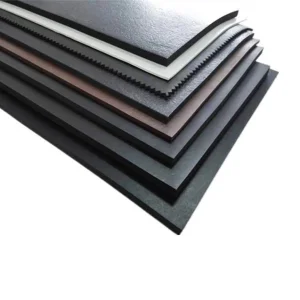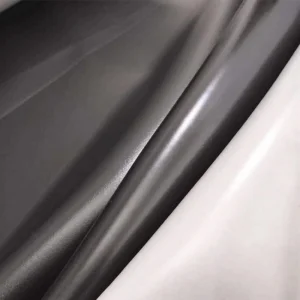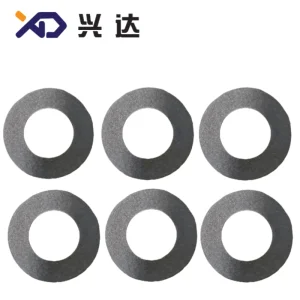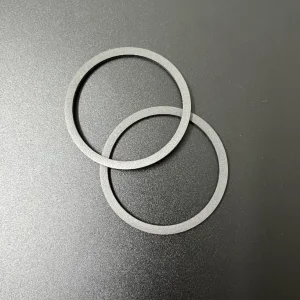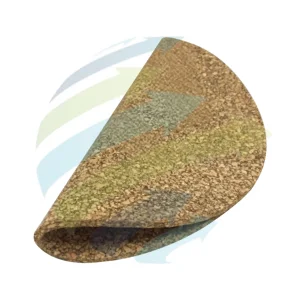
In modern electrical engineering, insulating materials are tasked with a dual function: maintaining high dielectric parameters under varying electrical potential fields, and mitigating physical stressors such as high-amplitude mechanical vibration and thermal expansion. Electrical insulation cork sheets represent a specialized material class that successfully integrates these requirements. Composed of natural suberin-rich cellular structures bound with high-performance synthetic elastomers (typically Nitrile/NBR or Neoprene/CR), these sheets exhibit exceptional thermal-mechanical properties.
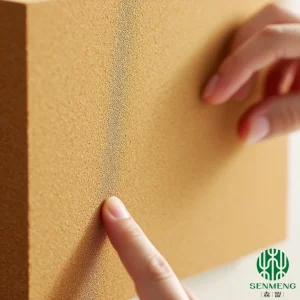
“The cellular structure of cork mimics a closed-cell honeycomb, containing approximately 40 million micro-cells per cubic centimeter. Each cell acts as a gas-filled cushion, demonstrating a Poisson's ratio of near-zero. This allows the material to compress without lateral expansion, making it unique among industrial elastomers.”
Unlike plain rubber sheets, which deform sideways under pressure and experience rapid aging when exposed to transformer mineral oils, electrical-grade cork sheets retain their elasticity. In power transmission systems, particularly distribution transformers and substations, vibration is a continuous source of structural wear. The micro-cellular air pockets in the cork act as acoustic and mechanical dampers, absorbing vibrations via high internal hysteresis losses, thereby preventing critical stress fractures in copper components and ceramic insulators.
In the southern district of Mahé, specifically within Takamaka, the combination of coastal wind patterns, saline atmospheric humidity, and persistent subtropical ambient temperatures creates a highly aggressive environmental profile for electrical distribution equipment. Marine salt mist deposits on outdoor transformer terminals lead to tracking currents and phase-to-ground leakage. Under these conditions, gasket reliability at joints is paramount to seal out ambient moisture and seal in dielectric fluid.
Localized microgrid infrastructure—including off-grid solar photovoltaic (PV) arrays, battery energy storage systems (BESS), and backing diesel generators for hospitality facilities—must be constructed using components that resist thermal oxidation. Traditional rubber gaskets degrade rapidly under Takamaka’s intense UV indices and atmospheric salinity. In contrast, NBR-bound cork composite sheets remain structurally stable, preventing oil leakage from oil-immersed distribution transformers. Preventing oil leakage is critical, as any escape of synthetic or mineral oils could jeopardize the fragile coastal ecosystems of the region.
As the electrical grid evolves toward decentralization and smart load management, material specifications are becoming increasingly stringent. The technical roadmap for electrical insulation cork composites is centered around two core developmental tracks: the transition to bio-based polymer binders and the enhancement of thermal dissipation parameters.
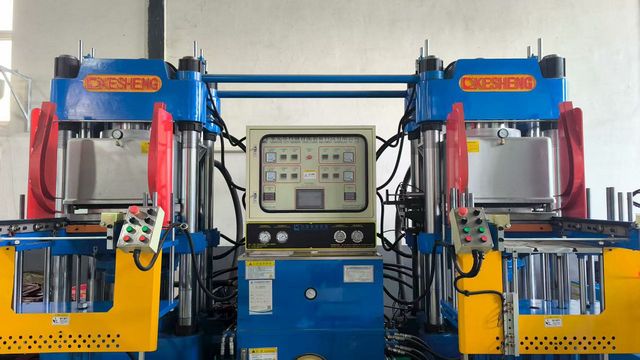
The traditional vulcanization processes are being replaced with advanced injection curing techniques using biodegradable, high-temperature polyurethane and silicone matrices. This formulation yields a gasket material with reduced outgassing and an operational threshold expanded beyond 130°C. Furthermore, research into nano-engineered additives, such as introducing boron nitride particles into the elastomer matrix, aims to increase thermal conductivity. This allows the sheet to act not only as an electrical insulator and mechanical damper but also as a thermal conduit, facilitating heat release from transformer cores.
For engineering contractors operating in Takamaka and the broader Indian Ocean region, sourcing industrial gaskets requires robust supply lines. Dongguan Royflexa Rubber Co., Ltd. stands as a premier exporter and manufacturer of specialized sealing and insulating components. Established in 1996, our company has evolved from a regional trade-focused operation into a diversified, scientific-research-led manufacturing powerhouse.
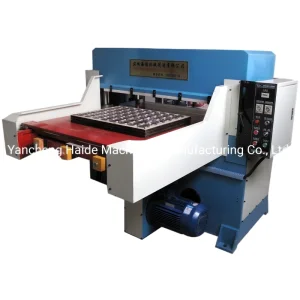
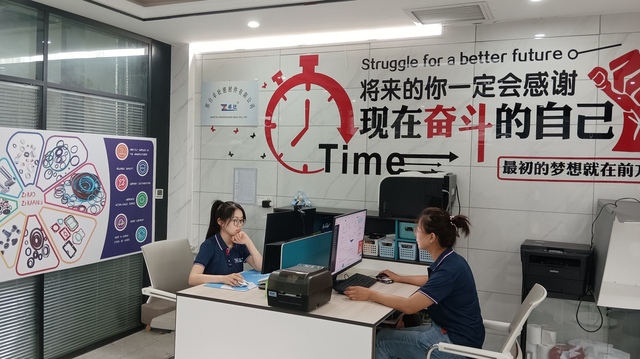
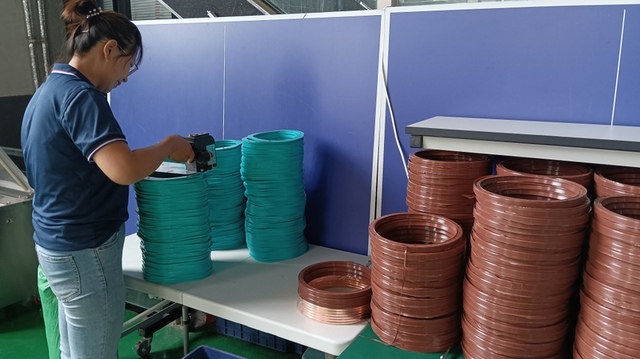
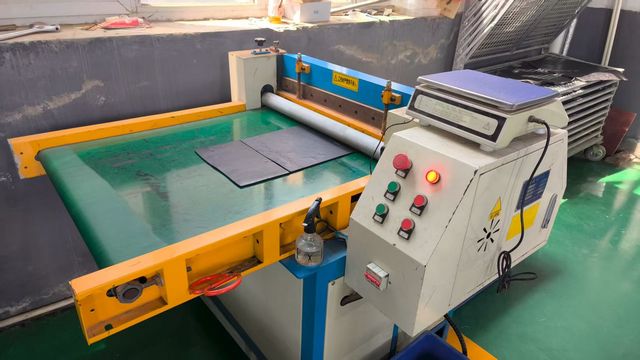
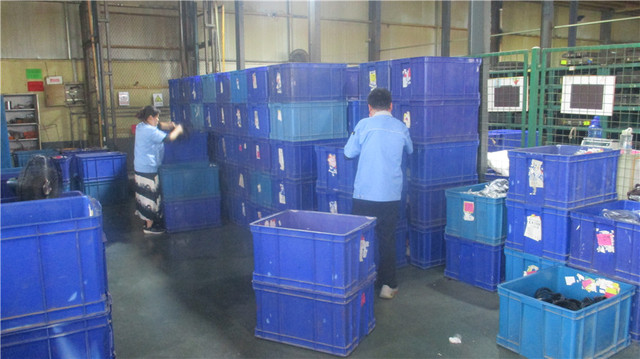
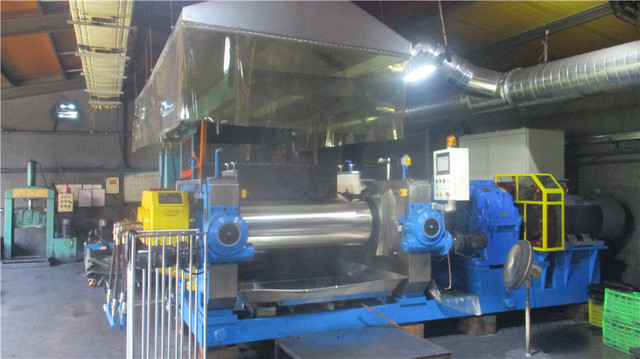
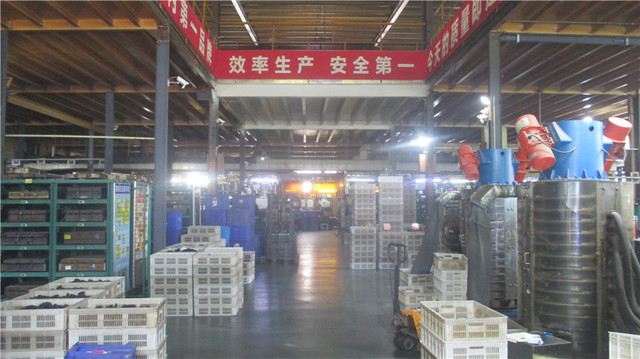
We operate out of a production facility equipped with international standardized management systems, including certifications under ISO 9001 for quality control, ISO 14001 for environmental compliance, and ISO 45001 for occupational health and safety. Our facility implements high-precision, automatic vulcanization and cutting lines, enabling us to deliver tight-tolerance gasket components. Our material sheets are engineered to comply with European and American testing standards, ensuring compatibility with all global transformer brands.
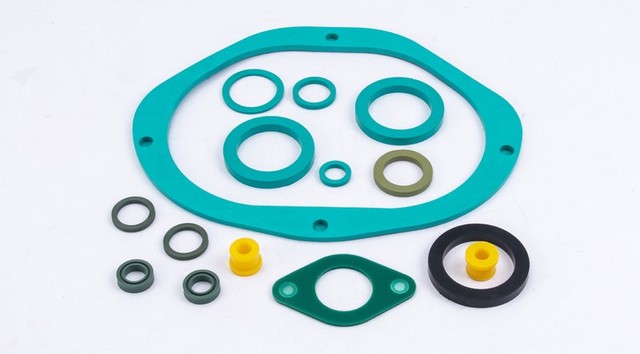
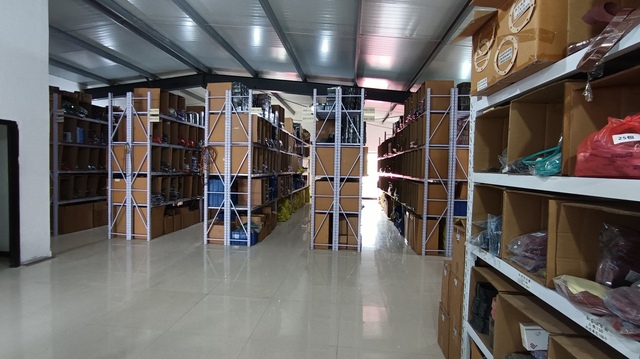
By managing the production cycle from raw cork aggregation to compound vulcanization and CNC profiling, we control lead times and cost bases. This ensures that even remote locations like Takamaka receive high-grade materials with predictable maritime transit timelines and minimal localized storage costs.
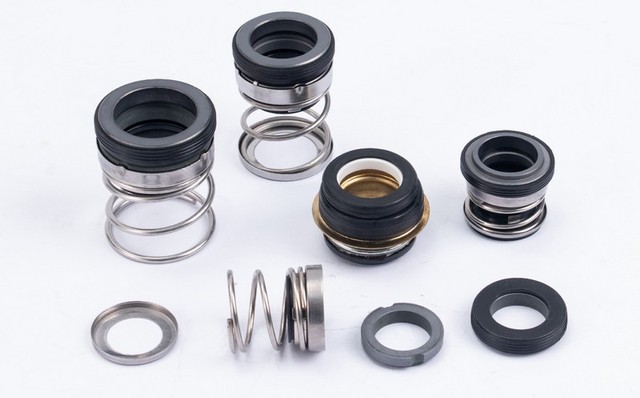
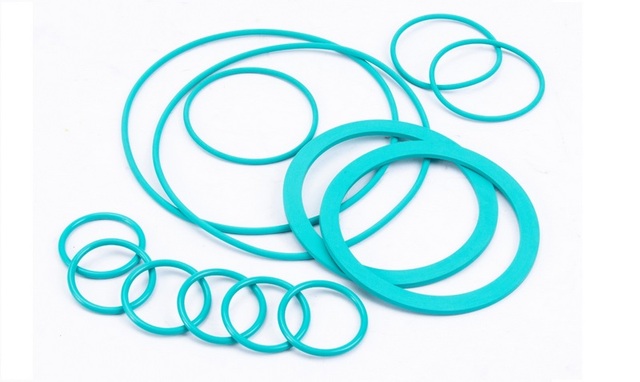
While our specialized Electrical Insulation Cork Sheets serve high-voltage systems, Dongguan Royflexa Rubber Co., Ltd. provides a broad portfolio of industrial gaskets, sealing sheets, packings, and insulation products configured for heavy industries, marine vessels, and thermal power facilities.
Generally, high-quality NBR or Neoprene bound cork-rubber sheets configured for electrical machinery present a dielectric breakdown voltage ranging from 1.5 kV to 3.0 kV per millimeter of thickness, depending on the rubber-to-cork ratio. They are highly efficient for low-to-medium voltage insulation barrier isolation and transformer flange sealing.
By incorporating Nitrile (NBR) binder molecules, the composite sheet obtains high swell resistance and chemical inertness when in contact with mineral, silicone-based, or synthetic ester transformer fluids. The cork cells themselves contain suberin, a natural fatty acid polymer that is highly hydrophobic and oil-repellent.
Yes. Natural cork exhibits natural resistance to fungal growth, rot, and moisture degradation. Bound with weather-resistant elastomers such as CR (Neoprene), the sheets resist degradation from salt air, ultraviolet light, and high ambient humidity, preventing galvanic corrosion at mechanical mating interfaces.
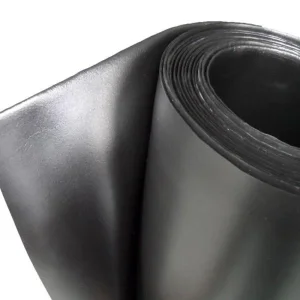
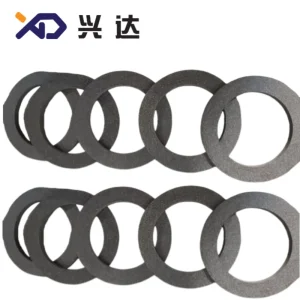
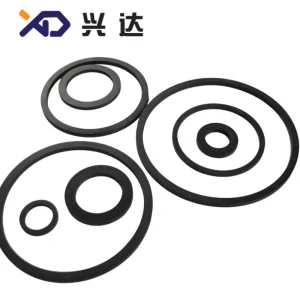
We supply raw rolls or sheets ranging from 1mm up to 150mm in thickness. Our facilities in China can process custom designs through high-precision die-cutting or water-jet cutting directly from CAD blueprints to ensure a perfect fit for transformer flanges.
 Royflexa Rubber