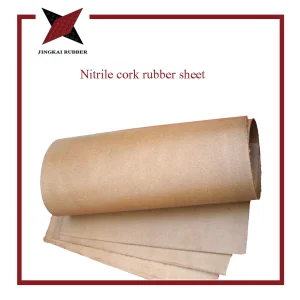
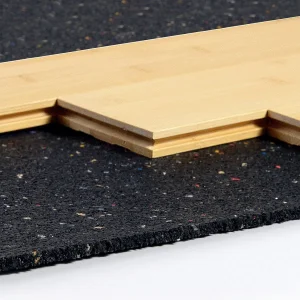
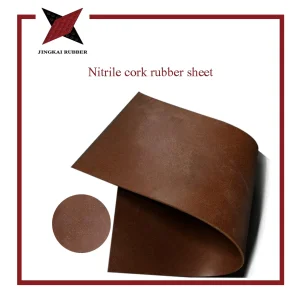
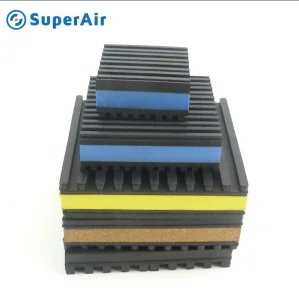
Select from our certified range of noise damping, acoustic isolation, and structural gasket systems.
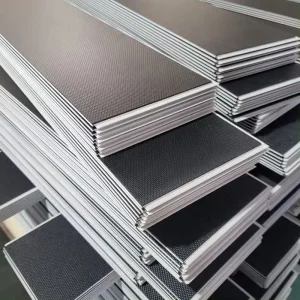
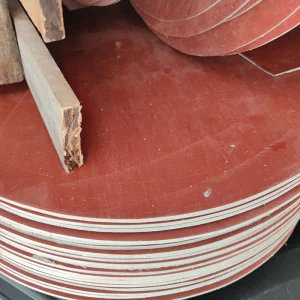
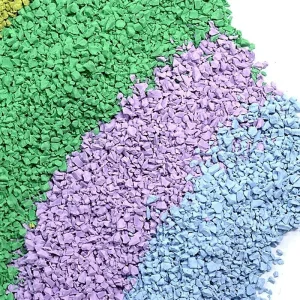
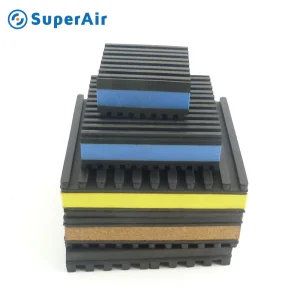
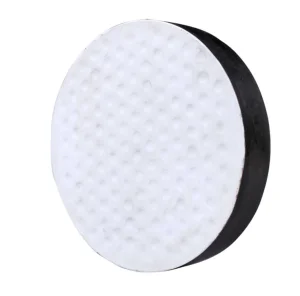
Industrial machinery, architectural structures, and precision electronics all encounter vibrational anomalies that can lead to structural degradation, high noise margins, and structural failures. Non-Slip Cork Rubber Pads represent a pinnacle of material science, combining the natural elasticity and high cellular density of cork with the robust, energy-absorbing capabilities of high-performance elastomeric polymers like Nitrile (NBR), Neoprene (CR), or Styrene-Butadiene Rubber (SBR).
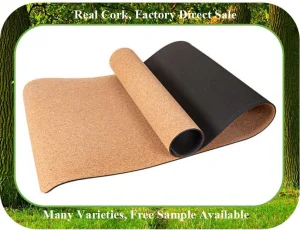
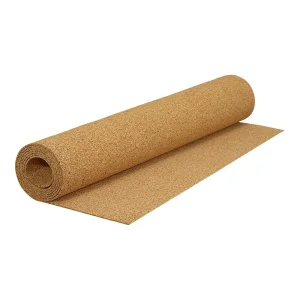
Cork consists of a closed-cell matrix containing millions of microscopic air pockets per cubic centimeter. Under compression, the air pockets compress, absorbing mechanical energy, acting as natural dampers. By combining this matrix with synthetic elastomers, the resulting compound displays a high coefficient of friction, high resistance to structural compression set, and stability when exposed to oils, ozone, and chemical solvents.
Key Insight: Unlike pure rubber pads which can bulge outwards under high load (increasing surface area but losing structural damping efficiency), cork-rubber composites undergo volumetric compression. The cork granules absorb load vertically without lateral expansion, maintaining dimensional stability and non-slip structural integrity.
The manufacturing process involves grinding natural cork to uniform granule sizes, which are then mixed with elastomeric binders under high temperature and hydraulic pressures. This creates a vulcanized product where the elastic property of the rubber prevents tearing, while the cork prevents the sliding of surfaces under heavy dynamic loads. In civil engineering projects, such as bridge spans and structural columns, the material acts as a load-distributing barrier that isolates acoustic shock waves.
As a premier supplier in China, Dongguan Royflexa Rubber Co., Ltd. supplies high-performance cork rubber pads globally to meet demanding supply chain requirements. The demand spans several core sectors:
Procurement teams evaluate cork rubber pads on mechanical, thermal, and chemical resistance parameters. Below is a detailed specification guide outlining our standard configurations.
| Property / Parameter | Standard Nitrile Cork (NBR-Cork) | Neoprene Cork (CR-Cork) | Heavy-Duty SBR Cork |
|---|---|---|---|
| Density (g/cm³) | 0.80 – 0.95 | 0.75 – 0.90 | 0.85 – 1.05 |
| Hardness (Shore A) | 70 ± 5 | 65 ± 5 | 75 ± 5 |
| Compressibility at 400 PSI (%) | 20 – 35 | 25 – 40 | 15 – 30 |
| Recovery rate (%) | > 80% | > 85% | > 75% |
| Tensile Strength (MPa) | Min. 2.0 | Min. 1.8 | Min. 2.2 |
| Operating Temperature (°C) | -30 to +120 | -40 to +110 | -25 to +100 |
| Oil Resistance (ASTM No. 3 Oil) | Excellent (<10% Swelling) | Moderate (<30% Swelling) | Poor (Not recommended) |
Our non-slip and damping components are certified to international standards, ensuring stability under continuous compression.
We utilize state-of-the-art testing equipment to confirm shear stress performance, oil-immersion swell factors, and dynamic spring-rates before batch release.
Our continuous research and development cycles seek to push the boundaries of vibration isolation limits, bio-durability, and sustainable manufacturing.
Transitioning from traditional petroleum-based synthetic binders to eco-friendly resins to lower environmental footprint.
Developing complex cross-linked molecular lattices to ensure stability in heavy-load bridge bearings.
Applying clean-peel pressure sensitive adhesives designed specifically for protective glass shipping pads.
Embedding micro-sensors directly within cork elastomer layers to report live loading stress data back to operators.
Dongguan Royflexa Rubber Co., Ltd. is an export-oriented, comprehensive and diversified large-scale private enterprise, taking the production of paper, gasket materials of flexible graphite, asbestos & non-asbestos, carbon black, and gasket & packing as the pillar industry, while also engaging in foreign trade, real estate, and scientific research simultaneously.
Since its establishment in 1996, by flexible management and continuous innovation, the group has achieved significant development—from a trading company to a business entity mainly engaged in scientific research and production.
We spare no effort to introduce international standardized management systems into our company. Our group has successfully passed ISO quality, environmental, occupational health, and safety management system certifications, improving product quality, environmental protection, production safety, and overall management level, and bringing the company onto an internationally standardized management track.
Paper, gasket materials of flexible graphite, asbestos & non-asbestos, carbon black, gasket & packing, and related products are all produced with world-class equipment and advanced manufacturing techniques imported by our company. These products offer reliable quality and competitive pricing. With a 60% increase in sales, our products have rapidly occupied markets both domestically and internationally and enjoy a strong reputation, earning wide recognition and praise.
All staff members of Dongguan Royflexa Rubber Co., Ltd., with renewed vigor and great enthusiasm, sincerely welcome friends and clients from all over the world to establish extensive cooperation and create a brilliant future together.
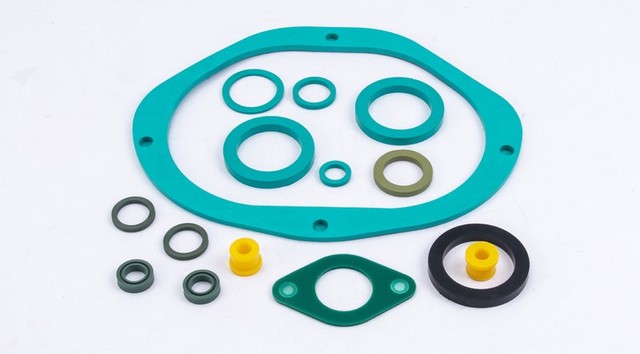
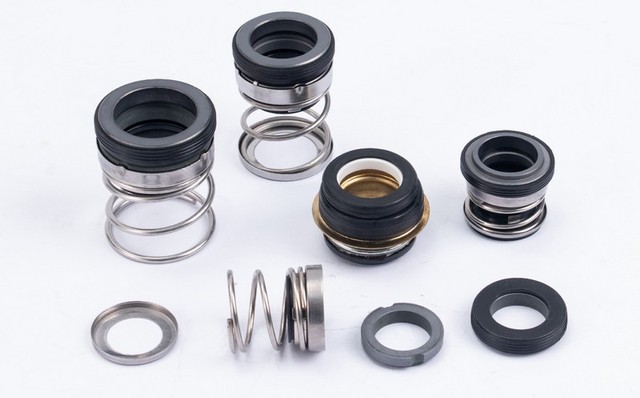
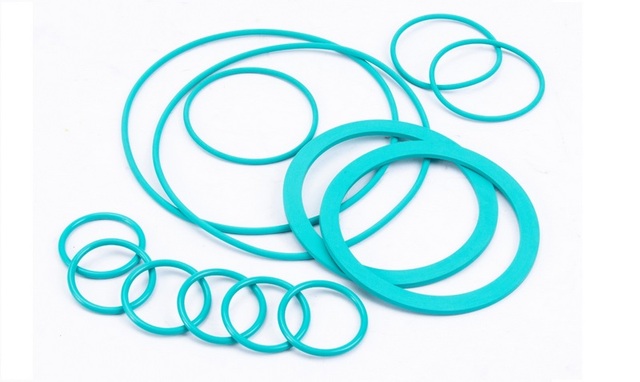
Apart from cork-rubber composites, Royflexa is a major manufacturer of sealing elements and industrial thermal solutions.
High temperature resistance, insulating materials, and thermal solutions engineered for severe environments:
Technical answers about Non-Slip Cork Rubber Pads performance, applications, and selection.
Highly durable solutions for structural support, shock-absorption, sound-proofing, and HVAC components.
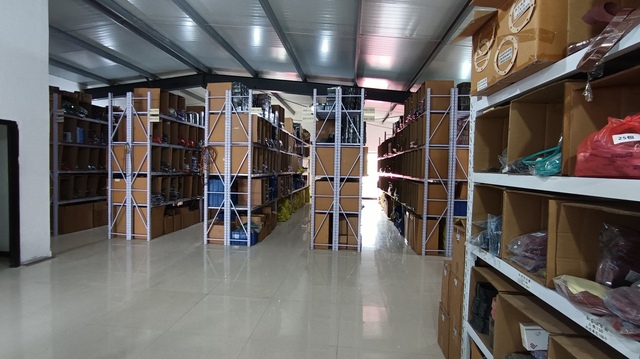
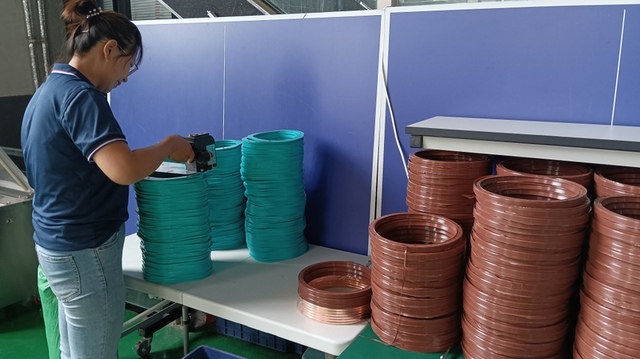
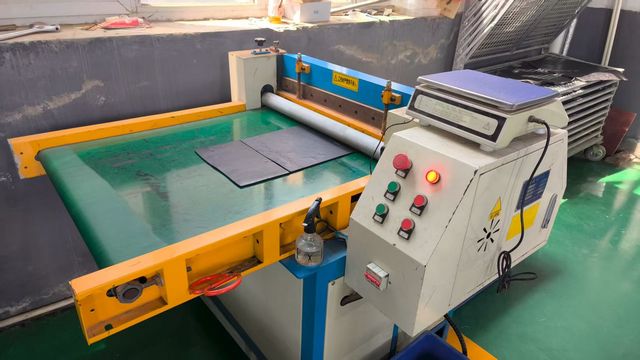
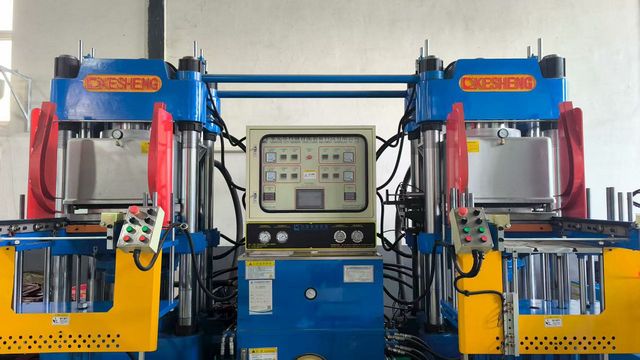
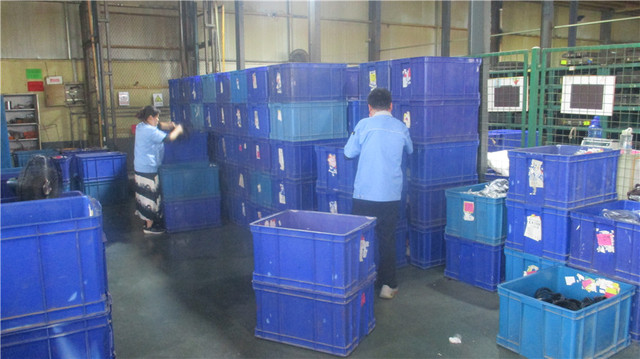
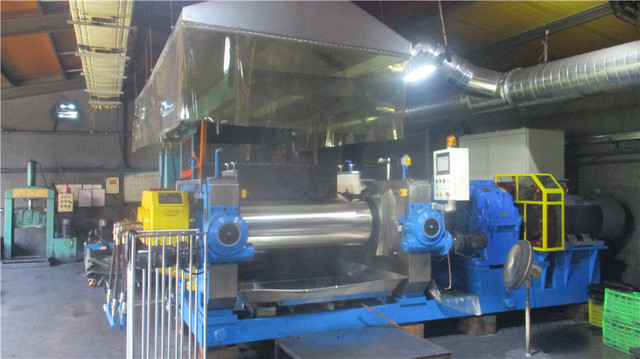
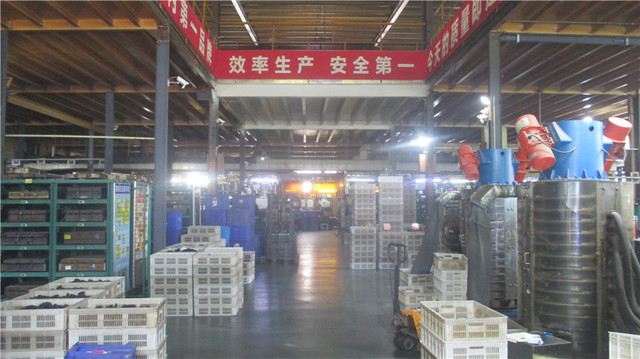
A visual tour of our production facility, showcasing raw sheet cutting, gasket manufacturing, and inventory packaging operations.
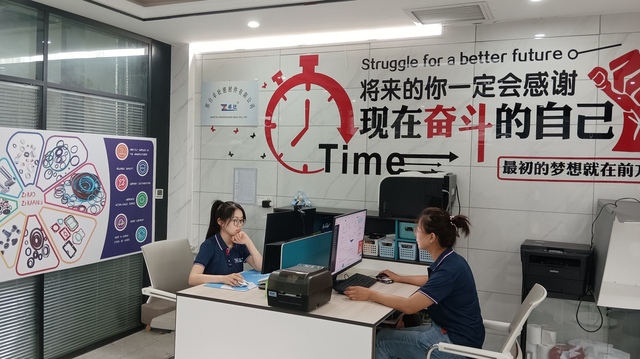
 Royflexa Rubber