📦
Product Description
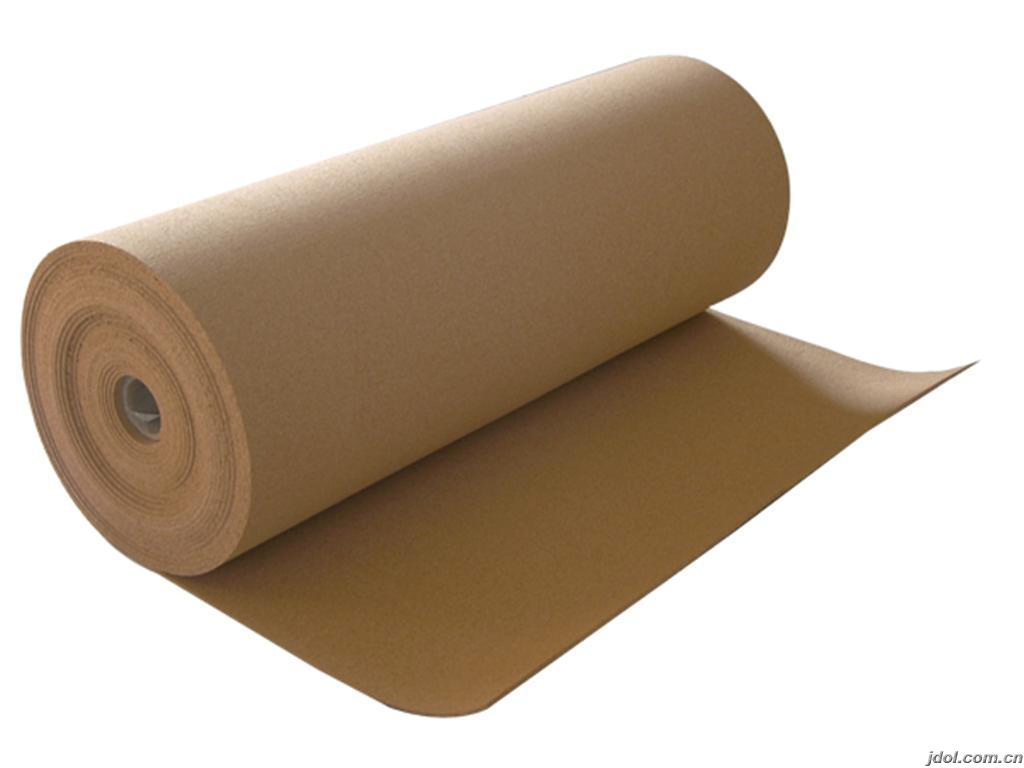
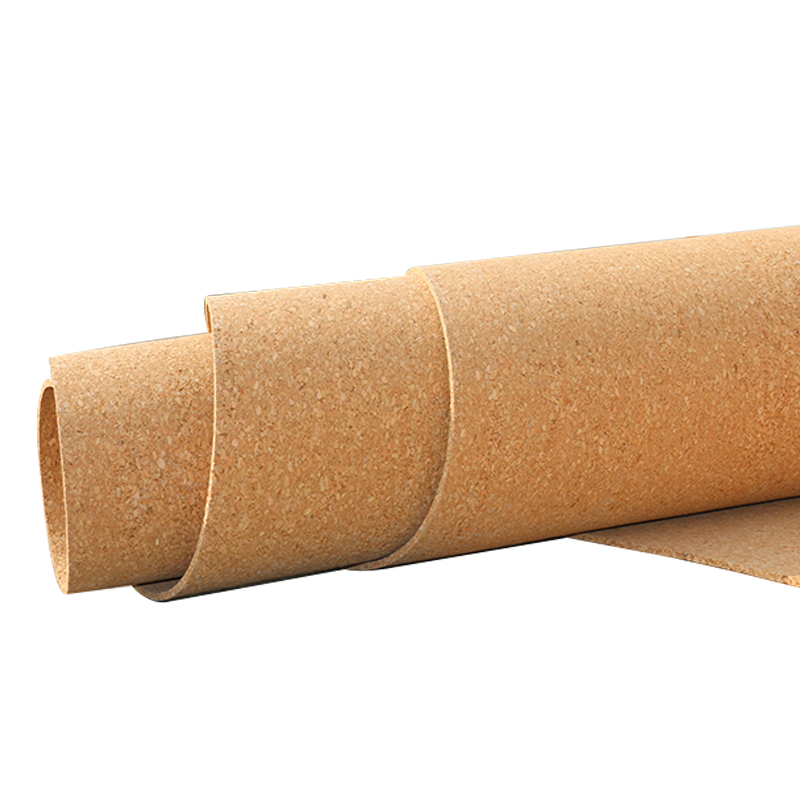
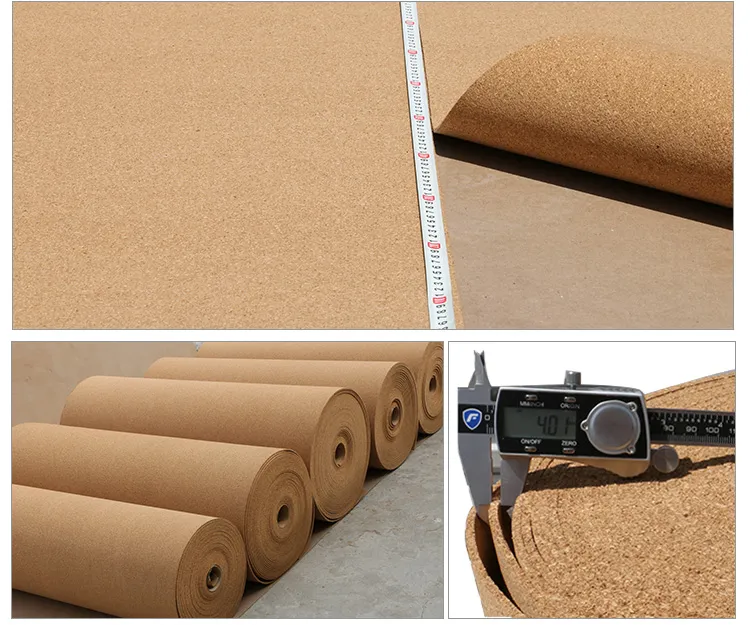
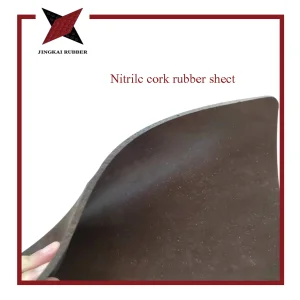
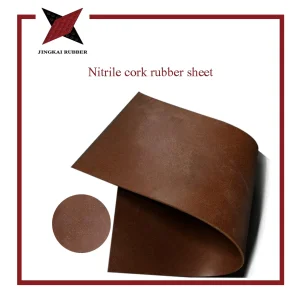
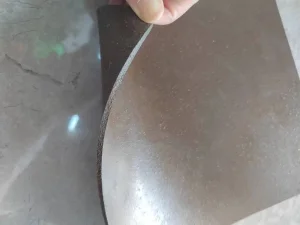
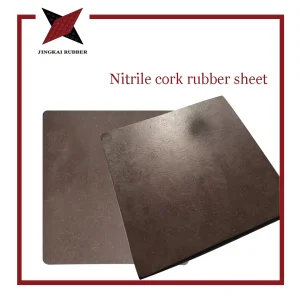
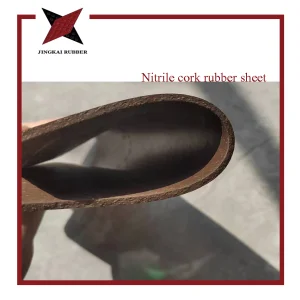
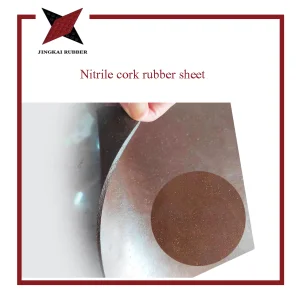
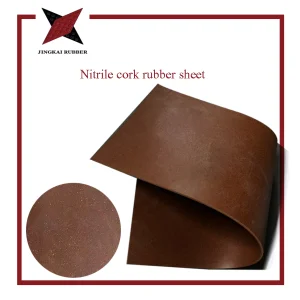
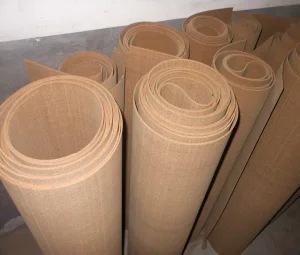
Cork rubber sheet is made by using granulated cork and synthetic rubber polymer and their assistants. The cork mixed material such as neoprene and nitrile, silicone, vitone, etc.
Cork Rubber Sheet Application:
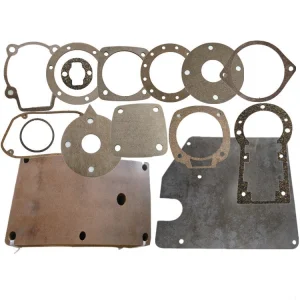
Cork rubber sheet can be cut into various gaskets, used in chemicals, elections, fire-resisting and food. They also can be used as sealer, buffer rubber ring, rubber mat, sealing strip and for the decoration of flights of step and ground of hotel, port boats and ships, vehicles etc.
Technical Data
| Item |
Medium Hardness |
Hard |
| Hardness Shore A |
55~70 |
70~85 |
| Density (g/cm³) |
≤0.9 |
≤1.05 |
| Tensile strength (kg/cm²) |
≥15 |
≥20 |
| Compressibility (300psi load) % |
15-30 |
10-20 |
| Sealing pressure min |
28kg/cm2 |
| Internal Pressure Max |
3.5kgf/cm2 |
| Service Temperature Max |
-40 ~ 150ºC |
❓
Frequently Asked Questions
Q1: What materials are used to manufacture the cork rubber sheet?
The sheets are manufactured using granulated cork combined with synthetic rubber polymers like neoprene, nitrile, silicone, or vitone.
Q2: What are the primary applications for this material?
It is widely used for industrial gaskets, chemical sealing, electrical insulation, fire-resistant applications, and decorative flooring in vehicles or marine vessels.
Q3: What thickness options are available for the sheets?
We offer a range of thicknesses from 1mm up to 20mm to suit various industrial requirements.
Q4: Can the material withstand high temperatures?
Yes, the technical data shows a service temperature range of -40ºC to 150ºC, making it suitable for diverse thermal environments.
Q5: Is the cork rubber sheet resistant to oil and corrosion?
Yes, the product is specifically designed to be oil-resistant, corrosion-resistant, and wear-resistant.
Q6: Does the product meet international quality standards?
The production process is certified under ISO9001:2015, ensuring consistent quality and performance.
 Royflexa Rubber