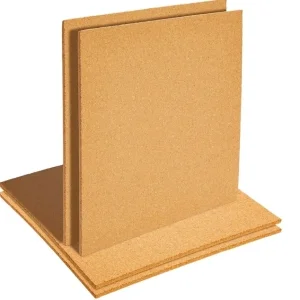
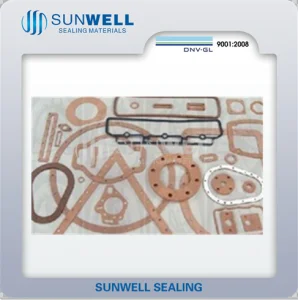
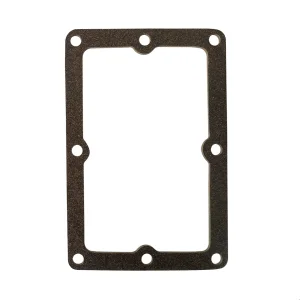
Explore our premium selection of precision-engineered rubber, composite, and custom OEM cork gaskets optimized for performance stability.
Dongguan Royflexa Rubber Co., Ltd. is an export-oriented, comprehensive and diversified large-scale private enterprise. We take the production of high-performance paper, gasket materials of flexible graphite, asbestos & non-asbestos, carbon black, and custom gasket & packing systems as our pillar industries. Operating simultaneously in global foreign trade, precision raw materials development, and scientific research, we serve as an authoritative technology partner to major infrastructure projects worldwide.
Since our establishment in 1996, flexible management and continuous, rigorous scientific innovation have propelled us from a regional supplier to a major global entity. We focus on engineering high-density elastomeric materials designed to resist critical mechanical stress and extreme fluid degradation.
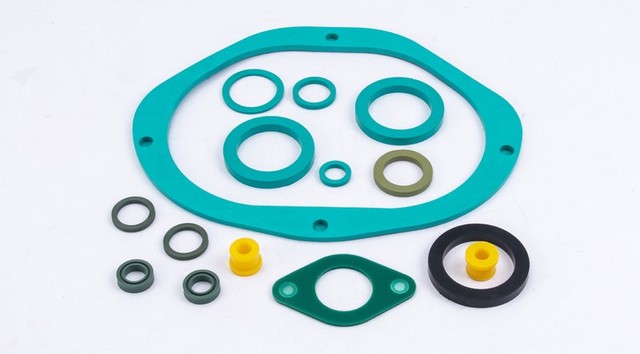
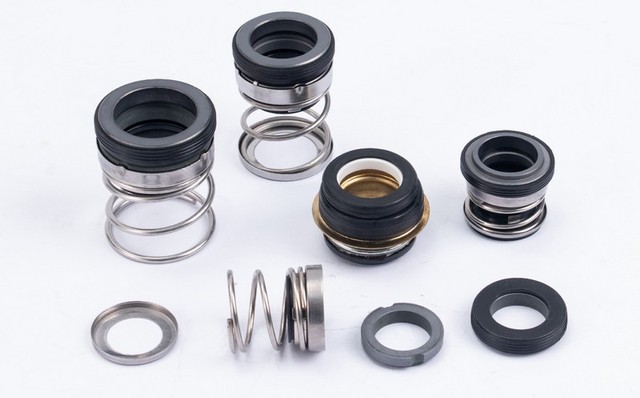
Understanding the cellular architecture and polymer synthesis behind zero-lateral-flow compression systems.
In high-pressure sealing environments, choosing between pure elastomers and solid compressed fiber sheets often poses a compromise. Pure elastomers show high flexibility but suffer from *lateral flow*—spreading under load, which causes stress relaxation and eventual flange leakage. Compressed fiber sheets, while resistant to flow, lack the necessary compliance to seal uneven flange surfaces without high clamping pressure.
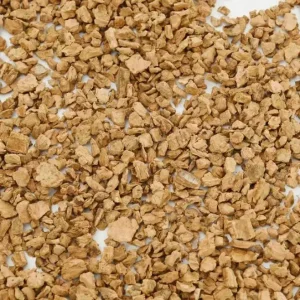
Cork-rubber composites represent the optimal middle ground. By dispersing micro-granules of premium natural cork within a synthetic vulcanized rubber matrix (such as NBR, Neoprene, or EPDM), we create a material that compresses vertically with virtually zero lateral expansion (Poisson's ratio near zero). The air-filled cellular structure of cork compresses within its own volume, storing elastic energy to push back against the sealing faces when pressure spikes occur.
Under heavy mechanical clamping, cork cells function as microscopic springs. Upon release of the pressure load, the gasket recovers its original thickness, sealing dynamic joints even under vibration.
Unlike standard solid rubbers which bulge outward under pressure (potentially obstructing inner pipes or splitting), cork-rubber reduces lateral deformation, extending seal longevity.
Depending on the synthetic binder utilized (e.g., Nitrile / NBR), our composite seals offer excellent resistance to aliphatic hydrocarbons, petroleum products, oils, and transformer fluids.
| Material Property | Pure Nitrile (NBR) | Royflexa Nitrile-Cork | Compressed Non-Asbestos Fiber |
|---|---|---|---|
| Poisson's Ratio (Lateral Expansion) | ~ 0.50 (High expansion) | ~ 0.05 - 0.15 (Minimal expansion) | ~ 0.25 (Moderate expansion) |
| Minimum Sealing Bolt Load | Medium | Low to Medium | Very High |
| Bolt Load Retention (ASTM F38) | Fair (< 65%) | Excellent (> 85%) | Good (~ 80%) |
| Recovery at 20 MPa Load | Slow / Variable | > 80% Instantaneous | < 50% |
| Major Application Areas | Hydraulics, basic plumbing | Transformers, Automotive engines, Gas meters, Pipelines | Steam piping, High-temperature boilers |
Meeting high-reliability demands for heavy machinery, automotive engines, electrical infrastructure, and structural isolation.
Modern procurement directors face strict challenges in sourcing materials that satisfy both performance requirements and strict regulatory frameworks. Our customized OEM cork-rubber solutions address several macro-industry issues:
Electrical transformers operate in outdoor conditions and generate high heat, causing transformer oil to degrade standard gaskets. Our premium NBR-bound cork seals resist hot oil degradation, preventing toxic leaks and ensuring reliable service for up to 30 years.
In combustion engines, transmission sumps, and fuel pumps, gaskets must seal uneven mating flanges at low bolt torques to prevent distortion. Cork-rubber gaskets conform easily to these surfaces, forming a tight barrier against oils, coolants, and gasoline.
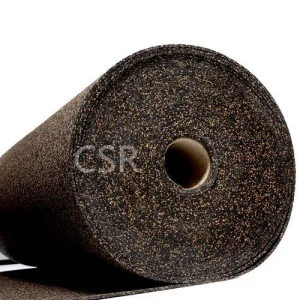
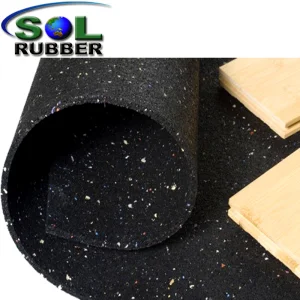
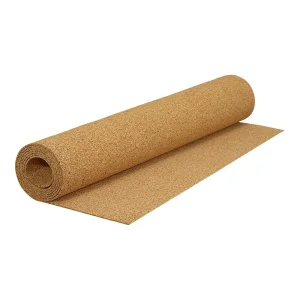
With urbanization driving strict building and industrial noise codes, acoustic underlayments and dampening pads are crucial. Royflexa underlayers isolate structural noise in multi-level flooring, machinery mounts, and light-steel modular homes.
For industrial buyers submitting RFQs, our engineering teams customize compounds based on the following mechanical parameters:
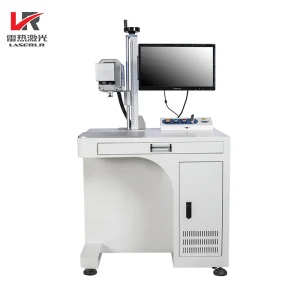
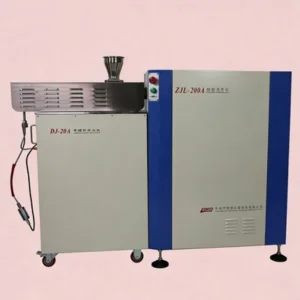
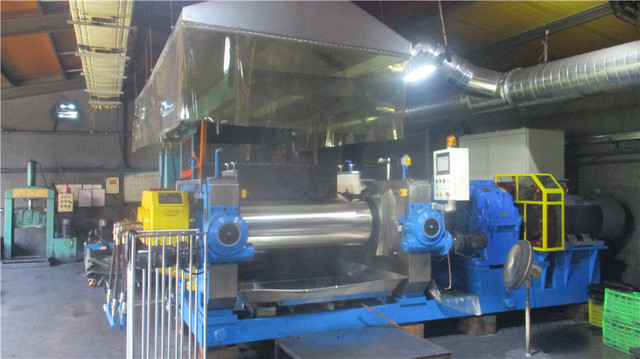
"Our advanced computer-aided material mixing system ensures uniform cork dispersion and consistent density across every production run."
How Royflexa integrates advanced materials and automated processing for demanding sealing applications.
As operating temperatures rise and environmental regulations tighten, traditional sealing methods are reaching their performance limits. Royflexa's R&D team is developing advanced sealing solutions designed to address these evolving requirements:
Reducing the reliance on synthetic petroleum derivatives by incorporating bio-based vulcanized polymers, combined with 100% natural, FSC-certified cork granules.
Developing special fluorocarbon (FKM) and liquid silicone (LSR) cork composites to extend operating temperatures from -60°C up to +220°C.
Applying ultra-thin PTFE or dry-film lubricants to the gasket face, allowing for clean release during maintenance and reducing flange corrosion.
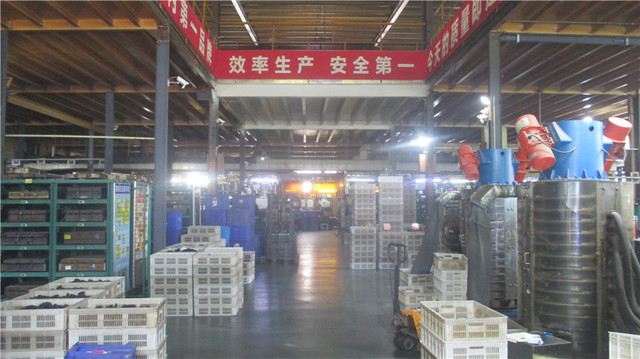
Dongguan Royflexa Rubber Co., Ltd. manufactures a wide range of industrial sealing materials. We use advanced equipment and strict production standards to deliver reliable quality and competitive pricing.
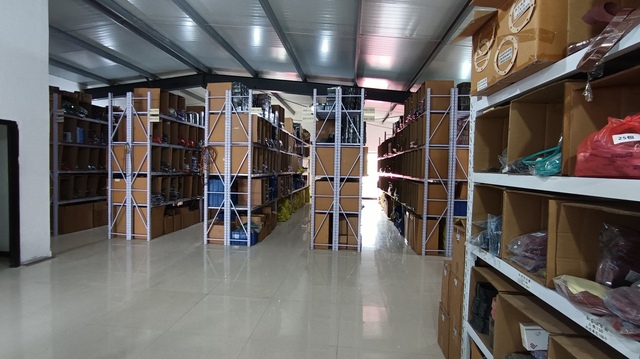
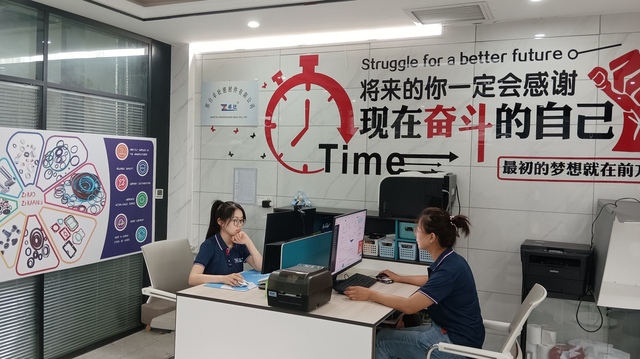
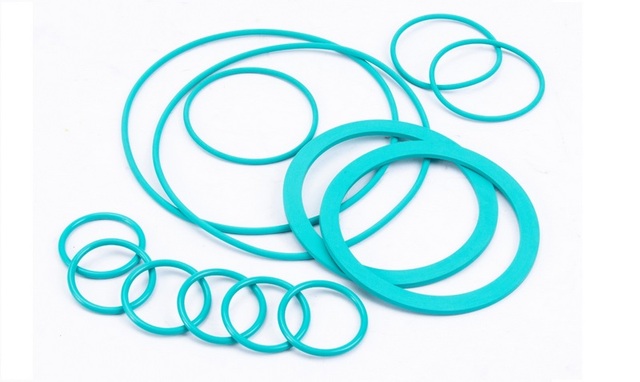
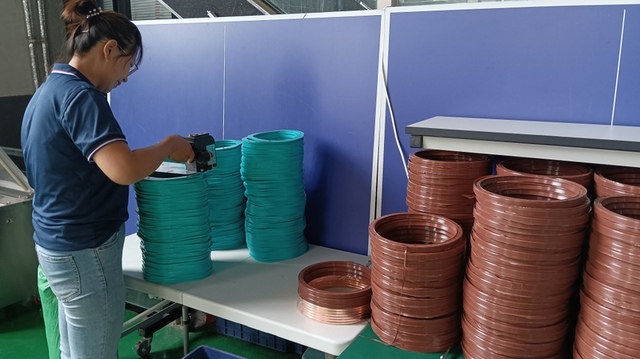
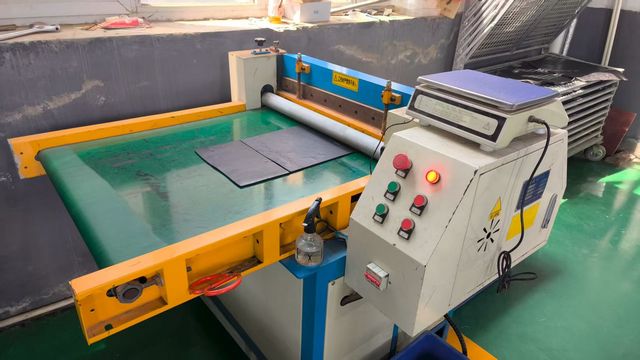
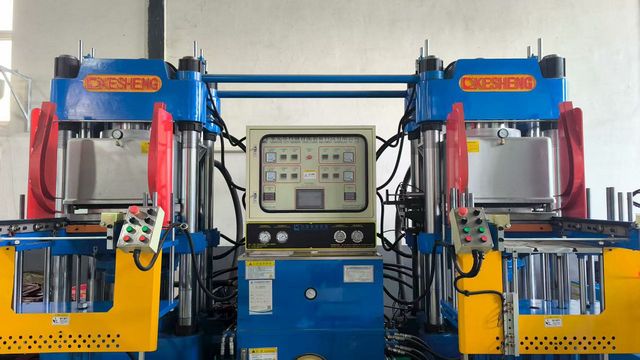
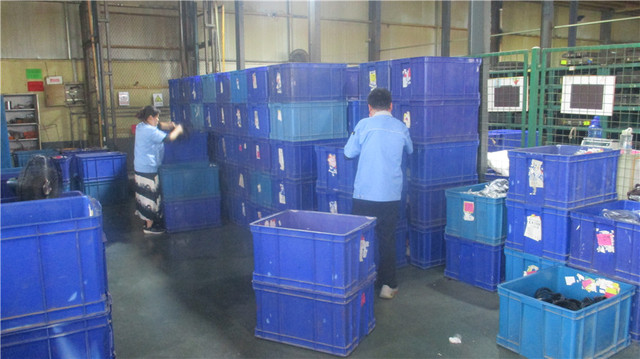
How we guarantee mechanical reliability and chemical safety across all industrial applications.
Dongguan Royflexa Rubber Co., Ltd. maintains a fully traceably quality system. Because our materials are used in critical sealing environments (such as municipal water lines, chemical transport pipes, and high-voltage grid networks), they must meet strict testing protocols before shipment.
Our cork rubber gaskets are rigorously classified according to standard ASTM F104 line call-outs, ensuring physical properties align with design codes.
All composite cork materials are thoroughly screened to guarantee they are free from heavy metals, polybrominated biphenyls, and SVHC chemicals.
We manufacture silicone and EPDM cork composite gaskets using FDA-compliant elastomers for food-processing and pharmaceutical systems.
Underfloor acoustic underlayments are tested to measure Impact Insulation Class (IIC) and Sound Transmission Class (STC) ratings.
Answers to common engineering queries regarding cork-rubber applications, physical limits, and specifications.
Browse our raw materials, computerized mixing solutions, structural acoustics, and custom polymer formulations.
 Royflexa Rubber