Engineered to withstand extreme temperature drops and physical stresses in high-altitude sub-Saharan operational environments.
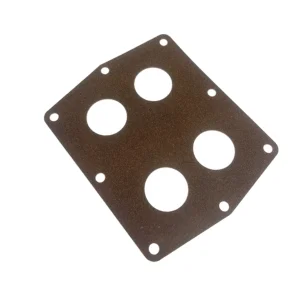
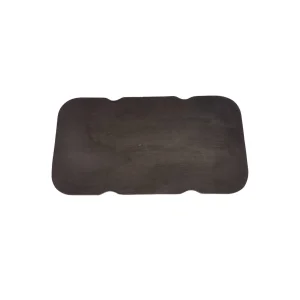
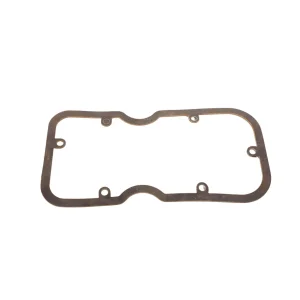
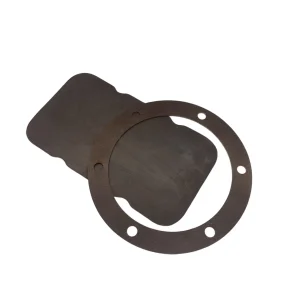
In modern mechanical engineering, sealing integrity is crucial to system uptime. Industrial cork rubber gaskets bridge the gap between the high compressibility of natural cork and the elasticity and chemical resistance of synthetic elastomers. By combining these materials, engineers create a highly effective solution that addresses flange surface irregularities with minimal bolt load.
Globally, as industries shift towards lower emissions and higher efficiency, cork-rubber composites have become essential in power transmission, fluid storage, automotive engineering, and heavy infrastructure. Unlike standard elastomeric gaskets that flow under compressive load, the internal cellular structure of cork allows it to compress vertically without lateral expansion, preventing gasket extrusion and maintaining seal integrity over long cycles.
For critical infrastructure projects, particularly in developing and logistically isolated markets, choosing a high-durability material is essential to prevent costly operational downtime.
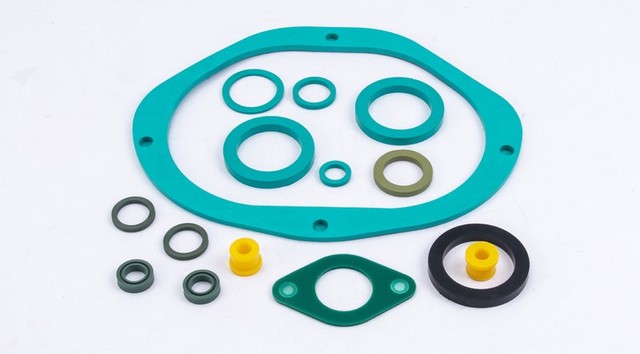
Understanding the unique environmental and geographical conditions of the Mountain Kingdom of Lesotho.
Under the Lesotho Highlands Water Project (LHWP Phase II), heavy hydraulic infrastructure, water distribution valves, and turbine installations require long-term sealing. High water pressure combined with cold ambient mountain water requires materials that resist swelling and deterioration under continuous hydraulic load.
High altitude causes significant daily temperature swings (from freezing winter nights to warm days). Electrical distribution transformers in substation networks experience thermal cycling. Nitrile-cork gaskets provide the necessary compression recovery and oil resistance to prevent dielectric fluid leakage.
The Letšeng and Kao diamond mines operate in harsh environments. Heavy machinery, vibrating screens, and extraction equipment are exposed to dust, slurry, and aggressive lubricants. Custom rubber-cork gaskets protect internal mechanical seals from abrasive ambient debris.
Lesotho's high altitude (averaging over 1,400 meters above sea level) presents distinct challenges for industrial seals. Air pressure changes and high UV exposure degrade standard polymers quickly. More importantly, the wide temperature variations can cause metals to expand and contract significantly. Traditional rubber gaskets can harden in cold conditions, leading to seal failure. In contrast, cork-rubber composites maintain their flexibility and sealing capability even at sub-zero temperatures, providing reliable performance in these demanding conditions.
Combining the natural properties of cork with synthetic elastomers creates a material with unique mechanical performance characteristics:
| Elastomer Binder | Key Properties & Chemical Resistance | Ideal Application Scenario in Lesotho |
|---|---|---|
| Nitrile (NBR) | Excellent resistance to petroleum oils, diesel, mineral oils, and greases. Low swelling index. | Electrical transformer casings, automotive valve covers, mining fuel transport pumps. |
| Neoprene (CR) | Good resistance to weathering, ozone, UV radiation, and moderate acids. Flame retardant. | Outdoor electrical panels, open-air mechanical equipment, mining process plants. |
| EPDM | Outstanding water, steam, and ozone resistance. Excellent flexibility in freezing temperatures. | LHWP water conduits, municipal water piping systems, heating and cooling installations. |
| Silicone | Extreme temperature performance (-50°C to +180°C). Chemically inert. | Specialized processing facilities, laboratories, and high-temperature industrial ovens. |
Under heavy bolt load, standard rubber gaskets tend to squeeze out of the flange, a failure mode known as extrusion. This occurs because solid elastomer is incompressible; it must displace laterally when compressed vertically. Cork, however, contains millions of microscopic air cells. When compressed, the air within these cells is reduced in volume, allowing the material to compress without spreading outward. This makes it an ideal solution for flat-face flanges, stamped metal covers, and applications where bolt torque is limited.
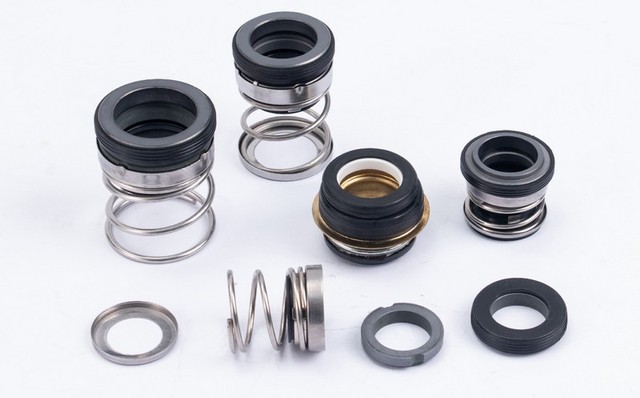
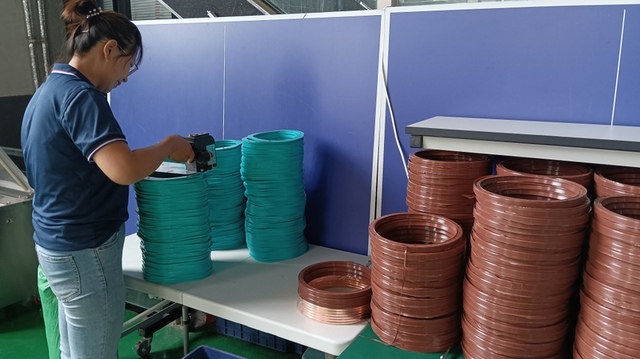
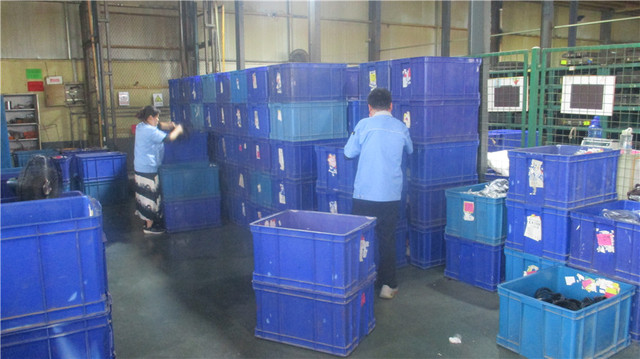
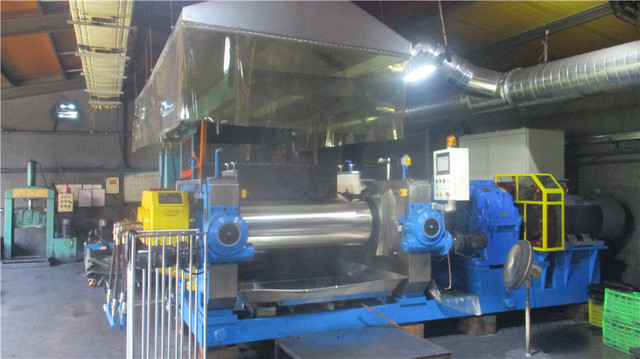
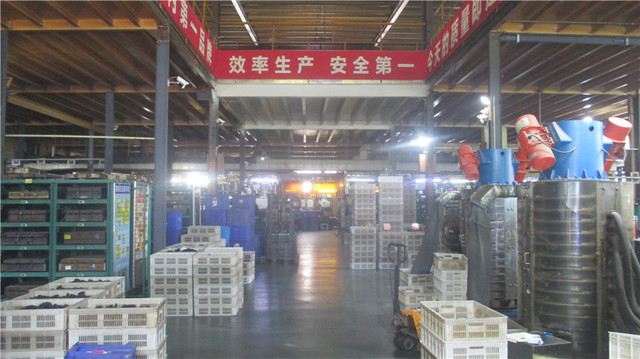
Dongguan Royflexa Rubber Co., Ltd. is an export-oriented, comprehensive, and diversified large-scale private enterprise. Our core business centers on the production of industrial paper, gasket materials of flexible graphite, asbestos & non-asbestos, carbon black, and high-performance gaskets and packings.
Since our establishment in 1996, our flexible management and focus on continuous innovation have guided our growth from a regional trading company into a modern enterprise specializing in scientific research and advanced production. We have implemented international standardized management systems, successfully passing ISO 9001 quality, ISO 14001 environmental, and ISO 45001 occupational health and safety management system certifications.
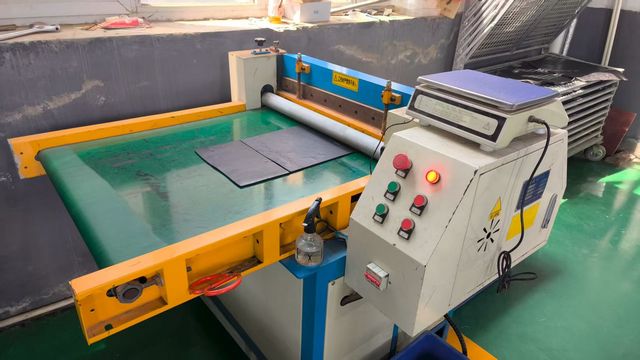
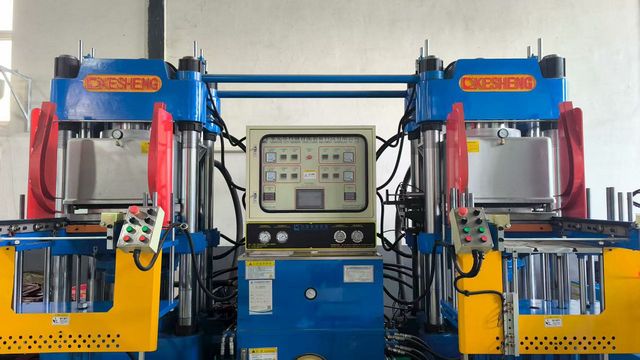
We import world-class manufacturing equipment and technical processes to ensure our products offer reliable quality and competitive pricing. Today, 60% of our products are exported globally, earning a strong reputation across international markets.
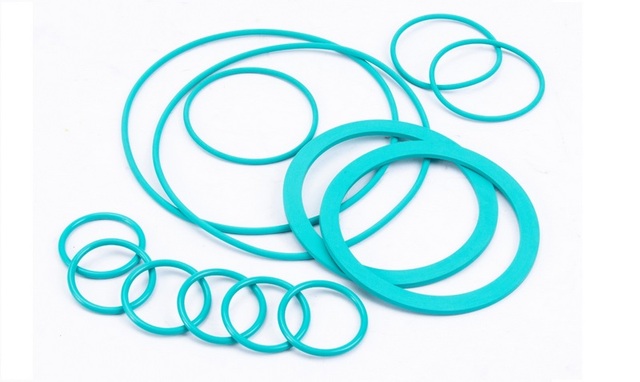
Explore our range of standard and custom-engineered gasket configurations, designed for oil resistance, durability, and reliable mechanical sealing.
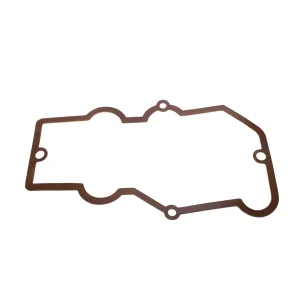
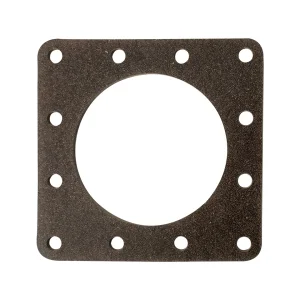
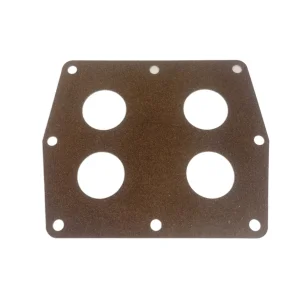
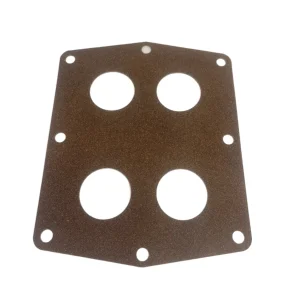
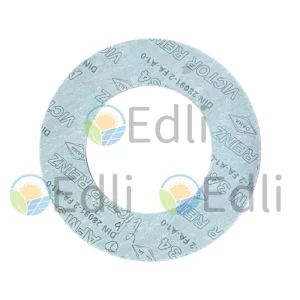
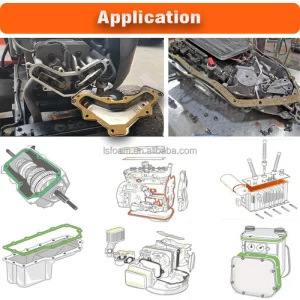
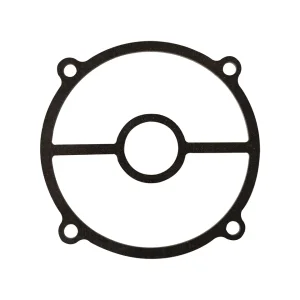
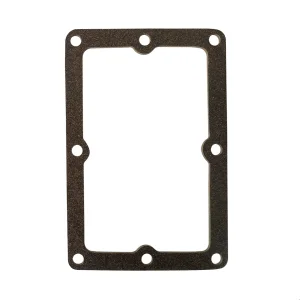
Beyond cork rubber composites, Dongguan Royflexa Rubber Co., Ltd. manufactures a wide range of industrial sealing solutions. Our products are engineered to meet global standards and suit various application environments, from low-pressure piping to extreme-temperature chemical processes.
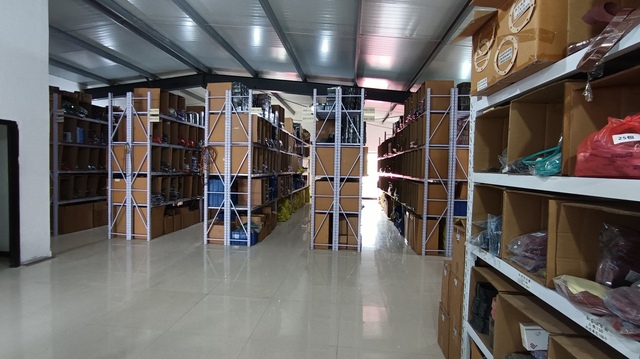
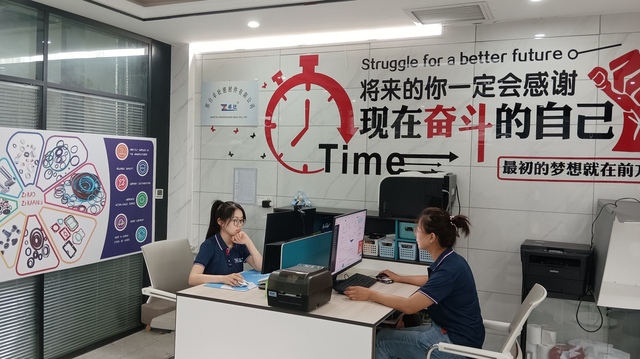
Global procurement requires consistent quality and dependable logistics. Dongguan Royflexa Rubber Co., Ltd. coordinates production and delivery schedules to ensure reliable transit times from our facilities in China to Southern Africa.
Our logistical model for Lesotho is designed to minimize transit times and simplify clearance processes:
Dongguan Royflexa Rubber Co., Ltd. continues to invest in materials research to meet shifting industrial requirements and environmental standards:
Developing bio-based polyurethane binders to replace synthetic petroleum-derived options, offering a more sustainable product footprint without compromising oil or water resistance.
Refining our cork milling process to achieve smaller, more uniform granules. This increases cell density in the composite, improving seal performance at lower initial bolt torque levels.
Developing smart gasket prototypes embedded with thin-film resistive sensors. These sensors can monitor real-time pressure changes and warn operators of potential leaks before they happen.
Expert answers to common engineering questions about choosing, installing, and maintaining cork-rubber gaskets.
Have a custom project or need technical advice?
Contact Our Engineering Team Royflexa Rubber