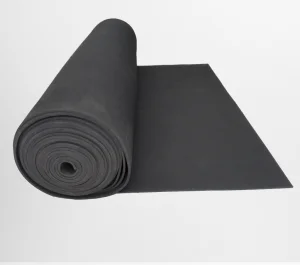
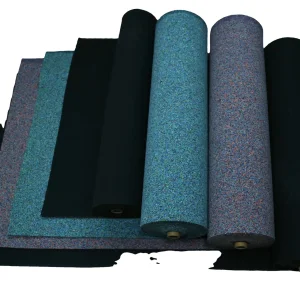
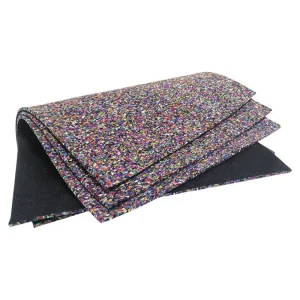
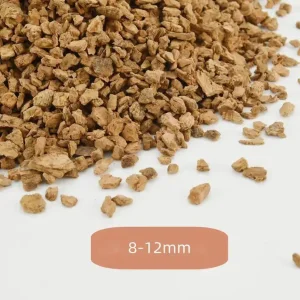
Optimized for Equatorial Guinea's coastal humidity, luxury hospitality, and commercial infrastructure projects.
Equatorial Guinea, comprising both its insular region (including the capital city of Malabo on Bioko Island) and the mainland region of Río Muni (anchored by the port city of Bata), is undergoing a monumental infrastructural paradigm shift. The nation is progressively moving away from an economy purely dominated by crude oil extraction to focus heavily on long-term structural, administrative, and tourism diversification. Prominent master-planned developments, such as the construction of the new administrative capital Ciudad de la Paz (formerly Oyala), require international-grade structural components capable of withstanding the region's intense tropical monsoon climate.
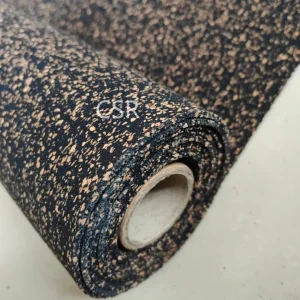
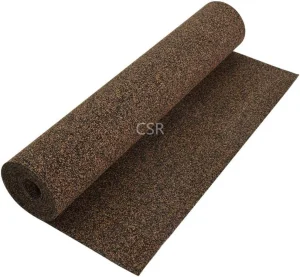
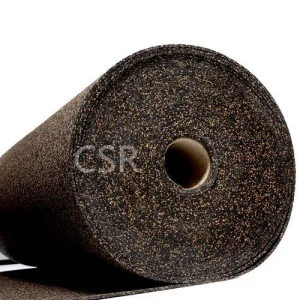
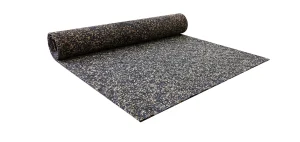
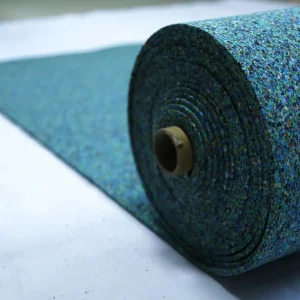
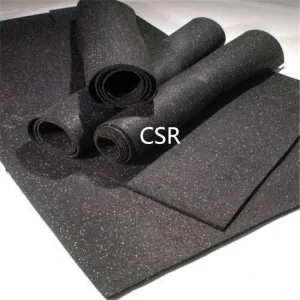
The primary hurdle in Equatorial Guinea's building environment is the extreme atmospheric relative humidity (averaging 80% to 90% year-round) and high temperatures. In coastal areas like Bata and Malabo, saline moisture intrusion poses significant risks to flooring substrates. Traditional foam or felt underlayments quickly trap moisture, accelerating structural decay, encouraging the growth of mold and mildew, and ultimately causing the premature failure of expensive finishes like engineered hardwood, luxury vinyl tiles (LVT), and marble. To address this, cork rubber composite underlayments have emerged as a critical architectural solution, offering natural resistance to rot, high load-bearing capacity, and outstanding acoustic performance.
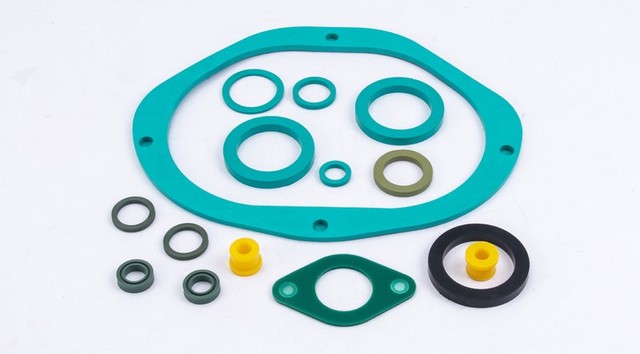
Dongguan Royflexa Rubber Co., Ltd. is an export-oriented, comprehensive, and highly diversified large-scale private enterprise. With our primary industrial foundation built on the production of specialized paper, flexible graphite gasket materials, asbestos and non-asbestos sheeting, carbon black, and high-performance sealing packing, we have integrated foreign trade, chemical research, and engineering sciences into a unified entity.
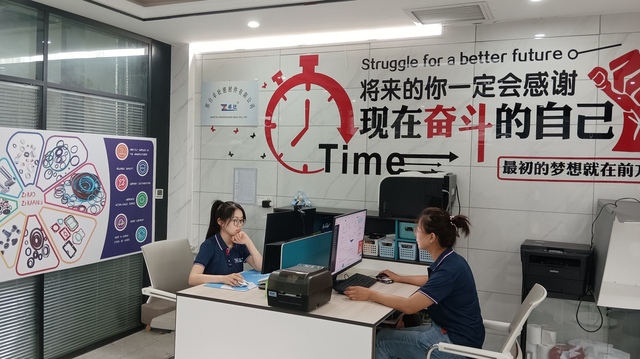
Since our establishment in 1996, we have consistently embraced flexible management styles and continuous technical innovation. This commitment has enabled our evolution from a regional trading operation into a major scientific and industrial manufacturer. We actively introduce international standardized management frameworks, successfully securing ISO Quality, Environmental, and Occupational Health and Safety Management System Certifications. This guarantees that our manufacturing output aligns with the most stringent global standards, including those required by European and American commercial construction protocols.
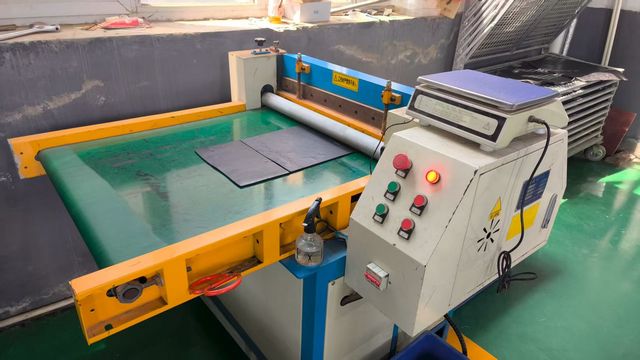
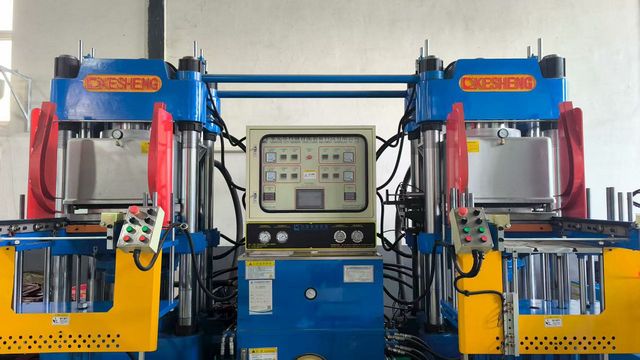
Our raw materials are processed using world-class equipment and advanced techniques to yield highly competitive, top-tier products. Having achieved a 60% year-on-year expansion in export sales, our items enjoy a strong reputation across both European and African markets, backed by positive reviews from major engineering firms.
Why blending raw Mediterranean cork with high-density vulcanized rubber creates the ultimate tropical flooring foundation.
Natural cork contains millions of microscopic, air-filled, 14-sided polyhedral cells. Combined with the high density of vulcanized rubber, this matrix dampens both Impact Insulation Class (IIC) and Sound Transmission Class (STC) energy, preventing sound waves from traveling through concrete slab structures.
Unlike standard foam underlayments which absorb water like a sponge, our cork-rubber composite leverages the natural suberin wax of cork and the water-impermeable properties of synthetic rubber, stopping moisture capillary draw and preventing structural floor rotting.
Heavy architectural load in high-traffic hotels can permanently crush standard underlayment, leading to floor joint splitting. Our cork-rubber retains its spring-like elasticity under thousands of kilopascals of pressure, ensuring long-term floor levelness.
| Material Type | Impact Sound Reduction (IIC Rating) | Moisture Performance in High Humidity (>80% RH) | Compressive Creep Resistance | Durability and Lifespan |
|---|---|---|---|---|
| Royflexa Cork-Rubber Underlay | Excellent (55 - 65 dB) | Hydrophobic / Non-Decomposing | Excellent (< 5% deformation) | Lifetime of the building |
| Standard PE Foam Underlay | Poor (40 - 45 dB) | Retains moisture / Subject to mold | Poor (collapses within 2 years) | Short-term (3 - 5 years) |
| Raw Natural Cork Sheets | Moderate (50 - 55 dB) | Subject to mold in saturated subfloors | Moderate | Medium-term (10 - 15 years) |
| Pure Recycled EPDM Rolls | Good (52 - 58 dB) | Good, but lacks thermal insulation | Good | Long-term (15 - 20 years) |
From coastal resorts to high-altitude administrative capitals, we address distinct regional engineering demands.
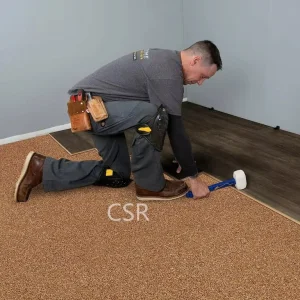
Malabo's premium hotels must deliver world-class acoustic privacy. Guest rooms overlooking the Gulf of Guinea face intense moisture and sound transmission challenges. Installing our 3mm cork-rubber underlayment under floating engineered timber or tile floors isolates impact sound while creating a highly effective vapor block.
As the nation's new administrative center in the interior jungle region, Ciudad de la Paz's ministerial complexes require building materials with long service lives. Our underlayment acts as a thermal barrier, reducing HVAC heat transfer and optimizing climate control systems.
Urban expansion in Bata involves dense multi-level residential layouts. To prevent footstep noise between floors, incorporating soundproof underlayment into floor systems is essential for meeting modern acoustic guidelines.
Our complete selection of high-durability underlayments, engineered for global distribution and CEMAC regional standards.
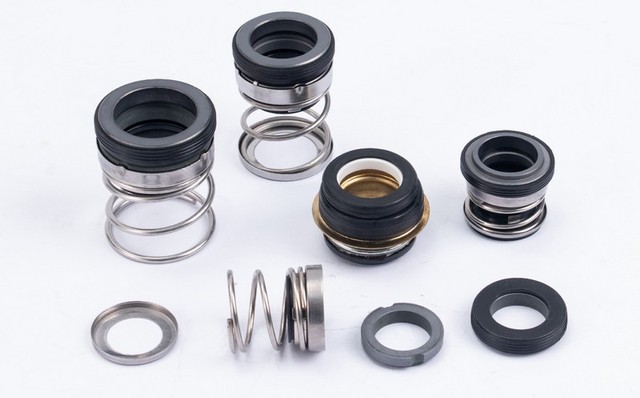
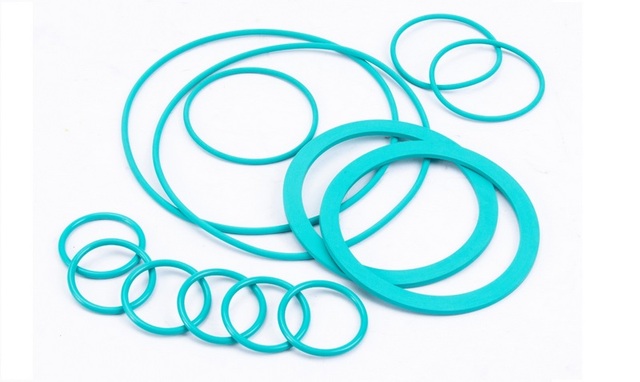
In addition to underlayments, we supply high-performance gasketing and protection solutions to ensure complete project integration.
Leveraging international standards to secure pipeline integrity, petrochemical projects, and industrial systems.
In addition to our architectural flooring solutions, Dongguan Royflexa Rubber Co., Ltd. is a world-class producer of heavy-duty industrial gaskets, sealing sheets, and thermal protection items. These are engineered using advanced machinery and premium raw materials to meet rigorous international industrial parameters.
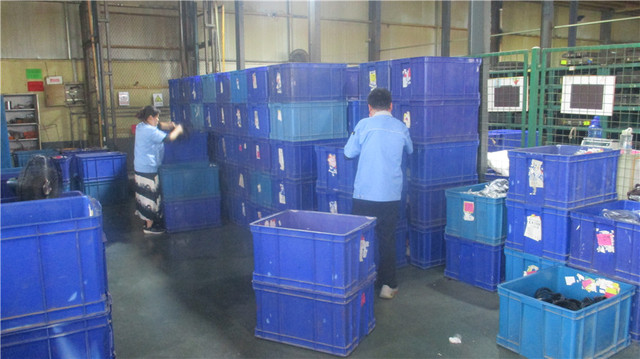
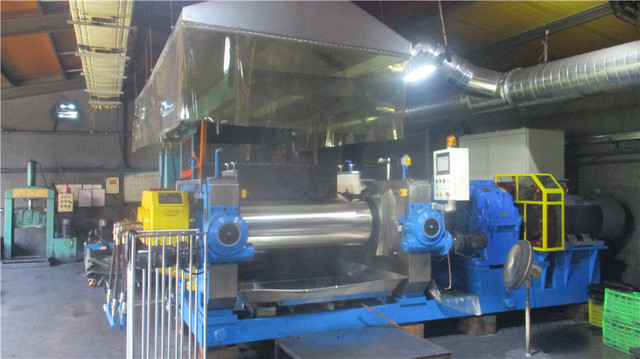
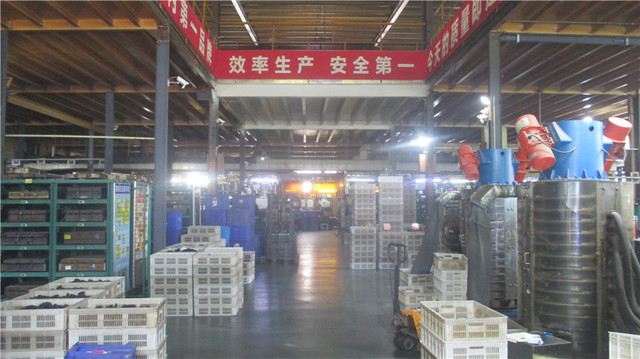
Pioneering green polymers and high-durability composites to meet future environmental guidelines.
At Dongguan Royflexa, our research division targets three core engineering areas:
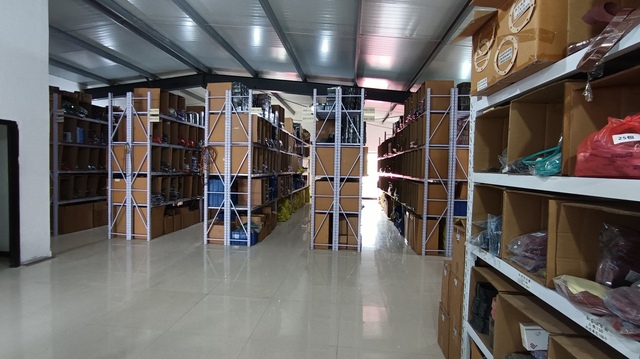
Importing construction materials into Equatorial Guinea requires strict compliance with local customs policies and regional standards governing the Economic and Monetary Community of Central Africa (CEMAC). Our experienced export logistics team works closely with logistics agencies in the region, ensuring hassle-free processing at the ports of Malabo and Bata.
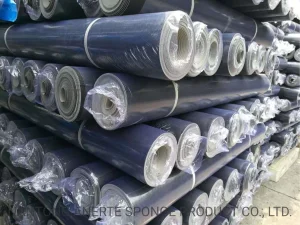
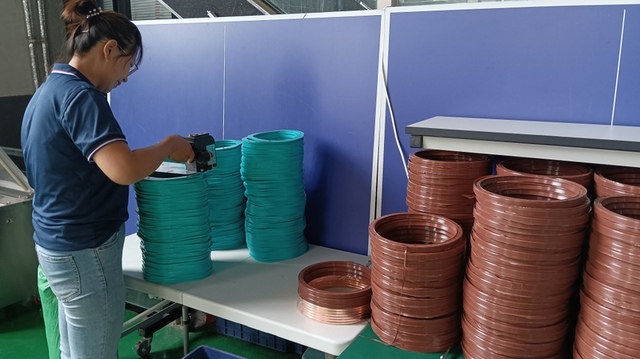
All shipping containers are carefully prepared to prevent moisture damage during sea transport. We secure items using desiccants, vapor-barrier wrapping, and robust pallets. We also supply all required paperwork—including Certificates of Origin, detailed Commercial Invoices, and ISO Quality Certificates—supporting prompt clearance with local authorities.
Technical answers to help engineers, architects, and builders specify materials effectively.
 Royflexa Rubber