Royflexa Rubber
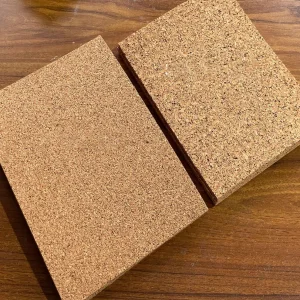
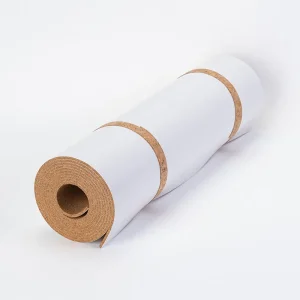
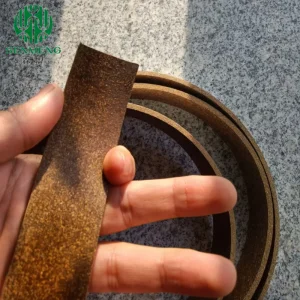
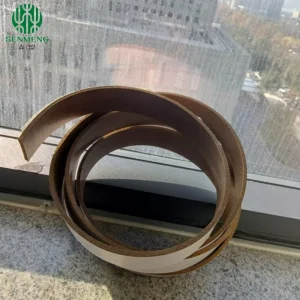
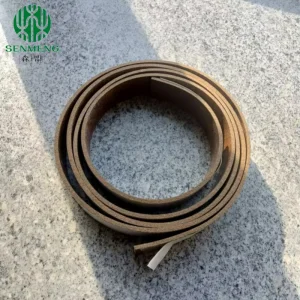
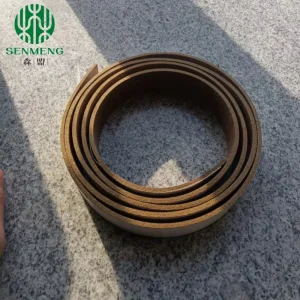
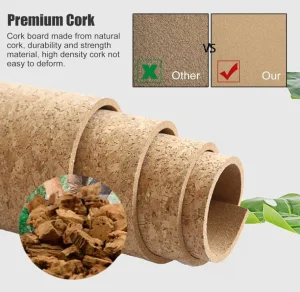
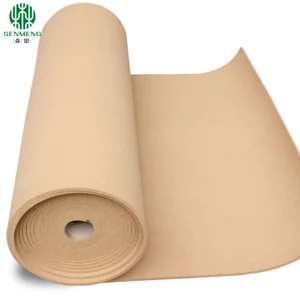


Comprehensive Guide to Cork Rubber Gap Fillers & Gasket Materials
The industrial application of Cork Rubber Gap Fillers spans across multiple high-stakes sectors. Understanding the technical nuances of these materials is essential for procurement officers and engineers alike.
1. Global Procurement Trends
In the current post-pandemic industrial era, supply chain resilience is paramount. Global buyers are shifting towards "One-Stop" suppliers who can provide not just the raw material, but finished gaskets, tapes, and rolls. Our factory in Dongguan serves as a hub for this demand, offering everything from Flexible Graphite to Non-Asbestos Gaskets.
2. Localized Application Scenarios
- Northern Europe: High demand for heat retention underlayment and thermal sealing due to cold climates.
- Middle East & Africa: Focus on UV-resistant and high-temperature rubber cork compounds for outdoor infrastructure.
- Southeast Asia: Massive growth in the footwear industry, utilizing our Cork Rubber Sheets for Sandals.
- North America: Strict acoustic regulations in multi-family housing drive the demand for Soundproofing Vibration Dampening Tapes.
3. Technical Superiority of Royflexa Products
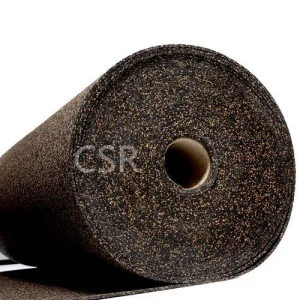
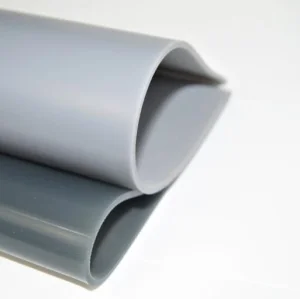
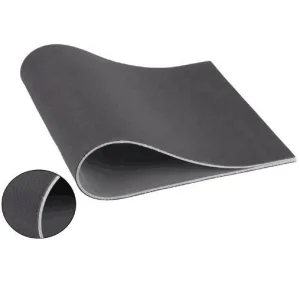
Our products are engineered using world-class equipment. The High Density Rubber Cork Roll we produce features a unique closed-cell structure. This prevents moisture absorption—a common failure point in pure cork—while maintaining the "spring-back" effect of rubber. This makes it the ultimate gap filler for expansion joints in bridges, highways, and commercial flooring.
4. The Future: AI and Smart Manufacturing
The industry is moving towards "Smart Gaskets." By integrating sensor-compatible materials into our cork rubber matrices, we are exploring the future of leak detection and structural health monitoring. As a forward-thinking China Supplier, we are investing in AI-driven quality inspection to ensure every millimeter of our cork rolls meets aerospace-grade tolerances.