Why is Vibration Control Crucial for Machinery Performance?

Time:2026-06-16 Author:Aria
0%

Vibration control plays a critical role in machinery performance. But why is vibration control important in machinery? Machinery is often subject to various dynamic forces. These forces can result in excessive vibrations. Over time, vibrations can lead to wear and tear. This can cause significant damage to components. Without effective vibration control, machinery may fail prematurely.

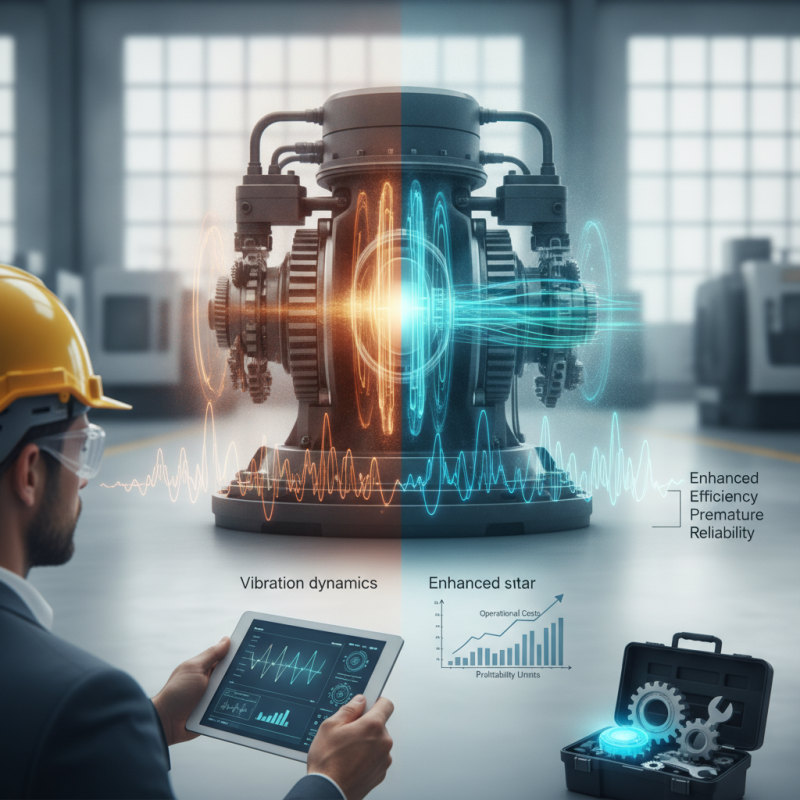
Moreover, vibrations can affect operational efficiency. Machines running with high vibrations often require more energy. This increases operational costs. In turn, companies may face reduced profitability. Understanding vibration dynamics is essential for maximizing machine lifespan. Professionals in the field recognize the importance of monitoring vibration levels.

Effective vibration control enhances reliability. It ensures smoother operation and less downtime. However, many organizations still overlook this crucial aspect. Investing in vibration analysis tools is vital. This enables proactive maintenance and reduces unexpected failures. Ultimately, addressing vibration issues safeguards machinery performance in the long run.
Why is Vibration Control Crucial for Machinery Performance?

Understanding Vibration and Its Impact on Machinery Performance

Vibration in machinery can lead to significant performance issues. When machines operate, they naturally produce vibrations. Excessive vibration can result in wear and tear, leading to costly downtime. According to a report by the National Institute of Standards and Technology, nearly 30% of machinery failures are linked to vibration issues. Understanding vibration is key to improving machinery performance and reliability.


Effective vibration control is vital. It not only enhances the lifespan of machines but also improves product quality. For instance, minimizing vibrations can increase efficiency by up to 20%, as reported by the American Society of Mechanical Engineers. This offers substantial cost savings and boosts productivity. Simple measures like regular maintenance and employing proper alignment techniques can vastly reduce vibration levels.


Tips: Regularly inspect your machinery for signs of wear. Small changes can have big benefits. Adjusting balance and alignment may seem trivial but can significantly enhance performance. Additionally, consider implementing vibration monitoring systems to detect potential problems early. This proactive approach can save time and money. Reflect on your current practices; are they effectively managing vibration?

Types of Machinery That Require Effective Vibration Control

Effective vibration control is essential for a wide range of machinery. Heavy equipment such as excavators and bulldozers face significant vibrations during operation. These vibrations can lead to wear and tear, impacting productivity. Similarly, manufacturing machines like lathes and milling machines also require careful vibration management. Unchecked vibrations can ruin precision in these tools, leading to subpar products.

Another critical area is HVAC systems. These systems often generate vibrations from fans and compressors. Over time, excessive vibrations can cause failure or inefficient performance. Similarly, electric motors in various applications must maintain low vibration levels to ensure longevity. Elevated vibrations could indicate underlying issues, necessitating timely maintenance and inspection.

Even in the realm of transportation, vehicles need proper vibration control. Cars and trucks experience vibrations that can affect passenger comfort and safety. In some cases, minor vibrations can signal more significant engine or chassis problems. Addressing these issues early on can prevent costly repairs down the road. An often-overlooked aspect of vibration control is its role in operational efficiency. Machinery that operates smoothly can result in less energy consumption. Reducing vibrations may seem simple, yet implementing effective control measures requires ongoing evaluation and improvement.

Common Causes of Vibration in Machinery Systems

Vibration in machinery systems is a significant issue. A study by the American Society of Mechanical Engineers (ASME) indicates that up to 30% of unplanned downtime can be traced back to vibration-related problems. Machines vibrate for various reasons, including misalignment, imbalance, and wear. Misalignment often occurs during installation. This issue can lead to increased wear on bearings and other components.

Imbalance is another common cause of machinery vibration. It can happen when machinery components wear unevenly. As data from the Institute of Electrical and Electronics Engineers (IEEE) suggests, imbalance accounts for nearly 50% of all mechanical vibration cases. Over time, this leads to severe damage, costing industries millions in repairs. Additionally, poor lubrication contributes to unwanted vibrations. When lubricants degrade, friction increases, leading to heat and further component wear.

Monitoring vibration levels can uncover these issues early. Regular inspections and predictive maintenance can save costs. However, many organizations overlook these preventive measures. They may not fully understand the implications of vibrations. Relying solely on reactive maintenance can cripple machinery performance in the long run. Taking initiative to address vibration causes is crucial for maintaining optimal machinery function.

Why is Vibration Control Crucial for Machinery Performance? - Common Causes of Vibration in Machinery Systems

Cause Description Impact on Performance Recommended Solutions
Misalignment When components are not properly aligned, leading to excessive wear and tear. Increased vibration, reduced efficiency, potential system failure. Regular alignment checks, adjust positioning.
Imbalance Uneven distribution of weight in rotating parts. Excessive vibration, noise, potential damage to components. Balance the rotating parts, regular inspection.
Bearing Wear Deterioration of bearings due to friction and lack of lubrication. Increased noise, premature equipment failure. Regular maintenance, replace worn bearings.
Loose Components Fasteners or parts that have loosened during operation. Vibration and potential damage to machinery. Routine inspections, tighten all fasteners.
Structural Issues Defects in the physical structure surrounding the machinery. Vibration transmission, affecting precision and operation lifespan. Reinforce or repair structural elements.

Methods and Technologies for Vibration Control

Vibration control is essential for maintaining machinery performance and enhancing equipment lifespan. Several methods and technologies address this issue. Passive control systems, for instance, rely on dampers and isolation pads to absorb vibrations effectively. These systems can significantly reduce the impact of vibrations on machinery components.

Active control technologies offer a more sophisticated approach. They use sensors to detect vibrations and automatically adjust counteracting forces. This real-time response provides more precise control. For instance, in critical applications, these systems can prevent equipment failure by maintaining balance and stability.

Moreover, proper maintenance practices play an essential role in vibration control. Regular inspections can detect misalignments and worn parts early. Implementing predictive maintenance strategies may lead to significant cost savings. However, not all facilities prioritize these practices, which can lead to unexpected downtime. Continuous education about vibration control technologies is crucial for all engineering professionals.

The Long-Term Benefits of Implementing Vibration Control Strategies

Implementing vibration control strategies is essential for enhancing machinery performance. Over time, excessive vibrations can lead to significant wear and tear. This not only reduces the lifespan of machinery but also increases the risk of unexpected failures. When machinery operates smoothly, productivity remains high and maintenance costs drop.

Routine vibration analysis allows for early detection of issues. Small investments in monitoring tools can yield substantial long-term savings. Regular maintenance schedules become easier to manage when vibration levels are controlled. Workers feel more secure, knowing that the machinery is in good condition. This creates a better work environment and enhances overall efficiency.

Ignoring vibration control can lead to serious problems. Many industries have faced downtime due to equipment failure. This could be avoided with proactive measures. However, some companies hesitate to adopt these strategies due to perceived costs. Yet, the true cost of neglect often outweighs the initial investment. The long-term benefits of a stable and reliable operation are worth the effort.

FAQS

: Why is vibration control important for machinery?

: Vibration control helps prevent wear and tear on machinery, improving productivity and extending lifespan.

What types of machinery need vibration control?

Heavy equipment, manufacturing machines, HVAC systems, and electric motors all require effective vibration management.

How do vibrations affect manufacturing tools?

Unchecked vibrations in tools like lathes can ruin precision, leading to low-quality products.

What can excessive vibrations in HVAC systems indicate?

They can signal potential failures or inefficient performance, requiring immediate attention.

How do vibrations impact transportation vehicles?

Vibrations in cars and trucks can affect comfort and safety, potentially pointing to serious engine issues.

What are the benefits of implementing vibration control strategies?

They enhance performance, reduce maintenance costs, and help detect issues early, preventing major failures.

What happens if companies ignore vibration control?

Ignoring it can lead to equipment failures and significant downtime, costing more in the long run.

Are there costs associated with implementing vibration control?

Yes, but the investment in monitoring tools can lead to greater savings over time.

How does vibration control benefit workers?

It creates a safer work environment by ensuring machinery operates smoothly and reliably.

Can reducing vibrations lead to energy savings?

Yes, machinery that runs smoothly generally consumes less energy, leading to operational efficiency.

Conclusion

Vibration control is crucial for machinery performance due to its significant impact on operational efficiency, longevity, and safety. Understanding vibration and its effects helps identify the types of machinery that require effective vibration management, such as industrial equipment, motors, and generators. Common causes of vibration include imbalances, misalignments, and wear, which can lead to serious performance issues if not addressed.

Implementing vibration control strategies using various methods and technologies can mitigate these risks. These strategies not only enhance performance and reduce maintenance costs but also contribute to a more reliable and safe working environment. Therefore, answering the question of why is vibration control important in machinery underscores its role in optimizing machinery functionality and extending equipment lifespan.

Aria

Aria

Aria is a dedicated marketing professional with a deep passion for innovative strategies and a keen understanding of our company's product offerings. With a wealth of experience in the industry, Aria excels at crafting engaging content that highlights the unique features and benefits of our......