Rubber-based materials are widely used in various industries due to their durability and versatility. According to the Rubber Manufacturers Association, the global rubber market is expected to grow significantly, reaching $82 billion by 2025. However, maintaining the longevity of these materials is crucial to maximize their lifespan and functionality. Understanding how to maintain rubber-based materials for long term use is essential for industries relying on these resources.
Proper care and maintenance can prevent costly replacements and ensure consistent performance. For instance, exposure to extreme temperatures and UV light can degrade rubber, leading to cracks and loss of elasticity. Regular inspection and appropriate storage can mitigate these risks. Research indicates that implementing a structured maintenance plan can extend the lifespan of rubber products by up to 50%.
Despite the benefits, many users overlook the importance of proper maintenance routines. Recognizing the unique properties of rubber is vital. Each type may require different care strategies. Reflecting on industry best practices can help to develop effective maintenance protocols, safeguarding investments in rubber-based materials.
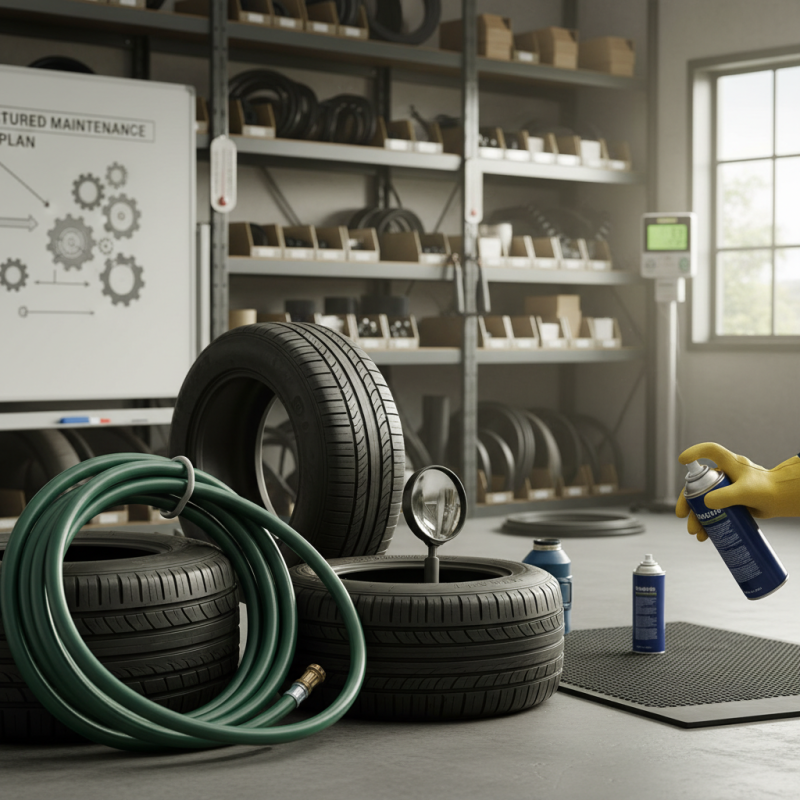
Rubber-based materials are essential in various industries. They boast unique properties, including elasticity and resistance to wear. According to the Rubber Manufacturers Association, more than 80% of rubber is used in automotive applications. This highlights its durability and versatility.
Understanding the composition of rubber is crucial. Natural rubber offers excellent resilience, while synthetic varieties like neoprene excel in chemical resistance. Industry reports suggest that synthetic rubber consumption will grow at 4% annually. Careful handling and storage are vital to prolonging their lifespan. Moisture and extreme temperatures can degrade rubber over time.
Regular inspection can help identify signs of wear. Look for cracks or discoloration. Treatment methods like silicone sprays may enhance performance. A major challenge remains the disposal of rubber products, which can take decades to decompose. Innovations in recycling processes are needed, yet progress is slow. These factors underline the necessity of sustainable practices in managing rubber-based materials.
| Tip Number | Care Tip | Description | Frequency |
|---|---|---|---|
| 1 | Proper Cleaning | Use mild soap and water to clean rubber surfaces. | Monthly |
| 2 | Avoid Direct Sunlight | Store in shaded areas to prevent UV damage. | Always |
| 3 | Regular Inspections | Check for cracks or wear and replace if necessary. | Bi-Annually |
| 4 | Use Proper Storage | Keep items in a cool, dry place away from heat sources. | Always |
| 5 | Avoid Oil-Based Products | Keep rubber away from petroleum and oil substances. | Always |
| 6 | Maintain Humidity Levels | Use a dehumidifier in storage areas to prevent mold. | Seasonally |
| 7 | Monitor Temperature | Store rubber products at stable temperatures between 10-25°C. | Always |
| 8 | Use Protective Coatings | Apply silicone sprays to enhance durability. | Annually |
| 9 | Avoid Excessive Compression | Do not overload rubber items to prevent deformation. | Always |
| 10 | Replace When Necessary | Identify signs of wear and replace rubber products to ensure safety. | As needed |
: The ideal environment is cool, dry, and away from direct sunlight.
Store tires or molded parts upright. Avoid stacking heavy items to prevent damage.
Avoid contact with oils, solvents, and chemicals, as they can degrade rubber.
Inspect materials regularly for signs of deterioration. Early detection can prevent costly replacements.
Use mild soap and water. Avoid harsh chemicals that can damage rubber surfaces.
Apply a silicone-based lubricant regularly. This helps prevent hardening and loss of elasticity.
Signs include cracking, discoloration, stickiness, and unusual sounds like squeaking.
High humidity can cause mold; UV rays can lead to discoloration and cracking.
Yes, using protective covers can help shield against dust and UV damage, enhancing durability.
Ignoring these signs may lead to costly replacements or safety issues. Regular checks are vital.
Rubber-based materials are known for their versatility and durability, making them essential in various applications. To understand how to maintain rubber-based materials for long term use, it’s crucial to recognize their unique properties and how environmental factors can influence their longevity. Proper storage practices, such as keeping rubber products in a cool, dry place away from direct sunlight, can significantly extend their lifespan.
Incorporating routine maintenance techniques, such as regular cleaning and inspection, is also vital. By identifying signs of wear and tear early—like cracks or decreased flexibility—users can determine when to replace items to avoid failure. Implementing these best practices will ensure that rubber-based materials remain effective and reliable throughout their intended use.

 Royflexa Rubber