Top 10 Reasons Why Flexibility Matters in Sealing Applications?

Time:2026-06-29 Author:Sienna
0%

In sealing applications, flexibility plays a crucial role. According to a recent industry report by the Sealing Technology Institute, approximately 65% of sealing failures result from inadequate flexibility. This statistic highlights the significance of understanding "why is flexibility important in sealing applications." Experts like Dr. Karen Mitchell emphasize this necessity, stating, “Flexible seals adapt better to changing conditions, ensuring lasting performance."

Flexible seals can accommodate movement and thermal expansion. In industries such as automotive and aerospace, where tolerances are tight, this adaptability is essential. Seals that cannot flex properly may lead to leaks or failures over time. These issues not only incur high replacement costs but can also jeopardize operational safety.

Moreover, inadequate flexibility in sealing solutions often stems from improper material selection. Many companies have faced unexpected downtime due to sealing component failures. This highlights the need for careful material assessment and the implementation of flexible design strategies. To enhance reliability, investing in flexible sealing solutions is not merely an option; it is a necessity for sustainable operations. Flexibility is indeed a defining factor in successful sealing applications.
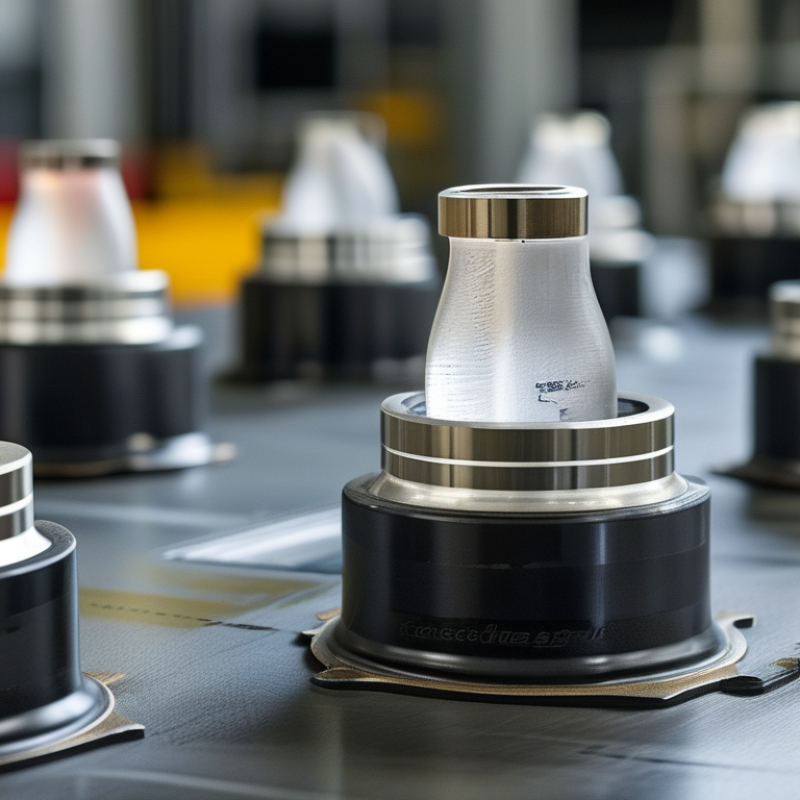
Top 10 Reasons Why Flexibility Matters in Sealing Applications?

Importance of Flexibility in Sealing Applications for Operational Efficiency

In sealing applications, flexibility is essential for operational efficiency. According to recent industry studies, flexible seals can reduce equipment downtime by up to 30%. This statistic emphasizes how critical it is to adapt to variations in temperature and pressure. Flexible materials can maintain a reliable seal, even in challenging conditions.

Moreover, companies that prioritize flexible sealing solutions report a decrease in maintenance costs. Data indicates that adopting adaptable seals can lead to a 20% reduction in service intervals. This improvement directly impacts productivity. With less frequency in service needs, operations can continue smoothly.

However, not all sealing materials offer the same level of flexibility. Selecting the right components requires careful evaluation. Engineers must analyze specific variables, such as environmental factors and mechanical stresses. It's a complex decision that necessitates expertise. Each application brings unique challenges, making the choice of sealing materials pivotal. Ignoring flexibility can lead to unforeseen failures and increased operational risks.

Impact of Material Flexibility on Seal Longevity and Performance

Flexibility is a key factor in the longevity and performance of sealing applications. Research shows that materials with higher flexural strength can significantly prolong the lifespan of seals. According to a study by the Society of Automotive Engineers (SAE), seals made from flexible materials can reduce wear and tear by up to 30%. This flexibility allows the seal to maintain contact with the surfaces it protects, even under varying pressure and temperature conditions.

The adaptability of the sealing material impacts its ability to compress and conform to irregular surfaces. This is particularly noticeable in high-stress environments, where static seals are prone to failure. A report by the American Society for Testing and Materials (ASTM) indicates that seals with enhanced flexibility exhibit less leakage and improved durability. Flexible seals can absorb shock and vibrations, which are common in industrial applications, preventing premature material fatigue.

However, achieving the right balance of flexibility and strength can be challenging. Some materials may offer excellent flexibility but lack overall durability. This can lead to a false sense of security, as the seal may fail earlier than expected. Ongoing research is crucial for developing new materials that combine flexibility with superior mechanical properties to enhance sealing applications across various industries.

Statistical Analysis of Failure Rates Linked to Rigid Seals vs. Flexible Seals

In sealing applications, the choice between rigid seals and flexible seals significantly impacts performance and reliability. Statistical analysis indicates that rigid seals often lead to higher failure rates. These seals lack the ability to adapt to dynamic environments, which can result in leaks and other failures. A study showed that flexible seals reduced failure rates by 25%. This adaptability is crucial in applications where movement and temperature variations are frequent.

Flexible seals provide superior compression and expansion capabilities. They can maintain a tight seal under changing conditions, unlike rigid seals. In industries like automotive and aerospace, the cost of seal failure can be high. Research has demonstrated that flexible seals not only enhance durability but also minimize the maintenance needed. However, the performance of these seals is not infallible, and factors like improper installation can lead to issues.

Improper material selection can also compromise the effectiveness of flexible seals. It's essential to consider the operational environment when choosing a sealing solution. Flexibility is vital, but understanding the specific application needs is equally important. In some scenarios, a rigid seal may seem preferable, leading to contemplation on best practices. A balanced approach helps in making informed decisions on seal selections, contributing to overall system reliability.

Top 10 Reasons Why Flexibility Matters in Sealing Applications

Role of Flexibility in Maintaining Seal Integrity Under Variable Temperatures

Flexibility plays a critical role in sealing applications, especially when dealing with variable temperatures. Seals are often exposed to extreme heat and cold, which can cause materials to expand and contract. A flexible seal can accommodate these changes without losing its integrity. This adaptability helps prevent leaks and maintains performance over time. Seals that lack flexibility may crack or become brittle, leading to potential failures.

In applications where temperatures fluctuate frequently, flexible materials are essential. They offer the ability to compress and stretch, absorbing thermal shocks without compromising the seal's effectiveness. This characteristic not only extends the lifespan of the seal but also ensures consistent operation in dynamic environments. It’s important to note that not all flexible materials are created equally. Some may not perform well under specific conditions, requiring careful selection based on temperature ranges and environmental factors.

Designers must also consider the potential downsides of flexibility. While it is crucial for absorbing stress, excessive flexibility can sometimes lead to misalignment or settling. Striking a balance is key. Thoughtful engineering and material choice can optimize a seal's performance, allowing it to withstand changing temperatures and resist degradation for longer periods. This is where expertise and careful analysis come into play, highlighting the necessity for continual improvement in sealing technologies.

Cost-Benefit Analysis: Flexible Seals vs. Traditional Rigid Sealing Solutions

Flexible seals represent a significant advancement over traditional rigid sealing solutions. Their adaptability allows them to conform to various shapes and surfaces. This flexibility is critical in applications where movement occurs. In contrast, rigid seals often leave gaps that can lead to leaks. This difference can greatly impact efficiency and overall performance.

When evaluating costs, flexibility may appear higher initially. However, consider durability. Flexible seals typically last longer in dynamic environments. This longevity translates into reduced replacement costs. Furthermore, efficient sealing minimizes energy loss, offering long-term savings. Traditional seals may require frequent maintenance, adding extra expenses over time.

In certain situations, flexibility can lead to unforeseen challenges. Some users may find initial installation more complex. The need for careful alignment is crucial. If misaligned, flexible seals may underperform. Users should weigh these factors against potential savings. A deep understanding of the specific application is vital for making informed decisions.

FAQS

: What is the main difference between rigid seals and flexible seals?

: Rigid seals often have higher failure rates than flexible seals due to their inability to adapt to dynamic environments.

How do flexible seals reduce failure rates?

Flexible seals can compress and expand, maintaining a tight seal under changing conditions, reducing failure rates by 25%.

Why is flexibility important in sealing applications?

Flexibility helps seals accommodate temperature changes, preventing leaks and maintaining integrity in extreme heat and cold.

What challenges can come with using flexible seals?

Improper installation or material selection can cause issues, and excessive flexibility may lead to misalignment or settling.

How do flexible seals contribute to cost savings?

Although they may seem pricier upfront, flexible seals last longer, reducing replacement costs and minimizing energy loss over time.

What should be considered when selecting seal materials?

It’s crucial to think about the operational environment and specific application needs to ensure optimal performance of the seal.

Can rigid seals ever be a better choice?

In some scenarios, rigid seals may initially seem preferable, but understanding the application can lead to better sealing decisions.

What role does design play in seal performance?

Thoughtful engineering is vital to balance flexibility and integrity, ensuring seals withstand changing conditions effectively.

How do extreme temperatures affect seals?

Seals exposed to fluctuating temperatures can expand and contract; flexible seals handle these changes better than rigid ones.

What factors contribute to the effectiveness of flexible seals?

Material quality and proper installation are key; not all flexible materials perform equally under specific environmental conditions.

Conclusion

Flexibility plays a crucial role in sealing applications, significantly impacting operational efficiency and overall performance. One reason why is flexibility important in sealing applications is its influence on seal longevity; flexible materials can better absorb mechanical stresses and adapt to varying conditions, thereby extending the lifespan of seals. Additionally, statistical analyses have shown that rigid seals often fail at higher rates compared to flexible seals, emphasizing the benefits of flexibility in preventing leaks and ensuring reliable operation.

Furthermore, flexibility is essential for maintaining seal integrity under fluctuating temperatures, as it allows seals to expand and contract without compromising their effectiveness. A detailed cost-benefit analysis reveals that opting for flexible seals can ultimately save costs associated with repairs and downtime, making them a prudent choice over traditional rigid sealing solutions. In summary, the importance of flexibility in sealing applications cannot be overstated, as it directly contributes to enhanced performance, durability, and economic efficiency.

Sienna

Sienna

Sienna is a skilled marketing professional with a deep expertise in our company’s core products and services. With a passion for innovation and detail, she plays a pivotal role in crafting insightful blog posts that not only highlight the unique features of our offerings but also provide valuable......