When it comes to creating an energy-efficient home, insulation and sealing are crucial. Many homeowners often wonder what materials are commonly used for insulation and sealing. Understanding these materials helps in making informed choices for both comfort and energy savings.
Insulation materials vary widely in type and application. Fiberglass, foam board, and spray foam are just a few examples. Each serves distinct purposes and exhibits unique properties. Similarly, sealing materials like caulk and weather stripping hold significant value in maintaining a home’s energy efficiency. These choices can heavily influence heating and cooling costs.
There’s often confusion about the best materials to choose. In some cases, popular options may not always be the most effective. It’s essential to assess your specific needs and conditions. Professional advice can provide clarity. Remember, the right materials contribute to long-term performance and sustainability in your living space.
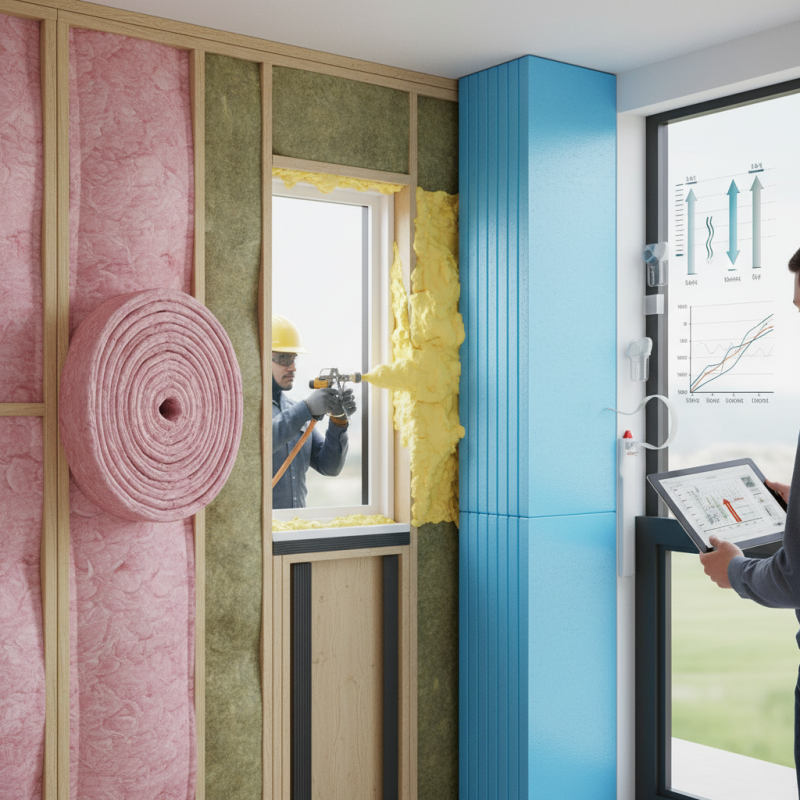
Understanding insulation materials is crucial for energy efficiency in homes and buildings. According to the U.S. Department of Energy, proper insulation can reduce heating and cooling costs by up to 30%. This significant saving highlights the importance of selecting the right materials.
Common insulation materials include fiberglass, foam board, and cellulose. Each material serves specific functions and meets different needs.
Fiberglass is one of the most widely used insulation types. It consists of tiny glass fibers and provides excellent thermal resistance. However, improper installation can lead to gaps, drastically reducing its effectiveness.
Foam board offers high insulation value with a thinner profile. Yet, its cost can be a concern for some.
Cellulose, made from recycled paper products, is both eco-friendly and effective but may settle over time, creating a need for maintenance.
Each insulation material has advantages and disadvantages. Professional assessments often lead to better outcomes. Choosing the right one depends on various factors, including climate, building design, and budget. Housing studies indicate that homeowners often overlook the state of existing insulation. Regular inspections can ensure optimal performance and longevity of insulation materials. Making informed decisions is essential for maximizing energy efficiency.
When it comes to insulation materials, understanding their types and applications is vital for effective energy management. Fiberglass is widely used. It is known for its excellent thermal resistance. This material is lightweight, making it easy to install. However, it can be irritating to the skin. Proper protective gear is essential when handling it.
Foam board insulation offers another option. This rigid material provides high insulating value for relatively little thickness. It works well in various applications, including basement walls and roofs. Yet, it may require a careful approach to installation. Gaps can reduce its effectiveness considerably, leading to energy loss.
Spray foam insulation is effective in sealing gaps and cracks. It expands on application and fills irregular spaces. This characteristic makes it a popular choice for irregularly shaped areas. However, careful planning is necessary to ensure that excess foam does not create problems. Each insulation material comes with unique advantages and challenges. Understanding these nuances is crucial for making informed decisions in insulation and sealing projects.
Sealing materials play a crucial role in energy efficiency and building durability. Common types include polyurethane foam, silicone, and acrylics. Each material offers unique properties suited for various applications.
Polyurethane foam, for instance, provides excellent insulation and can expand to fill gaps. Silicone is flexible and resistant to moisture, making it suitable for bathrooms and kitchens. Acrylics are less durable but are easy to apply and paint over.
According to the U.S. Department of Energy, improper sealing can lead to energy losses of up to 30%. This stat highlights the importance of choosing the right sealing materials. Effective sealing not only improves energy efficiency but also enhances indoor air quality. Poorly sealed spaces can trap pollutants and moisture, leading to mold growth.
Understanding the benefits of each sealing material allows homeowners to make informed decisions. Polyurethane may be ideal for exterior walls, while silicone may work best in high-moisture areas. While some products claim long-lasting performance, environmental conditions can impact their effectiveness. Regular inspection and maintenance are essential to ensure longevity and reliability. Choosing the right sealing material requires not only knowledge but also consideration of specific project needs.
When it comes to insulation, understanding R-values is crucial. R-value measures a material's resistance to heat flow. Higher R-values indicate greater insulating effectiveness. For example, fiberglass batt insulation typically has an R-value of 2.9 to 3.7 per inch. In contrast, spray foam insulation can achieve R-values as high as 6.5 per inch. This significant difference highlights the need to choose the right insulation based on your climate and energy goals.
Climate plays a vital role in selecting insulation. In colder regions, higher R-values are essential to minimize heat loss. The U.S. Department of Energy recommends R-values of 49 for attics in northern climates. Yet, many homeowners overlook this detail. They may choose lower R-value materials, defeating the purpose of energy efficiency. Additionally, proper installation is key. Even high-R insulation will perform poorly if not installed correctly.
Sustainability is another factor to consider. Some insulation materials have higher environmental impacts than others. For instance, cellulose insulation, made from recycled paper, generally performs well. However, its R-value varies significantly based on the installation method. Informed choices about insulation materials can lead to better comfort and lower energy costs. Balancing performance, installation, and sustainability remains a challenging task for homeowners.
| Material | Type | R-Value per inch | Common Uses | Cost per sqft |
|---|---|---|---|---|
| Fiberglass | Batts/Spray | 2.9 - 4.3 | Walls, Attics | $0.50 |
| Foam Board | Rigid | 4 - 6 | Basements, Foundation | $1.00 |
| Spray Foam | Open/Closed Cell | 6 - 7 | Walls, Roofs | $1.50 |
| Cellulose | Loose Fill | 3.2 - 3.8 | Attics, Walls | $0.70 |
| Mineral Wool | Batts/Loose | 3.2 - 4.0 | Fireproofing, Soundproofing | $0.90 |
| Reflective Insulation | Radiant Barrier | 2 - 3 | Roofs, Attics | $0.60 |
| Cotton (Denim) | Batts | 3.5 | Walls, Floors | $1.20 |
| Polystyrene | Rigid Sheet | 3.6 - 4.0 | Walls, Ceilings | $1.10 |
| Spray-In Blown Fiberglass | Loose Fill | 2.9 - 4.3 | Attics, Crawls | $0.75 |
| High-Density Fiberglass | Batts | 3.5 - 4.0 | Doors, Windows | $0.85 |
When applying insulation and sealing materials, following best practices can significantly enhance energy efficiency in buildings. According to the U.S. Department of Energy, proper insulation can save homeowners 15% to 30% on heating and cooling costs. To achieve these savings, it is essential to choose the right material for each application. For instance, cellulose insulation is a sustainable option that provides excellent thermal resistance. Spray foam can seal gaps effectively, but its application requires precise methods to avoid over-expansion and related issues.
Preparation is equally crucial in the application process. Ensure surfaces are clean and dry to maximize adhesion. During installation, avoid compressing insulation materials, as this can reduce their effectiveness. A 2021 study from the National Renewable Energy Laboratory highlighted that improper installation can decrease the performance of insulation by up to 50%. Additionally, paying attention to air sealing can drastically reduce drafts. Sealant application should be consistent, leaving no gaps. Most importantly, always prioritize safety by wearing appropriate gear and ensuring adequate ventilation while working with these materials.
: Insulation materials improve energy efficiency and can reduce heating and cooling costs by up to 30%.
Common types include fiberglass, foam board, and cellulose, each serving different functions.
Fiberglass offers excellent thermal resistance but can lose effectiveness if not installed properly.
Foam board delivers high insulation value in a thinner profile, yet it can be expensive for some.
Cellulose insulation is eco-friendly but may settle over time, requiring regular maintenance.
Sealing materials improve energy efficiency and indoor air quality by filling gaps and preventing moisture retention.
Common sealing materials include polyurethane foam, silicone, and acrylics, each with unique benefits.
Improper sealing can lead to energy losses of up to 30%, emphasizing the need for quality materials.
Consider climate, building design, budget, and the state of existing insulation for the best choice.
Regular inspections and maintenance are essential for ensuring optimal performance and longevity of materials.
In the pursuit of energy efficiency and comfort within buildings, understanding insulation materials and their importance is crucial. Commonly used materials for insulation and sealing include fiberglass, foam boards, cellulose, and spray foam, each offering unique applications and benefits. Sealing materials such as weatherstripping and caulking play a significant role in enhancing thermal performance by minimizing air leaks.
When choosing insulation, comparing R-values helps determine the most suitable option for your specific needs. It is essential to consider the best practices for applying these materials to maximize their effectiveness. Overall, knowing what materials are commonly used for insulation and sealing is pivotal for achieving optimal energy efficiency and maintaining a comfortable living environment.

Royflexa Rubber