Choosing the right insulation and sealing materials affects comfort, energy use, moisture control, and building durability. This guide examines what materials are commonly used for insulation and sealing across homes, commercial buildings, and industrial spaces. It also considers installation conditions, climate, surface compatibility, fire performance, and long-term maintenance.
Building scientist Joseph Lstiburek, Ph.D., has stated, “The perfect wall is a wall that has all control layers on the exterior of the structure.” His principle highlights an important reality: insulation alone cannot solve every enclosure problem. Fiberglass and mineral wool can reduce heat transfer and improve fire resistance. Cellulose offers recycled content and useful sound control. Rigid foam boards, including EPS, XPS, and polyisocyanurate, provide continuous thermal protection when joints are carefully aligned.
Sealing materials serve a different, but connected, purpose. Acrylic and silicone sealants close small gaps around frames, pipes, and penetrations. Butyl tapes help seal joints under demanding weather conditions. EPDM membranes support durable protection against water and air movement. Spray foam can fill irregular cavities, yet poor application may create uneven coverage or hidden moisture risks. That is easy to overlook.
The following top ten materials are compared by performance, installation demands, durability, and practical suitability. Real buildings are rarely perfect. A material that performs well in a dry wall may fail when exposed to condensation, movement, or careless detailing. Therefore, product data, local building requirements, and advice from qualified professionals should guide the final selection.
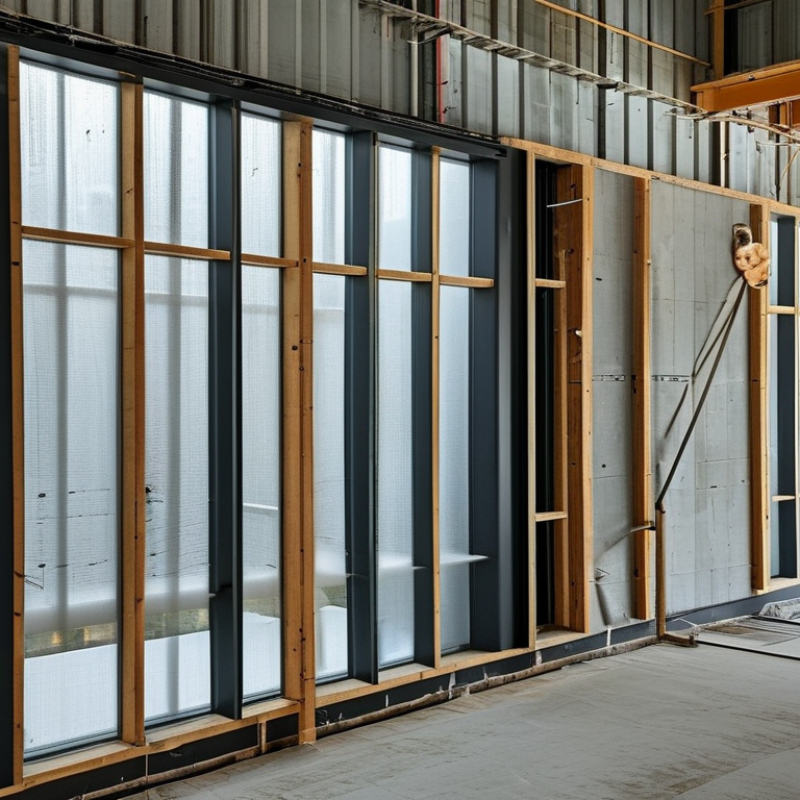
Insulation and sealing materials control heat, air, and moisture in different ways. Insulation slows heat movement through walls, roofs, floors, and pipes. Sealing materials close cracks around windows, doors, joints, and service openings. A warm wall can still lose energy when air slips through a tiny gap.
The ten common materials include fiberglass, mineral wool, cellulose, expanded polystyrene, extruded polystyrene, polyisocyanurate, spray polyurethane foam, silicone sealant, acrylic caulk, and butyl tape. Fiberglass traps air between thin glass fibers. Mineral wool uses dense fibers to resist heat and can tolerate high temperatures. Cellulose fills irregular cavities, though settling may reduce its performance. Foam boards provide steady thermal resistance, especially where moisture is a concern. Spray foam expands into gaps and creates both insulation and an air barrier. It can be effective, but poor installation leaves hidden voids.
Silicone remains flexible around wet areas and moving joints. Acrylic caulk is easier to paint but may crack under repeated movement. Butyl tape stays soft and seals overlaps, roof details, and metal joints. During a practical inspection, I look for dusty marks near openings. They often reveal unwanted airflow. Material choice depends on temperature, moisture, movement, fire requirements, and access. No option works everywhere. More insulation cannot correct a badly sealed edge. I sometimes see this mistake in otherwise careful projects. A small gap can quietly weaken a thick insulation layer.
| Rank | Material | Material Type | How It Works | Typical Thermal Conductivity (W/m·K) |
Moisture Resistance | Common Applications | Main Advantages | Important Considerations |
|---|---|---|---|---|---|---|---|---|
| 1 | Fiberglass | Batt, roll, or loose-fill insulation | Fine glass fibers trap small pockets of still air, slowing conductive and convective heat transfer. | 0.032–0.046 | Moderate | Wall cavities, attics, ceilings, floors, and ventilation ducts | Widely available, relatively economical, lightweight, and noncombustible in many forms | Performance decreases when compressed or exposed to sustained moisture; gaps reduce effectiveness. |
| 2 | Mineral Wool | Board, batt, or loose-fill insulation | Dense mineral fibers create air spaces that resist heat flow and can also absorb airborne sound. | 0.034–0.045 | High | Exterior walls, roofs, partitions, floors, and fire-resistant assemblies | Good fire resistance, dimensional stability, sound control, and vapor permeability | Heavier than some alternatives and can require protective clothing during installation. |
| 3 | Cellulose | Loose-fill or dense-packed fiber insulation | Recycled paper fibers form a dense, irregular matrix that limits air movement and heat transfer. | 0.038–0.042 | Moderate | Attics, enclosed wall cavities, retrofit projects, and irregular spaces | High recycled content, good cavity coverage, and useful air-retarding performance when densely installed | Must be protected from bulk water; settling and installation density should be controlled. |
| 4 | Expanded Polystyrene (EPS) | Rigid foam board or molded foam | Closed and partially closed foam cells contain low-conductivity gas and reduce heat flow through the assembly. | 0.031–0.038 | High | Exterior walls, foundations, floors, roofs, and insulated structural panels | Lightweight, moisture resistant, easy to shape, and generally cost-effective | Requires protection from ultraviolet exposure, solvents, physical damage, and fire. |
| 5 | Extruded Polystyrene (XPS) | Rigid closed-cell foam board | A continuous closed-cell structure provides thermal resistance and limits water absorption. | 0.029–0.036 | Very high | Below-grade walls, foundations, slabs, floors, and exterior wall systems | Low water absorption, good compressive strength, and consistent board dimensions | Has a relatively low vapor permeability and needs suitable protection against fire and sunlight. |
| 6 | Polyisocyanurate (Polyiso) | Rigid foil-faced foam board | A low-conductivity foam core, often combined with reflective facers, provides high thermal resistance per unit thickness. | 0.022–0.028 | High | Commercial roofs, exterior walls, attics, and continuous insulation layers | High insulating value per thickness and useful vapor-control options with suitable facers | Thermal performance can vary with temperature; joints and penetrations must be sealed carefully. |
| 7 | Spray Polyurethane Foam | Open-cell or closed-cell spray foam | The liquid components expand in place, filling irregular cavities and reducing both heat flow and air leakage. | 0.024–0.040 | High to very high | Roof decks, wall cavities, rim joists, foundations, and difficult-to-seal penetrations | Excellent air sealing, strong cavity coverage, and high resistance to water vapor in closed-cell forms | Requires trained installation, ventilation during application, and fire protection where required. |
| 8 | Phenolic Foam | Rigid closed-cell foam board | Its fine closed-cell structure restricts molecular heat transfer and provides high insulation in relatively thin sections. | 0.020–0.025 | High | Thin wall assemblies, roofs, floors, pipes, and equipment insulation | Very low thermal conductivity and good performance where space is limited | Can be more brittle than other boards and must be installed according to fire and compatibility requirements. |
| 9 | Aerogel Blanket | Advanced flexible insulation blanket | A highly porous solid network restricts conduction, convection, and—in some products—radiative heat transfer. | 0.013–0.020 | High | Industrial pipes, high-temperature equipment, compact building details, and retrofit areas | Exceptional insulation in thin layers, flexible installation, and useful temperature resistance | Usually more expensive than conventional insulation and may require careful handling to limit dust. |
| 10 | Silicone Sealant | Elastic joint and penetration sealant | It cures into a flexible, water-resistant elastomer that blocks air and water through joints, cracks, and penetrations. | Not normally rated as insulation | Very high | Window and door perimeters, expansion joints, plumbing penetrations, façades, and wet areas | Excellent flexibility, weather resistance, ultraviolet resistance, and adhesion to many nonporous surfaces | Surface preparation is critical; many grades are difficult to paint and may not adhere to every substrate. |
Note: Thermal conductivity values are typical approximate ranges and vary with density, thickness, temperature, moisture content, aging, and product formulation. Effective insulation performance also depends on continuous coverage, correct installation, and properly sealed joints.
Insulation slows heat movement through walls, roofs, floors, and pipes. Sealing materials block air and moisture at cracks, joints, and openings. Small gaps matter.
Common options include fiberglass, mineral wool, cellulose, rigid foam boards, and spray foam. Each responds differently to heat, moisture, movement, and installation conditions.
Fiberglass traps air between thin glass fibers. It is affordable and familiar, but gaps can quickly reduce its performance. Careful fitting is essential.
Mineral wool resists heat and tolerates high temperatures. It also handles damp conditions better than some fiber materials. However, correct installation still matters.
Cellulose fills irregular cavities densely and can reduce air movement. It may settle over time, leaving thinner areas near the top of a cavity.
Rigid foam boards provide steady thermal resistance and can suit moisture-sensitive locations. Their joints and edges need sealing to prevent air leakage and thermal bridges.
Spray foam expands around penetrations, uneven surfaces, and narrow gaps. It can provide insulation and air sealing together. Poor application may leave hidden voids.
Flexible silicone suits wet areas and moving joints. Acrylic caulk is easier to paint but may crack with repeated movement. Weatherstripping reduces drafts around movable doors and windows.
Look for dusty marks near openings, seams, corners, wiring holes, and pipe penetrations. A blower-door test can reveal leakage that eyesight misses. I sometimes overlook tiny edges.
Consider temperature, moisture, movement, fire requirements, access, and surface condition. Clean, dry substrates improve adhesion. No material works everywhere. Details decide.
This article explains what insulation and sealing materials are, how they control heat flow, reduce air leakage, and improve indoor comfort and energy efficiency. It explores what materials are commonly used for insulation and sealing, including fiberglass, mineral wool, cellulose, expanded and extruded foam, spray foam, rigid polyisocyanurate boards, reflective insulation, natural fiber materials, caulk, and air-sealing tapes or membranes. Each option is compared by structure, thermal resistance, moisture response, flexibility, sound control, and typical applications in walls, roofs, floors, windows, and service penetrations.
The guide also shows how to select the most suitable material according to climate, building design, performance goals, and budget. It highlights practical installation issues such as surface preparation, correct thickness, continuity of the air barrier, ventilation, and compatibility between materials. Safety precautions, moisture management, fire performance, maintenance needs, and long-term durability are also considered so readers can make informed choices and achieve reliable thermal and air-sealing results.

 Royflexa Rubber