When it comes to industrial applications, choosing the right sealing material can be a daunting task. Proper sealing materials are essential for preventing leaks and ensuring operational efficiency. It directly impacts safety, sustainability, and performance. Knowing how to choose the right sealing material for industrial applications is crucial for engineers and industry professionals.
The selection process involves several factors, including temperature, pressure, and chemical compatibility. Different materials offer varied advantages, like flexibility and durability. Each industry may have unique requirements, making it vital to consider these specifics. However, it’s easy to overlook certain aspects. You might think that all materials are created equal, but that's not the case.
Even with expertise, there can be challenges. Mistakes can lead to costly downtime or safety hazards. It’s essential to continually assess and refine your choices. Understanding the nuances of each sealing material will guide you towards better decisions. Building expertise in this area will enhance both performance and reliability in your operations.
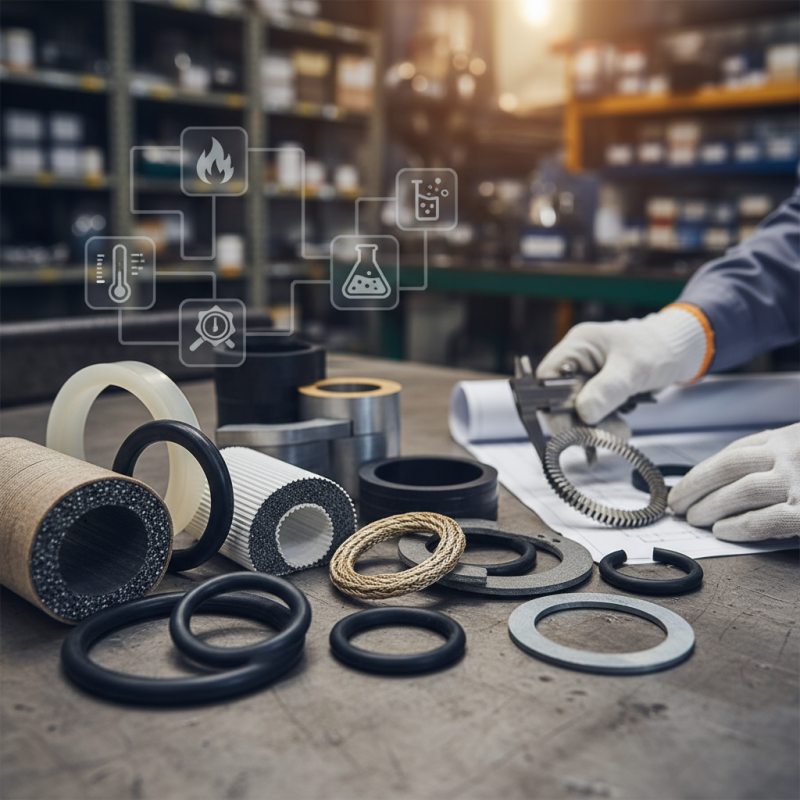
Sealing materials play a critical role in various industrial applications. They are essential for preventing leaks and ensuring equipment efficiency. In settings where fluids and gases are handled, choosing the right seal is paramount. Poor selections can lead to system failures or costly downtimes. Therefore, understanding the specific requirements of your application is crucial.
Different environments present unique challenges for sealing materials. High temperatures and pressures may demand advanced composites. Conversely, some applications require materials resistant to chemicals or corrosive substances. Evaluating these factors allows for better decision-making. It’s easy to overlook minor details that can lead to major setbacks. Even small discrepancies in sealing choices can escalate costs.
Industry professionals often reiterate the importance of testing materials before full-scale implementation. Relying solely on standard recommendations may not suffice. Tailoring the selection process to individual needs often reveals gaps in commonly used materials. Continuous learning and adaptation are vital in this field. Engaging with experienced engineers can provide insights into best practices and innovative solutions.
: They prevent leaks and ensure equipment efficiency, crucial for handling fluids and gases.
Poor selections can cause system failures, leading to costly downtimes and repairs.
Factors like temperature, humidity, and chemical exposure can lead to sealing failures if not considered.
Materials with superior thermal stability, like silicone, often outperform traditional rubber in extreme conditions.
Testing ensures materials can withstand real conditions, helping avoid failures that standard recommendations may miss.
By assessing specific application conditions and conducting thorough environmental evaluations.
Overlooking minor details can lead to major issues, escalating costs unexpectedly.
They help identify material and chemical pairings to avoid failures under unusual conditions.
Reviewing can prevent costly production failures and ensure materials remain suitable for changing environments.
They provide insights and best practices that reveal gaps in commonly used materials.
Choosing the right sealing material for industrial applications is crucial for ensuring operational efficiency and equipment longevity. This process begins with understanding the specific role that sealing materials play in preventing leaks and maintaining system integrity. Key properties to consider include temperature resistance, chemical compatibility, and flexibility. Different types of sealing materials, such as elastomers, gaskets, and adhesives, each have optimal use cases that should be matched with the application requirements.
Moreover, evaluating the environmental resistance of sealing materials is essential, as exposure to extreme conditions can significantly impact their performance. Additionally, considerations around cost-effectiveness and longevity should inform the selection process, ensuring that the chosen sealing material not only fits budgetary constraints but also minimizes the need for frequent replacements. By following these guidelines, industrial professionals can effectively learn how to choose the right sealing material for their specific applications, thereby enhancing reliability and safety.

 Royflexa Rubber