How Sustainability Impacts Rubber and Composite Materials?

Time:2026-07-09 Author:Oliver
0%

Sustainability is reshaping various industries, including the rubber and composite materials sector. According to a recent report by Grand View Research, the global sustainable materials market is projected to reach $400 billion by 2027. This profound shift raises critical questions about how sustainability impacts rubber and composite materials. Dr. James Barton, an expert in sustainable materials, emphasizes, "The future of rubber and composites lies in our commitment to sustainability."

The shift toward eco-friendly practices in material production is clear. Manufacturers are now exploring renewable resources and alternative materials to create sustainable products. This transition not only reduces carbon footprints but also addresses consumer demands for greener options. Natural rubber, bio-based composites, and recyclable materials are at the forefront of this movement.

However, challenges persist. The availability of sustainable raw materials can be inconsistent. Moreover, many manufacturers struggle to balance performance, cost, and sustainability. The industry must engage in continuous dialogue to improve processes and reduce environmental impacts. This tension reflects the need for ongoing innovation and reflection as we examine how sustainability impacts rubber and composite materials.
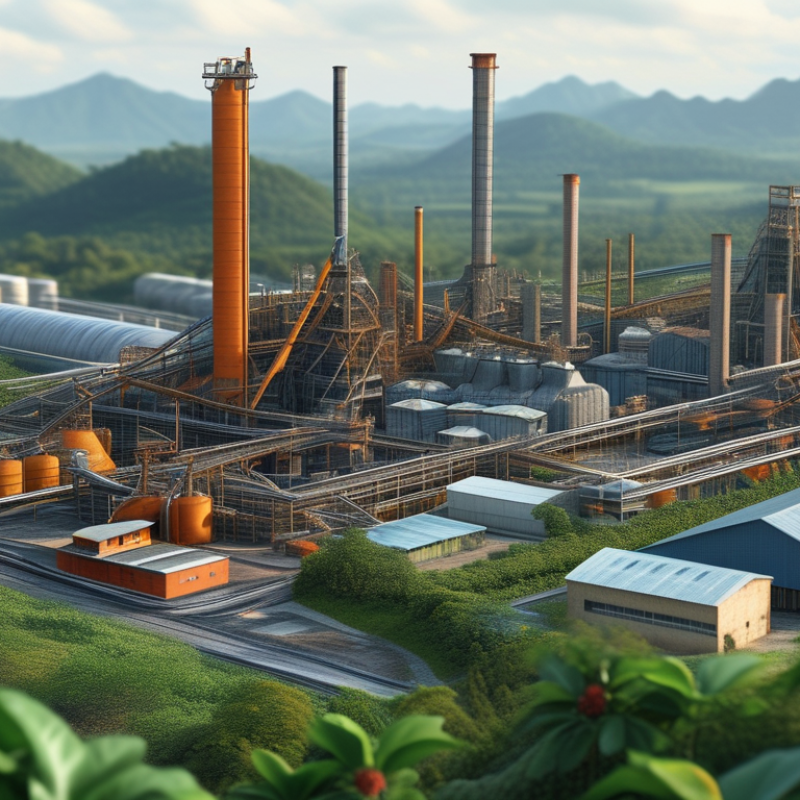
How Sustainability Impacts Rubber and Composite Materials?

Impact of Sustainability on Rubber and Composite Material Production Processes

Sustainability significantly influences the production processes of rubber and composite materials. Manufacturers are revising methods to lower their environmental impacts. This shift often means using recycled materials or bio-based alternatives. For instance, some companies explore plant-derived rubber. This not only meets market demand but also reduces reliance on petroleum resources.

Implementing sustainable practices can come with challenges. For instance, transitioning to eco-friendly materials can affect product performance. Manufacturers must balance sustainability with durability and cost. They may struggle to find suppliers of high-quality recycled materials. Additionally, increased investment in sustainable technologies is often necessary.

Tips: Consider the lifecycle of materials. Evaluate how your choices impact the environment at every stage. Collaborate with experts in sustainable design. Stay informed about advancements in eco-friendly materials. Proper research can uncover alternative solutions that align with sustainability goals.

Impact of Sustainability on Rubber and Composite Materials Production Processes

The Role of Renewable Resources in Sustainable Rubber and Composite Materials

The push for sustainable practices in the rubber and composite materials industry highlights the importance of renewable resources. Natural rubber, derived from the rubber tree, offers a sustainable alternative to synthetic options. A report from the International Rubber Study Group indicates that natural rubber accounts for about 43% of global consumption and is vital for lowering carbon footprints. This shift aids in reducing dependence on fossil fuels.

Moreover, biocomposite materials, which incorporate natural fibers, are gaining traction. Research shows that using renewable resources can reduce production energy by up to 25%. These biocomposites not only minimize waste but also enhance material properties. A study by the European Bioplastics Association stresses the potential of bioplastics, projecting a market growth of 20% annually through 2025. However, challenges such as sourcing and processing remain significant hurdles that require ongoing innovation and consideration.

The integration of renewable resources into rubber and composite materials is not without its flaws. Often, the balance between performance and sustainability can be difficult to achieve. Industries must tread carefully, as the adoption of such materials may lead to unforeseen consequences. Continuous research and collaboration among stakeholders will play a crucial role in navigating these complexities effectively.

How Sustainability Impacts Rubber and Composite Materials? - The Role of Renewable Resources in Sustainable Rubber and Composite Materials

Material Type Sustainability Source Percentage of Renewable Content Application Areas Environmental Benefits
Natural Rubber Hevea Brasiliensis tree 100% Automotive tires, footwear Biodegradable, less CO2 emissions
Synthetic Rubber Renewable bio-based feedstocks 30-50% Industrial applications, tires Reduced fossil fuel dependence
Bio-composite Materials Plant fibers (hemp, flax) 60-90% Construction, automotive parts Lighter weight, lowers carbon footprint
Epoxy Resins Renewable plant oils 20-40% Bicycles, sports equipment Decreased environmental impact
Thermoplastic Elastomers Recycled plastics and rubbers 10-70% Consumer goods, automotive seals Promotes recycling, less waste

Assessing Environmental Benefits: Life Cycle Analysis of Rubber Products

The assessment of environmental benefits in rubber products through life cycle analysis (LCA) offers valuable insights. LCA evaluates the environmental impacts from extraction to disposal. This approach highlights the critical phases where sustainability can be enhanced.

For instance, the sourcing of raw materials often raises concerns regarding deforestation and biodiversity loss. Eco-friendly practices in tapping rubber trees can mitigate these impacts. However, not all producers adopt such methods. It signals a need for greater awareness and compliance in the industry.

Recycling and repurposing spent rubber products can dramatically reduce waste. Current recycling rates remain low, leading to significant landfill contributions. This presents opportunities for innovation and collaboration in the sector. The industry must reflect on these challenges to truly embrace sustainability and foster positive change.

Innovations in Recycling Technologies for Rubber and Composites

Innovations in recycling technologies have become critical for rubber and composite materials. These materials are widely used in various industries but pose environmental challenges. Traditional disposal methods often result in significant waste. New recycling approaches aim to reduce this impact.

One promising technology is devulcanization, which breaks down the sulfur bonds in rubber. This process allows for recycling old rubber into new products. It challenges the notion that used rubber is waste. Instead, it can become a resource. Additionally, advancements in chemical recycling methods have emerged. These can convert composite materials back into their original components. It opens up new pathways for reuse.

Yet, these technologies are still evolving. The economic viability of recycling is a concern. Not all recycled materials meet industry standards. Continuous research and development are necessary for improvement. Stakeholders must collaborate to make these technologies efficient. As we move forward, addressing these challenges will pave the way for a more sustainable future in rubber and composite materials.

Market Trends: Consumer Demand for Sustainable Rubber and Composite Materials

Consumer demand for sustainable rubber and composite materials is on the rise. Eco-friendly products are no longer just a niche market. Customers are increasingly aware of environmental issues. They seek materials that have minimal ecological impact. This shift is affecting production methods and supply chains.

Manufacturers are investing in sustainable practices. They focus on sourcing natural rubber from certified, eco-friendly plantations. New technologies help in creating composites that use renewable resources. Bio-based materials and recyclable options are gaining popularity. However, achieving a balance between sustainability and performance remains a challenge. Some consumers question the durability of these green alternatives.

As the market evolves, companies must adapt to these changing preferences. Innovations in material science show promise, yet consumer skepticism still exists. Transparency in sourcing and production is crucial. Brands must communicate their sustainability efforts effectively. Engaging with consumers on these topics fosters trust and loyalty.

FAQS

: What impact does sustainability have on rubber and composite material production?

: Sustainability prompts manufacturers to lower environmental impacts by revising production methods and using recycled materials.

What are some materials companies are exploring for sustainability?

Companies are exploring plant-derived rubber and bio-based alternatives to reduce reliance on petroleum resources.

What challenges do manufacturers face when adopting sustainable practices?

Manufacturers may experience performance issues, struggles finding quality suppliers, and high costs associated with sustainable technologies.

How does using renewable resources benefit production energy?

Utilizing renewable resources can cut production energy requirements by up to 25%, benefiting both the environment and efficiency.

Why is natural rubber considered sustainable?

Natural rubber comes from rubber trees and helps decrease carbon footprints, constituting about 43% of global rubber consumption.

What are biocomposite materials and why are they important?

Biocomposites incorporate natural fibers and minimize waste, while enhancing material properties for better sustainability.

What is the market outlook for bioplastics?

The market for bioplastics is projected to grow by 20% annually through 2025, indicating increasing interest in sustainable options.

Are there any drawbacks to integrating renewable resources?

Balancing performance with sustainability is challenging, and unforeseen consequences may arise from adopting these materials.

How can one stay informed about sustainable practices?

Ongoing collaboration with experts and researching advancements in eco-friendly materials can provide valuable insights.

What should manufacturers consider regarding material lifecycle?

Manufacturers need to evaluate environmental impacts at every stage of the material lifecycle to make informed decisions.

Conclusion

The article "How Sustainability Impacts Rubber and Composite Materials" explores the significant influence of sustainability on the production processes of rubber and composite materials. It highlights the importance of transitioning towards renewable resources, which serve as foundational elements for developing sustainable materials. The piece also emphasizes the necessity of assessing the environmental benefits of rubber products through life cycle analysis, paving the way for a clearer understanding of their ecological footprint.

Furthermore, the article discusses advancements in recycling technologies that are enhancing the sustainability of rubber and composites. As market trends indicate a growing consumer demand for sustainable materials, the industry is increasingly focused on innovative solutions that align with environmental goals. Overall, this exploration illustrates how sustainability impacts rubber and composite materials, driving a shift towards more responsible production and consumption practices.

Oliver

Oliver

Oliver is a seasoned marketing professional with a wealth of expertise in driving brand awareness and engagement. With a deep understanding of our company's product offerings, he consistently delivers high-quality content that enriches our professional blog. His insights not only shed light on......