How to Select Materials for Optimal Thermal Insulation?

Time:2026-08-08 Author:Ethan
0%

Selecting the right materials for thermal insulation is crucial for efficiency and sustainability. John Smith, an expert in thermal engineering, emphasizes, "The right insulation can make or break a building's energy performance." His insights reflect a deep understanding of how to select materials for thermal insulation applications.

In today's market, a diverse range of materials exists. Each option comes with unique properties and applications. Factors like thermal resistance, moisture control, and environmental impact play significant roles in this decision. It can be overwhelming to navigate these choices. Understanding specific needs helps streamline the selection process.

Before making a decision, it's essential to reflect on your project's requirements. Not every material suits every situation. The wrong choice can lead to increased energy costs and reduced comfort. Exploring different insulation materials allows for informed decisions. Yet, there’s always room for improvement and reflection in the selection process. This journey demands meticulous research and a clear focus on practical application to ensure optimal outcomes.
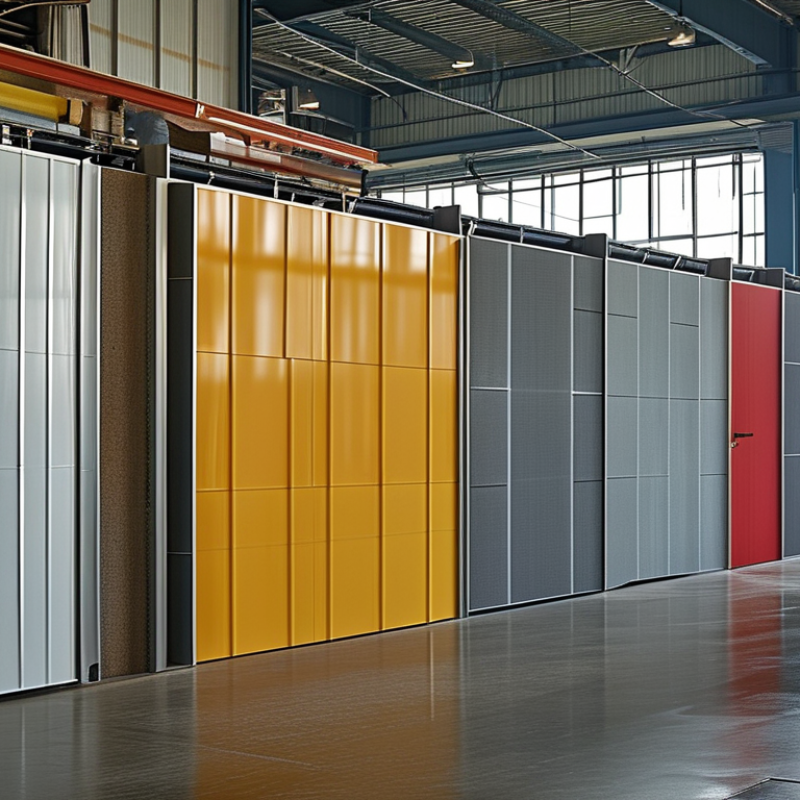
How to Select Materials for Optimal Thermal Insulation?

Key Properties of Thermal Insulation Materials

Choosing materials for optimal thermal insulation is a critical task. The key properties of these materials greatly influence their performance. One important property is thermal resistance, typically measured by R-value. Higher R-values indicate better insulation. Materials like fiberglass often show excellent thermal resistance.

Another vital aspect is moisture resistance. Insulation can lose effectiveness when wet. Some materials, such as closed-cell foam, resist moisture well. This is crucial, especially in areas with high humidity. Durability also matters; materials must withstand temperature changes without degrading.

Considering environmental impact is essential. Many insulation options are now made from recycled materials. This not only helps the planet but also appeals to eco-conscious consumers. However, the balance between performance and sustainability can be hard to strike. Selecting insulation requires thoughtful consideration of these properties to ensure optimal performance in varying conditions.

Key Properties of Thermal Insulation Materials

The following chart illustrates the thermal conductivity (λ) values of various insulation materials commonly used for optimal thermal insulation. Lower values indicate better insulating properties.

Types of Materials Commonly Used for Thermal Insulation

When considering materials for thermal insulation, various options stand out in terms of performance and application. Fiberglass is one of the most common choices, known for its excellent insulation properties. According to the U.S. Department of Energy, fiberglass insulation typically has a thermal resistance rating (R-value) ranging from 2.9 to 4.3 per inch. This makes it effective for residential buildings, particularly in attics and walls. However, it can be prone to moisture issues, which is an essential factor to consider.

Foam insulation is another popular alternative. Rigid foam boards, for instance, have higher R-values, typically between 5 and 8 per inch. This type of insulation is often used in basements and crawl spaces, providing a more consistent thermal barrier. A report by the North American Insulation Manufacturers Association highlights that foam insulation can improve energy efficiency by up to 30%. Still, the environmental impact of foam materials raises questions. Many emphasize the need for more sustainable options in insulation materials moving forward.

Mineral wool, also known as rock wool, is a less common but effective choice. It has excellent fire-resistant properties and an average R-value of 3.3 to 4.2 per inch. Despite its advantages, mineral wool can be heavier and may require more extensive installation techniques. This adds to labor costs, which can be a significant factor in project budgeting. Each insulation type offers different benefits and challenges, making careful consideration essential in selecting the right material.

Evaluating Thermal Resistance and Conductivity

When selecting materials for thermal insulation, thermal resistance and conductivity are key factors. Thermal resistance measures how well a material can resist heat flow. Higher values indicate better insulation. Conductivity, on the other hand, determines how quickly heat can pass through a material. It's vital to choose materials with low thermal conductivity.

Common materials include fiberglass, foam, and mineral wool. Each has its own thermal resistance. Fiberglass, for instance, offers a decent balance of performance and cost. Foam, however, typically provides superior insulating properties but may have environmental concerns. It's essential to evaluate these trade-offs.

Sometimes, the best insulation isn't the most expensive option. Efficient installation can significantly impact performance. Gaps and seams can undermine even the best materials. Testing different configurations can provide insight into what works best in specific applications. Always consider the unique conditions of your project.

Factors Influencing the Selection of Insulation Materials

Choosing the right insulation material involves several key factors. A primary consideration is thermal conductivity. Materials with low thermal conductivity provide better insulation. Common options include fiberglass, foam, and mineral wool. Each material has unique properties affecting its performance in different climates.

Cost is another crucial factor. Some insulation materials are expensive, while others are budget-friendly. It's essential to balance cost with long-term efficiency. Also, the installation process can vary greatly. Some materials are easy to install, while others require professional assistance. This could impact your total project cost.

Environmental impact should not be overlooked. Sustainable materials can minimize your carbon footprint. However, finding the right balance between eco-friendliness and effective insulation is challenging. Researching local building codes and climate conditions is also necessary. Sometimes, what works in one area may not be effective in another. Make sure to evaluate these aspects carefully for a wise decision.

Sustainability Considerations in Material Selection

When selecting materials for thermal insulation, sustainability is a critical factor. Eco-friendly materials minimize environmental impacts. Options like recycled denim or cellulose are worth considering. They not only provide adequate thermal resistance but also reduce waste. Choosing materials with lower carbon footprints aligns with sustainable practices.

Biodegradable insulation materials also play a vital role. These options can break down after their lifecycle, lessening landfill contributions. However, one must reflect on their sourcing. Overharvesting can negate their benefits. Locally sourced materials often have a smaller transport impact. This consideration enhances overall sustainability.

It’s essential to consider the long-term effects of insulation materials. Some might perform well initially but degrade over time. Research shows that not all sustainable choices are equally effective. Thorough evaluations are needed. Always balance performance with environmental impact for responsible decisions.

FAQS

: What factors should I consider when choosing insulation materials?

: Key factors include thermal conductivity, cost, installation process, and environmental impact.

Why is thermal conductivity important?

Low thermal conductivity means better insulation performance in maintaining temperature.

Are all insulation materials expensive?

No, options vary in price. Budget-friendly materials exist, but efficiency is vital.

How can installation impact my project cost?

Some materials are easy to install, while others may need professionals, increasing costs.

Why should I consider sustainability when selecting insulation?

Sustainable materials can help reduce your carbon footprint and environmental impact.

What are some eco-friendly insulation options?

Recycled denim and cellulose are good choices that provide thermal resistance while reducing waste.

Can biodegradable materials be a good choice?

Yes, but they must be sourced responsibly to avoid negating their environmental benefits.

Do all sustainable materials perform equally well?

No, some sustainable options may degrade over time and not provide consistent insulation.

How can local sourcing improve sustainability?

Locally sourced materials have a smaller transport impact, enhancing overall sustainability efforts.

What should I do if I’m unsure about material effectiveness?

Conduct thorough evaluations to balance performance and environmental impact for a wise choice.

Conclusion

Selecting materials for optimal thermal insulation is crucial in various applications to improve energy efficiency and comfort. Key properties of thermal insulation materials, such as thermal resistance and conductivity, play a significant role in determining their effectiveness. It is essential to evaluate the types of materials commonly used, such as fiberglass, foam, and mineral wool, and understand how factors like environmental conditions and intended use influence material choice.

Additionally, sustainability considerations have become increasingly important in material selection, as more consumers and businesses prioritize eco-friendly options. Overall, understanding how to select materials for thermal insulation applications involves a comprehensive evaluation of material properties, types available, and sustainability impacts to achieve the best performance and efficiency.

Ethan

Ethan

Ethan is a seasoned marketing professional with a deep expertise in our company's innovative product line. With a passion for sharing knowledge and insights, he takes the lead in regularly updating our corporate blog, where he explores industry trends, product features, and effective marketing......