Choosing the right materials for thermal insulation is crucial for energy efficiency and comfort. John Smith, a leading expert in thermal management, emphasizes, "Selecting the right insulating materials makes or breaks a building's energy performance." This statement resonates deeply within the industry, highlighting the importance of informed decision-making.
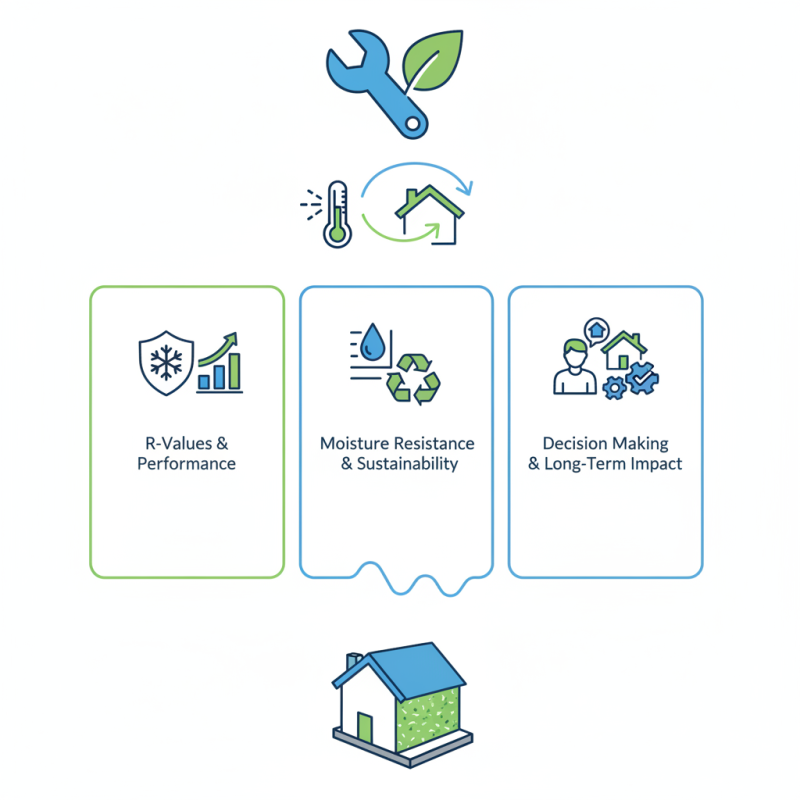
In the field of thermal insulation, the options are vast. Each material offers distinct properties and applications. When we talk about how to select materials for thermal insulation applications, consideration of R-values, moisture resistance, and environmental impact is essential. Potential buyers often face confusion here.
It's easy to underestimate the significance of quality insulation. However, poor choices lead to high energy bills and maintenance issues. Industry professionals urge careful analysis, as wrong selections can have long-term consequences. Thus, understanding the characteristics of different materials is paramount.
Understanding Thermal Insulation: Key Concepts and Principles
Understanding thermal insulation involves grasping a few fundamental concepts. Thermal insulation is essential for energy efficiency. It helps maintain stable indoor temperatures by reducing heat transfer. There are three main mechanisms: conduction, convection, and radiation. Each method has unique characteristics to consider when choosing insulation materials.
When selecting insulation, focus on the R-value. This value measures thermal resistance. A higher R-value indicates better insulating effectiveness. Not all situations are the same. Depending on climate, specific needs vary. For example, in colder regions, denser materials might perform better. In contrast, lightweight options could suffice in milder climates.
Some materials, like fiberglass, have a long history in insulation. However, their performance can vary based on installation quality. Misalignment and gaps can lead to diminished effectiveness. Reflective barriers are another option. They can be particularly useful in warmer climates to reduce cooling costs. Understanding the unique properties of each material will lead to better insulation choices.
How to Select the Best Materials for Thermal Insulation?
| Material |
Thermal Conductivity (W/m·K) |
R-Value (m²·K/W) |
Cost per Sq Ft ($) |
Durability (Years) |
| Fiberglass |
0.04 |
3.1 |
0.50 |
30 |
| Foam Board |
0.025 |
4.0 |
0.75 |
25 |
| Mineral Wool |
0.035 |
2.9 |
0.65 |
40 |
| Cellulose |
0.037 |
3.0 |
0.50 |
20 |
| Spray Foam |
0.023 |
5.2 |
1.00 |
30 |
Types of Insulation Materials: An Overview of Options Available
When selecting insulation materials, understanding the options available is crucial. Common types include fiberglass, foam board, cellulose, and mineral wool. Each has unique properties, affecting cost and performance. Fiberglass is widely used for its effectiveness and affordability. It is lightweight and resists moisture. However, improper installation can reduce its performance.
Foam board is another popular choice. Rigid and dense, it provides excellent thermal resistance. It is often used in basements or exterior walls. However, it may not be the best choice for every climate. Consider local weather patterns when making your selection. Cellulose, made from recycled paper, offers eco-friendly benefits. It has good thermal performance but may require professional installation.
Tips: Always check the R-value of insulation. A higher R-value indicates better thermal resistance. Do not overlook air sealing. Reducing air leaks can significantly enhance insulation performance. Consider the installation process too; DIY methods may save money but could lead to mistakes. Researching each material thoroughly helps in making an informed choice.
Comparison of Common Thermal Insulation Materials
This chart provides an overview of various thermal insulation materials based on their thermal resistance (R-value) and cost-effectiveness. The R-value measures the material's ability to resist heat flow, while cost-effectiveness is represented by the price per R-value.
Factors to Consider When Selecting Insulation Materials
When selecting insulation materials, several key factors come into play. The thermal conductivity of a material is crucial. A lower thermal conductivity value indicates better insulation performance. For instance, fiberglass typically has a thermal conductivity of 0.2 to 0.3 W/mK, making it a popular choice. Yet, it’s essential to consider the intended application. Insulation requirements differ between residential buildings and industrial facilities.
Another significant factor is moisture resistance. Some materials, like closed-cell spray foam, are better at preventing moisture ingress, which can lead to mold growth. According to the U.S. Department of Energy, moisture issues can reduce the effectiveness of insulation by up to 50%. Understanding local climate conditions is also vital. Areas with high humidity may benefit from materials that can manage moisture effectively.
Cost and availability should not be overlooked. Insulation materials vary widely in price, which may affect budget decisions. Research indicates that homeowners can save 15% on heating and cooling costs by investing in quality insulation. However, sometimes the cheapest options may not provide long-term benefits. Weighing upfront costs against potential energy savings can require serious consideration. Selecting insulation involves more than just R-value; it requires a holistic view of performance, lifespan, and environmental impact.
Evaluating the Thermal Performance of Insulation Materials
When evaluating the thermal performance of insulation materials, consider several key factors. Thermal resistance, or R-value, indicates how well a material resists heat flow. Higher R-values provide better insulation. Pay attention to the thickness and density of the material as well. Thicker materials can trap more air, enhancing their insulating properties.
Moisture resistance is another critical aspect. Some materials, while thermally efficient, can absorb moisture over time. This absorption reduces effectiveness and poses risks of mold growth. Conducting a moisture analysis can help in selecting the right material. Additionally, the environmental impact should not be overlooked. Sustainable options are increasingly available, but their thermal performance must be evaluated rigorously.
Cost-effectiveness plays a role too. More expensive materials can yield better long-term savings on energy bills. Yet, their initial cost might deter some homeowners. It’s essential to weigh upfront expenses against potential benefits. Always calculate the payback period. Informed choices lead to better thermal efficiency and comfort in the long run. Consider all these factors to avoid common pitfalls in insulation material selection.
Cost and Environmental Impact of Different Insulation Choices
Choosing the right insulation materials involves considering both cost and environmental impact. Many common materials, like fiberglass and foam, provide effective thermal resistance but carry different price tags. Fiberglass is often cheaper, while foam offers better insulation. However, production of foam has a significant environmental footprint due to harsh chemicals used.
Recycled materials are gaining traction. They can be cost-effective and reduce waste. Using recycled denim or cellulose made from paper can balance performance and eco-friendliness. Still, their availability may vary and they might not perform as consistently. Manufacturers might hype benefits without transparency about sourcing and lifecycle assessments.
Sustainability is not just about material choice. Installation methods can also impact efficiency. Poor installation can lead to energy loss, negating benefits of even the best materials. Insulating homes requires scrutiny of both upfront costs and long-term environmental effects. Making informed decisions demands careful research and sometimes intuition. Balancing economic and ecological factors can be challenging but crucial for a healthier future.
FAQS
: Thermal insulation helps maintain indoor temperatures by reducing heat transfer. It increases energy efficiency in buildings.
The main mechanisms are conduction, convection, and radiation. Each has unique properties influencing insulation effectiveness.
The R-value measures thermal resistance. A higher R-value means better insulation performance and energy savings.
In colder regions, dense materials perform better. In milder climates, lighter options may be sufficient for insulation.
Key factors include thermal conductivity, moisture resistance, cost, and local climate conditions. Each one impacts efficiency.
Moisture can reduce insulation effectiveness by up to 50%. Using moisture-resistant materials is crucial in humid areas.
Not necessarily. Cheaper options may reduce upfront costs but might not offer long-term energy savings or performance.
Common materials like foam may have a significant environmental footprint. Choosing recycled materials can help reduce waste.
Poor installation can lead to energy loss. Even the best materials can fail without proper installation techniques.
Consider both upfront costs and long-term benefits. Research is essential for making informed choices about insulation options.
Conclusion
Selecting the best materials for thermal insulation applications involves a comprehensive understanding of key concepts and principles related to thermal insulation. It is essential to familiarize yourself with the different types of insulation materials available, as each option comes with its unique properties and benefits. When choosing insulation materials, several factors should be considered, including the specific application, climate conditions, and desired thermal performance.
Evaluating the thermal performance of insulation materials is crucial for making informed decisions. Factors such as R-value, durability, and resistance to moisture play a significant role in determining effectiveness. Additionally, considering the cost and environmental impact of various insulation choices can help ensure a sustainable approach. Ultimately, understanding how to select materials for thermal insulation applications will lead to better energy efficiency and comfort in buildings.

 Royflexa Rubber