Sealing materials play a crucial role in engineering systems. They ensure proper function and integrity under various conditions. According to a 2021 report by the International Sealing Association, inadequate sealing can lead to a 10% loss in efficiency. This loss often goes unnoticed until substantial damage occurs.
Expert Mark Johnson, a leading material engineer, emphasizes, "What is the role of sealing materials in engineering systems? It's a matter of efficiency and safety." His insights reflect the industry’s acknowledgment of sealing materials as vital components. They protect against leaks, maintain pressure, and enhance durability across mechanical systems.
In a world heavily reliant on precision engineering, the importance of these materials cannot be overstated. Yet, many systems still operate without proper sealing solutions, exposing vulnerabilities. Continuous research is essential to address these gaps. Industry professionals must prioritize advancements in sealing technologies for optimal performance.
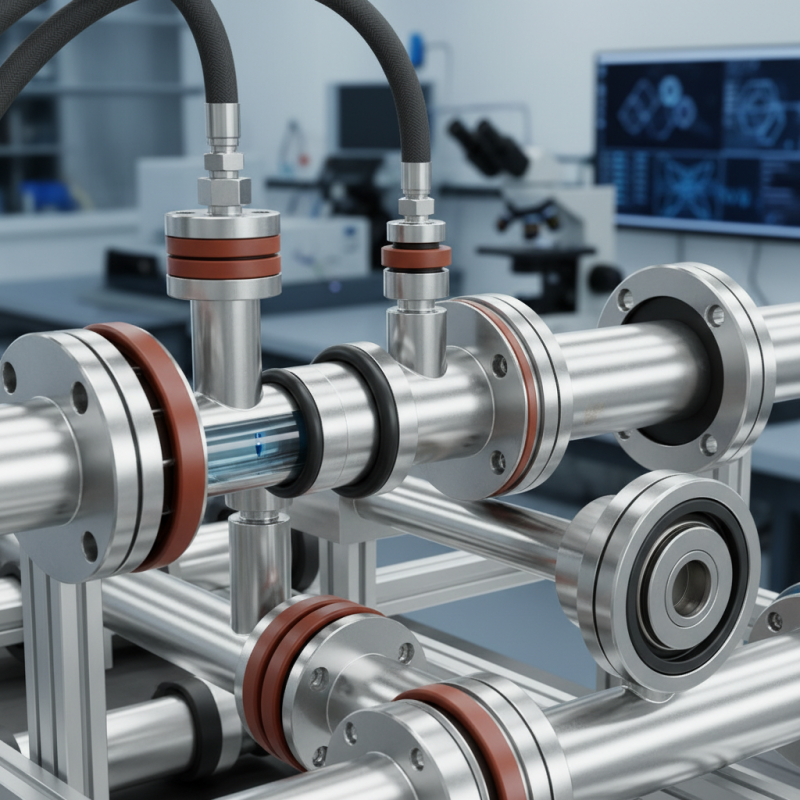
Definition and Types of Sealing Materials in Engineering
Sealing materials are crucial in engineering systems. They prevent leaks and maintain pressure in various applications. Understanding their definitions and types is essential for effective use. Various industries rely on these materials for optimal performance.
There are several types of sealing materials. Gaskets, O-rings, and seals are common examples. Gaskets are used between surfaces. They fill the gaps and prevent leaks. O-rings are versatile and found in many assemblies. Their ability to compress improves sealing efficiency. Other materials include silicone, rubber, and metal, each having unique properties.
When selecting sealing materials, several factors need consideration. Temperature, pressure, and chemical compatibility are vital. Each application demands specific requirements to ensure reliability. A mismatch in seal type can lead to failures. This emphasizes the need for careful evaluation during the selection process. Effective sealing contributes significantly to the longevity and functionality of engineering systems.
Functions of Sealing Materials in Mechanical Systems
Sealing materials play a crucial role in mechanical systems. They are essential for preventing leaks, protecting components, and ensuring efficient operation. Imagine a hydraulic pump without proper seals. It would lead to fluid loss and decreased performance. Proper sealing maintains pressure, delivers reliability, and extends machinery life.
These materials also reduce friction between moving parts. Without effective seals, excessive wear and tear occur. This can cause failure, leading to costly repairs. Seals made from different materials, like rubber or metal, meet specific needs. Each has unique properties, influencing the choice in design.
Sealing technology continues to evolve, yet challenges remain. Some materials may degrade under extreme conditions. This reflects the importance of ongoing research and testing. Engineers must stay informed about new developments to select the best solutions. In this intricate field, understanding the nuances of sealing is vital for engineering success.
Applications of Sealing Materials Across Various Industries
Sealing materials are crucial in various engineering systems. They prevent leaks and protect components. Industries such as automotive, aerospace, and manufacturing heavily rely on these materials. In automotive manufacturing, for instance, nearly 90% of vehicles use some form of sealing technology. This ensures performance and safety standards are met.
According to a recent market report, the global sealing materials market is expected to reach $49 billion by 2025. This growth is driven by rising demands in key sectors. In aerospace, seals are essential for fuel efficiency. A minor leak can lead to significant losses. The need for reliable seals is more than just a technical requirement; it's a matter of safety.
However, challenges persist. The selection of sealing materials can be complex. Factors include temperature resistance, chemical compatibility, and wear. Manufacturers often have to balance cost with performance. A wrong choice may lead to failures or increased maintenance costs. Industry experts emphasize that ongoing research is vital for developing advanced sealing solutions.
Factors Influencing the Selection of Sealing Materials
Choosing sealing materials for engineering systems requires careful consideration. Factors like the operating environment, temperature, and pressure must be assessed. For instance, chemical resistance is critical in many applications. Some materials fail when exposed to harsh chemicals. Over time, these failures can lead to significant leaks and damage.
Mechanical properties also play a vital role. A seal must maintain integrity under pressure and temperature fluctuations. The flexibility of materials can affect sealing ability. Rigid materials may become brittle, compromising their performance. Additionally, the compatibility with other system components is essential. Materials that react negatively can lead to system failures.
Cost considerations are another important aspect. While cheaper options may seem appealing, they can often lead to higher long-term costs. Investing in high-quality sealing materials can prevent costly repairs and downtime. The right material can save money over time, but this requires a deep understanding of the application requirements. It's a balancing act, one that often demands a thorough review of all influencing factors.
What is the Role of Sealing Materials in Engineering Systems? - Factors Influencing the Selection of Sealing Materials
| Material Type |
Temperature Range (°C) |
Chemical Resistance |
Applications |
Cost ($/kg) |
| Rubber |
-40 to 100 |
Moderate |
Automotive, HVAC |
2.5 |
| PTFE |
-200 to 260 |
Excellent |
Chemical processing, Pharmaceuticals |
30 |
| Silicone |
-60 to 200 |
Good |
Electronics, Cookware |
15 |
| Metallic |
-50 to 600 |
Varies |
Aerospace, Machinery |
25 |
| Gasket Materials |
-20 to 300 |
Good |
Pipes, Flanges |
10 |
Challenges and Innovations in Sealing Technologies
Sealing materials are essential in engineering systems, ensuring efficiency and reliability. However, they face numerous challenges. Extreme temperatures can degrade seals, leading to potential failures. Pressure fluctuations also stress materials, causing leaks. Furthermore, chemical exposure complicates the selection of appropriate seals. Engineers must carefully consider these factors during the design phase.
Innovations in sealing technologies are emerging to tackle these issues. Advanced materials, such as high-performance elastomers, offer enhanced resistance to harsh environments. New sealing designs, like spiral wound gaskets, improve reliability under varying conditions. These innovations reflect a continuous effort to enhance safety and performance.
Despite these advancements, challenges remain. The durability of new materials under real-world conditions often requires further testing. Trade-offs between flexibility and strength can complicate design choices. Engineers must remain vigilant, continuously evaluating and refining sealing solutions to meet evolving demands.
The Role of Sealing Materials in Engineering Systems
This chart illustrates the distribution of various sealing materials used in engineering systems based on their application areas. The data reflects the percentage share of each material in key industries including automotive, electronics, and construction.
FAQS
: Sealing materials prevent leaks and maintain pressure in engineering systems, ensuring optimal performance.
Common types include gaskets, O-rings, and seals. Each serves a specific function in various applications.
Gaskets fill gaps between surfaces to prevent leaks. They are vital in creating effective seals.
Temperature, pressure, and chemical compatibility are critical factors for effective selection and reliability.
Effective sealing prevents failures and enhances the longevity of systems; it's crucial for overall functionality.
O-rings provide versatile sealing solutions. Their ability to compress improves their sealing efficiency in assemblies.
Industries like automotive and aerospace depend on seals for safety and performance, impacting overall operational success.
Factors like cost, temperature resistance, and wear complicate material selection, leading to potential failures if mismatched.
Incorrect material selection may result in failures or increased maintenance costs. This needs careful consideration.
Continuous research helps develop advanced sealing solutions, addressing current challenges in various industries.
Conclusion
Sealing materials play a critical role in engineering systems by ensuring the integrity and functionality of various mechanical components. These materials can be defined as substances that fill gaps and prevent the escape of fluids or gases, thus maintaining necessary pressure and protecting against contamination. There are many types of sealing materials, each tailored for specific applications, ranging from elastomers and gaskets to adhesives and sealants.
The functions of sealing materials encompass preventing leaks, reducing friction, and protecting against wear and corrosion, making them essential across various industries, including automotive, aerospace, and manufacturing. When selecting sealing materials, factors such as temperature, pressure, and chemical compatibility must be considered. Furthermore, the industry faces challenges related to material performance under extreme conditions, leading to ongoing innovations in sealing technologies. Ultimately, understanding what is the role of sealing materials in engineering systems is crucial for optimizing performance and ensuring reliability in mechanical applications.

 Royflexa Rubber