In industrial settings, noise pollution poses significant challenges. According to a report from the World Health Organization, prolonged exposure to high noise levels can lead to serious health issues, including hearing loss and cardiovascular problems. The need for effective strategies on how to reduce noise in industrial environments is more critical than ever.
Expert John Smith, a leading acoustics consultant, states, “Reducing noise is not just about compliance; it’s about creating a healthier workplace.” His insights underline the importance of addressing noise at its source and implementing soundproofing methods.
Technological advancements provide various solutions such as acoustic panels and machinery redesigns. However, many industries still overlook these strategies. A balance must be struck between productivity and employee well-being. Investing in noise reduction can yield both financial and health benefits. Recognizing the importance of sound management is essential for long-term sustainability in industrial operations.
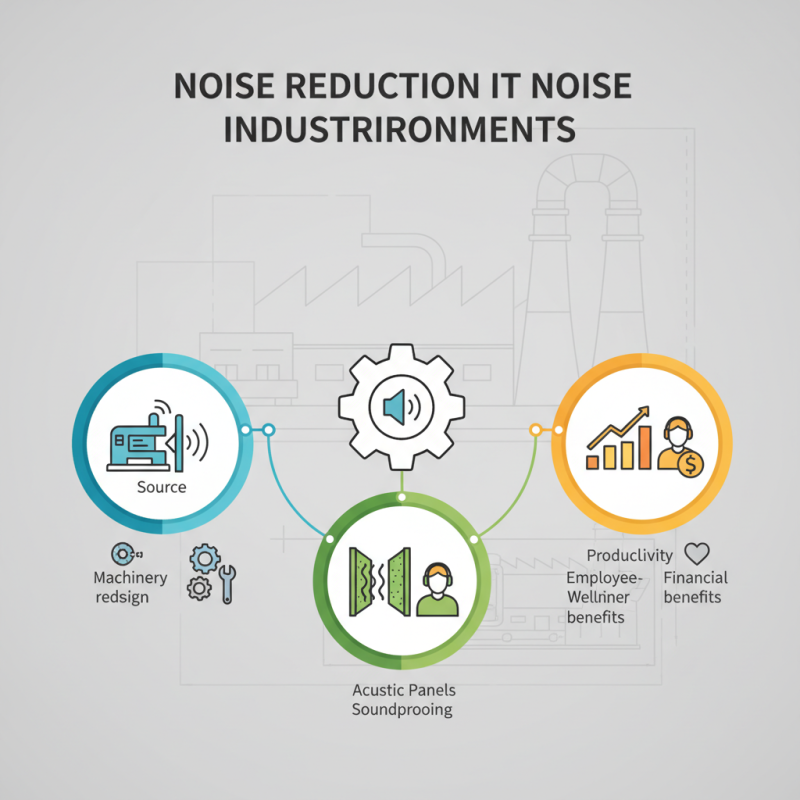
Noise in industrial environments can have significant impacts on worker health and productivity. High noise levels contribute to hearing loss, increased stress, and decreased concentration. Workers in factories often experience these adverse effects daily, leading to long-term consequences. Studies show that chronic exposure to high-decibel sounds can impair cognitive function and communication.
Furthermore, the psychological impact of noise is often underestimated. Continuous background noise can create a sense of discomfort and irritability. It may hinder teamwork and collaboration, as employees struggle to communicate effectively. The need for a conducive work atmosphere becomes crucial, especially in settings where precision and coordination are essential.
Addressing noise issues requires thoughtful strategies. Simple measures, like using sound-absorbing materials, can greatly lower noise levels. However, not every solution is perfect. Noise barriers might block sound but can also disrupt workflows. Regular assessments of noise levels, employee feedback, and ongoing evaluations are vital for effective noise management in industrial spaces. Balancing productivity with employee well-being is an ongoing challenge for many organizations.
Noise in industrial environments can stem from various sources. Machines often generate consistent, loud sounds. Equipment like conveyors and compressors produce vibrations that contribute to this noise. Additionally, the interaction between different machines can create complex soundscapes. Workers may experience sound levels that exceed safe limits, leading to potential health risks.
Identifying the types of noise is crucial. Operational noise consists of continuous machine sounds, while impact noise arises from sudden actions, like metal dropping. There’s also background chatter from staff and the sounds of foot traffic. Each type of noise poses unique challenges. While some noise can be mitigated with sound barriers, not all strategies are effective for every situation.
In dealing with noise, it's essential to understand its sources. This requires regular assessments and monitoring. Human factors also play a role; workers might adapt to noisy environments, neglecting potential hearing damage. Addressing noise should not only focus on reduction but also on creating awareness. Involving employees in discussions about noise can lead to innovative solutions.
Noise in industrial environments can severely impact worker health and productivity. Implementing engineering controls is essential for effective noise reduction. According to the U.S. National Institute for Occupational Safety and Health (NIOSH), prolonged exposure to noise levels above 85 decibels can lead to permanent hearing loss. Therefore, mitigating these risks should be a priority.
One effective strategy is the use of sound-dampening materials. Installing acoustic panels or barriers can absorb sound waves. This lowers noise exposure for employees. Additionally, enclosing noisy machinery within soundproof enclosures drastically reduces noise pollution. The American National Standards Institute (ANSI) emphasizes that sound isolation can improve overall workplace morale.
However, the implementation of these controls requires careful planning. Some solutions might involve significant upfront costs. It's crucial to assess the long-term benefits against initial expenditures. Retraining employees on new equipment may introduce temporary disruptions. Additionally, not all solutions are universally effective. Regular monitoring and updates are necessary to ensure continued efficacy of noise control measures. Flexibility and adaptation are vital in achieving a quieter industrial environment.
In industrial settings, managing noise levels is crucial for worker safety and health. According to the World Health Organization, prolonged exposure to noise above 85 decibels can lead to hearing loss and other health issues. Administrative measures can play a significant role in minimizing this noise. By implementing proper scheduling, companies can reduce peak noise levels during critical operations and prevent workers from being exposed for extended periods.
Training employees about the risks associated with workplace noise is essential. Regular training sessions can increase awareness and promote best practices. Studies show that companies that invest in employee training can see a 20% reduction in reported health issues. Educating staff on how to use equipment properly can also mitigate noise creation. Even small changes in operational behavior can lead to noticeable reductions in noise levels.
Regular assessment of workplace noise is necessary to identify problem areas. Conducting noise audits helps in understanding which machines or processes contribute most to the noise. The Centers for Disease Control and Prevention recommends performing these assessments regularly. However, companies often overlook this step, leading to persistent noise-related problems. Proactive noise management allows for better employee well-being and improved productivity in the long run.
| Noise Reduction Measure | Description | Expected Noise Reduction (%) | Implementation Timeframe |
|---|---|---|---|
| Administrative Controls | Establishing work practices that limit noise exposure | 30-50% | Immediate |
| Work Scheduling | Adjusting work hours to reduce noise during specific times | 20-40% | Short-term |
| Employee Training | Training staff on noise control methods and practices | 15-25% | Ongoing |
| Quiet Zones | Designating specific areas for quiet work and breaks | 25-35% | Immediate |
| Regular Audits | Conducting audits to assess noise levels and effectiveness of measures | 10-20% | Quarterly |
Selecting the right personal protective equipment (PPE) for noise reduction can be challenging. In industrial settings, noise levels often exceed recommended limits. An understanding of the noise environment is crucial. Workers should assess the sound levels in their specific areas. This knowledge helps in choosing suitable equipment.
Earplugs and earmuffs are common choices. Earplugs fit directly in the ear canal, offering comfort and discretion. Earmuffs cover the entire ear, providing stronger noise cancellation. However, not all earplugs or earmuffs are effective for every situation. Some may not fit well or may be less effective in certain frequency ranges. Workers must test different types to find what works best.
Employers should offer training for proper use of PPE. Proper insertion of earplugs is often overlooked. Many workers do not realize the importance of sealing the ear canal. Earmuffs must also create a good seal with the head. Regular checks on the condition of PPE are essential. Worn-out equipment may lose effectiveness. Feedback from users can guide improvements too. Encouraging ongoing conversations about noise exposure can enhance safety measures in noisy workplaces.
: High noise levels can lead to hearing loss, increased stress, and decreased concentration. These issues may improve if addressed.
Continuous background noise can create discomfort. It often hinders effective communication, making collaboration challenging.
Simple measures like sound-absorbing materials can lower noise levels. However, solutions vary in effectiveness and practicality.
Training raises awareness about noise risks. It promotes best practices that can significantly reduce health issues in the workplace.
Regular assessments are crucial to identify problematic areas. Many companies neglect this, which leads to ongoing noise issues.
Yes, small operational changes can lead to noticeable noise reductions. Every effort helps in improving the work environment.
Companies may prioritize other concerns. This oversight can permit noise-related problems to persist, affecting well-being and productivity.
Proper scheduling can reduce peak noise levels during critical operations. This minimizes prolonged exposure for workers.
The psychological effects are often underestimated. Noise can create irritability and discomfort, affecting overall job satisfaction.
No solution is entirely perfect. Each approach requires reflection and adjustment to balance productivity and employee well-being.
In industrial environments, excessive noise can have detrimental effects on workers' health and productivity. Understanding the impact of noise is essential, as it can lead to hearing loss and increased stress levels. Identifying sources and types of noise enables organizations to address the root causes effectively.
To learn how to reduce noise in industrial environments, implementing engineering controls, such as sound insulation or equipment modifications, is crucial. Additionally, administrative measures like scheduling shifts to minimize prolonged exposure and providing training on noise hazards play a significant role in creating a safer workplace. Finally, selecting appropriate personal protective equipment, such as earplugs or earmuffs, can help protect workers from harmful noise levels while they carry out their tasks. By adopting a comprehensive approach, industries can significantly reduce noise and enhance the overall work environment.

Royflexa Rubber