Leakage in mechanical systems is a significant concern across various industries. According to the International Society for Adaptation and Providers (ISAP), nearly 20% of industrial fluid loss is attributed to leaks, impacting both productivity and safety. Understanding how to prevent leakage in mechanical systems is crucial for maintaining operational efficiency. The cost of energy loss alone can reach millions annually, emphasizing the importance of proper maintenance practices.
Expert David Thompson, a recognized authority in fluid dynamics, states, "Preventative measures not only save money but also enhance system reliability." His insights underscore the necessity of proactive strategies. Companies must focus on regular inspections, proper seal selection, and employee training to effectively mitigate risks associated with leakage.
Without a robust prevention strategy, organizations may inadvertently accept unnecessary risks. Many teams overlook minor leaks, which can lead to significant failures later. The need for education and awareness in this area cannot be overstated. By prioritizing leak prevention, companies can ensure safer and more effective mechanical operations.
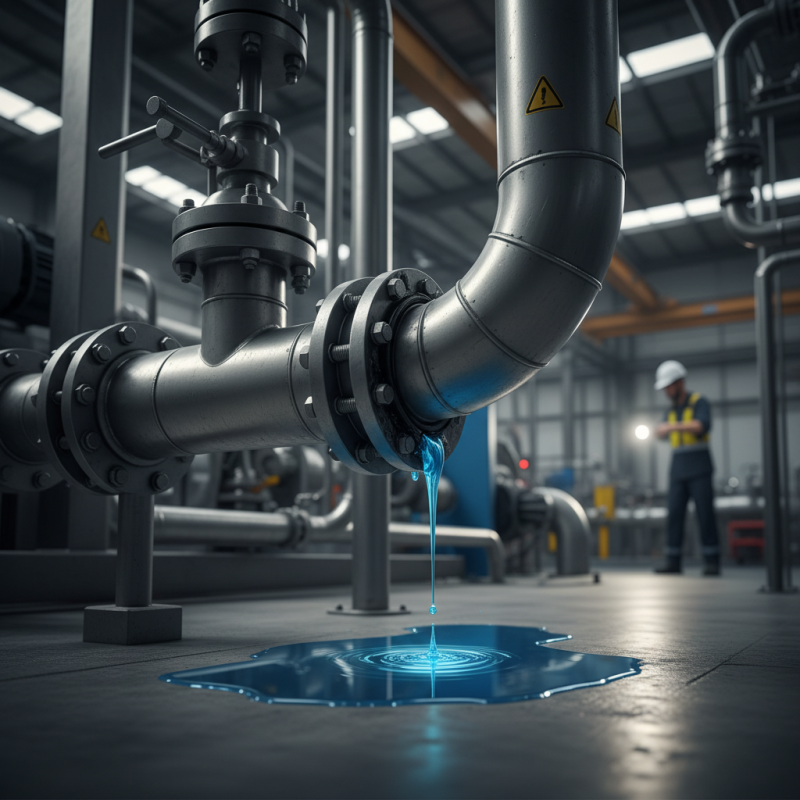
Understanding leakage in mechanical systems is crucial for maintaining efficiency and safety. According to a recent report by the American Society of Mechanical Engineers (ASME), leaks account for approximately 30% of energy loss in industrial systems. This loss not only increases operational costs but also contributes to unnecessary environmental impact. Recognizing the importance of leakage can help businesses reduce waste and improve performance metrics.
In many cases, leaks can go unnoticed until they cause significant issues. For instance, an overlooked hydraulic leak can lead to a 25% decrease in equipment efficiency. This is particularly critical in industries relying on precise mechanical operations. Engineers must prioritize their understanding of leakage pathways and types. A preventative approach can save organizations from costly repairs and downtime.
Furthermore, organizations should invest in training and awareness programs that highlight the signs of leaks. Simple checks like visual inspections and pressure tests can reveal underlying problems. Unfortunately, many systems remain unchecked, leading to persistent inefficiencies. By fostering a culture of leak prevention, companies can enhance their operational reliability. Ignoring leakage is not an option; the stakes are too high.
Leakage in mechanical systems is a common issue that can lead to significant problems in industrial settings. Common sources include seals, gaskets, and joints. These components often wear out over time. Poor installation or improper material choices can exacerbate the issue. Regular inspections can catch these potential leaks early. Neglect can lead to costly downtime and repairs.
Another major culprit is vibration. Machinery that vibrates excessively tends to loosen fittings, creating gaps for leaks. The impact of temperature fluctuations should also be considered. Different materials expand and contract. This can lead to weaknesses in joints and seals over time. Mitigating these risks requires knowledge and attention to detail. Mistakes in maintenance can be costly.
Operators should also consider environmental factors. Dust and corrosive chemicals can accelerate wear and tear. Preventative measures include using protective coatings and better training for staff. Understanding these risks fosters a safer working environment. Employees should be encouraged to report signs of leakage. A proactive approach can save time and resources in the long run.
Leakage in mechanical systems is a critical issue that affects overall efficiency and operating costs. According to a report by the U.S. Department of Energy, leaks can account for up to 30% of operating costs in compressed air systems. This is a substantial figure considering that many facilities rely heavily on such systems for productivity. Even minor leaks can lead to significant energy loss, driving up costs and impacting performance.
The consequences of leakage extend beyond mere expenses. A study from the International Energy Agency indicates that inefficiencies caused by leaks can reduce a system's overall productivity by 20%. This inefficiency not only affects the bottom line but also has broader implications for environmental sustainability. Maintaining system integrity and minimizing leakage is essential to ensure optimal performance.
Identifying and addressing leaks can be challenging. Many organizations overlook small leaks, thinking the costs are negligible. However, these small issues can compound over time, leading to larger failures. Regular maintenance and monitoring are crucial for preventing leaks, ensuring both efficiency and cost-effectiveness. Ultimately, understanding the impact of leakage is vital for enhancing system reliability and operational performance.
Leakage in mechanical systems can lead to significant operational issues. Understanding how to prevent this leak is crucial for efficiency. Research from the International Society of Automation (ISA) indicates that leaks account for up to 30% of energy loss in industrial operations. Implementing best practices can reduce this waste and enhance system reliability.
Regular maintenance is essential in preventing leaks. Inspections help identify weak points in seals and connections. According to the American Society of Mechanical Engineers (ASME), 70% of mechanical failures can be attributed to inadequate maintenance. Employing ultrasonic leak detection can also help pinpoint issues before they escalate. This technique is not only effective but also cost-efficient, saving companies substantial amounts in maintenance costs.
Training staff is another key component. Workers should understand the importance of proper assembly techniques and material selection. In fact, a report by the National Institute for Occupational Safety and Health (NIOSH) found that 60% of mechanical failures are linked to human error. By fostering a culture of awareness and accountability, organizations can significantly minimize leakage risks while optimizing performance. Addressing these areas enhances the overall integrity of mechanical systems, paving the way toward a more sustainable future.
| Best Practice | Description | Frequency of Implementation | Impact on Leakage Prevention |
|---|---|---|---|
| Regular Maintenance | Conduct routine checks and maintenance to ensure all components are functioning correctly. | Monthly | High |
| Seal Inspection | Regularly inspect seals and gaskets for wear and tear. | Quarterly | Very High |
| Proper Installation | Ensure all components are installed according to manufacturer specifications. | As Needed | High |
| Use Quality Components | Select high-quality materials and components to minimize the risk of failure. | Always | Very High |
| Monitor System Performance | Continuously monitor for any changes in performance that could indicate a leak. | Daily | High |
Leakage management is crucial in mechanical systems. Industries face hefty compliance requirements. Regulatory bodies ensure safety and environmental standards are met. Non-compliance can lead to severe penalties, both financially and operationally. Understanding these regulations helps companies avoid risks.
The focus on leakage extends beyond legal obligations. It impacts product efficiency and cost-effectiveness. For example, a small leak in a hydraulic system can compromise performance. It may also cause expensive downtime. Professionals must evaluate their systems regularly. Documentation of leakage incidents is essential for accountability and continuous improvement.
Many organizations struggle with implementing effective leakage management practices. Lack of knowledge or resources often hinders progress. Training teams on detection methods can enhance system reliability. Valuable insights can come from analyzing past leaks. Regular communication about leakage standards fosters a proactive culture. This ensures that all employees play a role in maintaining system integrity.
: Common sources include seals, gaskets, and joints. These components wear out over time.
Excessive vibration loosens fittings, creating gaps for leaks.
Different materials expand and contract. This can weaken joints and seals over time.
Regular inspections identify potential leaks early. Neglect can lead to costly repairs.
Dust and corrosive chemicals accelerate wear. Protection and training are crucial.
Research shows leaks can account for up to 30% of energy loss in operations.
Proper training on assembly and material selection reduces human error linked to failures.
It helps pinpoint issues early and is cost-efficient for maintenance budgets.
Inadequate maintenance accounts for 70% of mechanical failures.
It saves time and resources by addressing leaks before they escalate.
Understanding how to prevent leakage in mechanical systems is crucial for maintaining operational efficiency and controlling costs in industrial environments. Leakage can stem from various sources, including worn seals, damaged pipes, and improper installation. Recognizing these causes is the first step towards effective management.
The impact of leakage is significant, as it not only decreases system efficiency but also increases operational expenses. Implementing best practices—such as regular maintenance, monitoring system integrity, and adhering to industry standards—can greatly reduce the risk of leakage. By prioritizing leakage prevention, organizations can enhance their mechanical system performance and ensure compliance with regulations, ultimately leading to more sustainable operations.

Royflexa Rubber