In today's industrial landscape, improving the performance of gasket materials is crucial for efficiency. Many industries rely on gaskets to prevent leaks and maintain integrity in various systems. However, not all gasket materials perform equally under stress, heat, or harsh chemicals. This leads us to explore how to improve performance of gasket materials.
Advanced materials and better manufacturing techniques can enhance functionality. The right choice of material greatly influences performance outcomes. There are options like elastomers, composites, and metals, each with unique benefits. However, selecting the best material is not straightforward. Owners often face dilemmas in choosing suitable gaskets for specific applications.
Furthermore, performance improvement often requires testing and refinement. Real-world applications may reveal weaknesses in design or application. Industries must pay attention to these issues to optimize gasket life and efficiency. Ultimately, the goal is to achieve reliable seals that withstand demanding conditions. A strategic approach to material selection and testing can pave the way for innovation in gasket technology.
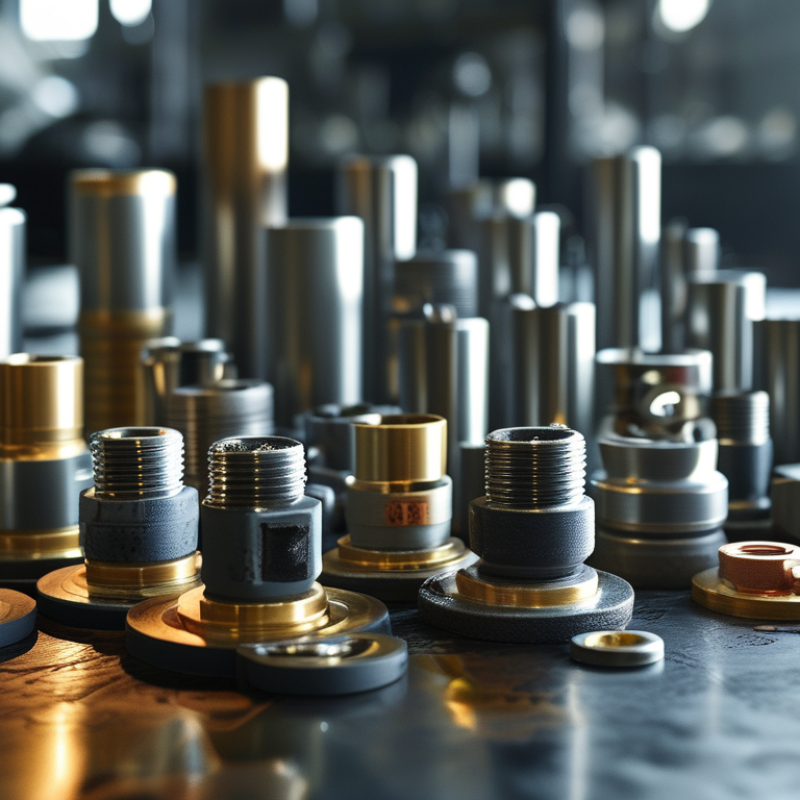
Gasket materials play a critical role in mechanical systems. They seal joints to prevent leaks. A good gasket can withstand heat and pressure. It maintains efficiency over time. A poor choice can lead to failures. This often results in costly downtime and repairs. Understanding the properties of various materials is essential.
Different applications require specific gasket characteristics. For instance, temperature resistance is crucial in engines. Chemical resistance is vital in processing plants. Each environment presents unique challenges. Engineers must carefully select materials based on these factors. While many gaskets may perform adequately, few excel under extreme conditions. Continuous evaluation and testing are necessary.
Moreover, the installation process can affect gasket performance. A perfect fit is not always achievable. Misalignment can lead to failure despite the right material choice. Regular maintenance checks can mitigate risks. However, the human factor often introduces variables. Ongoing training for staff can improve outcomes. Enhancing gasket performance is an ongoing journey. Operators should consistently seek ways to learn and adapt.
| Material Type | Temperature Resistance (°C) | Pressure Rating (MPa) | Chemical Compatibility | Typical Applications |
|---|---|---|---|---|
| Nitrile Rubber | -40 to 120 | 20 | Oil, fuel | Automotive, machinery |
| PTFE | -200 to 260 | 10 | Most chemicals | Chemical processing |
| Silicone | -60 to 200 | 15 | Water, air | HVAC, food processing |
| Graphite | -200 to 400 | 30 | Acids, alkaline | Gasket seals, valves |
| Metallic | Up to 1000 | 50+ | Limited | High temperature applications |
: Gasket materials seal joints to prevent leaks. They are critical for maintaining efficiency and performance.
A poor material choice can lead to failures and costly downtime. Understanding material properties is key.
Different applications require specific resistances. Engines need heat resistance, while processing plants need chemical resistance.
Yes, misalignment during installation can lead to failure. A perfect fit is often challenging to achieve.
Composite materials like expanded graphite and PTFE composites offer better resistance to temperatures and chemicals.
Advanced materials can improve sealing capacity by up to 30%, enhancing energy efficiency in critical systems.
Maintenance checks identify signs of wear and mitigate risks. Routine evaluations are necessary for reliable performance.
Engineers assess compressibility, thermal stability, and fluid compatibility to ensure longevity and reliability.
Ongoing training can improve outcomes and help staff adapt to changing materials and technologies.
Teams should reflect on past failures and approach evaluations humbly, knowing trusted solutions may not always work.
Improving the performance of gasket materials is crucial for enhancing the efficiency of mechanical systems. Understanding the importance of these materials and identifying key factors that affect their performance, such as temperature resistance, compressibility, and chemical compatibility, is essential. Innovative materials and advanced technologies are being explored to enhance gasket efficiency, allowing for better sealing and longevity. Additionally, rigorous testing and evaluation of gasket materials can lead to optimal performance in various applications.
To further boost efficiency, it is vital to follow best practices for gasket installation and maintenance. Ensuring proper alignment, using appropriate torque settings, and conducting regular inspections can significantly improve the lifecycle and functionality of gaskets. In conclusion, knowing how to improve performance of gasket materials not only supports mechanical integrity but also optimizes overall system efficiency.

 Royflexa Rubber