How to Improve Vibration Control in Machinery Systems?

Time:2026-04-29 Author:Isabella
0%

In the field of machinery systems, effective vibration control is crucial. Experts recognize the adverse effects of excessive vibrations. To address this, Dr. James Carpenter, a leading authority in vibration analysis, states, “Innovative strategies can transform machinery performance and longevity.” His words resonate as engineers search for reliable methods to enhance vibration control.

Understanding how to improve vibration control in machinery systems involves integrating advanced technologies. Techniques such as damping, isolation, and tuning can significantly reduce vibrations. These solutions require careful consideration and ongoing assessment. It's essential to remember that each machinery system is unique. Solutions that succeed in one context may falter in another.

Regular assessments and modifications are necessary to adapt to wear and tear. When implementing these strategies, reflection and adjustment become vital components. Achieving optimal vibration control is not a one-time fix; it's an ongoing journey. This reality emphasizes the need for continuous learning and responsive design in machinery systems.
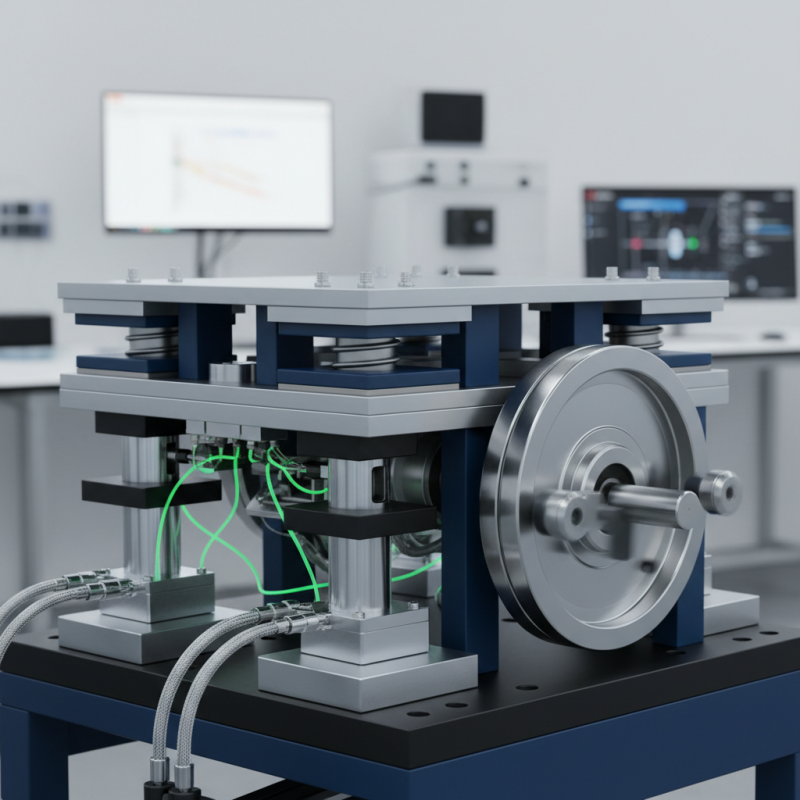
How to Improve Vibration Control in Machinery Systems?

Understanding the Basics of Vibration Control in Machinery Systems

Vibration control is essential for machinery systems. Understanding the basics can significantly enhance performance and longevity. Vibration occurs due to imbalances, misalignment, or wear. Identifying root causes is the key to effective control.

Tips: Regular maintenance is critical. Inspect components for wear and tear frequently. This can reduce unexpected failures. Additionally, consider using dampers or mounts. They can absorb vibrations effectively. Balancing rotating parts is another useful practice.

Every machine will face unique challenges. Factors like load and environment affect vibration levels. Reflect on your system's specific needs. Experimentation may be necessary. Not every solution will work for every machine. Being open to adjustments can yield the best outcomes. Understanding these principles lays the groundwork for stronger machinery performance.

Common Sources of Vibration in Industrial Machinery

Vibration in industrial machinery often stems from various sources. Motors, fans, and pumps are common culprits. These components frequently operate out of balance, causing excessive vibration. A report from the International Society of Automation highlights that up to 50% of machinery failures are linked to vibration.

Misalignment is another significant factor. Shaft misalignments can generate high-frequency vibration. This not only affects the machinery's lifespan but also contributes to safety hazards. According to a study by the World Health Organization, prolonged exposure to machinery-induced vibrations can lead to serious health issues for operators.

Additionally, environmental factors play a role. Uneven foundations or poor mounting can exacerbate vibration problems. Rigorous maintenance schedules can mitigate these issues, yet many industries struggle with implementation. A report from the Maintenance Institute indicates that only 30% of organizations have a robust vibration monitoring program in place, highlighting a need for improvement. Addressing these problems requires not just technology but a cultural shift within organizations.

Techniques for Measuring and Analyzing Vibration Levels

Vibration measurement is crucial in machinery systems. Accurate analysis helps identify potential issues before they escalate. Common methods include accelerometers, velocity sensors, and displacement transducers. Each technique has its strengths and weaknesses. For example, accelerometers are sensitive and provide detailed data. However, they may not be suitable for all applications.

Data analysis plays a vital role in vibration control. Advanced software can interpret signals and detect anomalies. Fourier transforms can break down complex waveforms into simpler components. Understanding frequency response is essential in diagnosing machinery health. Still, the challenge lies in distinguishing normal vibrations from harmful ones.

Regular monitoring is often neglected. Many facilities only check vibrations during maintenance. This sporadic approach can lead to missed opportunities for improvement. Continuous monitoring systems offer real-time data but can be expensive. Weighing the cost versus benefit is crucial. Learning to adapt and refine measurement techniques is essential. Embracing both new technology and traditional methods can enhance overall effectiveness.

Effective Methods for Reducing Vibration in Machinery Design

Vibration control in machinery design is critical for enhancing performance and longevity. Engineers often face the challenge of balancing efficiency and stability. One effective method is to use damping materials. These materials absorb vibrations, reducing their transmission. Common choices include rubber and viscoelastic polymers. Proper selection of these materials can lead to significant improvements in overall system performance.

Another approach involves the use of isolation mounts. These mounts separate machinery from its foundation. They minimize the impact of external vibrations. When designed correctly, they can reduce noise as well. Fine-tuning the stiffness of these mounts is essential. Too soft, and machinery may not perform well. Too rigid, and vibrations transfer easily.

Regular maintenance is also vital. Over time, machinery components can wear down and lose their effectiveness. Scheduled inspections can identify issues before they escalate. Engineers should also consider design modifications. Sometimes, changing the arrangement of components can mitigate vibration. A holistic approach is necessary for successful vibration control. Each solution requires careful evaluation. Nothing is perfect, and ongoing adjustments may be needed.

Implementing Maintenance Strategies for Vibration Control

Vibration control in machinery systems is crucial for optimal performance. Implementing effective maintenance strategies plays a significant role in achieving this goal. Regular inspections should be conducted to identify potential sources of vibration. These checks can reveal wear, imbalance, or misalignment in machinery components. Such insights help in taking preventive actions timely.

Routine maintenance is essential, but it requires skilled technicians who understand the nuances of vibration analysis. Training staff to recognize early signs of vibration issues is valuable. Sometimes, a simple adjustment can prevent larger failures down the road. However, some teams may struggle to prioritize these inspections amid other operational demands. Balancing ongoing production with maintenance needs can be challenging.

Real-life cases have shown the importance of proactive measures. Machinery experiences varying issues, highlighting the need for a flexible approach. Not all vibrations are harmful; some are to be expected. Understanding these variances requires expertise. Continuous learning and adaptation are crucial. Emphasizing a culture of vigilance will enhance machinery reliability and performance over time.

FAQS

: What are common sources of vibration in machinery?

: Motors, fans, and pumps often cause significant vibrations due to imbalances.

How does misalignment affect machinery?

Misalignment generates high-frequency vibrations, reducing machinery lifespan and increasing safety risks.

What environmental factors contribute to vibration issues?

Uneven foundations and poor mounting can worsen vibration problems in machines.

How often should vibration inspections be conducted?

Regular inspections are essential to identify potential vibration sources early.

What skills should technicians have for maintenance?

Skilled technicians need to understand vibration analysis and recognize early signs of issues.

Why might organizations struggle with vibration monitoring?

Balancing production demands with maintenance priorities can be difficult for many teams.

Are all vibrations harmful to machinery?

Not all vibrations are harmful; some can be expected during normal operation.

What is a key factor for successful vibration control?

A cultural shift towards vigilance and proactive maintenance enhances machinery reliability.

How can teams prevent larger vibration issues?

Simple adjustments during routine maintenance can prevent significant failures later on.

What is needed to improve vibration management?

More organizations need robust monitoring programs and ongoing training for staff.

Conclusion

Improving vibration control in machinery systems is essential for enhancing operational efficiency and extending equipment lifespan. The first step involves understanding the basics of vibration control, which includes identifying common sources of vibration such as imbalances, misalignments, and external forces. Techniques for measuring and analyzing vibration levels are crucial, as they provide insights into the severity and frequency of vibrations, enabling targeted interventions.

To effectively reduce vibration, one can employ various design methods, such as optimizing structural components and utilizing damping materials. Additionally, implementing strategic maintenance practices is vital for sustained vibration control; this includes regular inspections, timely repairs, and proactive adjustments to machinery setups. By combining these approaches, manufacturers can significantly enhance how to improve vibration control in machinery systems, leading to smoother operations and reduced wear on equipment.

Isabella

Isabella

Isabella is a dedicated marketing professional with a sharp focus on driving brand growth and engagement through strategic content creation. With an extensive background in digital marketing, she combines her passion for storytelling with her keen understanding of industry trends to deliver......