In the pursuit of excellence in machinery systems, vibration control remains a critical focus. Experts in the field, like Dr. Jane Thompson, have emphasized the significance of precision in this area. She once stated, "Enhancing vibration control is not just an option; it's a necessity for operational efficiency."
As we move into 2026, the quest for answers on how to improve vibration control in machinery systems intensifies. New technologies are emerging, yet many challenges persist. The integration of advanced sensors and predictive algorithms shows promise. However, reliance on outdated methods can stifle progress. Implementation requires investment and commitment from stakeholders at all levels.
Reflecting on past experiences, it's clear that there is no one-size-fits-all solution. Every machinery system has unique characteristics, requiring tailored approaches. This journey calls for collaboration among engineers, researchers, and manufacturers. How to improve vibration control in machinery systems is more than just a technical challenge; it’s a complex interplay of creativity, expertise, and innovation. Striving for improvement demands continuous learning and adaptation.
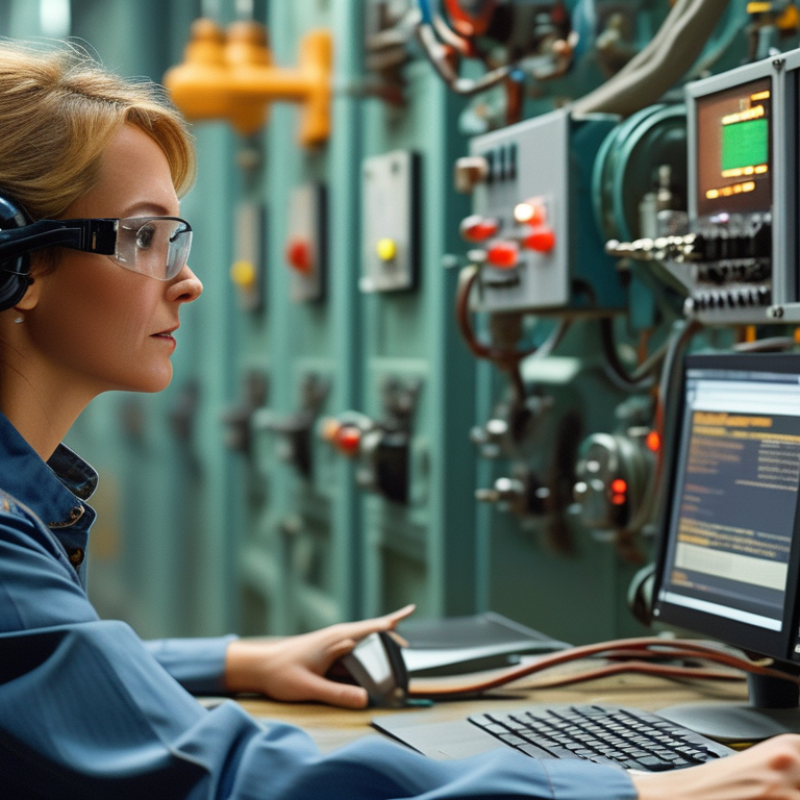
Vibration control in machinery is evolving rapidly in 2026. Current technologies leverage advanced materials and innovative sensing techniques for better performance. These advancements help mitigate vibrations that can lead to equipment failure and increased maintenance costs. Machines today are equipped with real-time monitoring systems. These systems provide valuable feedback on vibration levels.
One notable trend is the integration of adaptive control algorithms. These algorithms adjust the machinery's response based on changing vibration patterns. This dynamic adjustment can significantly enhance effectiveness. However, implementing these systems poses challenges. Understanding the data and optimizing the control settings can be complex.
Another focus is on passive vibration control methods. These include using specialized mounts and dampers to absorb vibrations. Although effective, passive methods may not always adapt to varying operational conditions. There’s also a growing interest in renewable materials to improve sustainability. Yet, the long-term performance of these materials needs further evaluation. Balancing innovation with reliability is essential for advancements in vibration control technologies.
Measuring vibration in industrial machinery systems is crucial for operational efficiency. Effective vibration control allows industries to maintain productivity while ensuring safety. Several key metrics can provide insights into machine performance. These metrics include amplitude, frequency, and acceleration. Each metric plays a different role in monitoring vibrations and potential machinery failure.
Amplitude measures the extent of vibration displacement. It helps identify problems before they escalate. High amplitude indicates severe issues that need immediate attention. Frequency, on the other hand, offers insight into the vibrations’ source. Each machine has a specific frequency range where it operates optimally. Recognizing deviations from this range can signal potential malfunctions. Acceleration measures how quickly the vibration changes. This metric is vital for analyzing dynamic conditions.
Monitoring these metrics requires specialized tools. Vibration analyzers and sensors can accurately collect data. However, relying solely on data may lead to oversights. Analyzing the context and environment of the machinery is equally important. Operators must reflect on past vibrations and their impact on performance. Continuous improvement is vital to enhancing vibration control strategies and ensuring machinery longevity.
This chart displays the vibration levels measured in machinery systems across various industrial sectors in 2026. The data highlights key metrics essential for evaluating and improving vibration control.
The integration of IoT and AI promises significant advancements in vibration control within machinery systems. According to a recent industry report by MarketsandMarkets, the vibration monitoring market is projected to reach $2.46 billion by 2026. This growth is fueled by the demand for smart manufacturing solutions that leverage real-time data. IoT devices can collect a wealth of data on machinery performance, identifying vibrations at an early stage. Such early detection can prevent costly downtimes and extend equipment lifespan.
AI enhances this data analysis. Algorithms can identify patterns in vibration data, distinguishing between normal operational vibrations and those indicating potential failures. Research from the International Journal of Machine Tools and Manufacture suggests that AI can reduce false positive rates in anomaly detection by up to 30%. This is crucial since relying solely on sensors may lead to incorrect maintenance actions. Nonetheless, the challenge remains in ensuring data accuracy and security—mismanagement can lead to operational risks.
Despite these advancements, challenges in implementing IoT and AI persist. The integration may complicate existing systems, risking compatibility issues. Moreover, as equipment becomes increasingly interconnected, the potential for cyber-attacks grows. Continuous training of personnel is essential to adapt to these evolving technologies. Striking a balance between innovation and reliability is key to effective vibration control.
In recent years, machinery systems face increasing pressure to improve vibration control. Insights from industry leaders emphasize the importance of benchmarking vibration control standards. By analyzing successful methodologies, companies can enhance their systems effectively. Leaders recommend adopting adaptive techniques and real-time monitoring.
Not all companies have precise data on their current vibration levels. Some still rely on outdated metrics that may not reflect real-world conditions. A more dynamic approach could provide better insights. Understanding the root causes of vibrations is vital. Industry experts suggest using advanced sensors for comprehensive data collection. This can lead to a more proactive stance on maintenance.
There's significant variability in how companies approach vibration control. Sharing best practices can help refine existing systems. Regular assessments and adaptations are crucial. Many organizations recognize they must improve but lack the roadmap. Emphasizing continuous learning can bridge this gap. Overall, collaboration within the industry may drive innovative solutions.
The future of vibration control in machinery systems will heavily rely on advancements in dampening and isolation materials. In 2026, we can expect to see innovative materials that surpass current capabilities. Researchers are exploring composites that combine lightweight properties with high-dampening characteristics. These new materials could significantly reduce resonance in machinery, improving overall productivity.
One area ripe for exploration is bio-inspired designs. Nature offers a wealth of efficient mechanisms for dampening vibrations, like the structure of certain tree trunks. Implementing these concepts into engineering materials may lead to breakthroughs in vibration control. Additionally, smart materials that adapt to changing frequencies hold great promise. They can react dynamically, providing customized isolation based on real-time data.
However, it’s essential to proceed with caution. New materials often bring unforeseen challenges. Questions around long-term durability and environmental impact need thorough investigation. The transition to these innovative solutions may not be smooth, as existing systems must adapt. A careful balance between innovation and proven methods will be crucial for successful implementation. Keeping an eye on these developments while evaluating their feasibility will be vital in shaping the future of vibration control.
: Trends include advanced materials and innovative sensing techniques for improved performance.
Adaptive algorithms adjust machinery responses based on changing vibration patterns for greater effectiveness.
Understanding data and optimizing control settings can be complex and require careful consideration.
Passive methods involve specialized mounts and dampers that absorb vibrations but may lack adaptability.
Accurate measurement supports operational efficiency and helps maintain safety in the workplace.
Key metrics include amplitude, frequency, and acceleration, each providing insights into machine performance.
High amplitude indicates severe vibration issues that require immediate attention to prevent failure.
Context helps avoid oversights and leads to better understanding of past vibrations' impact on performance.
There's growing interest in renewable materials, though their long-term performance needs further evaluation.
Reflecting on past vibrations and their effects helps enhance strategies and extend machinery longevity.
In 2026, improving vibration control in machinery systems has become a pivotal focus within industrial engineering. Current trends showcase advanced vibration control technologies that leverage the latest developments in materials and design. Key metrics for measuring vibration are essential for assessing machinery performance, offering benchmarks that industry leaders rely on to enhance operational efficiency. The integration of IoT and AI is revolutionizing how vibration control measures are implemented, enabling real-time monitoring and predictive analytics to proactively address issues.
Looking towards the future, innovations in dampening and isolation materials promise to further refine vibration control strategies. These advancements aim to provide businesses with effective solutions for reducing noise and wear, thus prolonging machinery lifespan and improving productivity. Ultimately, understanding how to improve vibration control in machinery systems is crucial for maintaining competitiveness in an evolving industrial landscape, where precision and efficiency are paramount.
Royflexa Rubber