The Importance of Vibration Damping in Machinery Explained

Time:2026-05-25 Author:Madeline
0%

Vibration damping is crucial in machinery for several reasons. It mitigates wear and tear, enhancing equipment longevity. According to a report by the National Institute of Standards and Technology, improper vibration control can reduce machinery lifespan by up to 70%. This highlights what is the importance of vibration damping in machinery.

When machines vibrate, they can cause damage to components and hinder performance. A study by the International Journal of Mechanical Engineering found that 85% of machinery failures are linked to vibration issues. This data underscores the need for effective damping solutions in industries like manufacturing and automotive.

Furthermore, proper vibration damping reduces noise and increases safety in workplaces. However, many companies still overlook this essential maintenance aspect. Reflecting on practices can lead to significant improvements. By prioritizing vibration damping, organizations can save costs and improve reliability. Ultimately, understanding the importance of vibration damping is vital for maintaining operational efficiency and safety in machinery.
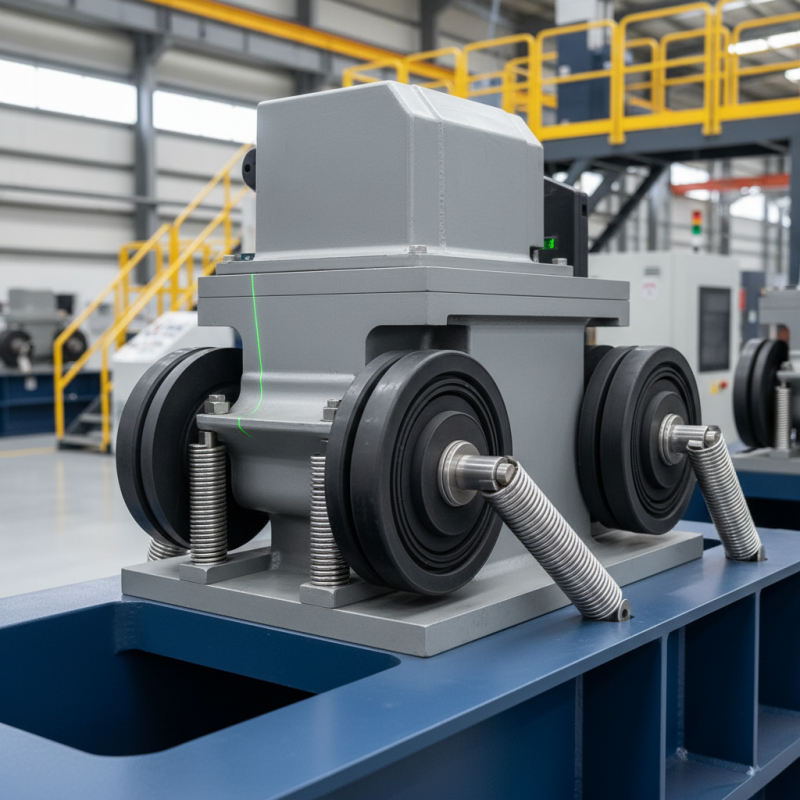
The Importance of Vibration Damping in Machinery Explained

The Role of Vibration Damping in Enhancing Machinery Performance

Vibration damping plays a crucial role in enhancing machinery performance. When machines vibrate, they can negatively impact overall operation. Excessive vibration leads to wear and tear, reducing the lifespan of components. It may also cause misalignments, which can compromise efficiency. Understanding how to manage these vibrations is essential for better machinery performance.


Implementing effective vibration damping techniques can significantly minimize these issues. Damping materials, such as rubber or special foams, absorb excessive energy. Proper installation of these materials ensures better stability. Regular maintenance checks can help identify areas where damping is needed. Vibrations can be reduced with solutions tailored to specific machinery types.


Tips:

  • Regularly monitor your machinery for unusual vibrations. This can prevent costly breakdowns.
  • Always choose damping materials suited to your machinery’s specific needs.
  • Investing time in proper setup will enhance performance.
  • Don’t overlook the importance of professional guidance in vibration damping. It can provide reliable insights to improve efficiency.

Types of Vibration Damping Materials Used in Industrial Applications

Vibration damping is crucial in machinery. Various materials serve this purpose in industrial settings. Common options include rubber, foam, and viscoelastic materials. Each has unique properties that address specific vibration challenges.

Rubber is popular due to its elasticity. It absorbs shocks well and reduces noise. Foam, on the other hand, is lightweight and flexible. It is especially useful in environments where space is limited. Viscoelastic materials combine the properties of both solid and liquid. They provide excellent damping across a range of frequencies.

Tips: Consider your environment when choosing materials. Factors like temperature and humidity affect performance. Performance may vary, leading to unexpected results. Always test materials in your specific setup.

Using inappropriate materials might lead to insufficient damping. Regularly check and maintain damping systems. They can degrade over time, impacting machinery efficiency. Doing so ensures a longer lifespan for your machines.

The Importance of Vibration Damping in Machinery Explained - Types of Vibration Damping Materials Used in Industrial Applications

Type of Damping Material Application Area Advantages Typical Usage
Rubber Automotive and manufacturing Excellent shock absorption, flexibility Mounting pads, vibration isolators
Foam Electronics and appliances Lightweight, cost-effective Cushioning for delicate parts
Gel Medical equipment Excellent damping properties, comfort Surgical instruments, diagnostic devices
Composite Materials Aerospace and automotive industries High strength, lightweight Structural components
Viscoelastic Materials Construction and industrial machinery High energy absorption, durability Damping layers, machine feet

Quantifying the Impact of Vibration on Machinery Efficiency and Longevity

Vibration damping plays a crucial role in maximizing machinery efficiency and extending its lifespan. When machines operate, they generate vibrations that can lead to wear and tear. For instance, a simple motor can face alignment issues due to excessive vibration. These misalignments often escalate maintenance costs and reduce operational effectiveness.

Additionally, quantifying the impact of vibration is essential. Studies show that controlling vibrations can enhance performance by up to 30%. This improvement can significantly decrease energy consumption and operational downtime. Yet, many industries overlook this aspect. They may not realize that minor vibrations can cause major problems over time.

Mechanisms like isolators and absorbers can help reduce these vibrations. Incorporating these tools may seem complex at first. However, the long-term benefits justify the initial efforts. Understanding vibration dynamics can help in making informed decisions. Regular monitoring and assessment can identify potential issues early. Ignoring vibration control can lead to unexpected failures, costing both time and resources.

The Importance of Vibration Damping in Machinery

This bar chart quantifies the impact of vibration on machinery efficiency and longevity. It illustrates the relationship between vibration levels (in mm/s) and machinery lifespan (in years) across different types of machinery.

Case Studies: Successful Implementation of Vibration Damping Solutions

Vibration damping is crucial in machinery to enhance performance and extend equipment life. Case studies show its efficacy across various industries. In manufacturing, a case in point is a car assembly line. By integrating vibration damping solutions, machine downtime decreased by over 30%. This led to an increase in productivity and a reduction in maintenance costs.


Another instance is in the aerospace sector. A leading company reported a 50% reduction in vibrations in their aircraft engines after implementing advanced damping materials. This not only improved passenger comfort but also significantly lowered noise levels. By using state-of-the-art technology, these firms effectively mitigated the resonance effects that previously plagued their operations.


It is essential to acknowledge the challenges in adopting vibration damping solutions. Some companies initially underestimated the initial setup costs. Additionally, training staff to maintain these technologies posed difficulties. Despite these hurdles, the long-term benefits of reduced wear and tear on machinery remain significant. Companies continue to learn through their experiences, refining their approaches. These examples illustrate the importance of a tailored strategy for effective vibration control, avoiding a one-size-fits-all mindset.

Best Practices for Integrating Vibration Damping in Machinery Design

Integrating vibration damping into machinery design is crucial for improving performance and longevity. According to a study by the Machinery Reliability Institute, approximately 80% of mechanical failures result from vibrations. These issues lead to unscheduled downtime, increasing maintenance costs significantly. Failing to address vibration can reduce equipment life by up to 50%. Therefore, proper damping solutions are necessary.

One best practice is to analyze the specific vibration frequencies of machinery components. Using simulation tools, engineers can identify the critical frequencies where damping is essential. A report from the International Society of Vibration Engineers suggests targeting these frequencies can reduce overall vibration by 30%. This practice significantly enhances the equipment's reliability and efficiency.

Additionally, selecting materials with inherent damping properties can improve machinery performance. Incorporating viscoelastic materials in design helps absorb vibrational energy. However, over-reliance on complex solutions can lead to unforeseen issues. It's important to strike a balance between damping effectiveness and manufacturing feasibility. The challenge lies in optimizing designs without compromising other critical performance metrics. This requires constant reflection and adjustment during the design process.

FAQS

: What is vibration damping?

: Vibration damping reduces vibrations in machinery. It enhances performance and prolongs equipment life.

What materials are commonly used for vibration damping?

Common materials include rubber, foam, and viscoelastic compounds. Each has unique properties for specific challenges.

Why is rubber a popular choice for vibration damping?

Rubber absorbs shocks and reduces noise well. Its elasticity makes it effective in various applications.

How does foam function as a damping material?

Foam is lightweight and flexible. It is particularly useful in tight spaces where traditional materials might not fit.

What are viscoelastic materials?

Viscoelastic materials combine solid and liquid properties. They provide excellent damping across varying frequencies.

Why is it important to test damping materials?

Performance can vary based on environment. Testing ensures they meet the specific needs of your setup.

What challenges might companies face when implementing damping solutions?

Initial setup costs can be high. Training staff for maintenance can also present difficulties.

How can vibration damping impact machinery lifespan?

Proper damping can prevent up to 50% of equipment wear. This can promote longer machine life and lower repair costs.

What is a best practice for machinery design regarding vibration?

Analyze specific vibration frequencies. Targeting these can reduce overall vibrations and improve reliability significantly.

Why should one avoid over-reliance on complex solutions in damping?

It can lead to unforeseen issues. Balancing effectiveness and feasibility is crucial for optimized designs.

Conclusion

Vibration damping plays a critical role in enhancing the performance of machinery by minimizing noise and wear, thereby increasing efficiency and longevity. Understanding what is the importance of vibration damping in machinery involves recognizing how various damping materials can significantly reduce the adverse effects of vibrations that often lead to mechanical failures. By employing effective damping solutions, industries can optimize machinery operation, resulting in lower maintenance costs and extended equipment lifespan.

Furthermore, quantifying the impact of vibration on machinery efficiency highlights the necessity of integrating vibration damping in the design phase. Case studies demonstrate the successful implementation of these solutions, illustrating their effectiveness in real-world applications. Adopting best practices for vibration damping not only improves machinery reliability but also contributes to superior overall performance, proving that proper damping strategies are essential for successful industrial operations.

Madeline

Madeline

Madeline is a dedicated marketing professional with a wealth of expertise in our company's core offerings. With a keen understanding of the industry, she brings a unique perspective to her role, consistently delivering high-quality content that highlights the superior aspects of our products. As......