What Makes Materials Ideal for High Temperature Applications?

Time:2026-05-28 Author:Oliver
0%

In high-temperature applications, selecting the right materials is crucial. Experts emphasize that understanding what makes a material suitable for high temperature environments can prevent failures. Dr. Emily Carter, a renowned materials scientist, states, “High performance at elevated temperatures requires careful consideration of material properties.”

The key properties include thermal stability, oxidation resistance, and mechanical strength. Materials like ceramics and specialized alloys excel in these areas. Their ability to withstand extreme conditions makes them vital for industries such as aerospace and energy. However, not all high-temperature materials are perfect. Some may exhibit brittleness, and their performance can degrade over time.

Innovative solutions are essential. Researchers continuously explore new composites and coatings to improve material resilience. As we push the limits of technology, we must remain cautious. Balancing performance and safety is critical. The quest for ideal materials continues, reflecting our commitment to advancing engineering while acknowledging past lessons.
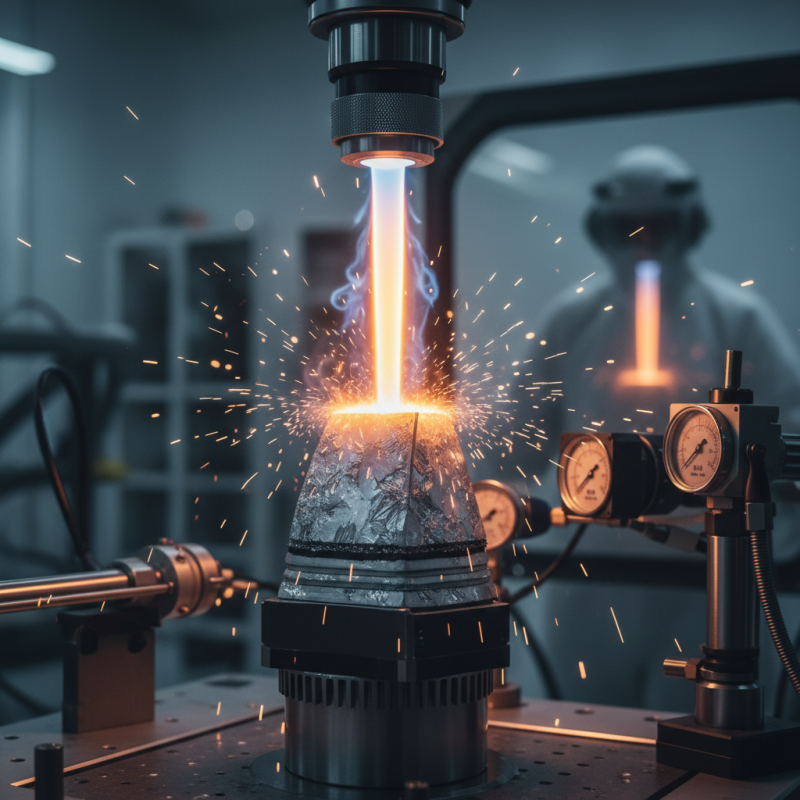
What Makes Materials Ideal for High Temperature Applications?

Overview of High Temperature Applications in Various Industries

High temperature applications are vital across various industries, from aerospace to manufacturing. In aerospace, materials must withstand extreme heat during takeoff and re-entry. Aircraft engines generate immense temperatures, which demand components that do not warp or degrade. Furthermore, reliability is essential; failure could lead to catastrophic results.

In the energy sector, materials face harsh conditions. Power plants often operate at high temperatures. Turbines and reactors need robust materials to maintain efficiency. Yet, finding suitable materials can be challenging. They must endure thermal stress and resist corrosion, which complicates the selection process. Misjudgments can lead to costly repairs or unsafe conditions.

The automotive industry is also evolving. Electric vehicle batteries generate significant heat. As performance improves, manufacturers require materials that can manage heat effectively. The trend toward lighter and stronger materials presents new challenges. Engineers must continually adapt, seeking out innovative solutions. These complexities highlight the need for ongoing research and material testing to ensure safety and longevity.

Key Properties Required for High Temperature Materials

High temperature applications demand materials that exhibit exceptional properties. One critical characteristic is thermal stability. Materials must maintain their mechanical properties even at elevated temperatures. This ensures their reliability and longevity. For example, metals can lose strength, while ceramics may crack or deform. Therefore, a thorough understanding of thermal behavior is essential.

Another key property is oxidation resistance. High temperatures often lead to oxidation, especially in metals. This can weaken materials and jeopardize safety. Developing coatings or using alloys with superior oxidation resistance can enhance material performance. However, determining the right balance between cost and effectiveness remains challenging.

The ability to withstand thermal shock is also vital. Rapid temperature changes can induce stress and fractures in materials. Testing materials under extreme conditions helps identify their limits. However, these tests can be costly and time-consuming. Evaluating these properties accurately requires a combination of experimental data and experience in material science. As industries evolve, innovative materials must be explored to meet these demanding requirements.

Examples of Suitable Materials for High Temperature Use

High temperature applications demand materials that can withstand extreme conditions. Several materials are renowned for their high-temperature performance. Ceramic materials, such as zirconia or alumina, are excellent choices. They can endure significant heat without deformation. These properties make them ideal for furnace linings and aerospace components.

Metals like titanium and certain alloys also excel in high-temperature settings. Their strength remains intact even when exposed to extreme heat. For instance, titanium can handle temperatures exceeding 600°C. However, it may become brittle under specific conditions. It's vital to consider these factors when selecting materials.

Graphite is another contender. It performs well under high temperatures and offers good thermal conductivity. Yet, its mechanical strength can be a concern in some applications. The choice of material often depends on specific application requirements. Each material has benefits and limitations, highlighting the complexity of material selection.

Challenges in Developing High Temperature Resistant Materials

Developing high-temperature resistant materials presents significant challenges. These materials must endure extreme heat while maintaining structural integrity. Traditional metals can weaken at elevated temperatures. Ceramics often excel in heat resistance but can be brittle and difficult to process.

Manufacturers face difficulty in finding the right balance. For instance, increasing temperature resistance may compromise ductility. Each potential solution needs rigorous testing. This process can be time-consuming and costly. The need for innovation drives researchers to explore new compounds and composites. Their work could lead to breakthroughs in materials science.

Another challenge is scalability. A novel material may perform well in lab conditions. Yet, it might not be practical for mass production. Engineers must consider factors like cost and manufacturability. Also, long-term durability under repeated thermal cycles remains uncertain. Investigating these aspects is crucial as industries demand materials that can withstand harsh environments.

Material Properties for High Temperature Applications

Future Trends in High Temperature Material Innovations

Advancements in high temperature materials are crucial for various industries. Researchers are continually exploring innovative solutions. This pursuit includes ceramics, metal alloys, and composites. These materials must withstand extreme conditions while maintaining structural integrity.

In the realm of high temperature applications, future trends focus on improving durability and performance. One emerging trend involves the development of nanostructured materials, which exhibit enhanced thermal resistance. Another is the use of advanced coatings that provide added protection against oxidation and corrosion. Combining materials may lead to new composites that outperform traditional options.

Tips: Always consider the specific requirements of your application. Not every innovation will suit every scenario. Conduct thorough testing to ensure reliability. As the field evolves, staying informed about new developments can guide better material choices. Remember, experimenting with new options carries risks. It’s essential to assess the long-term impacts on your projects as technologies advance.

FAQS

: Why are high temperature applications important in various industries?

: High temperature applications are crucial for safety, especially in aerospace and energy sectors, where materials must withstand extreme heat.

What challenges do materials face in the energy sector?

Materials in power plants face thermal stress and corrosion. Selecting the right materials can be complicated and risky.

How do electric vehicles affect material requirements?

Electric vehicles generate significant heat, requiring advanced materials that can manage temperature while being lightweight and strong.

What are some examples of materials used in high temperature applications?

Common materials include ceramics like zirconia, metals like titanium, and graphite due to their heat resistance and strength.

What is a limitation of using titanium in high temperature applications?

Titanium can become brittle under certain conditions, so it's crucial to evaluate its suitability for specific applications.

How are researchers innovating in high temperature materials?

Researchers are developing nanostructured materials and advanced coatings to improve durability and combat oxidation and corrosion.

Why is testing critical for materials in high temperature applications?

Thorough testing ensures reliability and performance, as not all innovations suit every application, and risks of failure can be high.

What should companies consider when selecting materials?

Companies must assess application requirements, as each material has unique benefits and limitations, impacting project outcomes.

What role do composites play in high temperature applications?

Combining materials into composites can enhance performance beyond traditional options, but careful evaluation is needed for specific uses.

How can companies stay informed about material advancements?

Staying updated on research and technological developments helps guide better material choices and assess risks in evolving applications.

Conclusion

High temperature applications are critical across various industries, from aerospace to energy production, necessitating materials that can withstand extreme conditions. Understanding what makes a material suitable for high temperature environments involves evaluating key properties such as thermal stability, mechanical strength, and resistance to oxidation and corrosion. Suitable materials, including certain alloys, ceramics, and composites, play a pivotal role in enhancing performance and safety in these demanding applications.

However, the development of high temperature resistant materials presents significant challenges, including the need for innovative processing techniques and a deeper understanding of material behavior under extreme conditions. Future trends in material innovations are likely to focus on advanced composites and novel alloys that provide enhanced thermal performance and longer lifespans. As industries continue to push the boundaries of temperature extremes, ongoing research will be essential in identifying and creating materials that meet these rigorous demands.

Oliver

Oliver

Oliver is a seasoned marketing professional with a wealth of expertise in driving brand awareness and engagement. With a deep understanding of our company's product offerings, he consistently delivers high-quality content that enriches our professional blog. His insights not only shed light on......