The industrial materials sector is profoundly influenced by global demand dynamics. Increasing needs from various industries drive production innovations and manufacturing practices. According to a report by MarketsandMarkets, the global industrial materials market is projected to reach $2.7 trillion by 2025, highlighting the urgency for manufacturers to adapt.
Understanding how global demand affects industrial material manufacturing is essential for strategic planning. For instance, the rise in electric vehicle adoption has surged demand for lithium-ion batteries, impacting material sourcing and processing techniques. Additionally, the disruption of supply chains due to geopolitical tensions raises questions about sustainability and resilience within the industry.
Companies must continuously reassess their approaches to meet changing demands. This requires a blend of cost efficiency and environmental responsibility. As the market evolves, manufacturers must be agile, embracing new technologies and practices. This agility will determine their success in a competitive landscape. The interplay between global demand and manufacturing processes presents both challenges and opportunities, inviting ongoing reflection and adaptation.
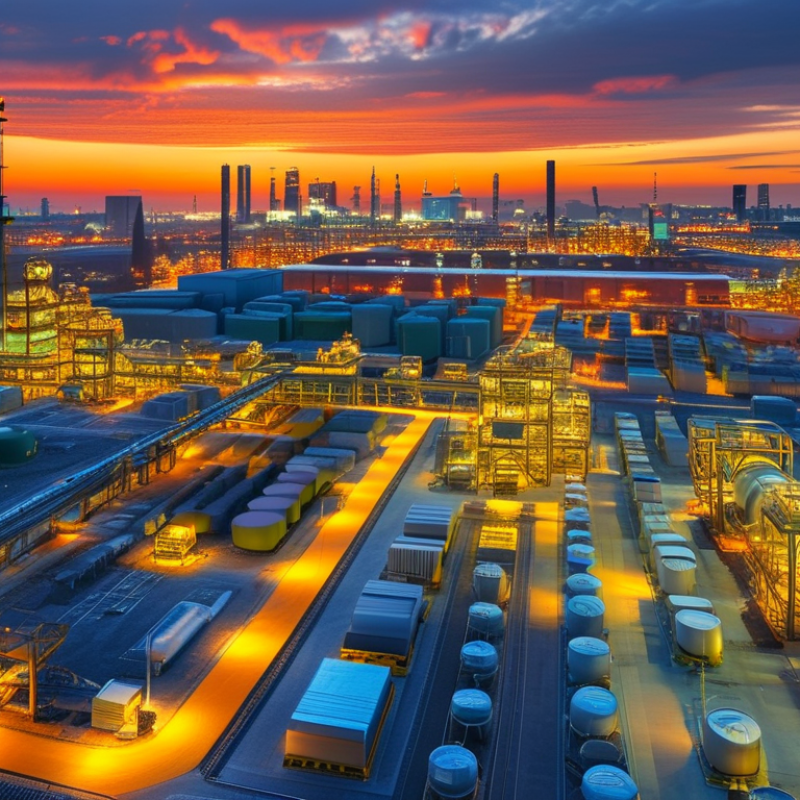
Global demand for industrial materials is influenced by various factors. Economic growth in developing nations leads to higher consumption rates. Infrastructure projects require significant amounts of steel, aluminum, and more. In addition, technological advancements create new material needs. The rise of electric vehicles spurs demand for lithium and cobalt. Companies must adapt to these changes quickly.
Trade policies also impact material supply chains. Tariffs can increase costs and alter sourcing decisions. Manufacturers face challenges in maintaining profitability amid these fluctuations. Sustainability is becoming a central theme. Environmental regulations push industries toward eco-friendly alternatives. This trend may slow down production in some sectors. However, it opens doors for innovation.
It’s essential to remain adaptable. Market demands can shift unexpectedly. Staying informed about global trends is crucial. Manufacturers should invest in research and development. Fostering relationships with suppliers can help mitigate risks. The future of industrial material manufacturing relies on this dynamic understanding.
| Material Type | 2019 Global Demand (Million Tonnes) | 2020 Global Demand (Million Tonnes) | 2021 Global Demand (Million Tonnes) | 2022 Global Demand (Million Tonnes) | 2023 Estimated Demand (Million Tonnes) |
|---|---|---|---|---|---|
| Steel | 1800 | 1700 | 1800 | 1900 | 2000 |
| Aluminum | 60 | 58 | 62 | 65 | 68 |
| Copper | 24 | 23 | 25 | 27 | 30 |
| Nickel | 2.5 | 2.4 | 2.6 | 2.8 | 3.0 |
| Zinc | 13 | 12.5 | 13.5 | 14 | 14.5 |
The evolution of industrial material manufacturing has been heavily influenced by global demand. Historically, key industries have responded to increasing consumer needs with innovations. For instance, the global demand for steel has skyrocketed, growing by over 40% from 2000 to 2020, primarily driven by infrastructure projects in emerging markets. This trend emphasizes the necessity of understanding market dynamics in production strategies.
Moreover, the demand for sustainable materials has shaped manufacturing practices in recent years. Reports indicate that about 60% of companies are prioritizing green materials in their production processes. This shift is often reactive, spurred by changing regulations and consumer preferences. However, many manufacturers still struggle to balance cost-effectiveness with eco-friendly practices. The reliance on traditional materials occasionally hinders advancements.
In reviewing these trends, it becomes clear that the industry's response has not always been proactive. Rapid shifts in consumer needs often catch manufacturers off guard. They must adapt swiftly, but this can lead to inconsistencies in supply chains. For example, the sudden spike in demand during global crises reveals vulnerabilities. Continuous monitoring and adjustments in strategies can enhance resilience in manufacturing systems.
Emerging markets are reshaping the landscape of global industrial material demand. As economies like India, Brazil, and Southeast Asia grow, their needs for infrastructure and manufacturing surge. This increased demand drives the extraction and production of raw materials. Countries are investing heavily in steel, cement, and plastics to support urbanization and industrial growth.
However, the rapid growth in these regions presents challenges. Supply chains often struggle to keep pace with demand. Inconsistencies can lead to price volatility and material shortages. Moreover, the environmental implications of heightened production must be weighed. Sustainable practices are essential but not always prioritized in the race to meet demand.
Emerging markets also reflect cultural shifts in consumption. A rising middle class desires higher-quality goods, impacting material choice. Industries must adapt, shifting toward more sustainable and innovative materials. The question remains: Can supply chains evolve quickly enough to meet these new standards?
The landscape of industrial material manufacturing is rapidly evolving, significantly influenced by advanced technologies. Innovations such as artificial intelligence (AI) and the Internet of Things (IoT) are reshaping production processes. According to a recent McKinsey report, AI could boost productivity in manufacturing by 20-30% in the next decade. This substantial improvement indicates a shift in how industries approach efficiency and scalability.
Automation continues to play a key role. Robotics in factories streamline processes and reduce human error. A 2021 report from Deloitte highlights that companies adopting automation could increase their profit margins by up to 10%. However, this shift raises questions about the workforce. Workers may need to reskill to keep pace with technological advancements, creating potential challenges for companies and employees alike.
Furthermore, sustainable practices are gaining traction. Many manufacturers are exploring bio-based materials as an alternative to traditional options. Research from the Ellen MacArthur Foundation notes that circular economy initiatives could yield $4.5 trillion in economic opportunities by 2030. However, the challenge lies in balancing innovation with sustainability and skill development. The path forward is fraught with complexities yet rich with potential for improvement.
Sustainability is a critical focus in industrial material manufacturing. A report by the Global Industry Analysts indicates that the demand for eco-friendly materials will reach $1 trillion by 2025. This shift is pushing industries to adopt sustainable practices. Manufacturers are exploring recycled materials and reducing waste.
Environmental concerns are shaping production methods. A study from the World Economic Forum found that carbon emissions from manufacturing could increase by 20% by 2030 without intervention. Companies are challenged to lower their carbon footprints. Implementing renewable energy sources is one solution. However, not all companies are transitioning quickly enough.
There's a growing pressure to comply with stricter regulations. Stakeholders, including consumers, are favoring sustainable options. Yet, many manufacturers struggle with high initial costs of sustainable materials. This presents a dilemma. Balancing profit and environmental responsibility is not straightforward. The path forward requires innovative solutions and a commitment to long-term goals.
: Economic growth, infrastructure projects, and technological advancements are key influences.
It increases the demand for lithium and cobalt significantly.
Tariffs can raise costs and alter sourcing decisions, affecting profitability.
Environmental regulations push industries toward eco-friendly alternatives, fostering innovation.
They must remain adaptable and invest in research and development consistently.
They drive the extraction and production of raw materials to support urbanization.
Supply chains struggle with inconsistencies, leading to price volatility and shortages.
A rising middle class seeks higher-quality goods, influencing material choices.
Rapid shifts in consumer needs can catch manufacturers off guard, disrupting supply chains.
It enhances resilience, allowing manufacturers to adjust strategies during unexpected shifts.
The article "How Global Demand Drives Industrial Material Manufacturing Trends" explores the critical relationship between global demand and industrial material manufacturing. Key drivers of this relationship include economic growth in emerging markets, which significantly influences demand patterns and shapes manufacturing strategies. The historical perspective highlights how past fluctuations in global demand have led to shifts in manufacturing processes and materials used.
Additionally, the article discusses how technological innovations are revolutionizing the industry by enhancing efficiency and reducing costs, while sustainability and environmental concerns are becoming increasingly central to manufacturing dynamics. These factors collectively illustrate how global demand affects industrial material manufacturing, pushing the industry towards more sustainable practices and innovative solutions to meet changing consumer needs.

Royflexa Rubber