In today's global market, understanding how to ensure durability of sealing materials is vital for buyers. According to a report by Grand View Research, the global sealing materials market is projected to reach USD 50 billion by 2027, emphasizing the increasing demand for reliable sealing solutions. Durability is a critical factor influencing this demand. Customers seek materials that withstand extreme conditions, including temperature fluctuations and chemical exposure.
Technical specifications are often highlighted in industry standards. For instance, sealing materials must meet ASTM standards for performance and longevity. However, reports indicate that up to 30% of buyers may overlook these essential quality metrics. Consequently, they could end up with subpar products that fail early, leading to increased costs and project delays.
To effectively address durability, manufacturers must incorporate advanced materials and testing methods. Industry experts recommend regular assessments and certifications. Those who neglect these practices may face significant challenges in product reliability. Overall, understanding how to ensure durability of sealing materials is key to fostering trust and longevity in supplier relationships.
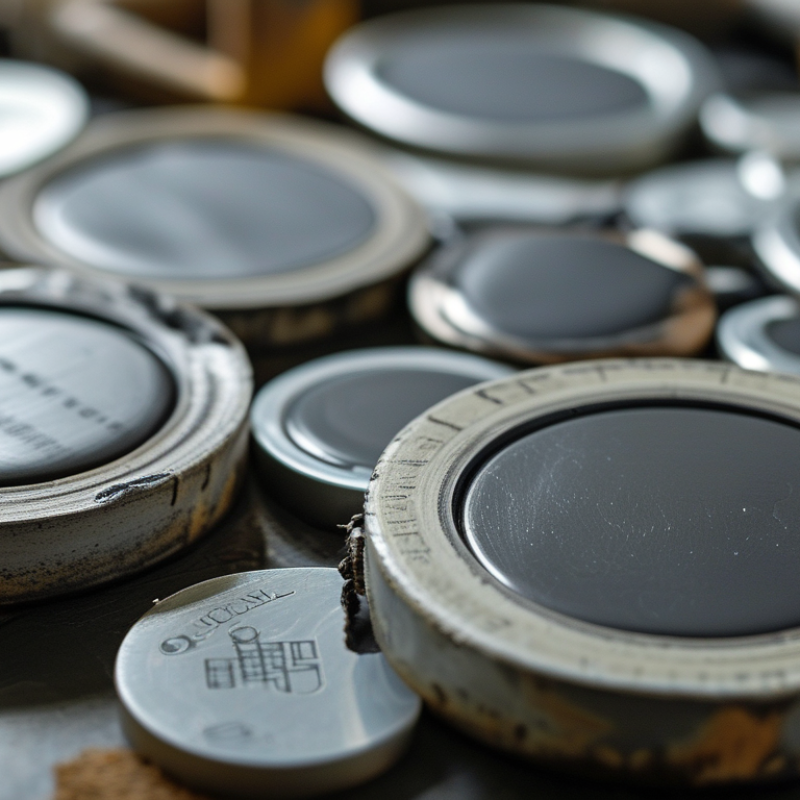
Choosing the right materials for sealing applications is crucial. The durability of sealing materials directly impacts the long-term performance of products. According to various industry reports, nearly 40% of sealing failures are related to improper material selection. This statistic highlights the importance of understanding material properties.
Different environments demand specific material characteristics. For example, seals exposed to extreme temperatures or corrosive substances require specialized materials. The American Society for Testing and Materials (ASTM) emphasizes that material certifications can ensure reliability. However, many buyers overlook these certifications, leading to premature seal failure.
In addition to environmental factors, mechanical properties must also be considered. Tensile strength and elongation at break are key indicators of how a material will perform under stress. Industry data shows that materials with higher tensile strength can reduce product failures by up to 30%. Buyers should prioritize thorough testing and data analysis to ensure optimal performance. Yet, many engineers still rely on intuition rather than robust data, which can result in miscalculations.
When considering sealing materials, understanding environmental conditions is crucial. Various factors can impact their lifespan significantly. Temperature fluctuations, humidity levels, and exposure to chemicals play a major role. In extreme environments, materials may degrade faster than expected.
Proper selection of sealing materials can mitigate these issues. For instance, using elastomers in high-temperature applications often leads to superior results. Choose materials based on their resistance to environmental stressors. This requires knowledge of the specific challenges your materials will face.
**Tips:** Always test materials in real conditions before full deployment. Regular inspections can catch early signs of wear. Keep records of performance metrics to identify trends. By being proactive, users can enhance longevity and reduce unexpected failures. Monitoring these factors is a continuous process that demands attention.
Evaluating the durability of sealing materials requires a thorough understanding of industry standards and testing methods. The American Society for Testing and Materials (ASTM) outlines various protocols, such as ASTM D 1000, which focuses on pressure-sensitive tape adhesion in a range of environmental conditions. Such standardized tests provide valuable data on how different materials respond to stress, heat, and moisture over time.
Organizations like the International Organization for Standardization (ISO) also contribute to our understanding. ISO 9001 emphasizes the importance of quality management systems. Implementing these standards can greatly enhance the reliability of sealing materials. Reports indicate that adherence to these testing methods can reduce material failure rates by up to 30%.
Tips: Ensure materials are tested under conditions that mimic real-world applications. This helps in accurately assessing performance. Periodic evaluations may uncover potential weaknesses in materials that aren't apparent during initial testing. Always consider feedback from end-users, as their experience provides invaluable insights into product durability. An investment in thorough testing pays off in increased customer satisfaction and lower warranty claims.
| Material Type | Test Method | Standard Reference | Durability Rating | Typical Applications |
|---|---|---|---|---|
| Silicone Sealants | ASTM C920 | ASTM | Excellent | Construction, Automotive |
| Polyurethane Sealants | ISO 11600 | ISO | Good | Industrial, Marine |
| Acrylic Sealants | ASTM C834 | ASTM | Fair | Interior Applications |
| Elastomeric Sealants | ASTM C1184 | ASTM | Very Good | Rooftop, Facades |
| Bituminous Sealants | AASHTO M 198 | AASHTO | Excellent | Pavement Maintenance |
Environmental conditions significantly affect the performance of sealing materials. Factors like temperature, humidity, and exposure to chemicals can degrade these materials over time. A report from the American Institute of Chemical Engineers indicates that sealing materials can lose over 30% of their effectiveness within two years in harsh environments.
Extreme temperatures can cause thermal expansion and contraction, leading to fatigue failures. For example, silicone seals may harden in cold conditions, while high temperatures can cause them to soften and lose their integrity. Additionally, moisture can lead to mold growth or chemical reactions, further compromising performance. A recent study by the International Journal of Adhesion and Adhesives highlights a 20% reduction in sealing effectiveness for materials subjected to chronic moisture.
Chemical exposure poses another risk. Different substances interact with sealing materials in unpredictable ways. Petrochemical exposure can deteriorate elastomers rapidly, while acids may corrode certain sealants. An analysis by a leading industry consortium found that nearly 35% of sealing failures were attributed to improper material selection in challenging environments. Understanding these dynamics is crucial for improving long-term reliability and effectiveness.
Maintaining the durability of sealing materials is crucial for global buyers. Regular monitoring and proper maintenance of sealing solutions can significantly extend their life. Always check seals for wear and tear. Environmental factors can lead to degradation over time.
Tips: Inspect seals monthly. Look for cracks or signs of leakage. A proactive approach can prevent costly replacements.
Use the right cleaning techniques. Avoid harsh chemicals that can damage sealing materials. Instead, opt for mild detergents and soft brushes. This preserves the integrity of the materials.
Tips: Keep a maintenance log. Document inspections and repairs. This provides valuable data for future assessments.
Understanding the specific conditions where seals operate is vital. Temperature fluctuations, pressure changes, and exposure to chemicals all impact sealing performance. Adjust maintenance schedules based on these factors.
Tips: Consider seasonal changes. Inspect seals more frequently during extreme weather conditions. This can help identify issues early.
: Lifespan is affected by temperature, humidity, and chemical exposure. Extreme environments can cause rapid degradation.
Choose materials based on resistance to environmental stressors. Knowledge of specific challenges is essential.
Real conditions help identify potential issues. Early testing catches signs of wear, enhancing longevity.
Standards like ASTM D 1000 focus on material performance under various conditions. These provide reliable data.
Extreme temperatures can cause materials to harden or soften. This leads to stress and potential failure.
Moisture can cause mold growth or chemical reactions. This potentially reduces effectiveness by over 20%.
Different chemicals degrade materials unpredictably. Improper selection often leads to sealant failures in harsh conditions.
Periodic checks reveal weaknesses not seen during initial tests. User feedback is crucial for insights.
Implement quality management systems and adhere to testing standards. This can reduce failure rates significantly.
Yes, neglecting these factors may result in unforeseen issues. Continuous monitoring is necessary for reliability.
Ensuring the durability of sealing materials is crucial for global buyers who rely on these solutions in various applications. To achieve this, it is essential to understand the importance of material selection and its impact on the lifespan of sealing products in diverse environments. Key factors influencing durability include temperature, chemical exposure, and UV radiation, which must be considered during the selection process.
Furthermore, adhering to industry standards and employing rigorous testing methods can help evaluate the durability of sealing materials effectively. Environmental conditions play a significant role in their performance, making it imperative to implement best practices for maintenance and monitoring. By focusing on these aspects, global buyers can confidently approach how to ensure durability of sealing materials, ultimately leading to more reliable and effective sealing solutions.

Royflexa Rubber