Sealing materials play a vital role in various industries, from construction to manufacturing. Ensuring their longevity is crucial for operational efficiency. Learning how to ensure durability of sealing materials can save time and costs, making maintenance easier in the long run.
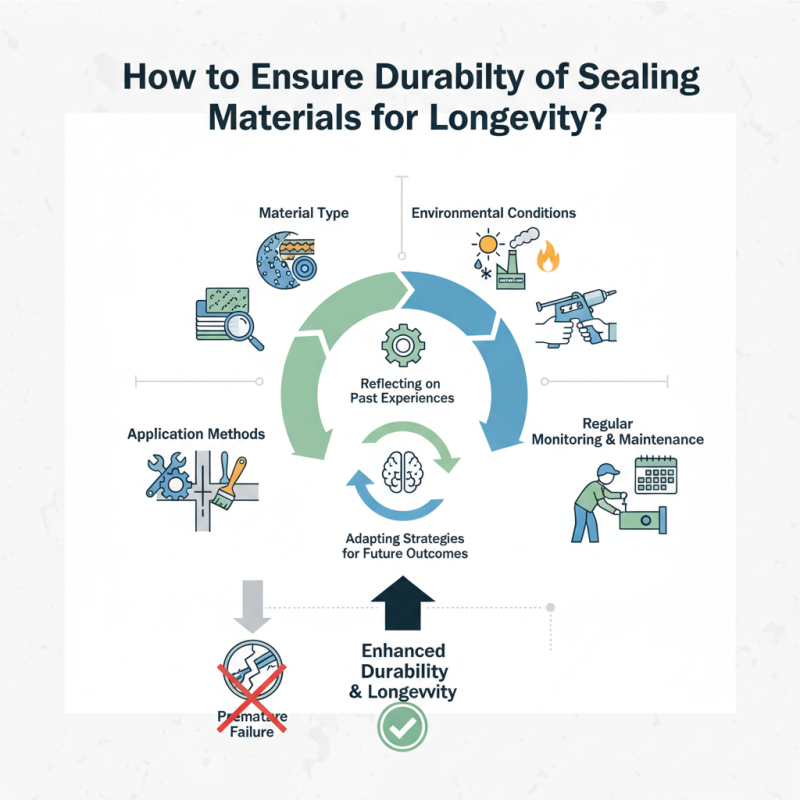
To achieve this durability, it’s essential to consider several factors. The material type, environmental conditions, and application methods significantly impact performance. High-quality materials often withstand wear better, but they can be costly. Regular monitoring and timely maintenance also contribute. Many overlook these aspects, leading to premature failure.
Reflecting on past experiences offers valuable insights. Instances of seal failure might prompt reevaluation of chosen materials or methods. Adapting strategies based on these reflections can improve future outcomes. Ultimately, understanding the nuances of sealing materials can lead to better decisions and enhanced durability.
Understanding the Importance of Durability in Sealing Materials
Durability is a crucial factor in selecting sealing materials. It ensures the longevity of structures and systems. When seals fail, it often leads to costly repairs. The material's ability to withstand environmental factors is essential. Extreme temperatures, moisture, and chemicals can degrade seals over time. A deep understanding of these conditions allows for better material choice.
Choosing the right sealing materials requires experience and knowledge. Knowledgeable professionals should consider the application and expected lifespan. However, issues may still arise. Even the most reputed materials can experience unexpected failures. Regular inspections help to catch early signs of wear. This proactive approach can mitigate severe damage.
The process is not without its challenges. It can be hard to assess the true durability of a sealing material. Testing methods may vary, and not all materials perform as expected over time. Responsible sourcing and thorough evaluation are vital to avoid poor choices. Making informed decisions enhances overall performance and safety.
Key Factors Influencing the Longevity of Sealing Products
When it comes to sealing materials, durability is vital for various applications. Several key factors significantly influence their longevity. Environmental conditions play a major role. Harsh weather, extreme temperatures, and exposure to chemicals can degrade many sealing products. For instance, UV radiation can break down certain materials.
Selecting the right type of sealant for specific conditions is essential.
Another crucial aspect is the proper installation technique. Even the best materials can fail if not applied correctly. This includes ensuring surfaces are clean and dry before application. Furthermore, the right curing time must be observed. Poor installation can lead to premature failure, exposing weaknesses.
Regular maintenance also impacts the lifespan of seals. Over time, wear and tear can occur, necessitating periodic inspections. Identifying wear early can prevent more costly repairs later. The right care can prolong the seal’s effectiveness significantly. Ignoring these factors may lead to premature replacement, raising costs and reducing satisfaction.
Being mindful of these elements can enhance the performance of sealing materials. They require attention and sometimes trial and error. A continuous learning process is essential for achieving reliable results.
Best Practices for Selecting Durable Sealing Materials
Selecting durable sealing materials is crucial for project longevity. Research indicates that 30% of sealing failures stem from improper material choice. This often results in increased repair costs and project delays. Professionals should prioritize understanding the environment where seals will be applied. Factors such as temperature, humidity, and exposure to chemicals play a significant role.
The best practice is to consult industry reports and standards before making a selection. A study from the Sealing Industry Association shows that seals rated for specific conditions can last up to twice as long as their counterparts. It’s important to assess the physical properties of materials like tensile strength and elongation. Not all materials will perform well under extreme conditions.
Manufacturers often emphasize performance, but practicality should not be overlooked. Field experience shows a gap exists between theoretical performance and real-world application. This discrepancy can lead to unexpected failures. Regular audits and feedback loops can help improve material selection processes over time. Understanding these nuances can ultimately lead to better, more informed choices.
Maintenance Strategies to Extend the Life of Sealing Solutions
Proper maintenance of sealing materials is crucial for enhancing their durability. Research indicates that regular inspection can increase the lifespan of sealing solutions by 30% or more. Routine checks help detect early signs of wear or damage. Look for cracks, discoloration, or material degradation. These issues often signal the need for timely repairs.
Implementing protective measures is beneficial. For example, using sealants that resist UV light can prevent deterioration. According to the American Society for Testing and Materials (ASTM), UV-resistant materials can last up to 20% longer than their standard counterparts. Additionally, ensuring that surfaces are clean and dry before applying sealants aids in adhesion, promoting longevity.
Another essential strategy is to avoid excessive stress on sealing materials. Overuse in high-traffic areas can lead to faster wear. Reports show that seals subjected to regular mechanical stress can fail up to 50% sooner compared to less active applications. It's vital to evaluate the environment where the materials are used and adapt maintenance schedules accordingly. While no solution lasts forever, informed choices can significantly extend the life of sealing solutions.
Testing and Evaluation Methods for Sealant Durability
Testing and evaluation of sealant durability are vital for ensuring long-lasting performance.
Various methods exist to assess how sealing materials hold up over time.
One common approach is accelerated aging tests. These simulate long-term exposure to environmental factors such as UV light, moisture, and temperature fluctuations.
It is crucial to analyze how different sealants respond to these conditions before application.
Field testing provides real-world insights into sealant durability.
This involves monitoring performance in actual installations.
Observing how sealants react to weather, chemicals, and mechanical stress offers valuable data.
Often, unexpected failures arise that laboratory tests may not address.
Such shortcomings reveal the need for ongoing evaluation.
Material compatibility is another factor to consider.
Not all sealants bond well with every substrate, which can affect longevity.
Experiments can help identify which combinations yield the best results.
This process often uncovers nuances in material behavior, reminding us that no single method guarantees success.
Continuous testing and adjustments ensure that product choices lead to reliable outcomes while addressing potential weaknesses.
FAQS
: Durability ensures longevity. It prevents costly repairs from seal failures.
Environmental factors such as extreme temperatures, moisture, and chemicals lead to degradation over time.
Consult knowledgeable professionals. Consider the application and expected lifespan before making a choice.
Regular inspections catch early signs of damage. Look for cracks or discoloration for timely repairs.
Regular inspections can increase lifespan by 30%. Detecting wear early is crucial.
Use UV-resistant sealants. They can last up to 20% longer than standard materials.
Ensure surfaces are clean and dry before application. This promotes better adhesion.
Excessive stress in high-traffic areas can lead to faster wear. Failure can occur up to 50% sooner.
Not all testing methods provide the same results. Some materials may not perform as expected over time.
Yes, even reputable materials can unexpectedly fail. Knowledge and vigilance are essential for maintenance.
Conclusion
When considering how to ensure durability of sealing materials, it is essential to understand their role in various applications and the factors that contribute to their longevity. Key factors include environmental conditions, material composition, and the specific requirements of the application. By selecting high-quality sealing products that are designed for particular environments, one can significantly enhance durability.
Best practices for selecting durable sealing materials involve thorough research and consultation with industry experts. Additionally, regular maintenance and appropriate testing methods can further extend the life of sealing solutions, ensuring they perform effectively over time. Implementing these strategies will not only improve the reliability of sealing materials but also reduce costs associated with repairs and replacements.

 Royflexa Rubber