In industrial environments, excessive vibration and noise can lead to significant challenges. These issues not only disrupt operations but also pose risks to worker safety and equipment longevity. Therefore, understanding which solutions reduce vibration and noise effectively becomes crucial for any organization. Various methods can be employed to tackle these problems, ranging from advanced engineering techniques to simple modifications in equipment setup.
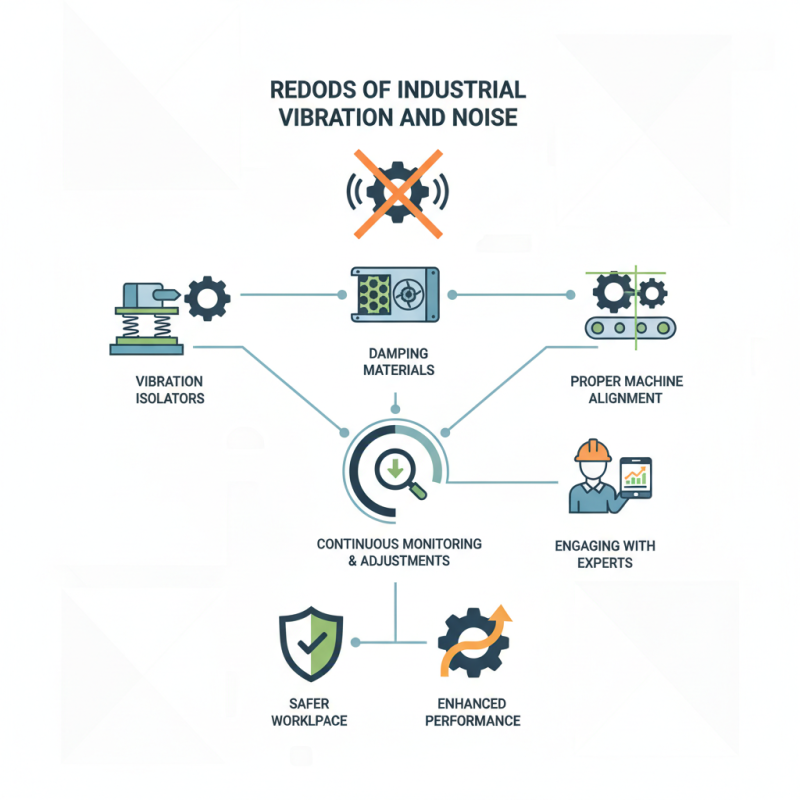
Implementing effective vibration and noise reduction strategies requires a deep understanding of the machinery in use. Some techniques may include the use of vibration isolators, damping materials, and proper alignment of machines. Each solution must be evaluated for its cost-effectiveness and practical application. Moreover, over-reliance on one method may not yield the best results. It is essential to think critically and assess the specific needs of your equipment.
Ultimately, the journey toward an effective noise and vibration reduction system is ongoing. Continuous monitoring and adjustments may be necessary. Engaging with experts who can provide tailored advice ensures a more sustainable approach to minimizing these issues. Such a nuanced strategy not only enhances performance but also contributes to a safer workplace.
Vibration and noise in equipment can stem from various sources. Common culprits include misalignment, loose components, and worn-out parts. These issues not only disrupt the smooth operation of machines but can also lead to premature failures. Understanding these causes is essential for creating effective solutions.
Worn bearings often produce a noticeable hum or vibration. This wear occurs naturally over time as machines operate. A slight misalignment in machinery may also result in excessive noise. It can be hard to detect without proper tools. Identifying these problems requires experience and attention to detail.
The effects of vibration and noise extend beyond inconvenience. They can affect worker morale and productivity. Persistent noise levels may stress employees, leading to decreased efficiency. Establishing a routine maintenance schedule can help mitigate these issues. However, many operations lack consistent checks, leaving them vulnerable to unexpected breakdowns. Recognizing the importance of noise control and vibration mitigation is a step towards enhancing equipment reliability.
: Common causes include misalignment, loose components, and worn-out parts. These issues disrupt machinery operation.
Worn bearings produce noticeable hum or vibration over time. This wear is natural but can lead to bigger issues.
Misalignment can create excessive noise and is hard to detect without proper tools. Experience helps catch these issues early.
Persistent noise can lower employee morale and productivity. It may cause stress, leading to decreased efficiency in work.
Establishing routine checks can mitigate these issues. However, many operations lack consistent maintenance and face unexpected breakdowns.
Regular monitoring with vibration analysis tools can detect abnormal vibrations. It’s crucial for preventing unplanned interruptions.
Equipment should be placed on stable surfaces. Misalignment increases stress and noise levels, impacting performance.
Investing in soundproofing materials minimizes noise impact on workers. This helps maintain a more focused work environment.
Changes in sound patterns often signal underlying issues. Paying attention can help identify problems before they escalate.
Reducing vibration and noise in equipment is crucial for improving performance and longevity. Understanding the causes and effects of vibration and noise helps in evaluating their impact on equipment performance. By implementing strategic design principles, engineers can create equipment that inherently minimizes vibration and noise. Maintenance practices are also essential; regular checks and tune-ups can significantly alleviate these issues over time.
There are various solutions to reduce vibration and noise effectively, including the use of vibration dampening materials and techniques during the design phase. These methods not only enhance operational efficiency but also contribute to a more comfortable working environment. By prioritizing these strategies, organizations can ensure their equipment operates smoothly and quietly, ultimately leading to improved productivity.

 Royflexa Rubber