Choosing the right materials for sealing applications is crucial for performance and reliability. Understanding what factors affect material performance in sealing applications can significantly influence the success of a project. Dr. Sarah Mitchell, a leading expert in material science, emphasizes this by stating, “The right material selection can make or break a sealing system.”
Material properties such as temperature resistance, chemical compatibility, and flexibility are vital. For instance, a sealing material that works well at low temperatures may fail at high temperatures. Additionally, environmental conditions can also impact performance. The seals must resist degradation from exposure to various chemicals or physical wear.
It's important to consider these factors carefully. Not all materials are suitable for every application. As Dr. Mitchell reminds us, “Even slight variations in conditions can lead to unexpected failures.” This insight highlights the necessity for a thoughtful approach to materials selection. Balancing these considerations will help in achieving optimal sealing performance and reliability.
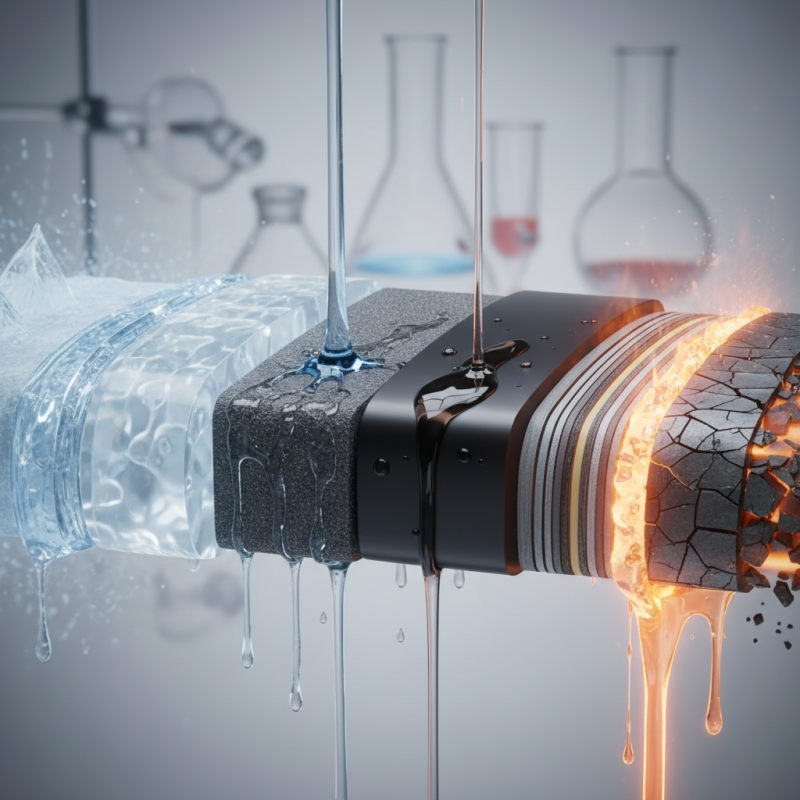
Sealing applications are critical across various industries. They help prevent leaks, maintain pressure, and protect components. Choosing the right material is essential. Different applications have unique requirements based on factors such as temperature, pressure, and chemical exposure. Understanding these requirements ensures that the selected sealant performs effectively and lasts longer.
For high-temperature environments, materials like silicone or fluoropolymers are often recommended. In environments with aggressive chemicals, selecting compatible materials is vital. Some materials may degrade quickly when exposed to certain substances. This can lead to unexpected failures. Regular assessments and testing help identify these vulnerabilities. Reflecting on past mistakes can guide future choices.
Consider the installation process as well. Some materials are easier to apply than others. For example, flexible sealants may simplify application in tight spaces. However, they might not always provide the strongest seal. Balancing ease of use with durability is crucial. It’s important to weigh the pros and cons carefully. Engaging experts or conducting thorough research can enhance decision-making.
When selecting materials for sealing applications, key properties play a crucial role. Temperature resistance is significant. Many materials can withstand varying thermal conditions. For instance, fluoropolymers can handle temperatures up to 260°C. Rubber materials may deteriorate at high temperatures, leading to leaks. It’s essential to ensure the chosen material matches the operational environment.
Chemical compatibility is another critical factor. Seals often face aggressive substances. Materials must resist degradation. According to a study by the Materials Research Society, certain elastomers display excellent chemical resistance, while others falter. Understanding the specific chemicals involved eliminates costly failures.
Additionally, understanding mechanical properties is vital. Tensile strength directly impacts seal performance. A seal’s failure can cause leaks. A soft material may compress too much, while a hard material might crack. The ideal seal must balance flexibility and durability according to the application’s demands. These considerations are key in reducing maintenance and enhancing reliability.
When selecting sealing materials, understanding their type and application is crucial. Common sealing materials include elastomers, thermoplastics, and metal seals. Each material serves specific functions based on environmental factors such as temperature and chemical exposure.
Elastomers like silicone and nitrile exhibit flexibility and resilience. They are ideal for dynamic sealing applications. According to industry reports, they are used in about 70% of automotive applications. Meanwhile, thermoplastics like PTFE offer excellent chemical resistance. They are commonly found in chemical processing industries due to their stability under harsh conditions.
Metal seals, often used in high-pressure applications, provide strength but are more rigid. The choice of material often hinges on the specific application requirements. For example, using elastomers in high-temperature applications could lead to premature failure. In these cases, sealing strategies must adapt to prevent leakage and maintain safety.
When selecting materials for sealing applications, several factors must be considered. Material compatibility is crucial. It affects the seal’s performance and lifespan. For instance, certain elastomers work well with oils, while others may degrade. According to industry reports, about 25% of seal failures result from improper material selection. This data emphasizes the importance of compatibility testing.
Temperature ranges are also critical. Seals must withstand varying conditions. Some materials perform well in extreme heat, while others may be better suited for cold environments. Research shows that approximately 30% of sealing failures occur in applications with inadequate temperature ratings. Evaluating the temperature resistance of materials can prevent costly downtime.
Additionally, consider the environment where the seal will operate. Factors such as exposure to chemicals, moisture, and pressure can compromise seal integrity. Studies reveal that seals exposed to harsh chemicals can deteriorate up to 50% faster than those in controlled environments. This stark contrast highlights the need for careful assessment of application conditions when choosing sealing materials. Balancing these aspects ensures reliable and effective sealing solutions.
When selecting materials for sealing applications, testing and quality assurance play a vital role. An effective sealing solution should withstand various environmental factors. From temperature variations to chemical exposure, materials must be rigorously evaluated. This ensures reliability and longevity in application.
Tips: Conduct test runs in controlled environments. Monitor for leaks and failures. This helps identify potential weaknesses early in the process.
Understanding the specific conditions is crucial. Each sealing material has unique properties. Some may be excellent in high temperatures, while others excel in corrosive environments. Testing helps clarify which material performs best under certain conditions. Documenting test results provides valuable insights for future selections.
Tips: Use a checklist for material properties. Assess compatibility, durability, and environmental impact. This helps in making informed choices.
While testing provides important data, it's not foolproof. Unexpected challenges may arise. Always be prepared to pivot and reassess material choices as new situations develop. Relying solely on past data can lead to rigid thinking. Flexibility often leads to better sealing solutions.
: Consider material compatibility, temperature ranges, and environmental conditions for the best performance.
Incompatible materials can lead to seal failures, affecting performance and lifespan significantly.
Seals must withstand temperature extremes; poor ratings can cause failures in about 30% of applications.
Chemicals, moisture, and pressure can accelerate seal deterioration dramatically.
Testing in controlled environments helps identify leaks early, ensuring reliability over time.
Document material properties and test results to guide future material selections.
No, relying solely on past data can lead to rigid choices; adaptability is essential.
Improper material selection causes about 25% of seal failures, highlighting the need for careful assessment.
Use a checklist to evaluate compatibility, durability, and environmental factors before choosing materials.
Unexpected issues can arise; being flexible in material choice helps address new challenges effectively.
In the selection of materials for sealing applications, it is crucial to understand the specific requirements and applications they serve. Key properties such as temperature resistance, chemical compatibility, and mechanical strength are essential for ensuring effective sealing performance. Various types of sealing materials, including elastomers, thermoplastics, and metals, cater to different applications and environments.
When determining the best sealing materials, one must consider what factors affect material performance in sealing applications. These factors include environmental conditions, exposure to chemicals, and the operating temperature range. Additionally, rigorous testing and quality assurance processes are vital to ensure that selected materials meet the required standards for durability and reliability. By carefully evaluating these elements, one can make informed decisions that enhance the effectiveness of sealing solutions.

Royflexa Rubber