In the quest to enhance the longevity and efficiency of industrial systems, understanding how to improve performance of gasket materials is essential. Dr. Emily Carter, a leading expert in materials science, states, "The right gasket material can significantly reduce maintenance costs and enhance operational efficiency." Her insights underline the importance of innovative approaches to gasketing solutions.
Gasket materials are often overlooked, yet they play a crucial role in preventing leaks. Factors such as material composition, environmental conditions, and installation techniques directly affect performance. For instance, high-temperature applications require materials that can withstand extreme conditions without degrading. Additionally, regular inspections can reveal wear and tear, prompting timely replacements or upgrades.
To elevate gasket performance, industries must consider advanced composite materials. These solutions offer better resistance to chemicals and pressure fluctuations. However, not all gaskets perform equally well. A one-size-fits-all approach may lead to failures. Companies need to invest in research and experimentation to identify optimal solutions tailored to specific applications.
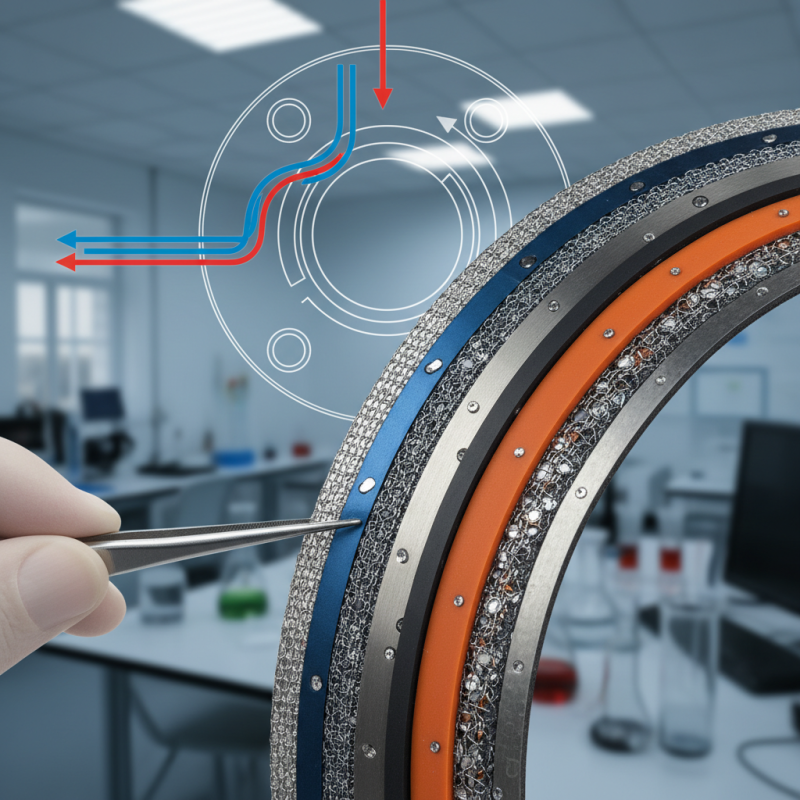
Gasket materials play a crucial role in ensuring tight seals in various applications. Their properties directly affect performance and reliability. Understanding these attributes is key for effective use. Common materials include rubber, cork, and metal. Each has unique strengths and weaknesses. Rubber provides flexibility but may wear out faster under heat. Cork is compressible but can absorb liquids. Metal gaskets offer durability but might not seal well under extreme conditions.
To enhance gasket performance, consider thickness and compressibility. Thicker gaskets often provide better sealing. However, an overly thick gasket can lead to improper sealing. Always choose material that matches the application’s temperature and pressure. Temperature can degrade some materials, leading to failure.
Tip: Regular inspection of gaskets can prevent leaks. Look for signs of wear or chemical exposure. Replacing gaskets periodically can save costs in the long run.
Another consideration is the installation process. Incorrect installation often leads to seal failure. Ensure the surfaces are clean and flat. Even a small irregularity can cause leaks.
Tip: Always follow application guidelines when selecting and installing gaskets. Proper alignment is essential for optimal performance. Make adjustments as needed to achieve the best fit.
When it comes to gasket material performance, several common challenges arise. One major issue is temperature fluctuations. Gaskets may lose integrity when exposed to extreme temperatures. This can lead to leaks, which may compromise equipment performance. Many engineers struggle to select materials that can withstand these conditions effectively.
Chemical exposure is another significant concern. Gaskets often come into contact with various fluids and gases. If the material isn’t resistant, it can degrade quickly. This degradation often leads to premature failures in the sealing system. Replacing gaskets frequently is both costly and time-consuming, creating a cycle of inefficiency.
Another challenge is installation errors. Improper placement or torque can affect gasket performance. Sometimes, workers may underestimate the importance of following guidelines. This can result in leaks, even with high-quality materials. Enhanced training programs for installers could mitigate this issue. Investing in proper practices is crucial for ensuring reliable gasket performance over time.
The quest for enhanced gasket performance has led to the development of innovative materials. Recent studies highlight a shift towards advanced composites and elastomers. These new materials exhibit superior temperature resistance, sealing capabilities, and durability. For instance, a report from the Gasket and Sealing Association indicates that advanced polymer composites can outperform traditional rubber gaskets by up to 30% in harsh environments.
Engineers are increasingly utilizing materials like expanded graphite and PTFE blends. These combinations not only improve sealing under pressure but also withstand corrosive substances. The performance of these innovative materials can vary significantly depending on the application. There are still challenges to address, such as the cost of raw materials and manufacturing processes. A focus on sustainability also impacts material choices, pushing manufacturers to balance performance with eco-friendliness.
Understanding the limitations of new gasket materials is crucial. While they offer enhanced performance, they may not be suitable for every scenario. More research is needed to fully understand long-term durability. Continuous testing and feedback from industrial applications will ensure these materials meet evolving standards. This ongoing development highlights the dialogue between innovation and practical application in gasket performance.
Optimizing gasket manufacturing processes is vital for enhancing performance. One effective technique involves selecting appropriate materials. The right material choice directly influences the gasket's ability to handle temperature and pressure variations. Different applications require different properties. Thus, understanding specific application needs is crucial.
Another important aspect is the precision in manufacturing techniques. Techniques like die-cutting and compression molding can significantly impact the quality of gaskets. Each method has unique advantages and challenges. Focusing on quality control during these processes ensures consistency. However, even the best methods can fall short if not monitored properly.
It's also essential to consider post-manufacturing treatments. Gaskets may require surface treatments to improve their sealing capabilities. These treatments can enhance resistance to chemicals and wear. Exploring feedback from production failures can help refine these techniques. A commitment to continuous improvement in manufacturing processes is vital for achieving better gasket performance.
Gaskets play a crucial role in sealing joints. Their performance directly affects system efficiency. Regular maintenance is essential for extending the lifespan of these critical components. Proper installation is a key factor. Ensure the surface is clean and free of debris before placing the gasket. This small step can prevent leaks and failures over time.
Routine inspections are vital. Check for signs of wear and tear. Look for cracks or deformities that might indicate issues. Regularly tightening bolts can also help maintain the integrity of the gasket. However, it is important not to overtighten, as this can lead to damage. Keep an eye on temperature and pressure changes, which can impact gasket performance.
Additionally, the choice of materials matters. Using the right type of gasket for specific applications enhances durability. While elastomers may serve well in some environments, metal gaskets offer better heat resistance. Evaluate the operating conditions regularly and adapt as needed. Ignoring these factors can lead to premature gasket failure, impacting system reliability. Take these maintenance practices seriously to support longer gasket life.
: Temperature fluctuations and chemical exposure are significant challenges. These can lead to leaks and failures.
Extreme temperatures may compromise gasket integrity. This increases the risk of leaks and equipment issues.
Gaskets may degrade quickly when exposed to incompatible fluids or gases. This leads to costly replacements.
Improper placement or torque can cause leaks. Training for installers is essential to prevent mistakes.
Selecting appropriate materials and precision in manufacturing enhance gasket quality. Quality control is key.
Surface treatments improve sealing capabilities and resistance to chemicals. They help extend gasket lifespan.
Regular inspections and cleaning before installation are crucial. Check for wear and maintain proper bolt tightness.
The right material provides better durability for specific applications. This helps in avoiding premature failures.
High temperatures can lead to material degradation. This impacts the effectiveness and lifespan of the gasket.
Keep track of temperature and pressure changes. Ignoring these can result in unexpected gasket failures.
In the pursuit of improving gasket material performance, it is essential to understand the inherent properties of these materials and their significance in various applications. Common challenges such as wear, leakage, and environmental impacts can hinder the effectiveness of gaskets. To address these issues, innovative materials are being developed, offering enhanced durability and resistance to extreme conditions. Additionally, optimizing manufacturing processes through advanced techniques can significantly contribute to the overall performance of gaskets.
Moreover, adopting proper maintenance practices is crucial for extending the lifespan of gasket materials. By focusing on how to improve performance of gasket materials through these strategies—understanding material properties, leveraging innovative solutions, refining manufacturing processes, and ensuring diligent maintenance—engineers and manufacturers can enhance the reliability and efficiency of their gasket systems, ultimately supporting the longevity of machinery and reducing operational costs.

Royflexa Rubber