In the rapidly evolving industrial landscape, the need for reliable sealing materials is paramount. Industries depend on effective sealing to ensure safety and efficiency. The question arises: which standards apply to industrial sealing materials? This inquiry is vital for manufacturers and consumers alike, as compliance ensures product integrity and longevity.
Current sealing materials face various challenges, including extreme temperatures and chemical exposure. Standards play a crucial role in defining performance metrics. They guide manufacturers in producing seals that withstand rigorous conditions. However, not all standards are created equal, and each industry may have different requirements. For instance, the aerospace sector demands stricter compliance compared to construction applications.
Navigating these standards requires both expertise and attention to detail. Some manufacturers may overlook specific guidelines, leading to potential failures. Understanding which standards apply not only protects equipment but also supports safety in the workplace. The identification and adherence to these standards are essential for maintaining operational efficiency and reliability in industrial settings.
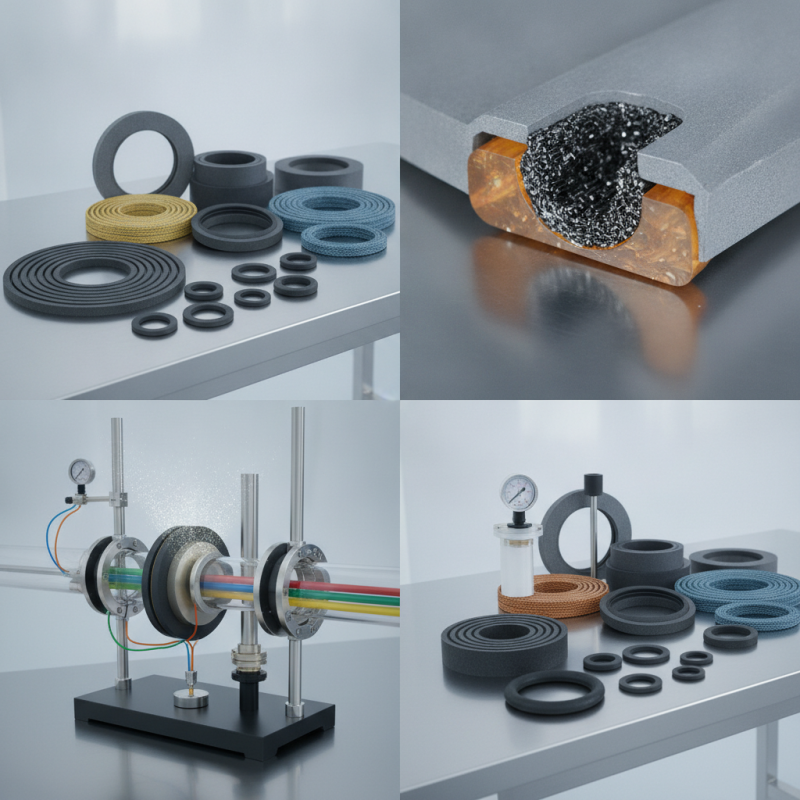
Industrial sealing materials have come a long way since their inception. Initially, basic materials like cork and rubber dominated the market. These materials served their purpose but had limitations. They were prone to wear and tear. As industrial demands grew, the need for more durable options became clear.
In the late 20th century, advancements in material science led to innovations. Engineers began exploring synthetic materials. These offered better resistance to chemicals and temperature fluctuations. This marked a turning point. The shift paved the way for modern sealing solutions. However, this evolution was not without challenges. Many new materials faced issues with compatibility and performance.
Today, we see a variety of options available. Fluoropolymers and nanomaterials are increasingly popular. They provide superior sealing capabilities. Yet, questions remain about their long-term reliability. Industries must continuously reassess standards and practices. The evolution of sealing materials is a testament to innovation. Each decade brings new challenges and opportunities in this field.
| Material Type | Temperature Resistance (°C) | Pressure Resistance (MPa) | Chemical Resistance | Applications |
|---|---|---|---|---|
| PTFE | -200 to 260 | 50 | Excellent | Chemical processing, food industry |
| Nitrile Rubber (NBR) | -40 to 120 | 20 | Good | Oil and fuel applications |
| Silicone | -60 to 200 | 15 | Moderate | HVAC, automotive |
| EPDM | -40 to 150 | 15 | Good | Automotive, roofing |
| Viton (FKM) | -20 to 200 | 25 | Excellent | Chemical and high-temperature applications |
Industrial sealing materials are crucial in various applications, including automotive, aerospace, and construction sectors. The effectiveness of these materials is determined by several key properties. These include temperature resistance, chemical compatibility, and flexibility. Each property ensures the material can withstand a range of harsh conditions. Understanding these metrics is vital for selecting the right sealing solution.
Temperature resistance is one of the most critical metrics. Many sealing materials must perform in extreme temperatures. Ideally, they should maintain integrity even when exposed to heat or cold. Chemical compatibility also plays a significant role. Seals need to resist degradation from fluids like oils, greases, or caustic substances. This resistance can influence the longevity of seals in industrial environments.
Flexibility often gets overlooked. However, it is essential for accommodating movement between parts. A flexible seal can adjust more easily to changes. This can prevent leaks that may occur with stiff materials. There’s still room for improvement in many existing materials. Ongoing research is needed to enhance performance in diverse applications. A deeper understanding of these properties will lead to more reliable and efficient sealing solutions in the future.
The industrial sealing materials industry is subject to evolving standards and regulations. Different sectors, such as automotive, aerospace, and manufacturing, each have unique requirements. Adhering to these regulations ensures safety and efficiency in applications. It’s crucial for manufacturers to stay informed about updates to these standards. Change can create uncertainty, leading to confusion within the supply chain.
Compliance with industry norms is essential. For example, the materials used must withstand varying temperatures and pressures. Testing for durability against chemical exposure is another requirement. Documentation and certifications often verify these qualities. However, not all companies maintain thorough records. This lack of transparency can create potential risks.
Evaluating products against these standards is not always straightforward. Experts often disagree on what constitutes compliance. Some materials might meet minimum safety standards but still fall short in performance. Ongoing testing and feedback loops are necessary to improve product efficacy. Engaging with industry experts can lead to better choices in sealing materials. The future will require all stakeholders to adapt and foresee changes in regulations.
In 2026, the landscape of industrial sealing materials will witness significant innovations and trends. Advanced materials, like bio-based polymers and nanocomposites, will take center stage. These materials offer superior resistance to harsh environments and chemical exposures, addressing challenges faced in industries such as automotive and construction. Manufacturers will focus on developing materials that not only meet performance standards but also support sustainability goals.
For those in the industry, understanding these developments is crucial. Tip: Consider conducting a thorough material assessment before making purchasing decisions. Evaluate how new formulations can enhance durability and reduce maintenance costs. Transitioning to advanced sealing solutions might require upfront investment but could lead to long-term benefits.
It's essential to stay informed about regulatory changes impacting sealing materials. Compliance to safety and environmental standards will play a key role. Tip: Subscribe to industry journals and attend relevant conferences. Building a network within the sealing materials community can provide insights into upcoming technologies and best practices. This information will aid in making educated decisions that align with market trends.
As industries evolve, so do the standards governing industrial sealing materials. The future presents both challenges and opportunities in this field. A 2023 report by the Sealing Industry Association noted that 75% of manufacturers are transitioning to sustainable materials. This shift is driven by increasing regulatory pressures and environmental awareness among consumers. However, the adoption of new materials often faces resistance due to concerns about performance and reliability.
The demand for enhanced sealing materials in extreme conditions is rising, especially in sectors like aerospace and automotive. According to a 2022 industry analysis, nearly 60% of professionals identified durability at high temperatures as a critical requirement. Yet, existing standards struggle to keep pace with technological advancements. Many materials are still assessed through outdated testing methods. This gap highlights the ongoing need for improved guidelines that incorporate real-world applications.
Collaboration among industry stakeholders is crucial in addressing these challenges. A survey found that 70% of sealing professionals believe that joint initiatives could foster innovation. The standards must not only evolve but also emphasize transparency in material sourcing. Industry leaders must reflect on past practices to pave the way for a more sustainable and reliable future in sealing materials.
: Key properties include temperature resistance, chemical compatibility, and flexibility. These ensure performance in various conditions.
Temperature resistance ensures seals maintain integrity in extreme heat or cold conditions. This is crucial for longevity.
Chemical compatibility prevents degradation from oils or caustic substances. It significantly influences the seal's lifespan.
Flexibility helps seals adjust to movement between parts. This adjustment can prevent leaks that occur in rigid materials.
There is ongoing research needed to improve materials. Current options may lack performance in diverse applications.
Standards ensure safety and efficiency across sectors. Compliance can be challenging due to evolving regulations.
Testing verifies durability against exposure. However, not all companies maintain thorough documentation, which can pose risks.
Some materials may meet basic safety standards but fail in overall performance. Continuous evaluation is necessary.
Manufacturers should engage with industry experts to keep updated on changes. This helps to navigate uncertainty in the supply chain.
The future requires adaptation to regulatory changes. Stakeholders must predict and respond to evolving standards to improve materials.
The article "2026 Top Standards for Industrial Sealing Materials" explores the evolution of sealing materials, providing a historical perspective on their development. It outlines the key properties and performance metrics essential for evaluating sealing materials, highlighting how these factors have influenced current industry standards and regulations.
Additionally, the piece delves into innovations and trends expected to shape sealing material technologies by 2026, as well as the future challenges and opportunities that might arise in establishing effective industrial sealing material standards. A central theme is to address which standards apply to industrial sealing materials, ensuring compliance and performance in increasingly demanding industrial environments.

Royflexa Rubber